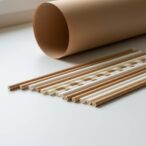
Sourcing components for pyrotechnics can be a high-stakes decision, as a single bad batch can compromise your entire product line. When it comes to foil wrapped firework paper tubes, you may be struggling with inconsistent performance, leading to duds or safety concerns. The solution lies in understanding that these tubes are complex components, not simple commodities.
A foil wrapped firework paper tube is a composite pyrotechnic component, not just a paper tube with a decorative covering. It consists of specific grades of paper, a functional foil layer, and a performance-based adhesive, all engineered to control moisture, structural integrity, and burn characteristics for safe and reliable firework performance.
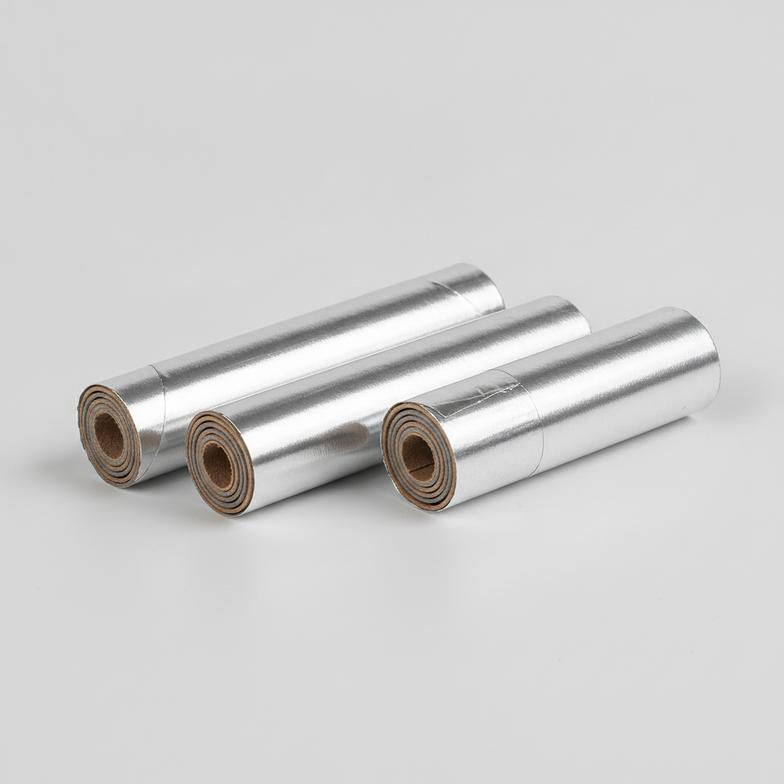
Now that we’ve established the basics, you’re likely wondering what specific details separate a high-performance tube from a liability. The secret is in the interplay between materials, construction, and manufacturing quality control. Let’s break down exactly what you need to look for.
You might assume that all paper tubes are fundamentally the same, with the foil just being a cosmetic touch. This assumption can lead to dangerous misfires, inconsistent burn rates, and products that fail in humid conditions. To avoid this, you must analyze how each material contributes to the final product.
The specific combination of paper grade, foil type and thickness, and adhesive formulation directly dictates the tube’s structural integrity, moisture resistance, and burn characteristics. These are the core factors that ensure the safety and predictability of the final pyrotechnic device.
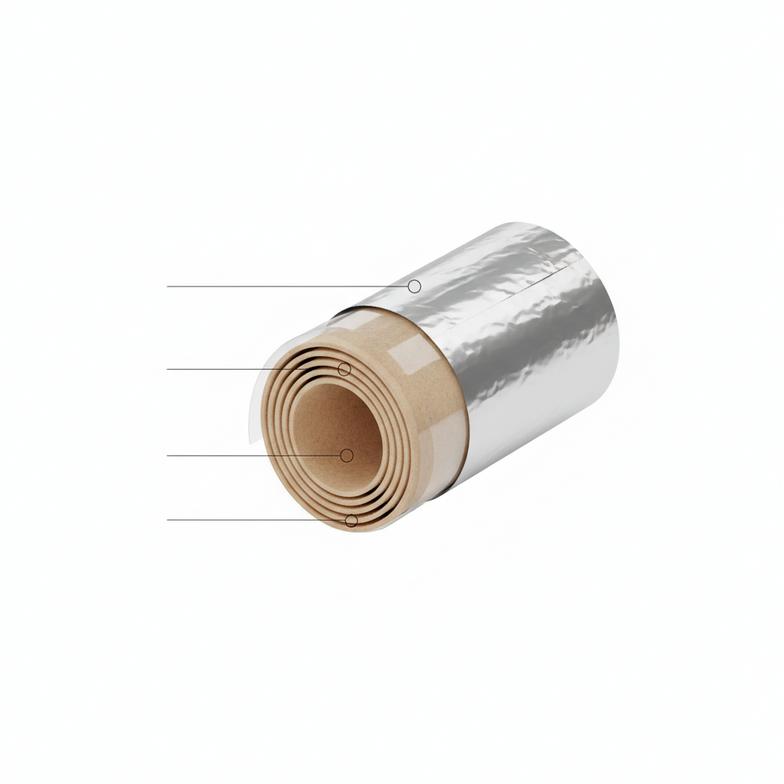
A common question we receive from buyers is, "What makes one tube stronger or more moisture-resistant than another?" The answer is almost always found in the raw materials. A spec sheet might list dimensions, but the real performance story is in the composition. Let’s examine each layer.
The paper is the backbone of the tube, providing its core structural strength. Not all paper is created equal, and the grade you choose has significant consequences.
Many buyers mistakenly believe the foil layer is purely for aesthetics. In reality, it’s a critical performance component. Its primary function is to act as a moisture barrier. Paper is hygroscopic, meaning it readily absorbs moisture from the air[3]. A damp tube can lead to a slow or failed ignition. The foil layer, typically aluminum, seals the paper structure from ambient humidity, preserving the integrity of the pyrotechnic composition inside.
Furthermore, the foil’s thickness and composition influence heat transfer[4]. It can help insulate the paper layers, affecting how heat propagates along the tube and influencing the overall burn rate and timing of the effect. Overlooking the foil’s technical properties is a common mistake that can lead to unpredictable results.
The glue that binds the paper and foil layers together is perhaps the most overlooked component, yet it’s often the source of failure. If the wrong adhesive is used, the tube can suffer from delamination—where the layers separate under heat and pressure.
When you’re sourcing tubes, you’ll encounter two primary construction methods: spiral and parallel winding. You might see different options available but not understand which is right for your application. Choosing the wrong construction can negatively impact burst strength, bending resistance, and even your production costs.
Spiral wound tubes, made from narrow strips of paper wound at an angle, offer excellent crush strength[6] and are produced efficiently. In contrast, parallel wound (or convolute) tubes, made by wrapping a full sheet of paper around a mandrel, provide superior beam strength[7] and a seamless finish.
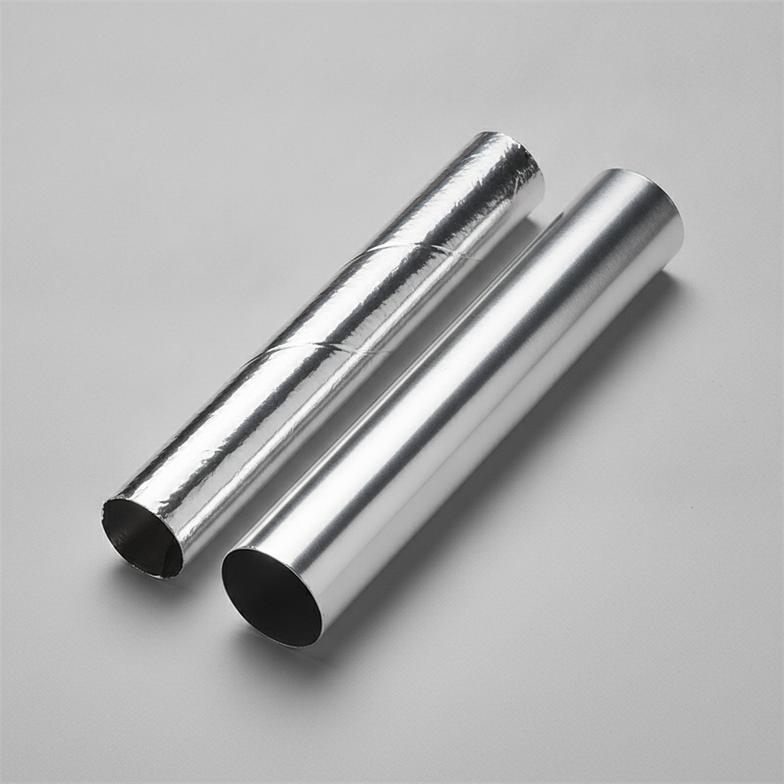
The choice between spiral and parallel winding isn’t about which is "better" overall, but which is better for your specific firework design. The construction method directly influences the tube’s mechanical properties and cost. Understanding these differences helps you align the component with your performance and budget requirements.
Spiral wound tubes are the most common type you’ll find due to their manufacturing efficiency. The process involves winding multiple narrow ribbons, or "plies," of paper and foil around a fixed mandrel at a continuous angle.
Parallel, or convolute, winding is a more specialized process. It involves taking a wide sheet of paper (equal to the length of the tube) and wrapping it directly around a rotating mandrel multiple times.
| Feature | Spiral Wound Tube | Parallel (Convolute) Wound Tube |
|---|---|---|
| Strength Profile | High crush/radial strength | High beam/bending strength |
| Manufacturing Speed | Fast, continuous process | Slower, indexed process |
| Cost | More cost-effective | More expensive |
| Surface Finish | Visible spiral seam | Seamless, smooth surface |
| Common Use Cases | Casings for firecrackers, small shells | Mortar tubes, Roman candles, long drivers |
You’ve found a supplier, and their spec sheet for foil wrapped firework paper tubes looks perfect. The price is right, and the dimensions match your needs. However, when the first shipment arrives, you discover inconsistent wall thickness and tubes that delaminate easily, putting your production and reputation at risk. The solution is to learn how to vet a supplier’s process, not just their product data sheet.
To truly verify a supplier’s quality, you must move the conversation beyond price and specs. Ask for tangible evidence of their process control, material traceability systems, and batch-testing data for critical parameters like dimensional accuracy, crush strength, and moisture content.

As a solution provider, I’ve seen firsthand how a weak supplier can derail a project. The best buyers don’t just ask "What’s the price?" but rather, "How do you guarantee quality?" Shifting your focus to a supplier’s manufacturing discipline is the single most effective way to de-risk your supply chain. Here are the questions you should be asking.
The quality of the final tube can never exceed the quality of its raw materials. A reliable supplier must have tight control over what comes into their factory.
A good product isn’t made by accident; it’s the result of a controlled process. Your supplier should be able to describe their in-process quality checkpoints with confidence.
The final proof of quality comes from testing the finished product. Your supplier should be performing and documenting tests on every production lot.
When buyers start asking these questions, they transform from being a price-shopper to a true procurement partner. It signals to the supplier that you value quality and reliability, which ultimately results in a better product and a stronger supply chain.
The most frequent cause of failure is delamination[9], where the paper and foil layers separate. This is typically caused by an improper adhesive, poor glue application, or excessive moisture in the tube, all of which are a result of inadequate manufacturing process control.
Yes, absolutely. Customization is standard in the industry. The most common custom parameters include inner diameter, wall thickness, and tube length. You can also specify the grade of paper, the thickness and color of the foil, and even request custom printing on the tube.
Wall thickness directly impacts the tube’s strength and burn characteristics. A thicker wall increases the tube’s burst strength, allowing it to contain higher pressures. It can also act as an insulator, slowing the burn rate of the pyrotechnic composition. However, thicker walls also increase material cost and weight.
The environmental impact depends entirely on the materials used. The paper portion is generally biodegradable, especially if sourced from FSC-certified forests. However, the aluminum foil and synthetic adhesives are not typically biodegradable[10]. When sustainability is a key concern, it’s important to discuss material options with your supplier.
Choosing the right foil wrapped firework paper tubes is about more than just finding the cheapest option that fits your dimensions. As we’ve explored, these are engineered systems where the paper grade, foil layer, adhesive, and construction method all work together to deliver safe and consistent performance. The key to success is understanding that you’re sourcing a complex component, not a simple commodity. True reliability comes from matching the right specifications to your application and, just as importantly, partnering with a supplier who can prove their commitment to quality through transparent process controls and rigorous testing.
If you’re looking for a reliable partner to source high-quality pyrotechnic tubes or need guidance on defining the right specifications for your project, contact the team at PaperStrawTech. We leverage our deep manufacturing experience to help you secure a supply chain you can trust.