
You’ve been asked to get quotes for paper straws to replace your current plastic ones. The numbers come back, and they’re higher, making it a tough sell internally. This is a common roadblock, but it’s based on an incomplete comparison. It misses the real financial risks of not switching.
The conversation often gets stuck on the per-unit price difference. But from a supplier’s perspective, we see that successful businesses are asking a different question. They’re moving beyond simple cost comparison and are instead evaluating the total business risk.
Foodservice buyers are switching from plastic straws because the risks of inaction, such as negative brand perception and being unprepared for new regulations, are now seen as a greater business threat than the higher unit cost of alternatives. The decision is increasingly driven by a need to protect brand reputation, meet changing consumer expectations, and future-proof operations.
The switch is no longer an optional "green" initiative. It’s a strategic move to protect your brand and stay ahead of competitors and regulations.
The most visible cost is the price of the straw. The hidden costs of sticking with plastic, however, can be much higher. These aren’t line items on a typical invoice, but they directly impact your bottom line.
Planning the transition now is calmer, more controlled, and ultimately more cost-effective than being forced to react later.

Focusing only on the unit price of a plastic straw versus a paper one is a mistake. The "true cost" of your straw supply involves performance, logistics, and brand experience.
The cheapest quote is often the most expensive way to switch. A rock-bottom price can hide a low-performance straw that gets soggy in minutes, creating a negative customer experience. It can also hide inefficient carton packing. A quote might have a 10% lower unit price, but if the carton has 20% more empty air, your freight cost per straw could be significantly higher.
To understand the real cost, you need to look at the total landed cost per unit. This includes:
When you present the switch to your management or finance team, framing it as a strategic investment rather than a simple cost increase is helpful. Use this table to structure your argument.
| Common Buyer Assumption | Potential Business Risk | Practical Check for Your Business Case |
|---|---|---|
| "It’s a simple price comparison: plastic vs. paper straw." | Choosing a cheap, low-performance paper straw that damages customer experience and brand reputation. | Test samples in your specific drinks (e.g., smoothies, iced coffee) to confirm performance for a realistic time. |
| "We can keep using plastic until we are forced to stop." | Facing supply chain chaos, premium pricing, and operational disruption when a sudden regulation is passed. | Identify the regulatory trends and timelines in your key operating regions to assess future risk. |
| "The switch is just an unavoidable cost." | Missing the opportunity to use the change as a positive marketing story and point of brand differentiation. | Review how competitors or market leaders are communicating their switch to sustainable packaging. |
| "A quote with a low unit price is the best deal." | Incurring high landed costs due to inefficient carton packing, which increases freight and storage costs per unit. | Request full carton data (dimensions, weight, pcs/carton) to calculate the total landed cost per 1,000 straws. |
A common mistake is ordering one "universal" paper straw for all drinks. This saves on SKU management but creates a huge performance risk. A narrow straw is frustrating for a smoothie drinker, and a wide straw feels wasteful for a simple soda.
The straw is an integral part of the beverage experience. You must match its specifications to the drink to protect your quality standards.
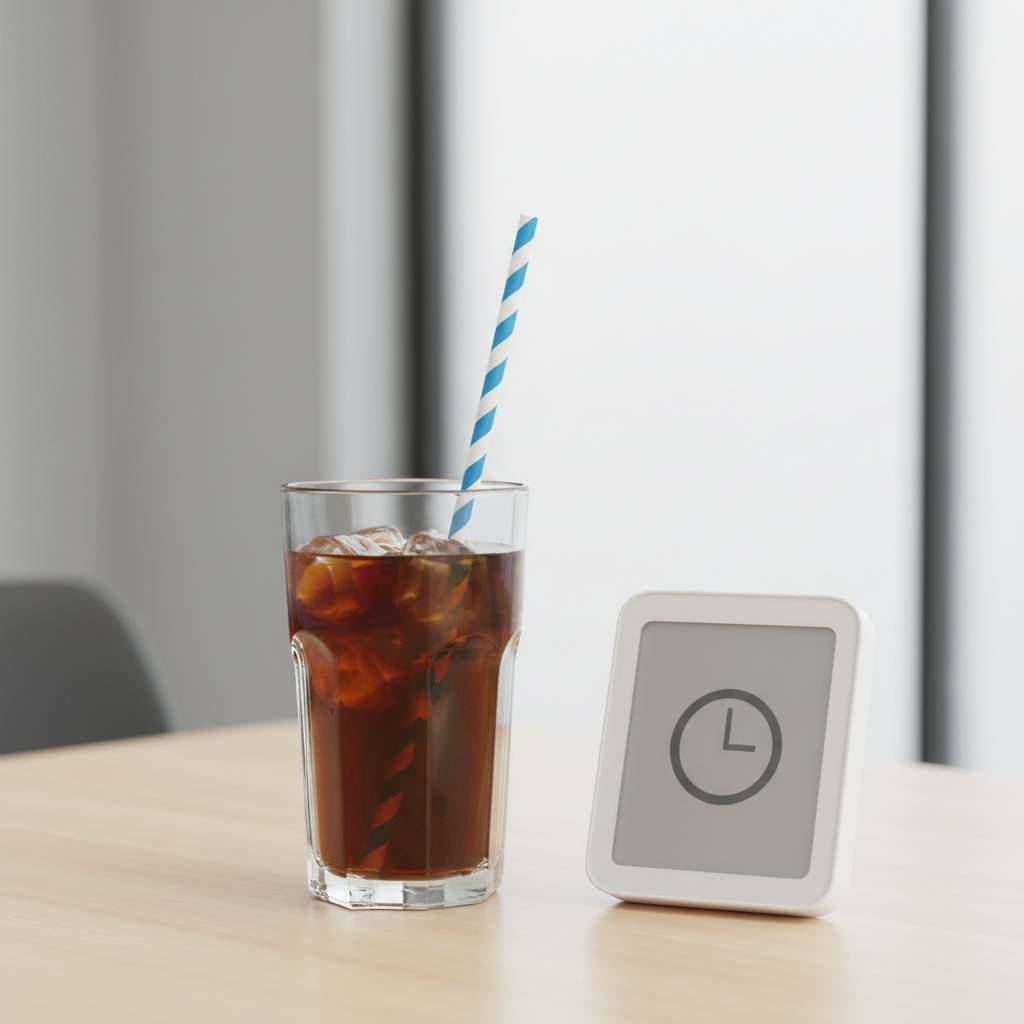
A practical way to do this is with a "Real-Drink Soak Test."
1. Get samples from potential suppliers. Ask for options specifically recommended for your most challenging drinks (e.g., thick milkshakes, acidic juices, iced coffee). 2. Place the straws in those drinks. 3. Set a timer for a realistic customer experience, like 30-45 minutes. 4. Check the results. Does the straw get soggy? Does it collapse when used? Does it impart a paper taste?
This simple test moves your evaluation beyond a dry visual inspection and tells you if a straw is truly fit for purpose. A straw that looks good but fails this test is a customer complaint waiting to happen.
Sending a vague email like "how much for paper straws?" will only get you a vague and unhelpful price list. A serious supplier will need more information to provide a useful quote and a real solution.
To have a productive conversation, prepare these details first:
1. A list of your primary drink categories (e.g., sodas, iced coffee, milkshakes, boba tea). 2. The cup sizes (height and volume) used for each category. 3. Any specific performance needs (e.g., "must not soften in an iced drink for at least 45 minutes"). 4. Your requirements for wrapping (unwrapped, paper-wrapped) and printing. 5. Your estimated annual or quarterly quantity.
Providing these details allows a supplier to recommend the right product and provide a meaningful quote. It moves the conversation from the dead-end question of "how much does it cost?" to the strategic question of "how do we solve this for our business?".