
Choosing the right components for your pre-rolls can feel like a high-stakes decision, and frankly, it is. When it comes to hemp filter tips, a seemingly small choice can have an outsized impact on everything from production efficiency to customer loyalty. Making the wrong call can lead to clogged cones, harsh draws, and negative reviews that tarnish your brand. The solution is to move beyond surface-level specs and learn to evaluate filter tips based on the strategic trade-offs that truly matter.
As a pre-roll cone manufacturer, your choice of hemp filter tips is a strategic decision that directly impacts end-user experience, brand perception, and regulatory compliance. The ideal tip isn’t about finding a single "best" material but about balancing three critical factors: airflow (draw resistance), structural integrity (firmness), and documented safety (compliance). Success hinges on aligning these technical attributes with your specific product goals and mitigating supply chain risks by demanding verifiable documentation from your suppliers.

Now that you have the core decision framework, you can see it’s not just about buying a simple paper component. It’s about engineering a better customer experience from the inside out. Let’s break down exactly what you need to look for to ensure the hemp filter tips you source will elevate your product, not undermine it.
You’re aiming for that perfect, smooth draw that customers rave about, but you can’t sacrifice structure to get it. A filter tip that’s too flimsy can collapse during use or, even worse, get crushed on your automated production line, causing costly downtime. Finding that sweet spot between effortless airflow and robust integrity feels like a puzzle. The wrong balance leads to a product that either clogs up or feels cheap and lets loose herb through.
The key to solving this is to analyze the material’s technical specifications, specifically its grammage (or GSM) and physical construction. You must balance fiber density for smooth filtration with a firm, resilient structure that holds its shape from the factory to the final puff.
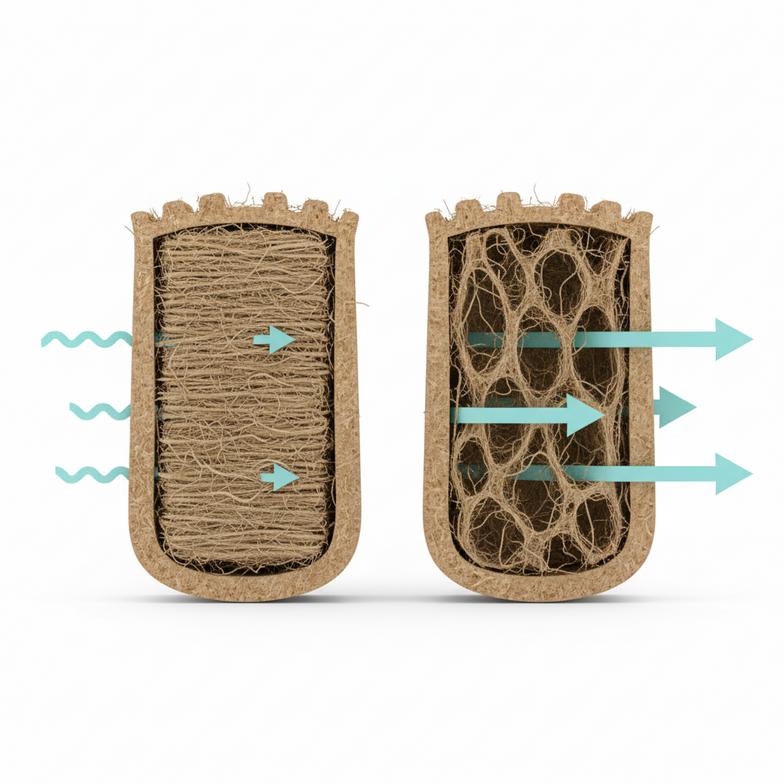
From our experience guiding clients through component selection, the conversation around airflow and structure is where the real engineering begins. It’s a classic trade-off, and your choice here defines the core performance of your pre-roll.
Draw resistance is a direct result of the paper’s porosity. A tip made from very dense, highly calendered (pressed and smoothed) hemp paper will naturally have lower porosity.
We often advise clients to request samples with different grammage ratings—typically measured in grams per square meter (GSM). A lower GSM (e.g., 100-120 GSM) often corresponds to a lighter draw, while a higher GSM (e.g., 140-160 GSM) provides more structure and filtration. Your goal is to find the GSM that matches your brand’s desired "signature draw."
While the end-user experience is paramount, you can’t ignore manufacturability. The firmness of your hemp filter tips directly impacts Overall Equipment Effectiveness (OEE).
Here’s a breakdown of what to consider:
| Feature | Low-Firmness Tip (Spongey) | High-Firmness Tip (Rigid) |
|---|---|---|
| Machine Compatibility | Prone to jamming in automated cone-stuffing machines. Can bend or crush under pressure. | Feeds smoothly through automated systems. Withstands mechanical pressure. |
| Moisture Resistance | Can get soggy or lose shape quickly when exposed to moisture from lips or the environment. | Maintains its shape longer, even when damp. Provides a more consistent experience. |
| End-User Feel | Can feel cheap or flimsy. May collapse when pinched. | Feels substantial and premium. Offers a stable, reassuring grip. |
A common oversight we see is procurement teams focusing solely on cost per unit, only to face higher costs down the line from production stoppages caused by flimsy tips. Always test samples on your actual equipment before placing a bulk order.
You see suppliers using appealing words like "organic," "all-natural," and "chemical-free" to describe their hemp filter tips. The problem is, these terms are often just marketing fluff. Without verifiable, third-party documentation, these claims are meaningless and offer zero protection if your products are audited or challenged for safety. Sourcing non-compliant materials, even unintentionally, exposes your brand to legal risks, recalls, and a complete loss of consumer trust.
To truly vet a supplier and mitigate risk, you must demand specific compliance reports. The non-negotiable documents for hemp filter tips are a recent Certificate of Analysis (COA) for the raw material batch, a heavy metals analysis report, and a pesticide screening report. These documents are your proof of due diligence.

In every consultation with a new pre-roll manufacturer, the topic of compliance comes up. My advice is always the same: trust, but verify. A reliable supplier will have this documentation ready and will not hesitate to share it. If they hedge or make excuses, that’s a major red flag.
A COA is a report from an accredited laboratory that confirms the composition and purity of the hemp used to make the paper. It’s not enough for a supplier to say they have one; you need to review it.
Hemp is a bio-accumulator, meaning it can absorb contaminants from the soil, water, and air it grows in. This makes testing for heavy metals and pesticides absolutely critical.
We always tell our clients that the responsibility for ensuring compliance rests with them, the brand owner. Don’t just take a supplier’s word for it. Collect, review, and file these documents for every batch of filter tips you procure. This paper trail is your best defense in an audit and a cornerstone of a responsible supply chain.
You know that stock filter tips are readily available and cost-effective, which is perfect for getting started. But as you scale, you may find that an off-the-shelf component just doesn’t quite fit your unique cone diameter, forcing you to compromise. This can lead to a suboptimal user experience or a brand image that fails to stand out in a crowded market. A generic tip makes for a generic product.
You should move from stock to custom hemp filter tips when you need to solve a specific problem or create a competitive advantage. This includes needing a non-standard diameter for a perfect fit, wanting to add branding like a logo or color, or engineering a signature draw performance that stock options simply cannot deliver.
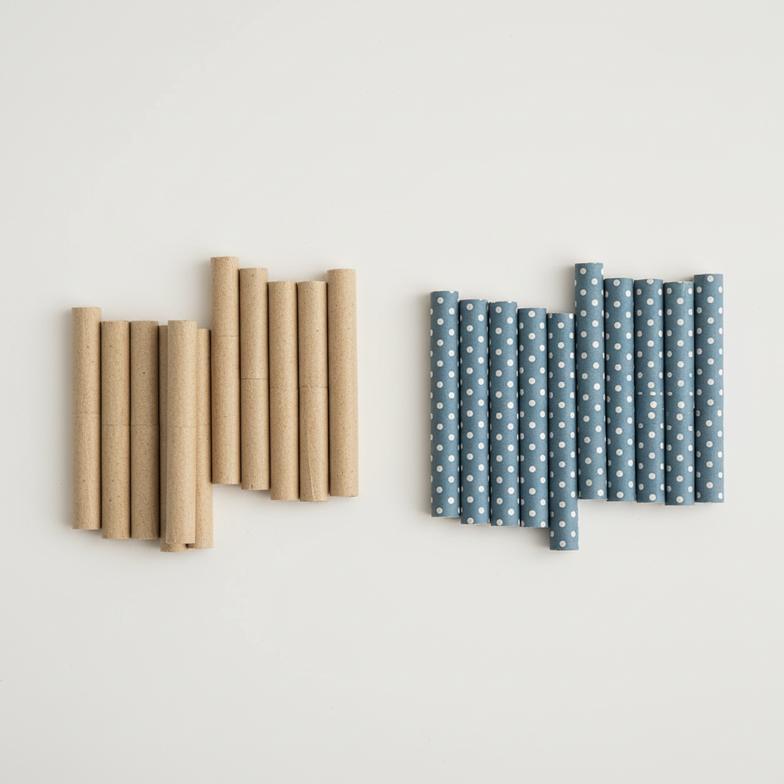
Many manufacturers initially view customization as an unnecessary expense. However, based on the successful brands we’ve worked with, a custom tip is an investment in product quality, production efficiency, and brand equity. The decision to go custom is a sign of a maturing operation.
One of the most common drivers for customization is fit. Pre-rolled cones come in a variety of sizes and tapers, from slim 84mm cones to large 109mm "king size" cones.
In a competitive market, branding is everything. The filter tip is a small but valuable piece of real estate.
As discussed earlier, airflow is critical. Customization allows you to work directly with a material supplier to create a tip with a specific GSM, porosity, and construction (e.g., a "W" fold vs. a spiral). This lets you engineer a draw that becomes part of your brand identity—be it famously light and airy or slow and deliberate.
The main barrier to entry for customization is typically the Minimum Order Quantity (MOQ). While stock tips can be bought in small quantities, custom runs often require a commitment of several hundred thousand units or more. It’s a move best made when you have predictable sales volume and a clear vision for your product.
Hemp paper is made from the fibers of the hemp plant, known for its strength and sustainability. Compared to traditional wood-pulp paper, hemp fibers are longer and more resilient, which can result in a filter tip that holds its structure better, especially when moist. Many brands also choose it for its eco-friendly marketing appeal.
A high-quality, properly processed hemp filter tip should be completely neutral and have no impact on the taste or aroma of your product. However, a poorly made tip from low-grade, improperly cured hemp could potentially introduce a subtle, papery or plant-like taste. This is why sourcing from a reputable supplier who provides clean, tasteless paper is essential.
Firmness is crucial for automated manufacturing. Flimsy or overly soft tips can bend, crush, or jam in cone-stuffing machines, leading to frequent line stoppages, product waste, and increased labor costs for clearing jams. A firm, consistent tip ensures smooth feeding, higher throughput, and better overall equipment effectiveness (OEE).
While FSC (Forest Stewardship Council) certification is most commonly associated with wood-based products, it is possible to find FSC-certified suppliers for other plant-based papers, including some hemp blends. This certification verifies that the material comes from responsibly managed sources. You should always ask your supplier for their specific FSC chain-of-custody certificate to validate the claim.
Ultimately, selecting the right hemp filter tips is a strategic process of balancing competing priorities. It’s not about finding a single perfect product, but about making an informed decision that aligns with your brand’s promise, your production realities, and your commitment to safety. By focusing on the critical trade-offs between airflow and structure, rigorously verifying compliance through documentation, and knowing when to graduate from stock to custom options, you can turn a simple component into a powerful competitive advantage. This diligence ensures you deliver a premium, consistent, and safe experience to your customers every single time.
If you are navigating the complexities of sourcing components for your pre-roll manufacturing, our team can help. We have years of experience guiding businesses through supplier vetting and material selection. Contact us today to discuss your specific needs and ensure you’re making the best choice for your brand.