
Staring down a plastic straw ban or feeling the market pressure to go green? The big worry isn’t just about changing products; it’s about unhappy customers complaining about soggy straws, unexpected costs piling up, and your smooth daily operations grinding to a halt. A successful transition from plastic to paper straws is absolutely achievable, but only when you see it as a strategic business decision, not just a simple product swap.
To transition from plastic to paper straws without disruption, you must create a phased plan instead of just placing a bulk order. The key is to demand samples and test them in your actual business environment with your own drinks. Choose a straw type that fits your specific use case—like fast food versus fine dining—and partner with a reliable supplier who can prove their manufacturing quality and supply chain stability.
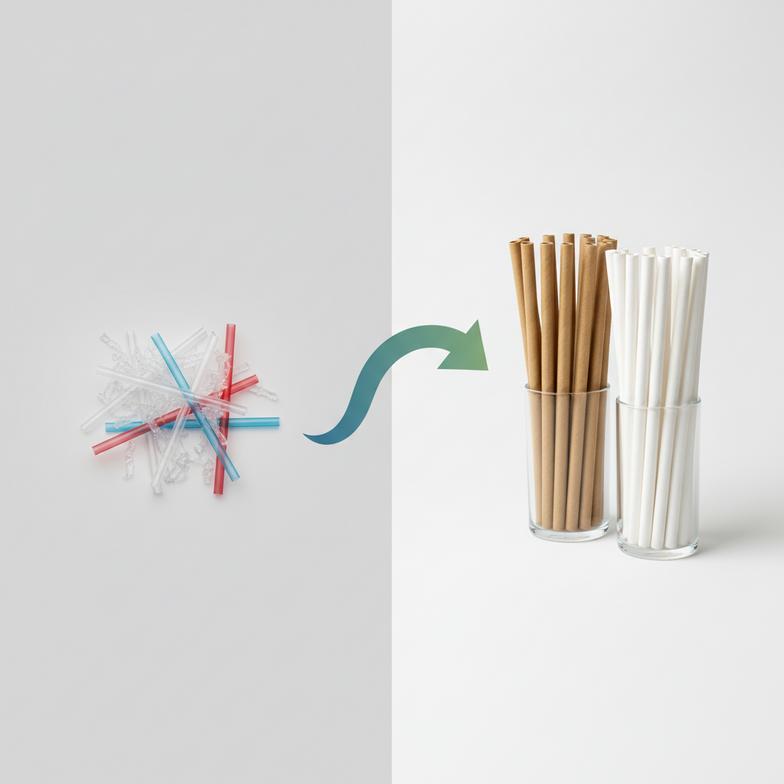
Avoiding disruption isn’t about finding some magical, perfect paper straw that behaves exactly like plastic. It’s about asking the right questions before you commit to a large order. Let’s walk through the process we’ve guided hundreds of businesses through, so you can make the switch with confidence.
Thinking you can just find a supplier, order ten cases of paper straws, and call it a day? This is the most common mistake we see, and it almost always leads to bigger headaches down the road. It feels like the easy path, but it ignores the real-world impact on your business.
A simple product swap overlooks critical changes to your inventory management, staff training, customer experience, and your budget. It’s a recipe for operational friction and negative reviews.

When we first started producing paper straws after years of trading them, we saw firsthand where businesses ran into trouble. They focused 100% on the price per straw and forgot about everything else. A successful transition is a process, not a purchase.
Switching products introduces small but significant changes to your daily workflow. If you don’t plan for them, they create friction for your team and your customers.
Instead of switching overnight, roll out the new straws in stages. This minimizes risk and lets you gather real-world feedback.
1. Internal Testing: Before anything else, have your team test the straws with every drink on your menu. 2. Limited Launch: Introduce the straws at just one location or during off-peak hours for a week. Actively ask for customer feedback. This is your chance to catch a major issue—like the straws being too narrow for your milkshakes—before it becomes a company-wide problem. 3. Full Rollout & Team Briefing: Once you’re confident, go for a full launch. Hold a brief meeting with your staff to share what you learned during the test phase and give them the key talking points for customers. 4. Monitor & Adjust: Keep an eye on reviews and talk to your staff. If you notice a specific drink is causing issues, you can work with your supplier to find a better-suited straw for that application.
You see the claims everywhere: "Lasts 3+ hours!" or "100% soggy-proof!" But you’re right to be skeptical. You’re imagining that promise failing in a customer’s acidic soda or iced latte, leading to a bad review. Marketing claims are a starting point, not a guarantee.
The only test that matters is one you conduct yourself in your real business environment. You must test samples with your specific beverages, at their actual serving temperatures, and for the typical time a customer would take to finish their drink.

A common question we get is, "How do I know your straws won’t get soggy?" My answer is always the same: "Don’t take my word for it. Let me send you samples so you can prove it to yourself." A confident manufacturer isn’t afraid of testing; we encourage it. Laboratory conditions—using room-temperature water—tell you very little. Real-world performance is everything.
When you get your samples, don’t just let them sit in a glass of water. Replicate your actual customer experience.
When you request samples, be specific. This helps you get the most out of your testing.
It’s tempting to search for the "best" paper straw on the market. But the "best" for a high-end cocktail bar is completely wrong for a high-volume fast-food chain. Chasing one perfect solution will leave you frustrated and over-budget.
The "right" straw is the one that best fits your specific business context and priorities. Before you even look at a catalog, you need to decide what matters most: is it rock-bottom cost, ultimate durability for thick milkshakes, or a premium look and feel?
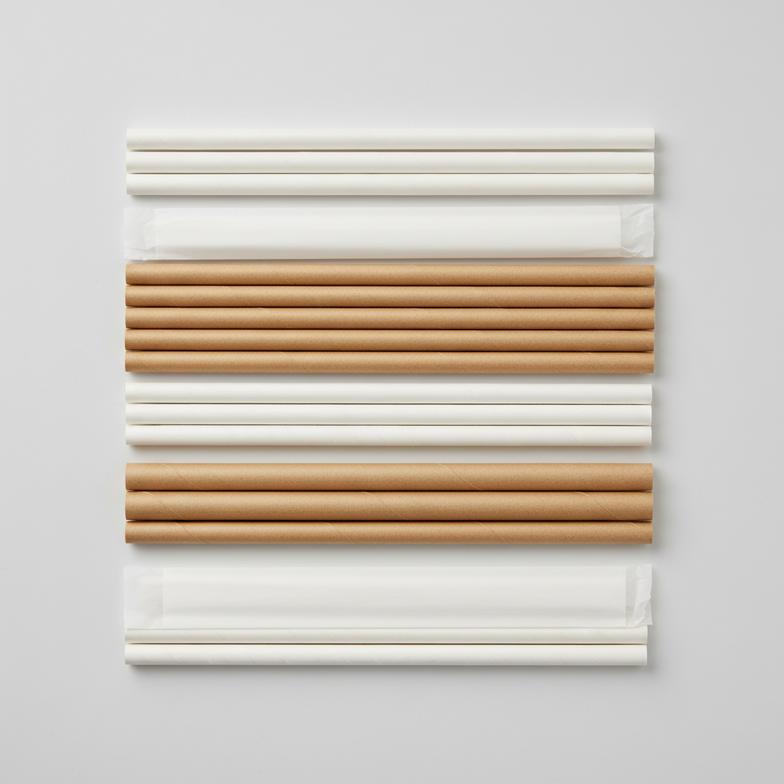
Many of our new buyers are concerned about finding a single straw that does everything. We always steer the conversation back to their primary use case. By defining your main need, you can quickly eliminate 90% of the options and focus on what will actually work for you. The goal is to find the most effective tool for the job.
Different business models have vastly different needs. A quick-service restaurant (QSR) might go through thousands of straws a day, so cost per unit is a major factor. A premium cafe, however, sells an experience, and a flimsy straw can ruin that image.
Here’s a simple breakdown we use to help clients narrow their search:
| Business Type | Primary Need(s) | Recommended Straw Type |
|---|---|---|
| Fast Food / QSR | Lowest Cost, Dispenser Fit | Standard 6mm diameter, 3-ply, unwrapped for dispensers |
| Fast Casual / Cafes | Durability in Iced Drinks, Good Feel | 7mm or 8mm diameter, 3-ply or 4-ply kraft paper |
| Smoothie / Bubble Tea | Wide Diameter, Strength, Sharp End | 10mm or 12mm diameter, 4-ply, bevel (sharp) cut |
| Cocktail Bar / Fine Dining | Aesthetics, Rigidity in Alcohol | 8mm diameter, custom colors/patterns, sturdy 4-ply |
Are you worried about sending a large payment overseas, only for the supplier to disappear or deliver a container of straws that fall apart in minutes? This fear is valid. The quality of your supplier is just as important as the quality of the straw itself.
A reliable supplier is a partner in your success. They should be transparent, provide verifiable documentation for their quality claims, and use their manufacturing expertise to guide you. Their goal should be to help you make a smart transition from plastic to paper straws, not just to make a quick sale.

Our company, RainbowBear, started as a trading company in 2012 before building our own factory. That experience taught us a critical lesson: there’s a huge difference between a vendor who just sells a product and a manufacturer who understands it. A true manufacturing partner can answer the tough questions and help you avoid common pitfalls.
Go beyond the product catalog and the price list. Ask these questions to find a partner you can trust for the long term.
Yes, the initial unit cost of a paper straw is higher than plastic. However, this should be weighed against the business risks of not switching, such as fines from plastic bans or losing customers to more eco-conscious competitors. Purchasing in bulk from a manufacturer can significantly bring down the cost per straw.
Store them in a cool, dry place away from direct sunlight and any potential moisture. Humidity is the enemy of paper straws. Proper storage in a dry stockroom is critical to ensuring they remain firm and durable until they are used.
"Ply" refers to the number of paper layers used to make the straw. A 4-ply straw has an extra layer of paper, making it more rigid, durable, and resistant to softening compared to a standard 3-ply straw. We recommend 4-ply for thicker drinks, alcoholic beverages, or for any business wanting to offer a more premium experience.
Yes, high-quality paper straws can be used with hot drinks like coffee and tea. However, the heat will cause them to soften faster than they would in a cold drink. It is essential to test samples in your hot beverages to confirm they meet your performance standards.
A smooth and successful transition from plastic to paper straws is not about luck; it’s about a methodical approach. By shifting your focus from simply buying a "product" to managing a "process," you can avoid nearly all of the common disruptions. Remember to test samples in your real-world environment, define what the "right" straw means for your specific business, and most importantly, choose a manufacturing partner who is as invested in your success as you are. This protects your operations, your budget, and your brand’s reputation.
At PaperStrawTech, we use our decade of experience as both a manufacturer and solution provider to guide you. If you’re ready to make the switch without the headaches, contact us for a consultation. Let’s work together to find the perfect, reliable paper straw solution for your business.