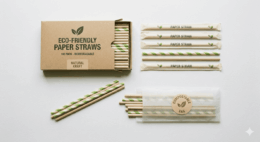
Choosing between wrapped vs unwrapped paper straws can feel like a small detail, but it’s a decision that impacts your budget, operations, and even your brand’s reputation. You want to control costs, but you can’t afford to compromise on hygiene or have customers complain about soggy, contaminated straws. The good news is that the best choice becomes clear once you stop asking "Which is cheaper?" and start asking "Which is right for my specific business?"
The decision between wrapped and unwrapped paper straws depends on your service environment. Individually wrapped straws are better for self-service areas where hygiene is a primary concern, as they protect each straw from contamination. Unwrapped straws are more cost-effective and create less waste in controlled environments, like behind a bar, where staff handle them directly.
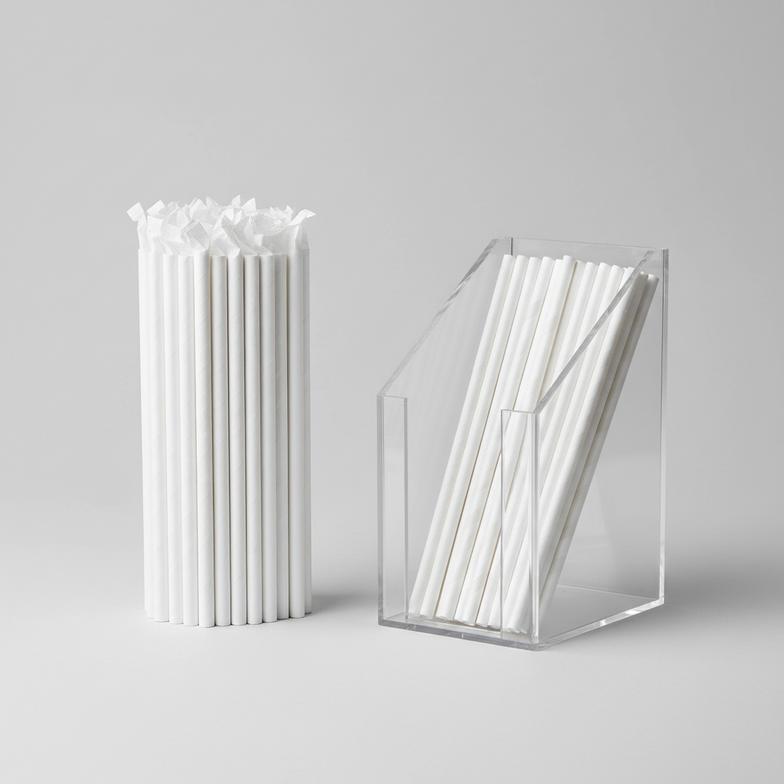
This choice isn’t just about a piece of paper—it’s a strategic decision that affects your daily operations, customer experience, and bottom line. Let’s dive deeper into the key factors you should consider to make the right call for your restaurant, cafe, or bar.
Worried about customers getting sick or complaining about dirty straws? The fear of contamination is real, especially in high-traffic foodservice settings. Choosing the wrong option can lead to hygiene risks or make your customers feel uneasy.
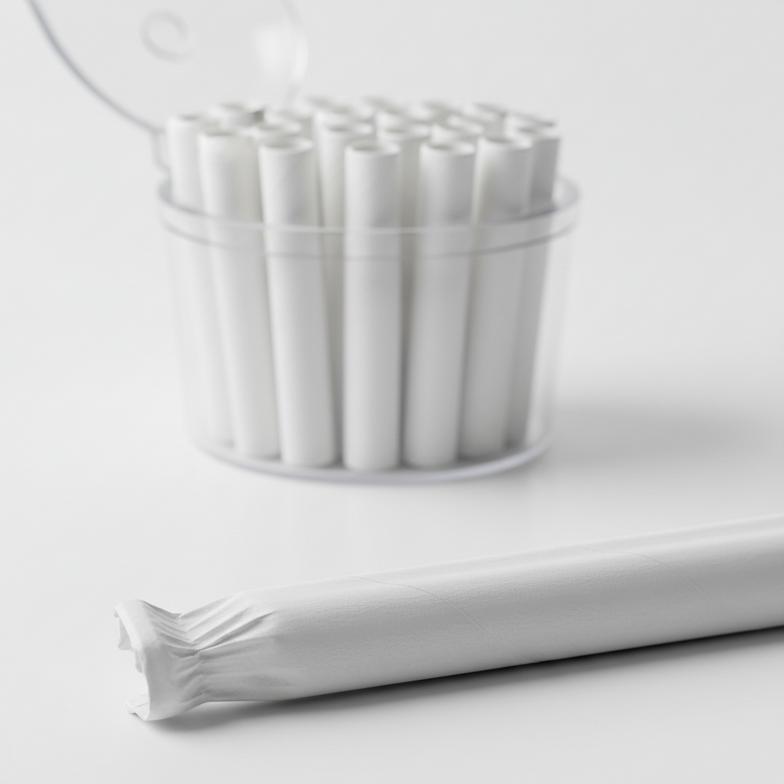
The primary function of a wrapper is to create a protective barrier. It shields the paper straw from dust, germs, and moisture from the moment it leaves our factory until it’s placed in a customer’s drink. This makes individually wrapped straws the superior choice for managing hygiene risks in uncontrolled environments.
When I talk to new buyers, they often think of "hygiene" as a simple yes-or-no question. But in foodservice, it’s about managing risk. The core question you need to ask is: "Who touches the straw before it reaches the customer’s drink?" The answer tells you everything you need to know.
Let’s trace the journey. At our factory, we manufacture and pack straws in a controlled environment. Unwrapped straws are bundled and sealed in bulk bags (typically 250-500 straws per bag). Wrapped straws are individually sealed before being packed.
The critical phase is what happens after you open that master bag at your business.
The risk level depends entirely on your service model.
| Service Model | Environment Type | Primary Straw Handler | Recommended Choice |
|---|---|---|---|
| Quick-Service Restaurant | Self-service drink station | Customer | Wrapped |
| Cafeteria / Food Court | Open-access counter | Customer | Wrapped |
| Full-Service Restaurant | Behind the bar / kitchen | Bartender / Server | Unwrapped (with good practices) |
| Coffee Shop | Barista station | Barista | Unwrapped (in a proper dispenser) |
| Takeout / Delivery | Pre-packed with order | Staff | Wrapped |
For any self-service station—think soda fountains, condiment bars, or waiting areas—wrapped straws are the only way to reasonably ensure hygiene. In these scenarios, dozens of different hands could touch the straws. The wrapper acts as a crucial sanitary barrier.
Conversely, if a bartender is the only person who touches the straw before it goes into a cocktail, unwrapped straws stored in a clean, behind-the-counter dispenser are perfectly hygienic and more efficient for your staff.
Every procurement manager is focused on the bottom line. You see that wrapped straws have a higher per-unit price and naturally lean toward the unwrapped option to save money. But this can be a classic case of false economy if it leads to higher operational costs through waste.
While unwrapped straws have a lower purchase price, they can cost you more in the long run if your environment causes high rates of spoilage. Dropped, touched, or contaminated unwrapped straws must be thrown away, and this "wastage cost" can quickly erase the initial savings over individually wrapped straws.
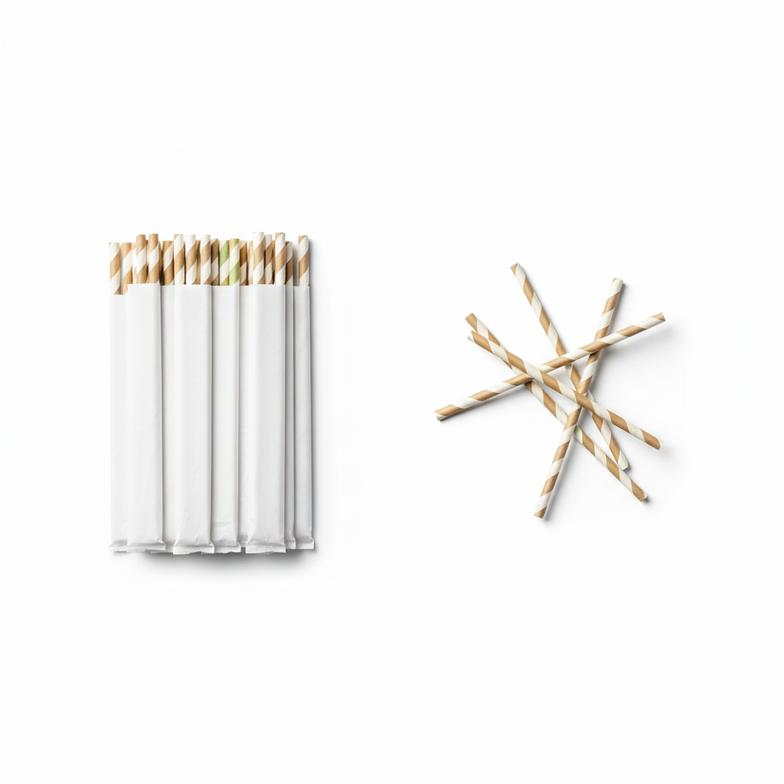
The price you pay your supplier is just one part of the equation. To understand the true financial impact, you must consider the Total Cost of Ownership (TCO).
For paper straws, the TCO formula looks something like this:
`TCO = (Unit Price x Total Units) + (Wastage Rate x Unit Price x Total Units)`
Let’s run a simple, real-world scenario. I once worked with a busy university cafeteria that was using unwrapped straws in open cups at their drink stations. They were trying to be cost-effective.
Let’s compare the costs for a case of 5,000 straws:
| Feature | Unwrapped Straws | Wrapped Straws |
|---|---|---|
| Unit Price (Example) | $0.015 | $0.018 |
| Case Price (5,000 units) | $75.00 | $90.00 |
| Wastage Rate | 20% | 2% (only dropped/damaged) |
| Wasted Units | 1,000 | 100 |
| Cost of Waste | $15.00 | $1.80 |
| Total Effective Cost | $90.00 | $91.80 |
In this scenario, the "cheaper" unwrapped straws ended up costing almost the same as the wrapped ones! And this calculation doesn’t even factor in the invisible costs: staff time spent cleaning up messes, negative customer perception of a messy station, and potential hygiene complaints.
Before you make a decision based on a price list, do a small-scale test. Observe your customers and staff. How many straws are dropped, fumbled, or discarded without use? Your wastage rate is the key to understanding the true cost difference between wrapped vs unwrapped paper straws in your specific environment.
You might think a straw wrapper is just trash, but you’re missing a key opportunity. In today’s competitive market, every customer touchpoint is a chance to build your brand. A plain, unwrapped straw is a missed opportunity.
Absolutely. A custom-printed wrapper turns a simple paper straw into a powerful marketing tool. It allows you to display your logo, share a message about your commitment to sustainability, or simply reinforce your brand’s colors and identity, enhancing the overall customer experience.
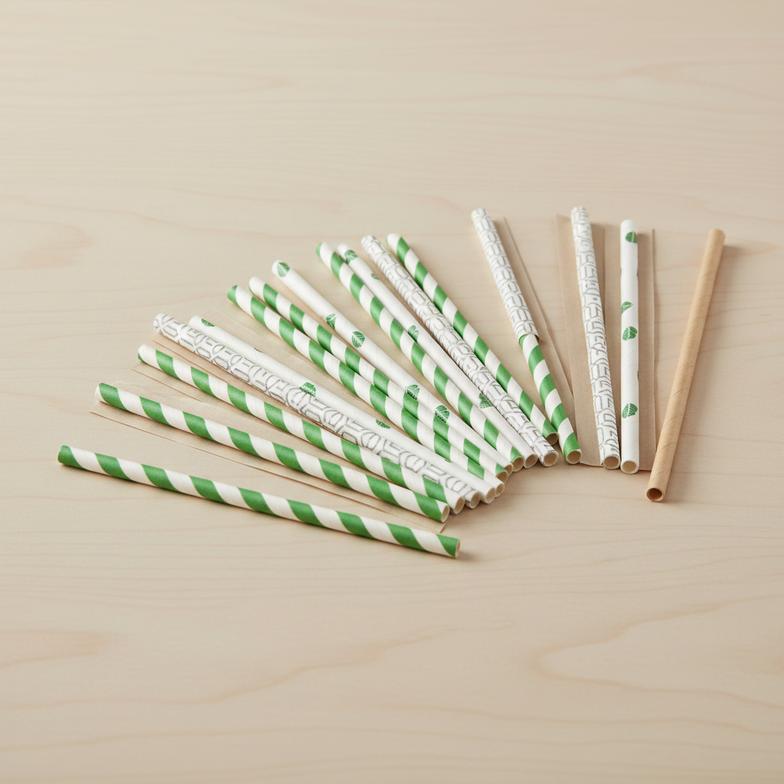
When you choose unwrapped straws, you are essentially outsourcing the responsibility for hygiene and presentation to your venue’s setup. When you choose wrapped straws, you take control of that narrative.
Think about the most successful brands—they are masters of consistency. From the sign on the door to the napkin on the table, everything aligns. A custom wrapper for your paper straw is a small but impactful detail.
I have a client, a boutique hotel chain, that orders straws with their elegant logo printed in gold on a black paper wrapper. It perfectly matches their upscale-yet-eco-conscious brand, and guests often comment on the small, luxurious detail. It transforms a simple utility item into part of the experience.
The wrapper is also prime real estate for messaging. Are you proud of your switch from plastic? Does your company support environmental causes? The wrapper can say it for you.
Consider printing messages like:
This small message, delivered right at the moment of use, reinforces your brand’s values. It tells your customer that you’ve thought through every detail of their experience, right down to the eco-friendly straw in their drink. This is a level of communication that the debate over wrapped vs unwrapped paper straws often overlooks, but it can provide significant brand lift.
Yes, individually wrapped paper straws typically have a higher per-unit cost than unwrapped straws due to the extra material (the paper wrapper) and the additional manufacturing step required to wrap each straw. However, you should evaluate the total cost, including potential waste from unwrapped straws being discarded.
It depends on the materials. At RainbowBear, our paper wrappers are made from the same biodegradable and compostable paper as the straws themselves. You should always verify with your supplier, but in most cases, the paper wrapper can be composted along with the paper straw.
This is a key quality indicator. A well-made paper straw should last for at least 3-4 hours in a cold beverage without becoming soggy or collapsing. As a manufacturer with our own production lines, we ensure our straws meet this durability standard to provide a positive user experience.
Yes, most manufacturers offering wrapped straws, including us, provide custom printing services. You can add your logo, brand colors, or a specific message to the wrapper. This is an excellent way to enhance brand identity and communicate your commitment to sustainability.
Unwrapped straws can be more susceptible to ambient moisture, especially in humid environments like a busy kitchen or bar area. If not stored in a sealed, dry container, they can absorb moisture from the air, which can slightly soften them before they are even used. Wrapped straws are protected from this.
Ultimately, the choice in the wrapped vs unwrapped paper straws debate is not about which product is "better" but which solution is best suited for your operational reality. The decision hinges on three key areas: hygiene risk in your service environment, the total cost of ownership including waste, and your desire to use the straw as a branding tool. A busy self-service restaurant will have vastly different needs than a high-end cocktail bar.
By analyzing your customer flow, calculating your potential for waste, and considering the branding opportunities, you can make an informed decision that balances cost, safety, and customer perception. The right choice will streamline your operations and reinforce your brand’s commitment to quality and care.
If you’re still weighing the options or want to explore custom-branded solutions, our team at PaperStrawTech is here to help. With our experience as both manufacturers and solution providers, we can guide you to the perfect straw and system for your business. Contact us today for a consultation or to request samples.