
Worried your paper straw investment will fail due to quality issues? The problem often starts long before the straw is ever formed, hiding in your production line.
A paper straw's lifecycle is a full manufacturing chain. It starts with raw paper slitting and rewinding, then moves to forming, drying, and packaging. Each step's quality directly impacts the final product's strength, consistency, and your overall profitability. The key is a well-integrated process.
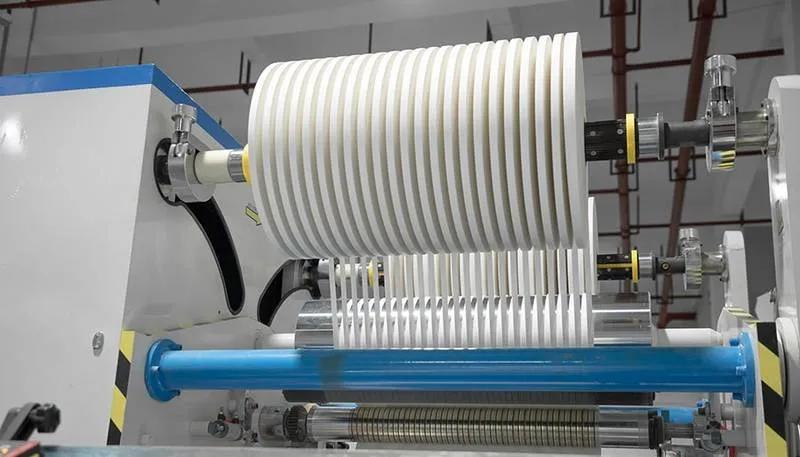
Many people think about a paper straw's life in three simple stages: it's made, it's used, and it's thrown away. But as someone who helps set up these production lines, I can tell you that's a dangerously incomplete picture. The real story is much more complex. Understanding this full journey is the difference between a successful factory and one that constantly struggles with waste and downtime. Let's look at where it really begins.
Are your finished straws weak or inconsistent? You might be blaming the forming machine or the glue, but the root cause is often hidden in your paper preparation process.
The lifecycle starts with the master paper roll. The precision of the slitting process, which cuts the large roll into narrow strips, is critical. Inaccurate widths or dusty edges from poor slitting lead directly to forming machine jams, weak seams, and high defect rates in the final straws.
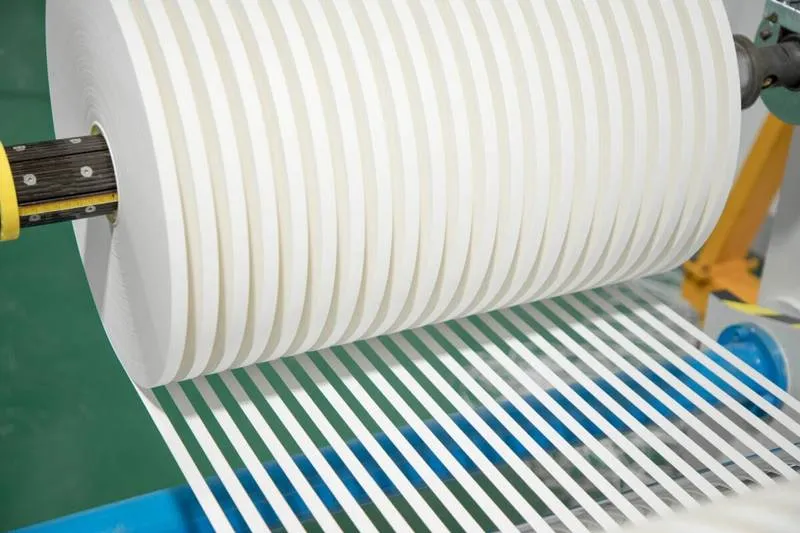
I've talked with many investors who focus all their attention on the paper straw forming machine. They ask about straws per minute and neglect the equipment that feeds it. This is a critical mistake. The entire process begins with a jumbo roll of paper. This roll must be cut into very narrow, precise strips. We call this process "slitting." The quality of this step determines everything that follows.
Imagine you need paper strips that are exactly 13.5mm wide for your straws. If your slitting machine is not accurate, you might get strips that are 13.7mm or 13.3mm. This tiny difference causes huge problems. The forming machine is calibrated for one size. The wrong size can cause jams, stopping production. It can also create straws with weak, poorly sealed seams because the layers don't overlap correctly. A slit edge that is rough or dusty can also prevent the glue from making a strong bond, leading to straws that unravel.
After slitting, the narrow strips are rewound onto smaller bobbins. The tension of this rewinding is just as important. If the tension is too loose, the bobbins can deform during transport to the forming machine. If it's too tight, it can stretch the paper, affecting its internal structure and strength. A well-rewound bobbin with consistent tension feeds smoothly into the forming machine, ensuring continuous and stable production. In my experience, poorly prepared bobbins are a primary cause of factory downtime.
Seeing issues like soft straws or inconsistent sizes? These aren't isolated incidents. They are symptoms of a problem somewhere in your end-to-end production chain.
Quality is built or broken at each manufacturing stage. From paper slitting accuracy to glue viscosity control, drying temperature, and final packaging, every step is linked. A failure in one area will show up as a defect in the finished straw. Tracing problems requires a full process review.
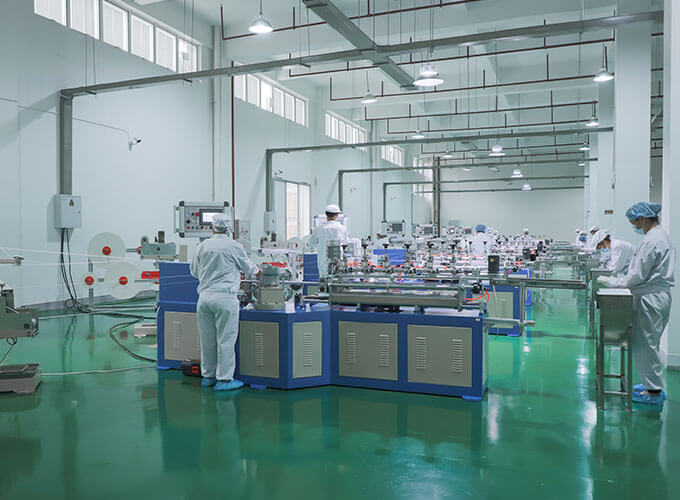
In my experience, production managers often get stuck in a loop of blaming one single thing, like the paper or the glue. But a quality problem is rarely that simple. It's more helpful to think of the entire production line as a chain. A weak link anywhere affects the final product. For example, a customer might complain that your straws get soft too quickly in a drink. The forming machine operator might blame the paper. But the real cause could be something else entirely. It could be that the rewinding tension was too high, which damaged the paper's internal fibers. Or maybe the drying tunnel's temperature was too low, so the glue didn't cure properly, allowing moisture to get in.
To truly solve quality issues, you need to look at the whole system. Here’s a simple way to connect common problems to potential causes across the line:
| Final Straw Defect | Paper Slitting & Rewinding | Straw Forming | Drying & Curing |
|---|---|---|---|
| Gets soft too fast | Paper tension was too high, damaging fibers. | Incorrect glue-to-paper ratio. | Temperature too low; glue not fully cured. |
| Unravels at the seam | Dusty or rough slit edges from dull blades. | Wrong winding angle or pressure. | Insufficient drying time for the glue. |
| Inconsistent diameter | Inconsistent slitting width (e.g., ±0.2mm). | Worn-out forming mandrels. | N/A |
| Production jams | Poorly wound bobbins; uneven edges. | Misaligned paper strips. | N/A |
This shows how a single problem can have multiple origins. Effective troubleshooting means examining every step of the process instead of just focusing on where the defect becomes visible.
Is buying the fastest forming machine the key to success? Many investors think so, only to face low overall output due to bottlenecks and constant stops elsewhere.
A successful line isn't about having the fastest single machine. It's about 'line balancing.' This means the slitter, forming machines, dryers, and packaging equipment all work together at a compatible speed. A balanced line maximizes throughput, minimizes idle time, and delivers a better return on investment.
I often see new factory owners make a common mistake. They invest heavily in a high-speed paper straw forming machine that can produce, say, 400 straws per minute. But they connect it to a paper slitter that can only supply enough material for 200 straws per minute. Or, they have a packaging machine that can only handle 150 straws per minute. What happens? The expensive forming machine sits idle half the time, waiting for materials or for finished straws to be cleared. This is a classic example of an unbalanced production line. You paid for high capacity, but you are not getting it.
True production efficiency comes from matching the capacity of each stage.
A successful project is not defined by the peak speed of one machine. It is defined by the stable, continuous output of the entire line. Thinking about the total system from day one prevents costly bottlenecks and ensures your investment actually generates the profit you expect.
Want to promote your paper straws as eco-friendly? The story isn't just about biodegradability. Your factory's own efficiency plays a huge role in the final environmental impact.
An efficient production line reduces a straw's environmental footprint. Precise slitting minimizes paper waste. Modern machines use less energy. Fewer defects mean less material is thrown away before it even becomes a product. A sustainable choice includes a sustainable manufacturing process.
The conversation around paper straws is usually about reducing plastic waste, which is a valid goal. However, we can't ignore the environmental impact of the manufacturing process itself. A poorly run factory can be wasteful. Think about it: every time a machine jams because of a badly slit paper roll, you create scrap paper. Every time a batch of straws is rejected for being soft or unraveled, all that paper, glue, and energy is wasted. This is where production efficiency and sustainability meet.
So, while the end-of-life of a paper straw is important, its environmental story also includes how efficiently and cleanly it was made.
A paper straw's lifecycle is a story of manufacturing precision. Success depends on seeing it not as a product, but as a fully integrated process from start to finish.