Struggling to decide between materials in the hemp filter tips vs glass filter tips debate? You’re not alone. The conflicting information on cost, branding impact, and user experience can make this a high-stakes procurement decision, where a wrong move can hurt your margins and confuse your customers. This guide cuts through the noise, breaking down the choice from a supplier’s perspective to help you select the perfect tip for your business goals.
The best choice in the hemp filter tips vs glass filter tips comparison depends entirely on your business model and brand strategy. Hemp filter tips are low-cost, disposable consumables perfectly suited for high-volume pre-roll manufacturing and brands with a natural, convenient identity. Glass filter tips are premium, reusable accessories that build a connoisseur brand image and function as a higher-margin, standalone product.
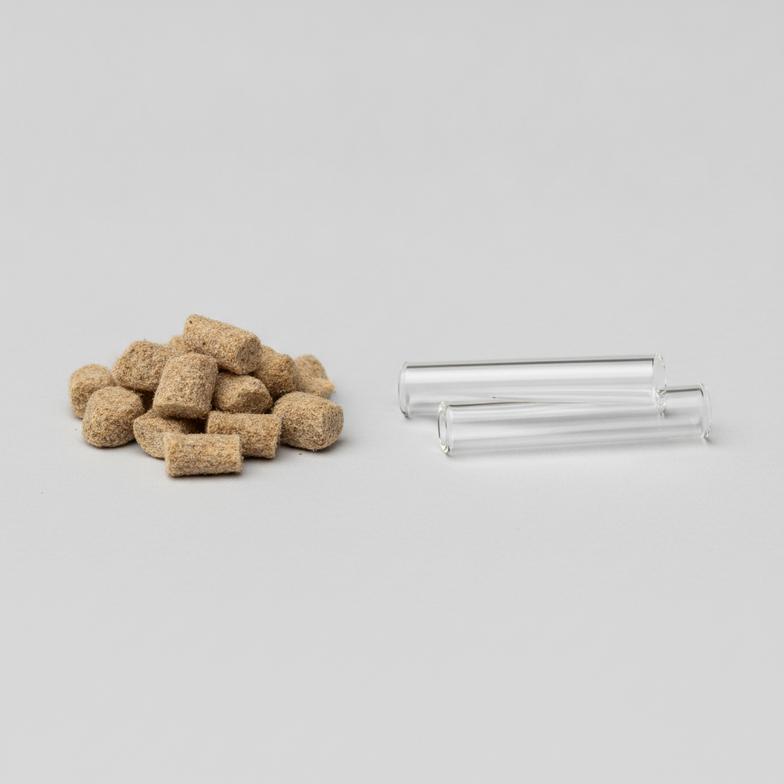
Now that you have the direct answer, the real work begins. Choosing correctly isn’t about which material is “better” in a vacuum; it’s about understanding the deep-seated differences in cost structure, brand messaging, and supply chain management. Let’s explore these critical factors so you can make a confident, strategic decision.
Are you worried that picking the wrong filter tip will quietly eat away at your profit margins? Many buyers focus only on the per-unit price, but that’s a trap. The true cost is tied to your business model, and a miscalculation here can be a costly mistake.
From a procurement perspective, hemp tips are significantly cheaper per unit, making them the clear choice for inclusion in disposable products like pre-rolls. Glass filter tips have a much higher unit cost but are sold as a reusable accessory, creating a completely different revenue and margin structure.
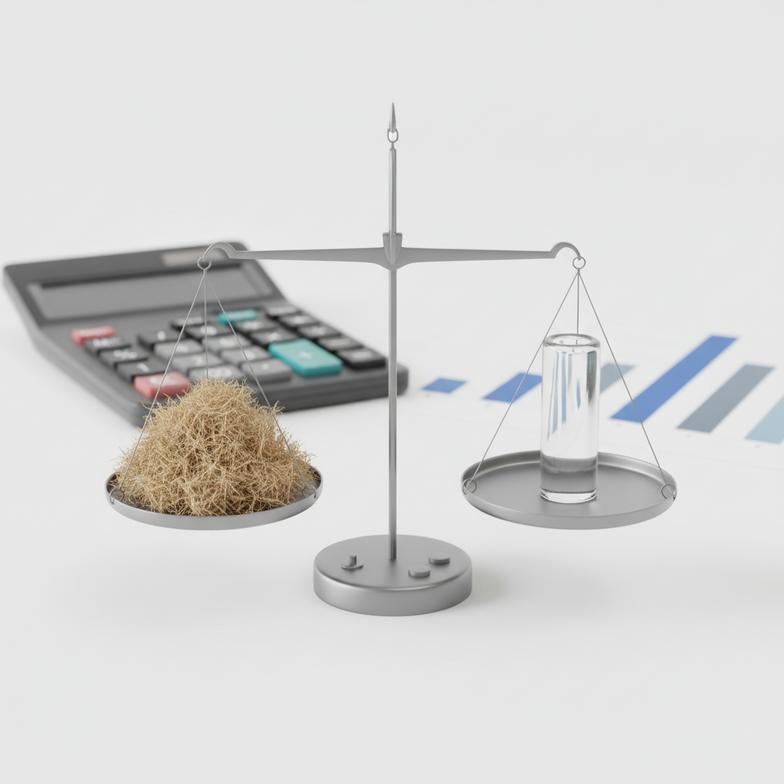
When buyers ask me for the “cheapest” option, I always guide them to reframe the question. Instead of asking “What is the cost per tip?” they should be asking, “What is the cost model for my brand?” This shift in thinking reveals the fundamental difference between hemp and glass.
Hemp filter tips are a consumable. Their value lies in being a low-cost, high-volume component. Think of it like the paper straws we manufacture; the cost per unit must be minimal because it’s part of a product that a customer uses once and discards. For a pre-roll brand, the cost of a hemp tip (often between $0.01 and $0.05[1]) is a direct input into your Cost of Goods Sold (COGS). Your profit comes from selling a massive volume of finished pre-rolls.
Glass filter tips are a durable good. They are not a component; they are the product itself. A single glass tip might cost you $0.50 to $2.00 to source[2], but you can retail it for $5 to $15 or more[3]. The customer buys it once and reuses it many times. Your profit comes from the high margin on a single accessory sale, not from volume. Trying to compete on “price per tip” is comparing apples to oranges.
The right choice becomes obvious when you map each tip to its corresponding business model. What we see brands struggle with is trying to force one type of tip into the wrong model. For instance, trying to create a “luxury” pre-roll by including a cheap glass tip often fails because the perceived value doesn’t match the reusable nature of the item, and it inflates the COGS unnecessarily.
Here is a breakdown of how the cost and supply models differ:
| Factor | Hemp Filter Tips | Glass Filter Tips |
|---|---|---|
| Business Model | Consumable (for pre-rolls) | Accessory (standalone product) |
| Per-Unit Cost | Low ($0.01 – $0.05) | High ($0.50 – $2.00+) |
| Customer Purchase | Recurring (with each pre-roll pack) | One-time or infrequent |
| Margin Strategy | Built on high volume of finished goods | Built on high markup per accessory |
| Supply Chain Focus | Cost efficiency & high-volume logistics | Premium quality control & branding |
| Ideal Use Case | Mass-market pre-rolls, convenience-focused brands | Premium accessory lines, connoisseur gift sets |
Ultimately, hemp filter tips are for brands whose business model is based on selling high volumes of a disposable product. Glass filter tips are for brands whose business model includes selling high-margin, reusable accessories.
Your filter tip is more than a functional component; it’s a critical touchpoint that sends a powerful message to your customers. Are you using it to reinforce your brand’s core identity, or are you accidentally creating confusion and diluting your message?
Your material choice directly shapes your brand’s perception in the market. Hemp filter tips align perfectly with a natural, convenient, and eco-conscious brand image[4] that resonates with a broad, mass-market audience. In contrast, glass filter tips project a premium, sophisticated, and sustainable-through-reusability identity for high-end, connoisseur-focused brands.
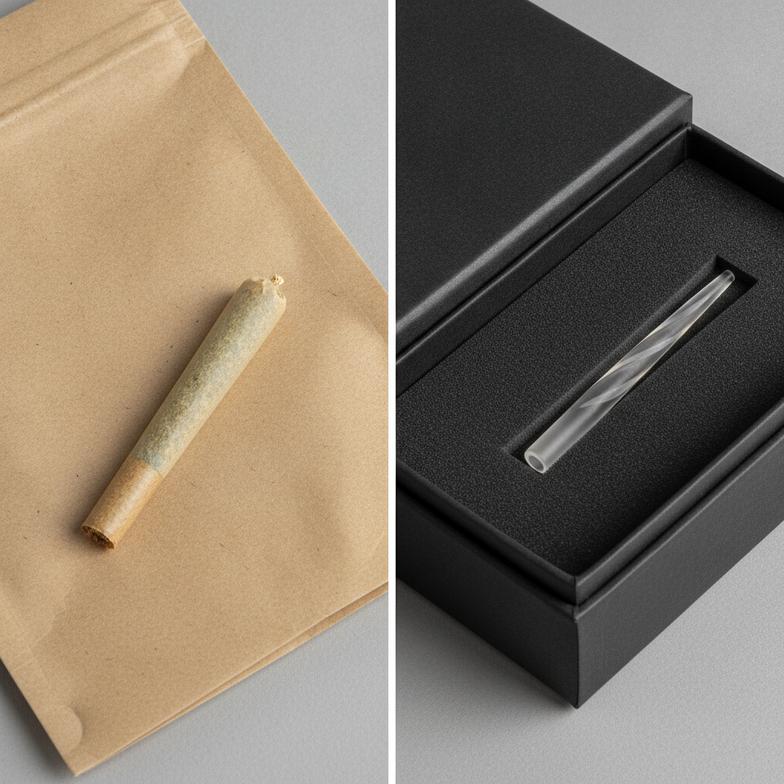
I’ve seen companies invest heavily in beautiful, eco-friendly packaging only to undermine it with a component choice that feels out of place. The filter tip is one of the last things your customer interacts with, making its impression a lasting one. It must be congruent with the story you’re telling.
A hemp filter tip says “natural.” It’s made from plant fiber, feels organic, and fits seamlessly with brands that emphasize sustainable farming, unbleached papers, and an earthy aesthetic. It also communicates convenience. For pre-roll consumers, the beauty is in its disposability—a fresh, clean filter every single time, with no cleaning required.
This makes hemp the undisputed champion for:
Your branding message becomes: “We offer a pure, natural experience that is both high-quality and effortlessly convenient.”
A glass filter tip says “premium.” It has weight, it cools the smoke[7], and its reusable nature turns it into a personal ritual item. This transforms the act of smoking from a disposable convenience into a refined experience. It’s an accessory, not a component.
Glass is the ideal choice for:
Here, the branding message shifts to: “We provide an elevated, superior experience for those who appreciate the finer details. Our products are an investment in your ritual.”
Choosing a supplier can feel like a gamble. Partner with the wrong hemp tip manufacturer, and a stockout could halt your entire pre-roll production line. Pick a subpar glass tip supplier, and you risk shipping defective products that shatter customer trust and your brand’s reputation.
The supply chain requirements for these two products are fundamentally different. Sourcing bulk hemp filter tips demands a partnership with a high-volume, highly reliable manufacturer to ensure an uninterrupted flow of a core consumable. Sourcing bulk glass filter tips requires a supplier with impeccable quality control for durability and safety, though with lower order frequency.

From my experience managing production lines for paper straws, I can tell you that sourcing a high-volume disposable item is a game of logistics, consistency, and reliability. Sourcing a premium, durable item is a game of precision, quality assurance, and supplier communication.
When you’re producing thousands or millions of pre-rolls, your hemp tip supplier is as critical as your paper or flower provider. A delay or a bad batch doesn’t just cause a headache; it can shut down your operations.
Key considerations for sourcing bulk hemp tips:
Your supplier is not just a vendor; they are a manufacturing partner.
With glass tips, your order volume will be much lower, but the stakes for quality are much higher. A single defective glass tip can create a very negative and public customer experience. One crack or chip can render the product unsafe or unusable.
Key considerations for sourcing bulk glass tips:
Your supplier here is a craftsperson, and you are paying for their precision and commitment to quality.
Yes, when sourced from a reputable manufacturer. High-quality glass tips are made from durable borosilicate glass, which is resistant to heat and thermal shock. The key is ensuring your supplier has a rigorous quality control process to eliminate any items with micro-fractures, chips, or sharp edges before they reach you.
It’s complicated. Hemp is a renewable, fast-growing crop, and the tips are biodegradable[10], which is a huge plus for a disposable item. However, glass tips are reusable hundreds or thousands of times[11], which follows the “reduce and reuse” model of sustainability. The “better” choice depends on whether your brand’s eco-philosophy prioritizes biodegradability or reusability.
Yes, but the methods and impact differ. Glass tips can be customized with logos or brand names etched or printed directly onto the glass, turning the tip itself into a branded artifact. For hemp tips, branding is typically applied to the packaging or to a crutch paper wrapped around the tip, not the hemp fiber itself.
Hemp filter tips are specifically designed for use in high-volume, automated pre-roll manufacturing equipment[12]. Their consistency in size, shape, and density is crucial for preventing machine jams and ensuring a uniform final product. Glass tips are not used inside machine-made pre-rolls; they are a separate, reusable accessory for hand-rolling or packing cones.
The debate over hemp filter tips vs glass filter tips is not a matter of finding a universal winner. The right answer is a strategic one, rooted in your specific business objectives. Your choice is a direct reflection of your brand’s identity and operational model. Choose hemp tips if your business is built on volume, convenience, and a natural, mass-market appeal. Choose glass tips if you are cultivating a premium, connoisseur brand and selling high-margin, reusable accessories. By aligning your filter tip with your cost structure, brand story, and supply chain needs, you move beyond a simple material choice and make a powerful business decision.
Making the right supply chain decisions is critical, whether you’re sourcing filter tips or looking for a reliable partner for other disposable products like paper straws. At PaperStrawTech, we specialize in building robust, high-volume manufacturing solutions for global brands. Contact us to learn how our one-stop approach can strengthen your supply chain and help you scale with confidence.