
Choosing between paper and plastic breathalyzer mouthpieces feels complicated. Making the wrong choice can create hygiene risks and budget problems[1]. This guide will help you compare them effectively.
Buyers should compare paper and plastic mouthpieces on four key factors: hygiene requirements for the specific test environment, the total cost of ownership beyond just unit price, non-negotiable compliance and legal standards, and the operational reliability needed to ensure accurate and consistent test results.
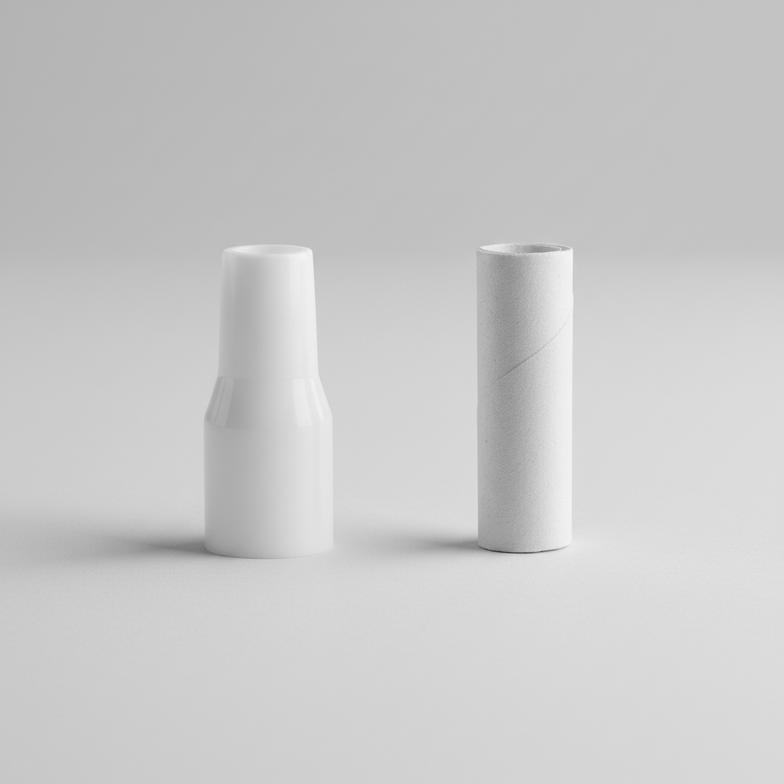
The decision between paper and plastic isn’t about finding a single "best" material. It’s a risk-based choice. You need to weigh the factors that matter most for your specific operation, whether it’s for law enforcement, workplace safety, or clinical use. To make an informed purchase, you must look beyond the surface and analyze how each material performs in your world. Let’s break down the critical comparison points to help you select the right mouthpiece for your needs.
You might assume plastic is automatically more hygienic. But poorly sourced plastic can carry its own risks, and properly managed paper can be perfectly safe. Here’s how to evaluate hygiene properly.
Plastic’s non-porous surface provides a higher barrier against cross-contamination[2], which is critical for legal or medical testing. However, individually wrapped, food-grade paper from a certified supplier[3] can be perfectly hygienic for high-volume, low-risk screening. The entire handling and storage process is what truly matters.
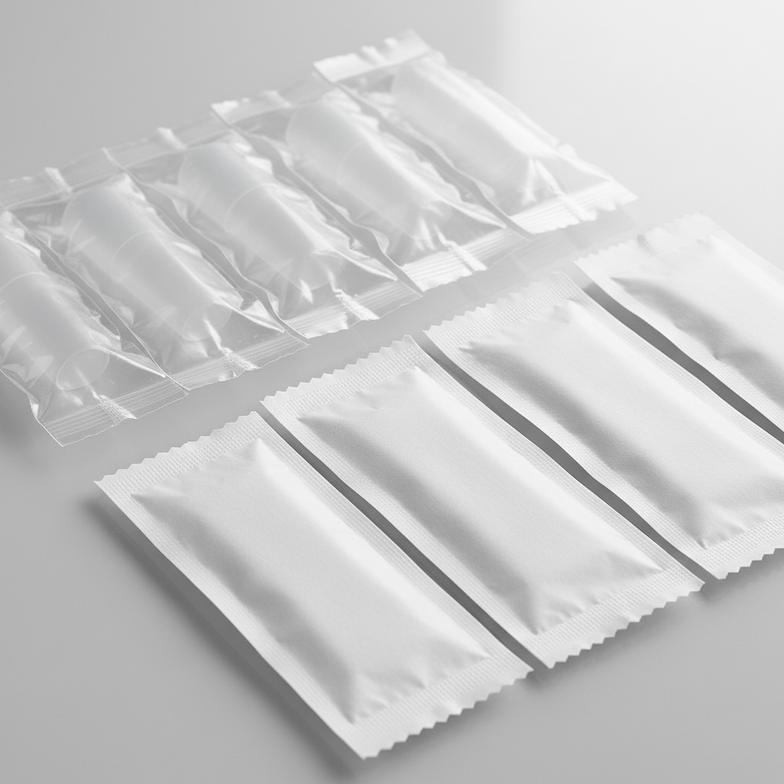
In my experience talking with buyers, the hygiene conversation is all about context. The right choice depends entirely on who you are testing and what the consequences of a failed test are. A non-porous material like plastic is often seen as the gold standard[4] because it’s less likely to absorb moisture or contaminants. This is why it’s a common requirement in settings where test results could be used as legal evidence.
For law enforcement or clinical settings, the chain of custody and evidence integrity[5] are paramount. A plastic mouthpiece, sealed in its own wrapper, offers the highest level of assurance. For general workplace screening or a bar’s voluntary self-test station, the requirements can be different. Here, an individually wrapped paper mouthpiece can provide sufficient hygiene, as long as it is stored correctly and handled properly by the operator.
The material itself is only half the story. A high-quality plastic mouthpiece stored in a dusty, open bin is less hygienic than a food-grade paper one that remains in a sealed wrapper until the moment of use. Moisture is another factor. Paper is absorbent, so it must be stored in a dry environment to prevent mold or degradation[6], which would compromise its integrity.
| Hygiene Factor | Plastic Mouthpiece | Paper Mouthpiece |
|---|---|---|
| Material Property | Non-porous, resists moisture | Porous, can absorb moisture |
| Best Use Case | Legal, clinical, high-stakes | Low-risk, high-volume screening |
| Key Weakness | Risk of contamination if not virgin material | Can degrade in humid storage |
| Handling Need | Must be individually wrapped | Must be individually wrapped and kept dry |
Paper mouthpieces often have a lower price per unit, which looks great on an invoice. But what about the cost of re-tests from soggy tips or wasted stock? Let’s calculate the true cost.
Paper’s low unit price is appealing, but you must add hidden operational costs. These include re-tests from sogginess, wasted units from poor storage, and the extra operator effort needed. Plastic’s higher initial cost is often offset by its reliability, leading to a lower total cost[7].

Procurement managers I work with are always focused on budget. The initial quote for paper mouthpieces almost always looks better. But experienced operations managers know that the unit price is just the beginning of the story. The total cost of ownership (TCO)[8] is a much more accurate way to measure the financial impact of your choice. I always encourage buyers to think about the entire testing process, not just the single component.
A mouthpiece that fails during a test isn’t just one wasted unit. It costs you a second mouthpiece, and more importantly, it costs operator time. If a paper mouthpiece becomes soggy[9] from humidity or a user’s breath before the test is complete, you have to start over. This doubles the cost for that test and causes delays. Plastic is far more resistant to moisture and user error, which means a much lower failure rate.
Paper requires more careful handling and storage. If a box is left in a humid stockroom, you could lose a significant portion of your inventory to spoilage. This waste has to be factored into the total cost. Plastic is more resilient and forgiving of imperfect storage conditions, reducing the risk of spoilage-related losses.
| Total Cost Factor | Plastic Mouthpiece | Paper Mouthpiece |
|---|---|---|
| Unit Price | Higher | Lower |
| Failure Rate (Re-Tests) | Very Low | Moderate (risk of sogginess) |
| Spoilage Risk | Low (resilient material) | Higher (sensitive to humidity) |
| Operator Effort | Minimal | Requires careful handling |
| Overall TCO | Often lower in professional settings | Can be higher than expected |
You’ve compared hygiene and cost. But if the product doesn’t meet your industry’s legal standards or your internal rules, it’s the wrong choice, no matter the price. Here are the critical questions to ask.
Your decision is often made for you by regulations, not personal preference. For example, law enforcement may be legally required to use sealed plastic for evidence[10]. First, verify your own requirements. Then, ask suppliers for material grade, certifications, and proof of wrapping integrity.

This is the most important step, and it’s where I spend a lot of time guiding new buyers. Before you even request a quote, you need to know what your non-negotiables are. The best mouthpiece in the world is useless if it doesn’t meet the standards required for your specific application. Compliance overrides everything else.
Your first call should not be to a supplier. It should be to your legal or compliance department. Do your internal Standard Operating Procedures (SOPs) specify a material? If you operate in a regulated industry like transportation or law enforcement, are there laws that dictate the type of device and accessory you must use? For many police departments, the answer is yes, and it often specifies a single-use, individually sealed, non-porous (plastic) mouthpiece[11] to maintain the chain of custody.
Once you know your requirements, you can vet suppliers. Your job as a buyer is to ask the right questions to ensure you get what you pay for. Don’t just ask for "plastic" or "paper" mouthpieces. Get specific. This is how you protect your organization from risk.
| Material | Key Questions for Your Supplier |
|---|---|
| Plastic | 1. What grade of plastic is it (e.g., PP, PE)?<br>2. Is it 100% virgin material?[12]<br>3. Can you provide a certificate of conformity?<br>4. Is it certified for medical or food contact if required? |
| Paper | 1. Is the paper certified as food-grade?<br>2. What type of glue is used in its construction?<br>3. Can you provide an MSDS for the glue and ink?<br>4. How is the individual wrapper sealed to ensure hygiene? |
Asking these questions helps you move from being a simple price-shopper to an informed buyer making a strategic, risk-managed decision.
The best breathalyzer mouthpiece is not simply paper or plastic. It’s the one that matches your specific hygiene, budget, and compliance needs, sourced from a supplier you can trust.