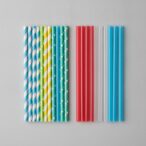
Struggling to find an eco-friendly straw that won’t turn into a mushy mess in your customers’ hot coffee? You’re not alone. The fear of customer complaints and negative reviews over a soggy, disintegrating straw is a major headache for any food service business. The solution isn’t giving up on sustainability, but learning how to select the right paper straws for hot drinks that are built to last.
Yes, high-quality paper straws can absolutely be used for hot drinks, but only if they are specifically engineered for that purpose. Their performance depends on using heavier paper (high GSM), more layers (4-ply is better than 3-ply), and a specialized, heat-resistant food-grade glue. Standard paper straws, designed for cold drinks, will fail quickly in hot liquids.
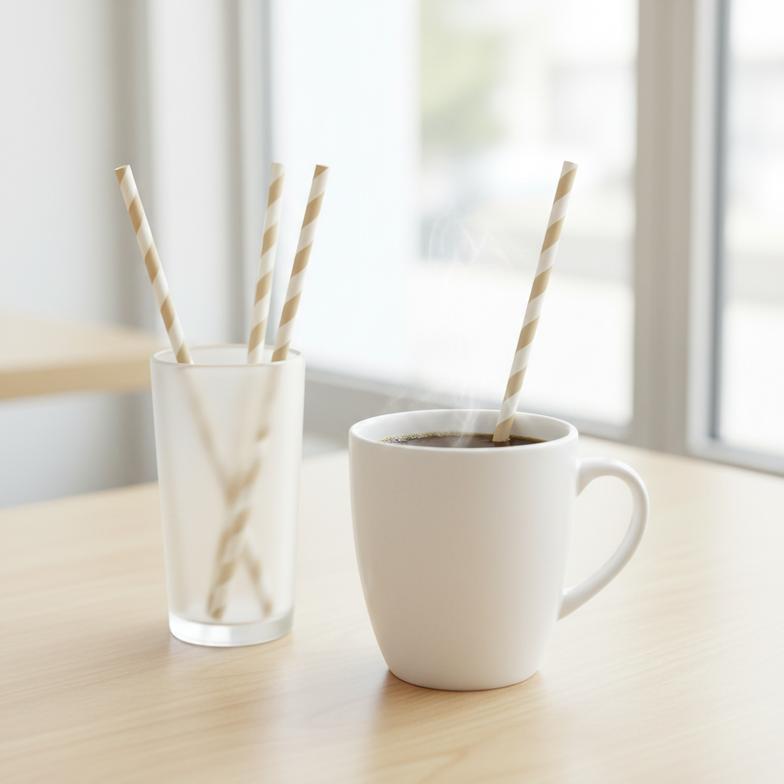
So, what’s the real difference between a straw that stands up to a hot latte and one that disappoints? It all comes down to the manufacturing specifications. Let’s break down exactly what you, as a professional buyer, need to look for.
You’ve probably seen a paper straw wilt in an iced tea, so it’s natural to be skeptical about using one for a fresh, hot Americano. The fear of handing a customer a product that fails in minutes is real and can feel like a direct reflection on your brand.
The secret to a straw’s heat resistance isn’t magic; it’s a combination of three key manufacturing variables: the weight of the paper (GSM), the number of layers it’s constructed with (ply), and the type of adhesive used to bind it all together.
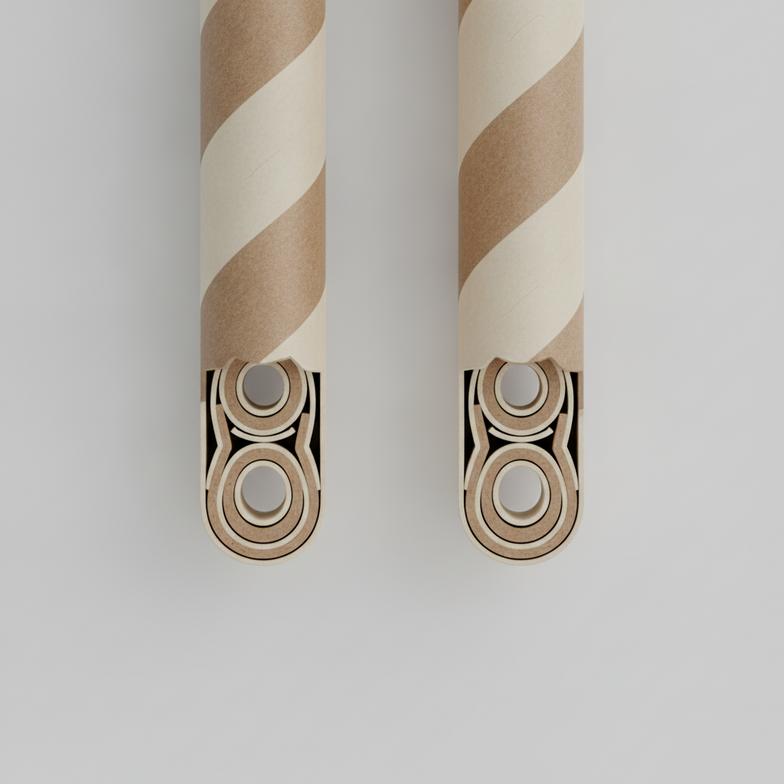
Dive deeper into any paper product specification, and you’ll run into the term GSM, which stands for "Grams per Square Meter[1]." In simple terms, it’s a measure of paper density and weight. A higher GSM means the paper is thicker, heavier, and more robust. This is the first detail you should ask a supplier about.
For standard cold drinks, many straws use a combination like 60 GSM paper for the outer layers and a thicker 120 GSM paper for the inner layer that has the most contact with the liquid. This works fine for a cold soda.
However, hot liquids accelerate moisture absorption dramatically[2]. For paper straws for hot drinks, you need a much stronger foundation. We’ve found through our own internal QC tests that using 120 GSM paper for all layers is the baseline for good performance. This creates a much more rigid and less porous straw wall that resists getting soft and waterlogged, ensuring it holds its shape through a typical 30-minute coffee break and beyond.
The next critical factor is the number of paper layers wound together to form the straw. You’ll typically see 3-ply or 4-ply options.
From my experience on the factory floor, I always recommend 4-ply construction for any beverage served above 60°C (140°F)[3]. While it costs slightly more, the investment pays for itself by eliminating customer complaints. It’s a small price to pay for the peace of mind that comes from knowing your straws won’t fail.
This might be the most overlooked, yet most critical, component. The paper itself can be strong, but if the glue holding it together softens with heat, the straw will quickly unravel and fall apart.
A common concern we hear from cafe owners is a "papery" or chemical taste in their hot drinks. This often comes from low-quality adhesive reacting with the heat, not the paper itself[4]. Standard glues are simply not formulated to withstand high temperatures.
For hot-drink applications, straws must be made with a specialized, heat-resistant, water-based adhesive. Critically, this glue must also be certified food-grade and completely odorless[5]. When procuring straws, always ask your supplier to provide documentation for the glue they use. This is a non-negotiable part of your due diligence to ensure both performance and safety.
You can’t just take a supplier’s word for it. Ordering tens of thousands of straws only to discover they collapse in your signature hot chocolate is a costly mistake. How do you avoid this procurement nightmare?
The most reliable method is to get your hands on samples and conduct a simple, real-world test in your own environment. You need to submerge the straw in your actual hot beverage, served at your standard temperature, and time its performance for sogginess, structural integrity, taste, and odor.
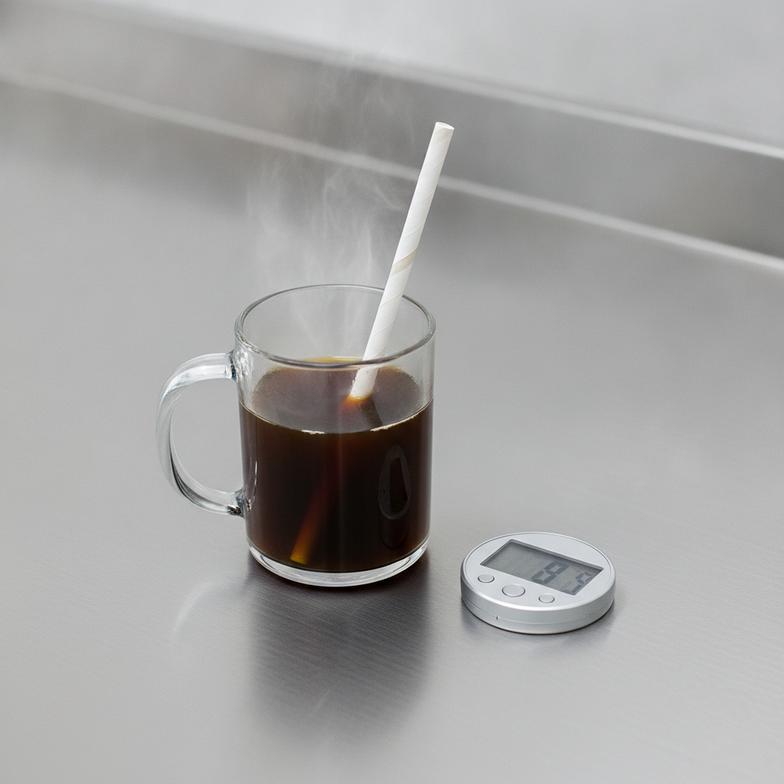
You don’t need a fancy lab to get the data you need. Follow these simple steps to make an informed purchasing decision:
1. Request Samples: Ask your potential supplier for samples of their specific "hot drink-rated" paper straws. If they don’t have a specific model, that’s your first red flag. 2. Prepare Your Beverage: Use one of your most popular hot drinks—coffee, tea, or hot cocoa work well. Most importantly, measure the temperature to ensure it’s at your typical serving heat (e.g., 80°C / 176°F). 3. Set a Timer: Place the straw in the cup and start a stopwatch. 4. Check at Intervals: Check the straw’s condition at key milestones: 5 minutes, 15 minutes, 30 minutes, and 60 minutes. Is it getting soft? Is the seam starting to unravel? Can it still be used effectively? A quality straw should remain firm for well over an hour[6]. 5. The Taste & Smell Test: This is crucial. At each interval, take a sip from the drink. Do you detect any foreign taste of paper or chemicals? Is there any off-putting smell? A premium coffee deserves a neutral straw. 6. The Bite & Feel Test: Many customers chew or fiddle with their straws. Give the straw a gentle pinch or bite. Does it feel unpleasantly mushy? The "mouthfeel" is a big part of the user experience.
Armed with your test results, you can have a more productive conversation with suppliers. Here is a checklist of questions you should ask:
Here is a quick reference table to help you compare your options:
| Feature | Standard Paper Straw | Quality Hot Drink Paper Straw |
|---|---|---|
| Paper GSM | 60-100 GSM | 120+ GSM |
| Layers (Ply) | Usually 3-ply | 3-ply or (better) 4-ply |
| Glue Type | Standard water-based | Heat-resistant, food-grade |
| Performance | Softens in <15 mins in heat | Stays firm for 1-3+ hours |
| Odor/Taste | Can impart taste/smell | Odorless and tasteless |
| Best For | Cold drinks, smoothies | Coffee, tea, hot chocolate |
Saving a few fractions of a cent per straw by choosing a cheaper option might seem like a smart procurement move. But what is the hidden cost when that cheap straw fails in a customer’s morning mocha, right during the morning rush?
The consequences go far beyond simple sogginess. The real risks are damage to your brand’s reputation, negative online reviews that live forever, wasted inventory, and potential food safety liabilities that far outweigh any initial cost savings.

In today’s world, one bad experience can instantly become a one-star review on Google or a viral complaint on social media[7]. A straw that disintegrates is not just an inconvenience; it communicates to your customer that you cut corners on quality. They are paying a premium for a great cup of coffee, and every part of that experience, right down to the straw, should reflect that quality. The unpleasant "mouthfeel" of a soft, pulpy straw can ruin the entire drink.
Imagine your baristas having to deal with a stream of complaints all day. They might have to start giving out two straws with every hot drink, doubling your costs and waste. Worse, if you commit to a large purchase order and later find the straws are unsuitable, that entire inventory becomes a sunk cost. You either have to throw it all away or continue using a product that you know is damaging your brand reputation. This is a lose-lose situation that proper upfront testing can easily prevent.
From our perspective as a manufacturer, the biggest hidden risk is in the materials you can’t see: the glue and the inks. If an adhesive isn’t explicitly rated as food-grade and heat-resistant, what chemicals might be leaching[8] into your customer’s 85°C (185°F) latte?
This elevates the decision from a simple matter of sogginess to one of due diligence and risk management[9]. Choosing the right paper straws for hot drinks is about protecting your customers and your brand’s integrity. The small amount saved on a cheaper straw is insignificant compared to the potential liability or the permanent loss of customer trust that comes from a safety issue. At PaperStrawTech, we ensure every component we use—paper, glue, and ink—is accompanied by the proper documentation, giving our clients the confidence to make a safe and reliable choice.
A high-quality paper straw specifically designed for hot use should remain firm and functional for at least 1-3 hours in liquids up to 85°C (185°F)[10]. Performance can vary, so always test samples with your own beverages and serving temperatures.
While 4-ply straws are slightly more expensive than 3-ply, the cost increase is typically marginal. When you consider the huge improvement in durability and the cost of negative customer feedback from a failing straw, the small extra investment in a 4-ply product offers excellent value.
A well-made paper straw from a reputable manufacturer should be completely odorless and tasteless. If you notice a "papery" or chemical taste, it’s a clear sign of low-quality paper or, more likely, a non-neutral glue reacting with the heat.
Not necessarily. "Biodegradable" refers to how the straw breaks down after use, not its performance during use[11]. A straw’s ability to withstand heat depends entirely on its physical construction (paper GSM, number of layers, and glue type), not its eco-friendly credentials.
So, can paper straws be used for hot drinks? The answer is a resounding yes, but with a critical caveat: you must choose the right one. It’s not a simple commodity purchase. Performance is a direct result of manufacturing choices—heavy-duty paper, 4-ply construction, and specialized, heat-resistant glue are non-negotiable for hot applications. As a buyer, your best tools are a simple in-house test and a list of specific questions for your supplier. Ultimately, selecting the proper paper straws for hot drinks is a strategic business decision that protects your customer experience, manages risk, and upholds your brand’s commitment to quality.
If you’re looking for a reliable supply of durable, heat-resistant paper straws and want to partner with a manufacturer that understands these technical details, our team at PaperStrawTech is here to help. Contact us today to request samples and find the perfect, high-performance solution for your hot beverages.