
Are you struggling to decide between paper and plastic straws for your business? The debate around paper straws vs plastic straws is noisy, filled with conflicting claims about cost, quality, and regulations. This confusion can make a confident sourcing decision feel impossible, leaving you worried about your budget, customer satisfaction, and legal compliance. This guide cuts through the noise to compare these options from a business owner’s perspective, focusing on the factors that truly impact your bottom line.
The choice between paper and plastic straws depends on balancing upfront costs against long-term business risks. Plastic straws typically have a lower unit price, but paper straws offer significant advantages in regulatory compliance, brand perception, and environmental responsibility. For many businesses, a high-quality paper straw provides a lower total cost of ownership once waste, customer experience, and future plastic bans are factored in.
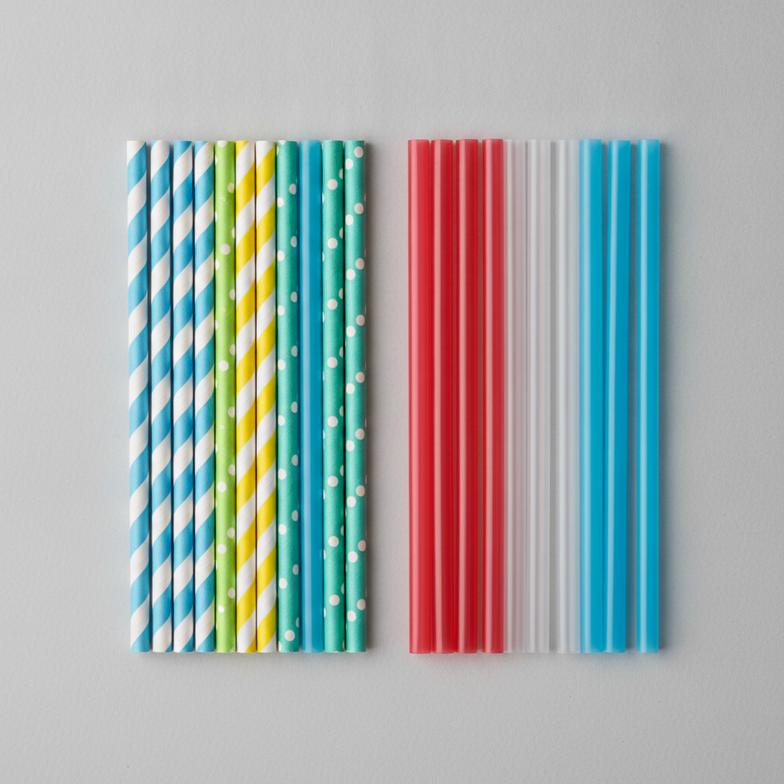
This isn’t just an academic comparison. The right choice for your business depends entirely on your operational needs, brand values, and risk tolerance. Let’s move beyond the surface-level arguments and dive into the critical details that procurement managers and business owners need to know to make a profitable, low-risk decision.
Many buyers get stuck on the upfront unit price, worrying that switching to paper will damage their margins. This is a valid concern, but it’s a dangerously incomplete picture. Hidden costs from waste, customer dissatisfaction, and compliance failures can quickly erase any savings from a cheap initial purchase.
The most successful partners I work with learn to shift their focus from unit price to Total Cost of Ownership (TCO)[1]. The true cost is not just the price per straw; it includes the cost of waste from low-quality products, potential fines for non-compliance, and the long-term impact on your brand’s reputation.

When you compare paper straws vs plastic straws, looking only at the per-piece price leads to poor decision-making. Here’s a more strategic way to break down the real cost.
The TCO formula provides a more accurate financial picture: TCO = Unit Price + Waste Cost + Compliance Risk Cost + Brand Impact Cost
From my experience helping businesses transition, those who plan ahead and invest in a reliable paper straw supply avoid the price gouging and supply chain chaos that inevitably hit when a plastic ban is announced. They secure a stable, predictable cost structure while their competitors scramble.
Are you afraid that switching to paper will unleash a wave of negative reviews from customers complaining about soggy, disintegrating straws? This fear is one of the biggest hurdles for businesses, but it’s often based on a misunderstanding. The problem isn’t the paper itself; it’s a failure of manufacturing and quality control.
The "soggy straw" stereotype comes from a real problem: cheaply made products flooding the market. A soggy straw is a direct symptom of poor sourcing—using low-grade paper, insufficient food-safe glue, or an improper production process. A well-engineered paper straw from a reputable manufacturer is designed to remain sturdy and functional for hours[4].

The difference between a premium paper straw and a soggy mess comes down to three key components: the paper, the glue, and the production process. Understanding these elements empowers you to ask the right questions and vet any supplier effectively.
1. The Paper: Not all paper is created equal. The cheapest straws often use thin, low-density paper that absorbs liquid too quickly. A durable straw is constructed from multiple layers (typically 3-ply or 4-ply) of high-quality, food-grade kraft paper. The paper’s weight, measured in grams per square meter (GSM), is a key indicator of its strength. Furthermore, looking for FSC (Forest Stewardship Council) certification[5] ensures the paper comes from responsibly managed forests, adding a layer of verifiable sustainability to your product.
2. The Glue: This is a critical point of failure. To cut costs, some manufacturers use the bare minimum amount of adhesive or, worse, use a low-quality formula that isn’t truly water-resistant. A high-quality paper straw uses a specialized, food-contact safe adhesive that is applied precisely to create a strong, water-tight seal along the spiral-wound seam. This is what prevents the straw from unraveling.
3. The Manufacturing Process: Craftsmanship matters. A durable straw requires precise rolling tension to ensure the layers are tightly bound. After rolling, the straws must go through a proper curing (drying) process to allow the glue to set fully and harden the structure. In my factory visits, I’ve seen some producers skip or shorten this curing step to increase output. This is a fatal error that results in straws that are weak from the start and destined to fail.
Don’t take a salesperson’s word for it. Here’s how you can test for quality yourself:
Are you feeling overwhelmed by the alphabet soup of regulations—FDA, FSC, BPI—and worried that one wrong move could lead to legal trouble or accusations of greenwashing[6]? This anxiety is justified, as compliance is one of the most critical aspects of sourcing.
Compliance is not about a single certificate you can hang on the wall. It’s a verifiable chain of custody[7] for every single raw material that goes into your straw: the paper, the glue, and any ink used for branding. Your business is ultimately responsible for ensuring that the final product is safe for food contact and meets the environmental claims you make to your customers.
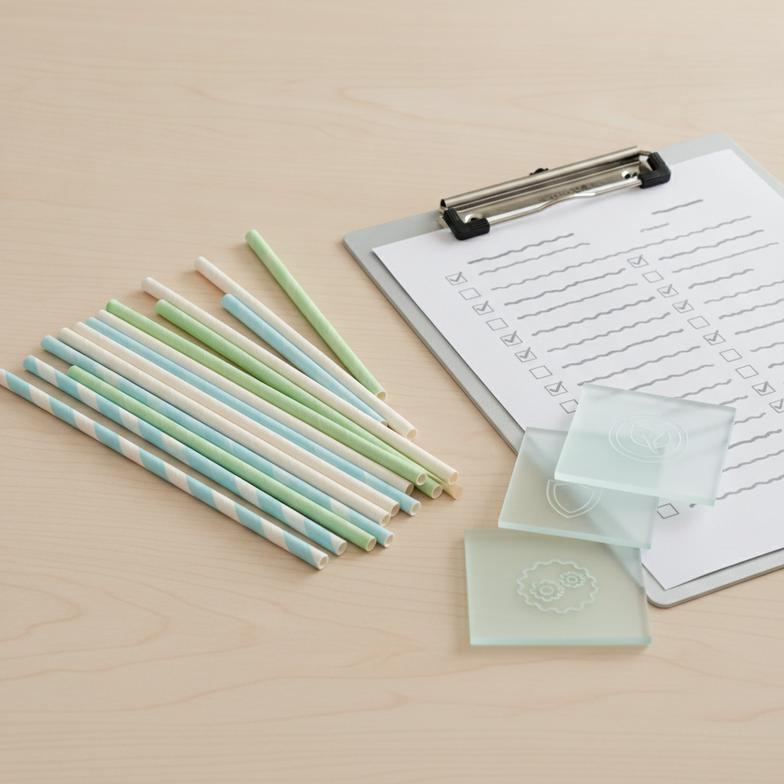
In the debate of paper straws vs plastic straws, the nature of compliance differs significantly. For paper, the focus is on food safety and material origins. For plastic, the focus is shifting rapidly to environmental legislation and bans.
A truly compliant paper straw requires documentation for each component. As a buyer, you have the right and the responsibility to ask for this evidence.
| Component | Key Compliance Standard | Why It Matters for Your Business |
|---|---|---|
| Paper | Food-Grade Certification (e.g., compliant with FDA or EU regulations) | This is non-negotiable. It ensures the paper is free from harmful chemicals that could leach into a beverage, protecting your customers and your liability. |
| FSC (Forest Stewardship Council) Certification | Verifies that the paper pulp comes from sustainably managed forests. This is crucial for backing up any "eco-friendly" marketing claims and avoiding greenwashing. | |
| Glue | Food-Contact Safe Adhesive (e.g., compliant with FDA 21 CFR 175.105[8]) | The glue is in direct contact with the straw’s seam. It must be proven safe for consumption. Requesting an MSDS or a similar technical data sheet is standard practice. |
| Ink | Food-Grade Inks (e.g., soy-based or water-based) | If you order custom-branded straws, the ink must be non-toxic and safe for incidental contact. This protects your customers and ensures your branding is responsible. |
A common pitfall I see is businesses accepting a single "FDA-compliant" claim from a supplier without asking for the underlying documentation for each material. A serious supplier will have this information organized and ready to share.
While plastic used for straws is generally food-safe, its primary compliance challenge is environmental. The global momentum against single-use plastics is undeniable. Dozens of countries and hundreds of municipalities have enacted or are planning legislation[9] to ban or restrict plastic straws.
This transforms plastic from a cheap commodity into a significant long-term business risk. Sticking with plastic means you are constantly exposed to the threat of:
Choosing paper straws from a verified, compliant supplier is a proactive strategy. It insulates your business from these future regulatory shocks and positions you as a forward-thinking leader in your industry. This is a strategic conversation I have with nearly every distributor and brand owner looking to build a resilient business.
Yes, when sourced and disposed of correctly. Paper straws are made from wood pulp, a renewable resource. They are biodegradable and compostable, breaking down in a matter of months[10], whereas plastic straws can persist in the environment for hundreds of years[11]. To maximize the benefit, look for straws made from FSC-certified paper, which ensures responsible forestry practices.
Absolutely. Reputable manufacturers offer extensive customization options, including different lengths, diameters, colors, and wrappers. You can have your logo or brand pattern printed directly onto the straw or its wrapper. The key is to ensure your supplier uses food-grade, non-toxic inks to maintain safety and compliance.
A well-made paper straw from a quality supplier should last for a minimum of 3-4 hours[12] in a typical cold beverage without becoming soggy, unraveling, or altering the taste of the drink. We specifically engineer our straws to meet and exceed this standard. If a straw fails sooner, it is a clear sign of poor materials or manufacturing.
Yes, and the price often directly reflects the quality of the raw materials and the manufacturing process. An unusually cheap paper straw should be seen as a red flag. It may indicate the use of low-GSM paper, inferior glue that isn’t food-safe, or a rushed production process. These shortcuts lead to a poor user experience and can ultimately cost you more through waste and damage to your reputation.
The decision in the paper straws vs plastic straws debate is not about finding a single "best" product, but about making a smart, strategic choice for your business. Moving beyond the misleading unit price and focusing on Total Cost of Ownership reveals a clearer picture. While plastic may seem cheaper upfront, its growing regulatory risks and negative brand perception present significant long-term costs. A high-quality paper straw, on the other hand, mitigates these risks. The key is understanding that sogginess is a manufacturing problem, not a material flaw, and that true compliance requires a verifiable chain of evidence for paper, glue, and ink. By partnering with a transparent and reliable supplier, you transform a simple sourcing decision into a powerful investment in your brand’s future, customer loyalty, and long-term profitability.
If you’re ready to find a dependable paper straw solution—whether you need wholesale finished products or are looking to build your own production line—our team at PaperStrawTech is here to help. Contact us today for a consultation, and let’s build a sustainable and profitable future for your business together.