Struggling to choose the right container for your hemp filter tips? You’ve perfected your product, but now you’re facing a flood of options—bags, boxes, booklets—and the fear of making a wrong move is real. A poor choice can undermine your brand, get lost on the shelf, and eat into your profits[1]. The secret is to stop thinking about containers and start thinking about strategy, because the best hemp filter tip packaging is a direct reflection of your business goals.
The best hemp filter tip packaging ideas depend entirely on your business model. Booklets are ideal for premium, story-driven brands selling directly to consumers. Boxes offer superior shelf presence[2] for retail environments. Simple bags are highly cost-effective for bulk sales or budget-friendly product lines. Bulk packs are designed specifically for B2B suppliers and large-scale producers.
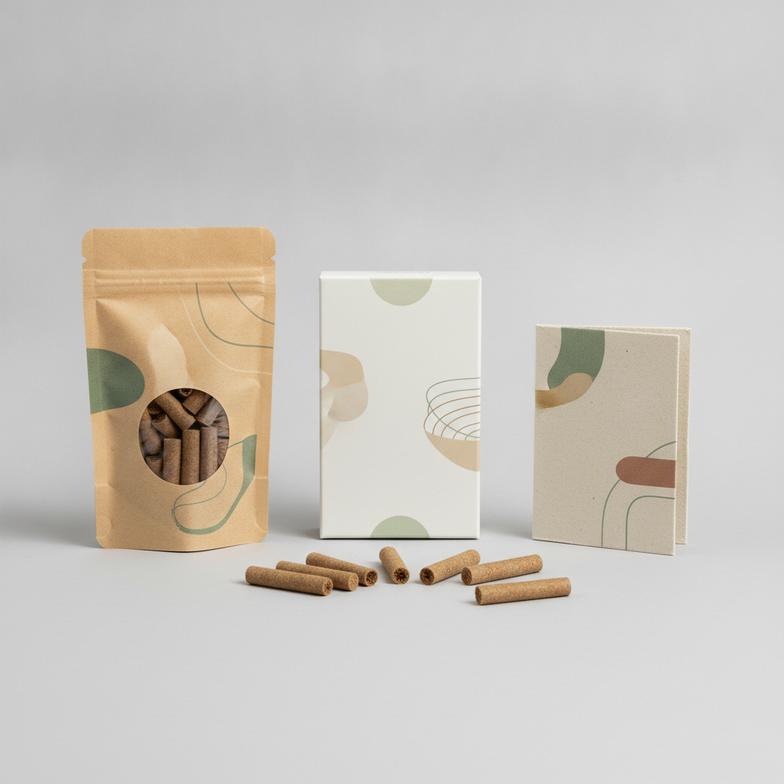
Now you have the quick answer, but the real value is in the details. The choice between a bag and a box is a strategic trade-off. Let’s dive into which format aligns with your brand, your distribution channels, and your production reality. I’ll share what we’ve learned from helping dozens of brands, from startups to established players, avoid common pitfalls.
You’ve built a brand that stands for quality and an elevated experience. But how do you communicate that value before the customer even tries the product? A standard bag or box can feel generic, potentially cheapening the premium product inside.
Yes, custom booklets are the definitive choice for premium brands aiming to create a memorable experience. They function less like packaging and more like a lifestyle accessory, offering unmatched space for branding, storytelling, and connecting with your customer on a deeper level.
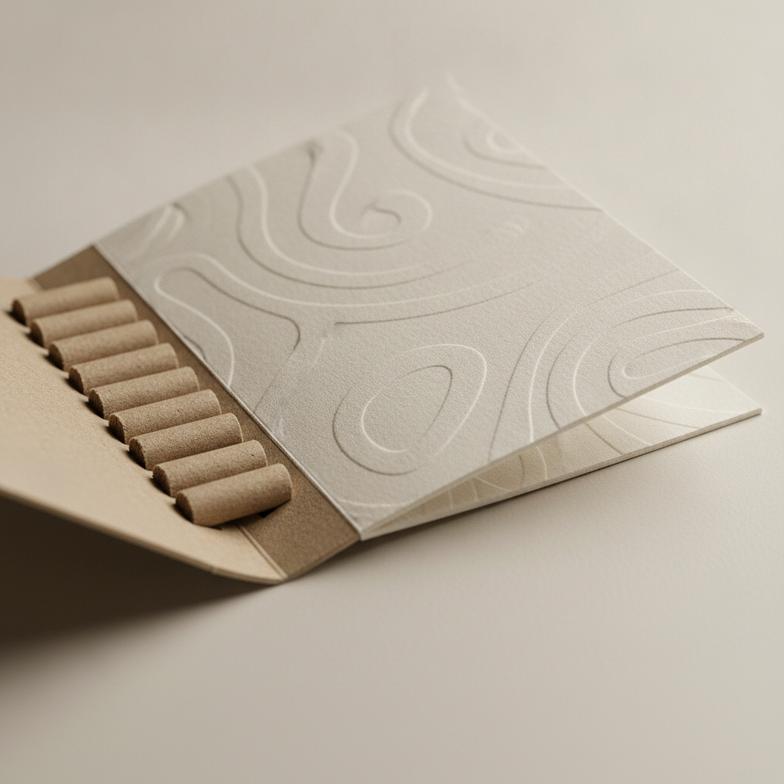
When we work with high-end brands, the conversation quickly moves beyond just holding the tips. A booklet is a piece of marketing collateral that the customer carries with them. It’s an opportunity to create a powerful unboxing experience[3] that justifies a higher price.
Think about the possibilities:
A common question we get from new brands is about standing out. A beautifully designed booklet that a user is proud to pull out of their pocket and share with friends creates organic, word-of-mouth marketing that a simple box can’t replicate. It’s perfect for direct-to-consumer (DTC) businesses, boutique dispensaries, and subscription boxes where brand experience is paramount.
Before you commit to booklets, you need to vet your supplier. This format is more complex than a simple bag. Here’s what you should ask:
You’re aiming for retail distribution, and your product will be sitting on a shelf next to a dozen competitors. You need it to grab a customer’s attention from five feet away. A flimsy bag might get crushed or hidden, but you’re worried about the cost of custom boxes.
Boxes are the undisputed champion for retail environments. Their rigid structure offers excellent product protection and serves as a mini-billboard on the shelf. This makes them the best format for gaining visibility and driving sales in physical stores.
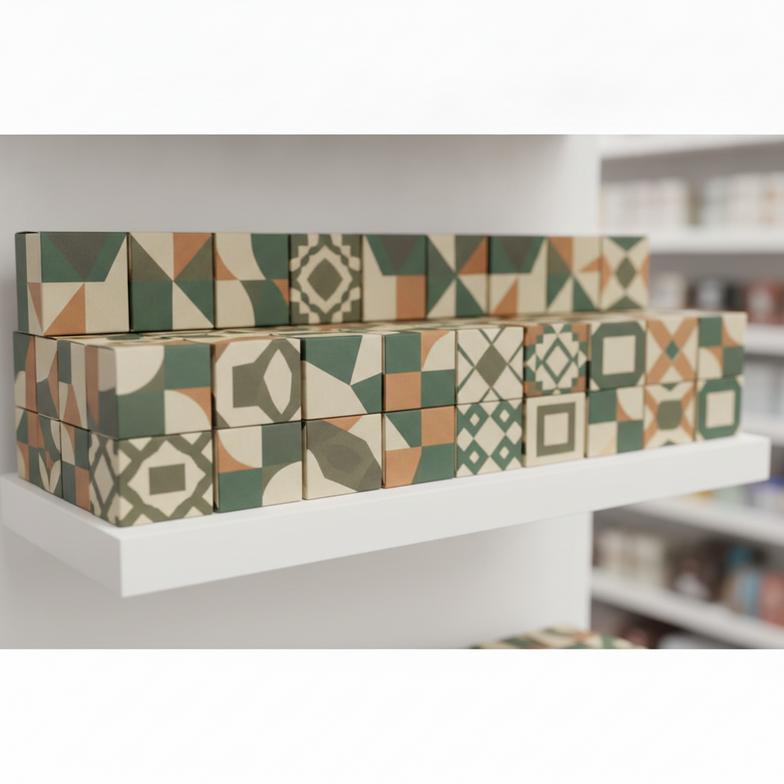
In retail, shelf presence is everything. A box provides a stable, stackable unit that retailers love. It won’t get lost or damaged like a bag might. We guide clients to think about the three main types of boxes, each serving a different business need:
Choosing the right box is a strategic trade-off. We often create a simple table for our clients to help them visualize this decision.
| Feature | Tuck-End Box | Slider Box | Child-Resistant Box |
|---|---|---|---|
| Unit Cost | Low | Medium | High |
| Brand Perception | Standard | Premium | Secure & Compliant |
| Best Use Case | Mass market, cost-focus | Brand-conscious retail | Regulated markets |
| Key Benefit | Affordability | User Experience | Market Access |
When discussing costs, go beyond the per-unit price. Ask your supplier how material thickness (measured in GSM or points), printing complexity (e.g., 6-color vs. 4-color), and special finishes like matte lamination or spot gloss will impact your final investment.
You’re a startup on a tight budget, or perhaps you’re targeting a customer segment that values practicality over presentation. You need a low-cost solution, but you’re concerned that using a bag for your hemp filter tip packaging will make your brand appear cheap.
Bags are an excellent and highly practical packaging solution. Modern resealable bags, made from mylar or kraft paper, offer great protection and functionality. They are the ideal choice for brands focused on cost-efficiency, e-commerce shipping, or testing the market with a new product.
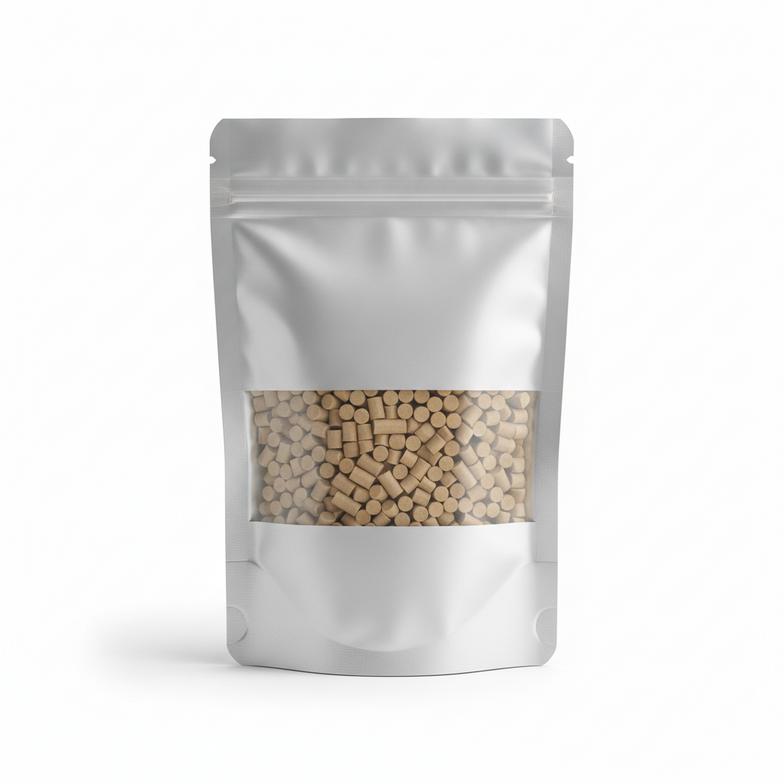
Many clients initially focus only on the low per-unit cost of bags, but their real advantages are operational.
First, bags are incredibly lightweight and flexible, which can significantly reduce shipping costs, especially for e-commerce brands shipping directly to consumers. A few grams saved per unit adds up to thousands of dollars over a large production run.
Second, bags are often compatible with automated filling and sealing machines. If you plan to scale production, moving from manual packing to an automated line can dramatically increase your output and lower labor costs. We always advise clients with high-volume ambitions to discuss machine compatibility with their packaging supplier from day one.
The material you choose sends a signal to your customer:
Bags are perfect for a product launch where you need a low MOQ, for a value-focused product line, or for online sales where shipping optimization is key.
Your business model isn’t about selling to individual smokers. You’re supplying other businesses—like pre-roll manufacturers, dispensaries that package in-house, or other brands. You need to ship thousands, or even millions, of tips safely and affordably, and consumer-facing design is irrelevant.
Bulk hemp filter tip packaging is the backbone of the B2B supply chain. It consists of large, unbranded cartons or master bags designed for maximum logistical efficiency, protection during transit, and compatibility with industrial machinery, not for retail appeal.
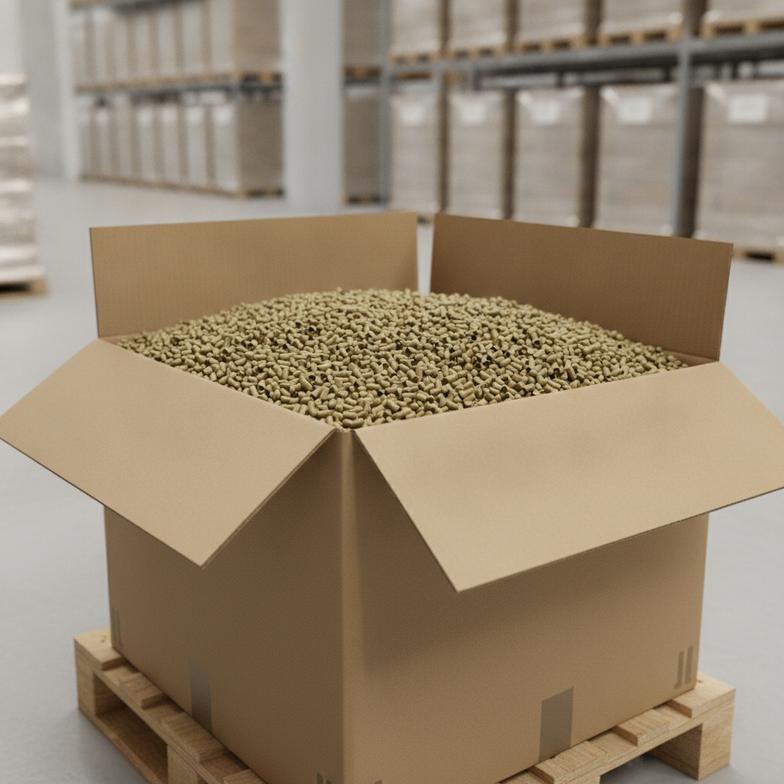
When we supply bulk tips, the customer’s concerns are completely different. The buyer isn’t a consumer; it’s a factory owner or a procurement manager. Their priorities are purely operational.
I once worked with a new pre-roll manufacturer who tried to save a few cents by ordering bulk tips packed loosely in thin plastic bags. Nearly 30% of their first shipment was crushed or damaged in transit, halting their new production line for over a week while they waited for a replacement. The "savings" cost them thousands in lost revenue.
This is why robust bulk packaging is critical[7]. Here’s what to focus on:
Bulk packaging isn’t glamorous, but it’s the invisible engine that keeps the industry running smoothly.
For custom-printed bags or boxes, MOQs often start between 1,000 to 5,000 units. For more complex formats like booklets or those with special finishes, the minimum can be 10,000 units or more. Always confirm with your supplier, as this varies greatly.
Ask your supplier for compliance documentation. This includes certificates for food-grade materials (like FDA approval for paper and inks) and sustainable sourcing (like FSC for paper). For regulated markets, request third-party lab reports for child-resistant (CR) compliance. Never take a supplier’s word for it; always verify the paperwork.
It can be a huge advantage. An integrated supplier who makes both the tips and the packaging understands how they interact. This eliminates the risk of your tips not fitting the box correctly and simplifies your supply chain, giving you one point of contact for your entire product.
CR features can add anywhere from 15% to 50% to the per-unit cost[9] of a box, depending on the complexity of the mechanism. While it’s a significant investment, it’s non-negotiable for accessing markets that mandate it. Consider it a cost of doing business in those regions.
CMYK (Cyan, Magenta, Yellow, Black) is a 4-color process used for printing full-color photos and complex graphics. Pantone (PMS) colors are pre-mixed, specific inks used to achieve exact brand color consistency. Pantone is more precise but often more expensive, especially if you use multiple spot colors.
Choosing the right hemp filter tip packaging isn’t about finding the single "best" option—it’s about making the smartest strategic trade-off for your unique brand. A premium booklet tells a story, a sturdy box conquers the retail shelf, a simple bag optimizes for cost and efficiency, and a bulk carton fuels the B2B supply chain. By aligning your packaging choice with your business model, distribution channels, and operational needs, you turn a simple container into a powerful tool for growth.
If you’re ready to explore which packaging solution is the right fit for your brand’s goals, our team is here to help. We can provide die-lines, physical samples, and a detailed quote to help you move forward with confidence.