Choosing eco-friendly straws feels complicated. You worry that picking the wrong one could disappoint customers or disrupt your supply, making your business look bad. This guide simplifies the decision.
The best straw choice depends entirely on your specific needs, not just the material. Key factors are your beverage type, required in-drink time, and business goals. Paper straws offer vast customization and a stable supply chain, while bagasse provides a unique texture but may have sourcing inconsistencies.
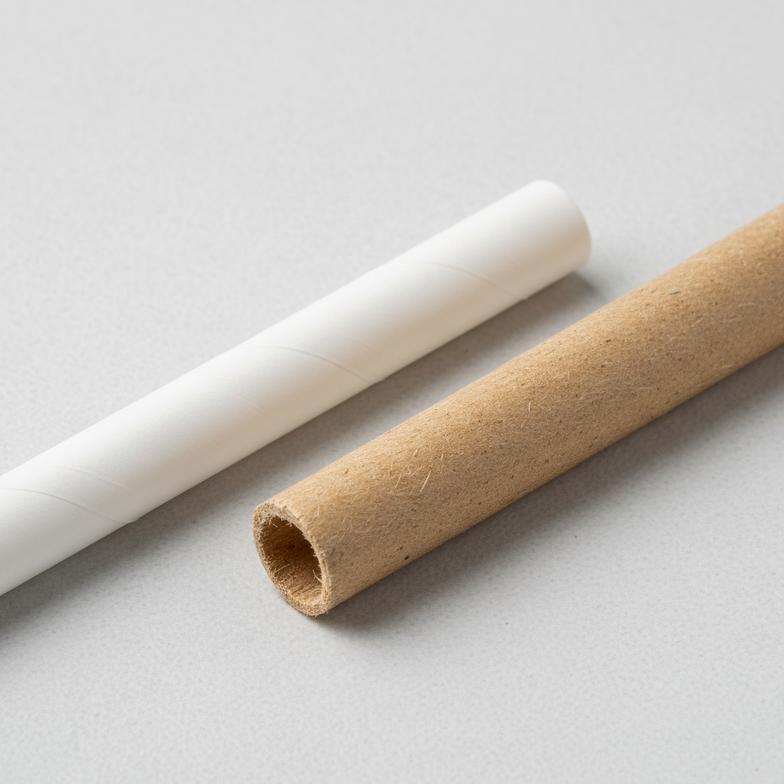
A common question we hear from buyers is, "Which is better, paper or bagasse?" It’s a great question, but it starts from the wrong place. We’ve been in the paper straw business for over a decade, and we’ve learned that the "best" straw is the one that works perfectly for a specific drink, in a specific environment, for a specific customer. It’s not about declaring one material a winner over the other.
Instead of thinking about it as a competition, think of it as choosing the right tool for the job. You wouldn’t use a hammer to turn a screw. Likewise, the straw you choose for a cold, fizzy soda might not be the right one for a thick, hot latte. Let’s break down how to choose the right tool for your business.
You’re comparing materials, thinking one is better than the other. But this can lead you to a straw that fails in your drink, frustrating customers. Let’s focus on performance first.
The right straw depends on your specific use case. You must consider beverage temperature, acidity, and how long the straw needs to last. This practical performance is more important than the raw material itself.
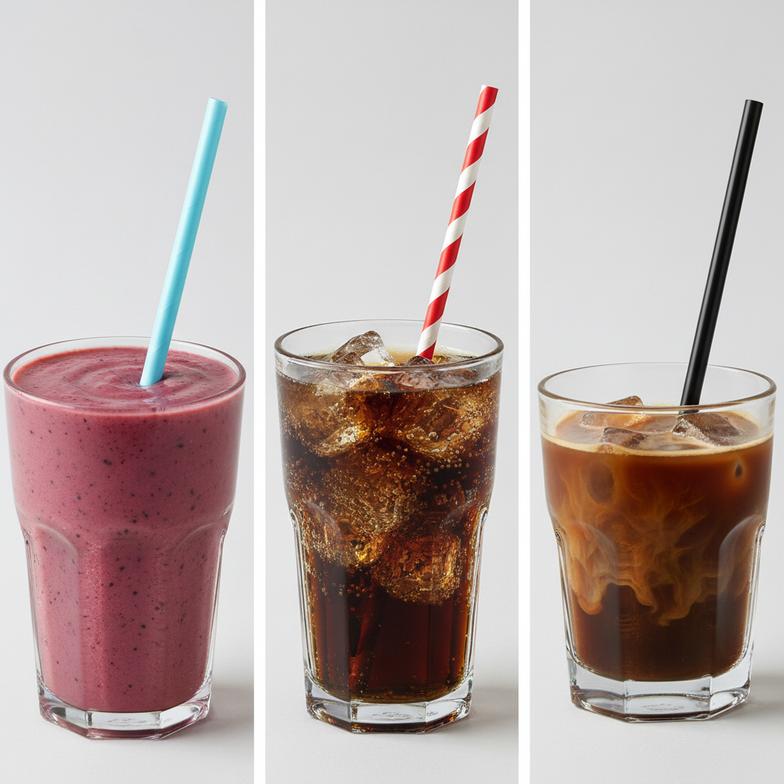
When a client is deciding between materials, the first thing I ask them about is their menu and service environment. A straw is a functional item. Its primary job is to deliver liquid from the cup to the customer’s mouth without failing. Both paper and bagasse straws can do this job well, but their performance can vary under different conditions. For example, our paper straws are engineered to last over three hours in cold drinks[1], but performance in hot or highly acidic beverages requires different specifications.
To make a good choice, you need to match the straw to the drink.
| Beverage Type | Key Challenge | What to Look For |
|---|---|---|
| Cold, Carbonated Drinks | Maintaining structure | A standard, well-made straw. Durability is key. |
| Thick Smoothies/Milkshakes | Suction and flow | A wide-diameter (jumbo) straw. Must be strong. |
| Hot Coffee/Tea | Heat resistance | A straw specifically rated for hot liquids to prevent softening. |
| Acidic Juices (e.g., Lemonade) | Chemical reaction | Food-grade materials that won’t break down or alter taste. |
Thinking this way moves the conversation from a vague "eco-friendly" goal to a practical, operational one. The goal is to ensure a great customer experience. A soggy straw is a failed straw, no matter what it’s made of.[2] So, before you ask "paper or bagasse?", first ask "What does this straw need to do for my customer?". This will guide you to a much better purchasing decision.
You found a great price on straws from a new supplier. But what happens if they can’t deliver your next big order on time, or the quality suddenly drops? Let’s look at supply chain risk.
Paper straws come from a mature, global supply chain[3] with reliable certifications like FSC. Bagasse sourcing can be more variable in quality and availability[4], which is a big risk for businesses needing consistent supply.
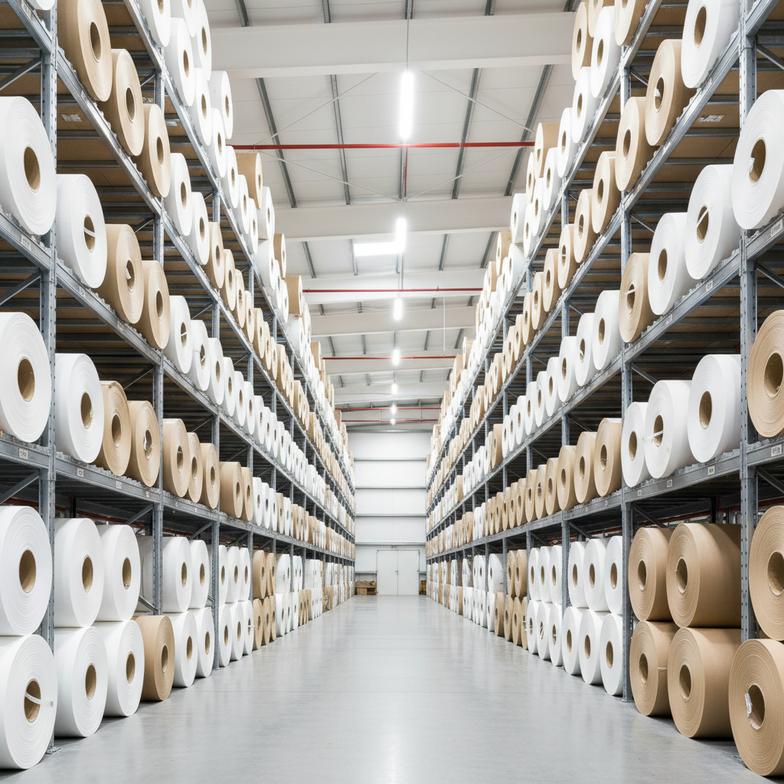
As a manufacturer, I know that what happens in our factory depends entirely on the raw materials we receive. A stable, predictable supply chain is not just a nice-to-have; it’s the foundation of a reliable business. This is where paper and bagasse currently differ the most. The paper and pulp industry is hundreds of years old.[5] It’s a global, highly organized system. For our factory, this means we can source FSC-certified paper from trusted suppliers who meet consistent quality standards. We know the specifications, we know the performance, and we know we can get it reliably.
For a procurement manager, this maturity translates into lower risk. You get:
Bagasse, on the other hand, comes from a newer, more fragmented supply chain. It’s a byproduct of sugarcane processing[7], which means its availability can be tied to agricultural cycles and geographic location[8]. Quality can vary between different producers. This doesn’t mean bagasse is a bad material, but it introduces variables. For a large restaurant chain or distributor, the risk of a supplier running out of stock or delivering a poor-quality batch is a serious concern.
You want an eco-friendly straw to improve your brand image. But picking one that fails in the drink or blows your budget can do more harm than good. Let’s connect your choice to your business goals.
Your straw choice is a business decision. Paper straws offer proven cost-effectiveness and excellent branding customization. Bagasse gives a unique "tree-free" story but might have a higher cost and supply risks.
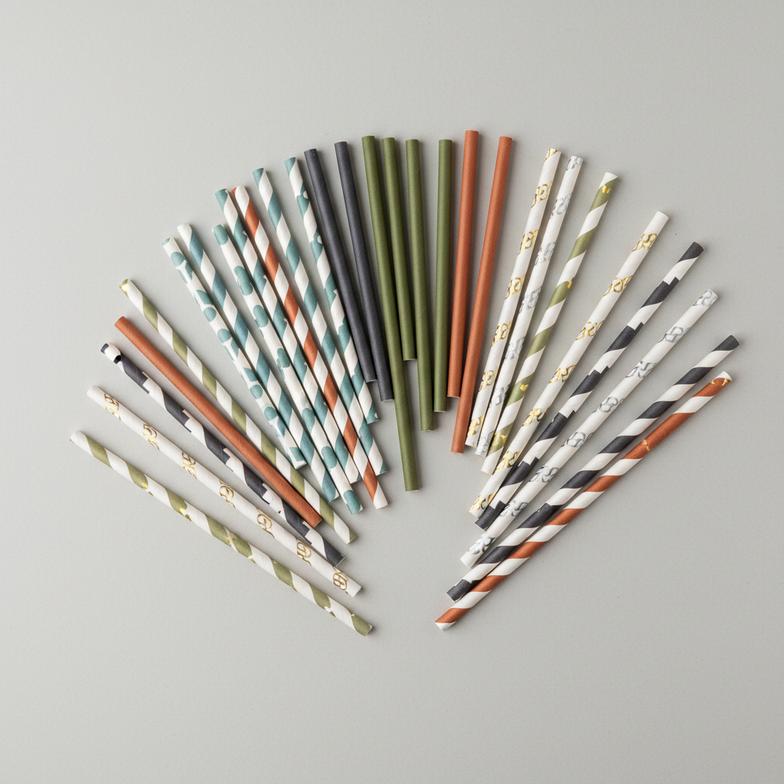
Your choice of straw sends a message about your brand. It also directly impacts your operational costs. The decision isn’t just about the environment; it’s about business strategy. In our experience helping hundreds of clients, we’ve found the best choice balances branding, cost, and performance. Paper straws have a distinct advantage in branding. Paper is a perfect surface for printing. We help clients put their logos, brand colors, and custom patterns on their straws every day. This turns a simple disposable item into a marketing tool.
Cost-effectiveness is another major factor. Because the paper industry operates at a massive scale, the manufacturing process for paper straws is highly efficient. This generally results in a lower, more stable cost per unit[9], which is critical for any business watching its bottom line.
| Factor | Paper Straws | Bagasse Straws |
|---|---|---|
| Branding / Customization | Excellent. Easy to print logos, colors, and patterns. | Limited. Usually available in a natural color only.[10] |
| Cost-Effectiveness | Generally lower and more stable due to a mature industry. | Can be higher and more variable. |
| Supply Chain Risk | Low. Stable, global supply with clear certifications. | Higher. Newer supply chain with potential variability. |
| Marketing Angle | "Sustainably Sourced," "Recyclable," "Compostable"[11]. | "Tree-Free," "Made from Plant Waste"[12]. |
The right choice is about trade-offs. A local cafe wanting to promote a seasonal drink with custom-printed straws will find paper is the perfect fit. A brand whose entire identity is built around being "tree-free" might choose bagasse, and they must be prepared to manage the potential cost and supply chain challenges that come with it. It is a business decision, not just a material one.
The best choice isn’t paper or bagasse. It is matching the straw’s performance, supply chain, and cost to your specific foodservice needs and business goals. Choose wisely.