Struggling with drink accessory costs? You might think a cheaper stirrer can replace a straw. But this small choice could be hurting your customer experience and brand reputation.
Paper straws are for drinking, designed for hours of liquid contact[1]. Stirrers are for brief mixing and will quickly become soggy if used as a straw. Choosing the wrong one increases waste, customer complaints, and ultimately costs you more than the initial savings[2].
I see this happen all the time in my consultations. A cafe owner or a procurement manager for a restaurant chain wants to save a few cents per unit, but they don’t see the hidden costs that come later. It’s a common assumption that a stirrer can do a straw’s job, but it’s a mistake that is easy to fix once you understand the real difference between these two products. Let’s break down why this decision matters so much for your business, your customers, and your bottom line.
Trying to cut costs on your disposables? You see the low unit price of stirrers and think it’s a smart swap. But what happens when that stirrer fails in a customer’s iced coffee?
Focusing only on unit price is a mistake. The total cost includes replacements, waste, and brand damage from negative reviews[3]. A durable straw prevents these issues, making it a better long-term investment for drinks that require sipping, not just stirring.
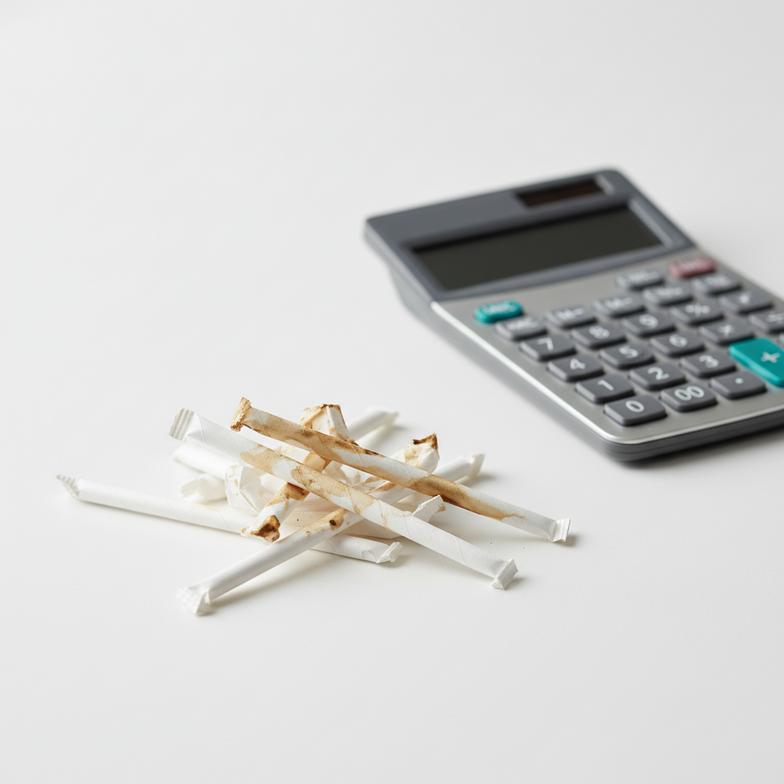
When procurement managers look at quotes, the stirrer always looks like the winner on paper. The per-unit price is significantly lower. But that number doesn’t tell the whole story. We need to think about the "Total Cost of Ownership[4]." This includes not just the initial purchase price but all the costs that come after. I often walk my clients through this logic. Imagine a customer buys an iced latte. You give them a stirrer to save money. They try to sip with it, and it immediately collapses. Now they have to come back to the counter and ask for a new one—or maybe they ask for a proper straw. You’ve now used two items instead of one, doubling your cost and creating waste. Worse, the customer is annoyed. That negative feeling is a hidden cost that can lead to bad online reviews or them not coming back.
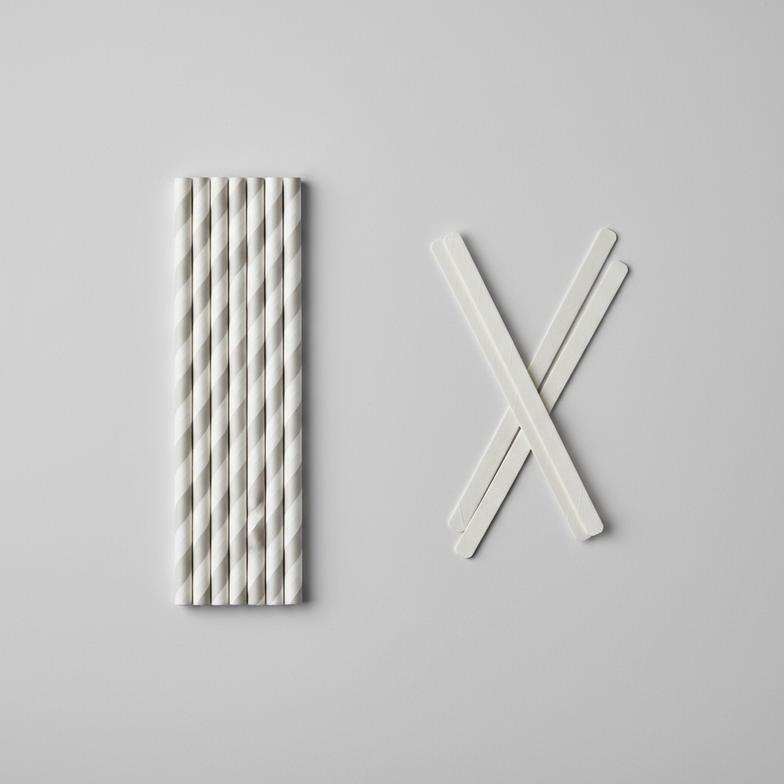
As a manufacturer, I know that straws and stirrers are engineered for completely different jobs. A good paper straw is made with three or four layers of paper and a strong, food-safe adhesive[5] designed to withstand liquid for hours. A stirrer is often just one or two layers[6], designed for a 30-second mix in a hot drink. The function dictates the form, and the form dictates the cost.
| Feature | Paper Straw | Paper Stirrer |
|---|---|---|
| Intended Use | Sipping for extended periods (1-3 hours) | Brief mixing (1-3 minutes) |
| Construction | 3-4 layers of kraft paper | 1-2 layers of paper |
| Structural Integrity | High, resists collapsing in cold drinks | Low, designed to bend/soften |
| Customer Experience | Enables easy drinking of iced drinks, smoothies | Causes frustration if used for sipping |
| Replacement Risk | Low | High, often requires a second item |
| True Cost | Unit price (Low hidden costs) | Unit price + replacement cost + brand damage |
You’ve perfected your coffee blend and store ambiance. But have you considered the small details? Providing the wrong utensil can undo all that hard work and make your brand look cheap.
Offering a stirrer for a smoothie or iced tea signals you’re cutting corners[7]. Providing the right tool, like a sturdy paper straw, shows you care about the entire customer experience. It’s a small detail that communicates quality and reinforces a premium brand image.

Your brand isn’t just your logo or your menu prices. It’s the sum of every interaction a customer has with your business.[8] That includes how they enjoy the drink you just sold them. Providing the right tool for the job is a critical part of that experience. We’ve seen clients transform their customer feedback just by making this simple switch. When you hand a customer a thick milkshake or a bubble tea with a flimsy little stirrer, you’re creating a problem for them. You’re telling them, "We didn’t think about how you would actually consume this product." That small moment of frustration can overshadow how great the drink tastes. On the other hand, providing a sturdy, wide-diameter straw that works perfectly shows thoughtfulness. It communicates that you value quality down to the last detail.
A great business anticipates its customers’ needs.[9] This means mapping your drink menu directly to your utensil inventory. It’s not about finding one cheap item that "sort of" works for everything. It’s about building a system that delivers a great experience every time.
Here’s how I advise my clients to think about it:
When you adopt this "right tool for the job" mindset, you stop seeing straws as a cost and start seeing them as an investment in customer satisfaction and brand loyalty. It’s a small detail that makes a huge difference in how your brand is perceived.
You’re ready to place an order, but how do you know you’re getting the right product? Many suppliers will just sell you what’s cheapest. A good partner will ask you questions first.
A reliable supplier will ask about your drink menu and intended use. Ask them to explain the material differences, like paper layers and glue type. Request documentation like FDA-related compliance[10] or FSC certification[11]. Their answers will reveal their expertise and commitment to quality.

One of the most common issues I hear from new clients is that their previous supplier sold them a "straw" that was really just a stirrer in disguise. They got a great price, but the product didn’t perform, and they were left with angry customers and boxes of useless inventory. A good supplier acts more like a consultant.[12] They should be focused on finding the right solution for your business, not just moving units. If a potential supplier’s first question isn’t about how you plan to use the product, that’s a major red flag. They should want to understand your needs to prevent problems down the line. To protect yourself and ensure you’re making a smart purchase, you need to be the one asking the tough questions.
As someone who is both a manufacturer and a solution provider, these are the exact questions we ask our own clients to guide them. You should use them to vet any potential supplier.
A trustworthy partner will have clear, confident answers to all of these questions. They should be able to explain exactly why their straw costs more than a stirrer and how that higher quality translates into a better experience for your customers and a safer investment for your business.
Choosing between paper straws and stirrers isn’t about saving a few cents. It is a strategic decision that impacts your brand, your operational costs, and your customer’s happiness.