
Struggling to understand the real purpose of aluminum foil on pyrotechnic components? Many procurement managers for firework paper tubes see this feature and are unsure if it’s a critical performance enhancer or just an added cost. Choosing the wrong tube can lead to duds, inconsistent performance, and a warehouse full of unsellable inventory, making this seemingly small detail a major business risk.
Firework paper tubes are wrapped with aluminum foil primarily to act as a powerful moisture barrier, protecting the pyrotechnic contents and extending the product’s shelf life. Secondarily, the foil layer enhances the tube’s structural integrity and burst strength, which is critical for consistent and safe performance. It represents a manufacturing choice that balances cost against long-term reliability.
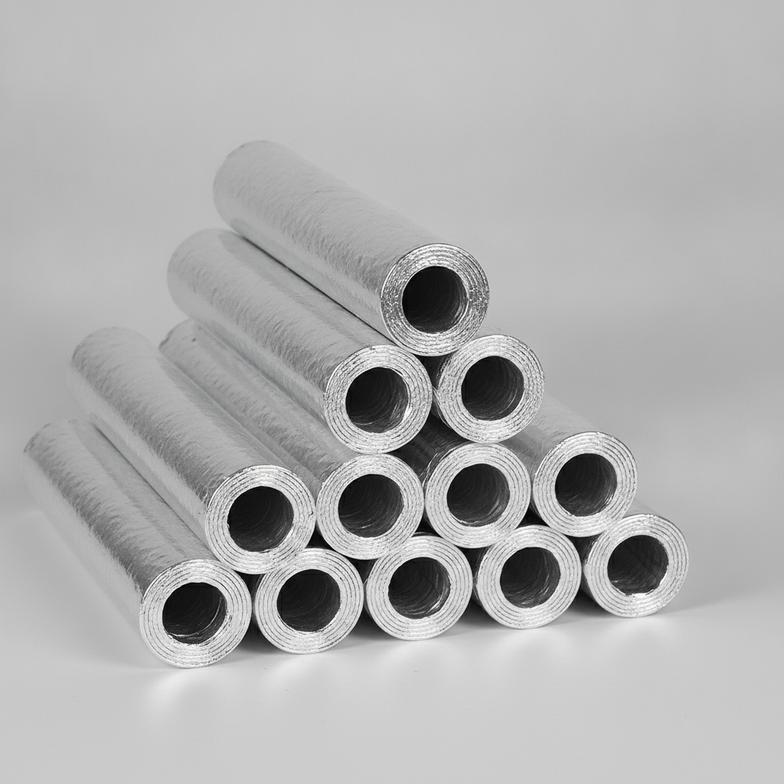
This provides the basic answer, but for a buyer, the real challenge is moving beyond why foil is used to how you can specify the right foiled tube for your application. The presence of foil isn’t a simple quality guarantee; the details of its application are what separate a reliable component from a costly failure. Let’s dive deeper into the technical and commercial reasons behind this choice.
Fireworks are famously sensitive to their environment, especially humidity. The chemical powders inside are hygroscopic[1], meaning they readily absorb moisture from the air.
This absorption can ruin your product, leading to duds, weak effects, or unpredictable ignition times, ultimately damaging your brand’s reputation and bottom line. The non-porous nature of aluminum foil provides a crucial barrier against this pervasive threat.
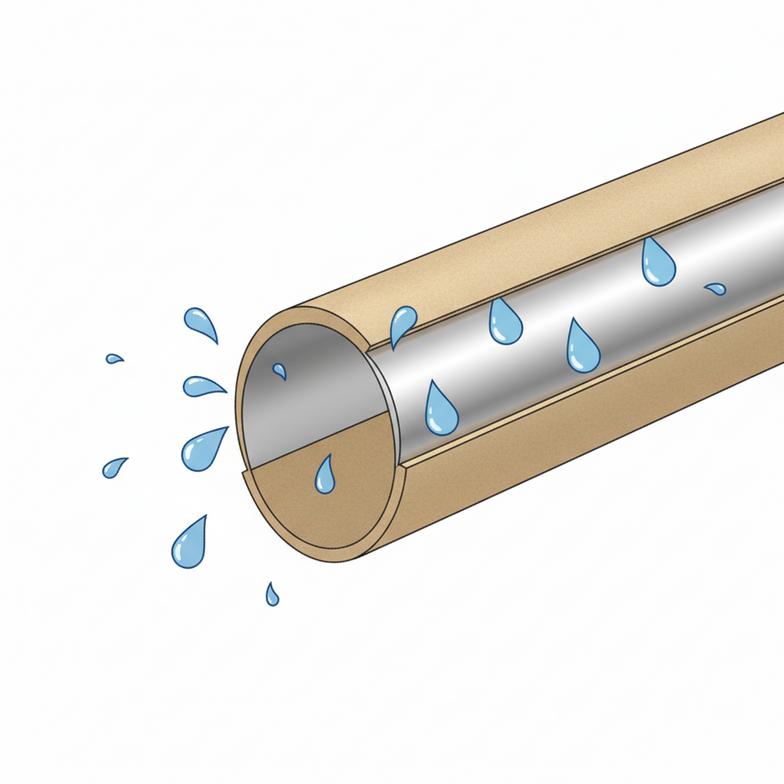
Aluminum foil protects firework paper tubes by creating an essentially impermeable barrier against water vapor. While paper itself is porous and will eventually allow moisture to pass through, the thin, continuous metal layer physically blocks humidity from migrating into the tube and compromising the sensitive powders inside. This ensures a much longer shelf life and greater reliability, especially in humid climates.
Paper is made of cellulose fibers, which are naturally hydrophilic[2]—they attract and bond with water molecules. In a humid environment, a plain paper tube acts like a slow-acting sponge, wicking moisture from the atmosphere and delivering it directly to the pyrotechnic composition. This can have several disastrous effects:
The aluminum foil layer, being a non-porous metal, has a very low Moisture Vapor Transmission Rate (MVTR). This metric quantifies how quickly water vapor can pass through a material. While paper’s MVTR is relatively high, aluminum’s is practically zero[3]. This is why it’s a material of choice for so many food and pharmaceutical packaging applications where freshness and dryness are paramount.
A common mistake we see buyers make is focusing solely on the foil itself. From a manufacturing standpoint, the real challenge—and a key indicator of quality—is the adhesive used to laminate the foil to the paper. If the adhesive is low-grade or improperly applied, it can fail in a few critical ways:
A high-quality foiled tube uses a specialized, water-resistant adhesive that creates a permanent bond between the paper and foil, ensuring the integrity of the moisture barrier for the product’s entire lifespan.
While foil is a popular solution, other methods for moisture-proofing exist. Understanding the trade-offs is key to making an informed procurement decision.
Ultimately, foil lamination offers a balanced combination of excellent moisture resistance, added strength, and moderate cost, making it a go-to solution for reliable, mid-to-high-tier fireworks.
A firework’s spectacular display depends on containing immense pressure for a precise fraction of a second. The tube is the pressure vessel that makes this possible.
If the tube is too weak and bursts prematurely, you get a low-altitude, underwhelming "poof." If it’s too strong or fails unpredictably, the effect can be ruined or, in the worst case, become unsafe. The composite structure created by laminating aluminum foil onto paper can significantly increase the tube’s burst strength[6] and consistency.
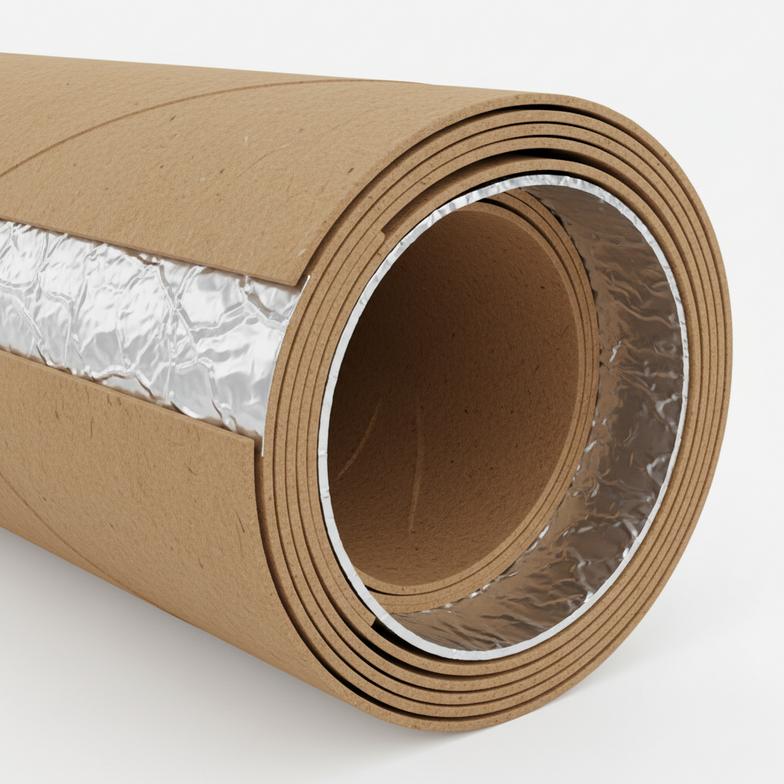
Yes, foil measurably contributes to the strength of firework paper tubes by creating a superior composite material. The lamination of thin, high-tensile-strength metal foil onto multiple layers of kraft paper increases the tube’s overall hoop strength. This allows the tube to withstand higher internal pressures before bursting, leading to more consistent timing, higher altitudes, and more powerful effects.
When a firework’s charge ignites, it exerts pressure equally in all directions. The force acting against the wall of the tube is known as hoop stress[7]. The tube’s ability to resist this force is its "hoop strength." For firework paper tubes, this is arguably the most critical mechanical property.
Paper’s strength comes from its interwoven fibers. When wound into a tube, its strength is largely directional. Aluminum, on the other hand, has high tensile strength that is uniform in all directions[8]. When you laminate these two materials together, you create a composite that leverages the best of both:
This synergy means a foil-laminated tube can often achieve a higher burst pressure than a plain paper tube of the same thickness and weight.
Procurement managers often ask us, "What’s more important, the paper GSM or the foil thickness?" The answer is that neither is important in isolation. The strength of a firework paper tube comes from a complete system: 1. Paper Quality: The grade, fiber length, and GSM (grams per square meter) of the kraft paper form the foundation. 2. Number of Plies: The number of layers of paper wound together. 3. Winding Angle & Tension: The precision of the manufacturing process determines how well the forces are distributed across the paper fibers. 4. Adhesive: The glue binds the plies together, transferring stress between layers. A weak adhesive means the layers act independently, drastically reducing strength. 5. Foil Layer: The foil adds a final layer of high-tensile reinforcement.
A thick foil laminated to a low-GSM, poorly wound paper tube will still fail.[9] A world-class tube manufacturer understands how to tune all five of these variables to produce a tube with a specific, repeatable burst pressure, tailored to the customer’s needs.
Thinking in terms of trade-offs helps clarify procurement decisions. Here is a simplified comparison of common tube structures:
| Tube Configuration | Moisture Resistance | Burst Strength | Relative Cost | Best For… |
|---|---|---|---|---|
| Plain Paper (3-ply) | Low | Moderate | Low | Dry climates, low-power consumer items. |
| Wax-Coated Paper | Moderate | Moderate | Low-Moderate | Humid climates, budget-conscious items. |
| Foil-Laminated (Standard) | High | High | Moderate | Professional effects, products requiring long shelf-life. |
| Foil-Laminated (Heavy-Duty) | Very High | Very High | High | Large-caliber shells, premium effects, maximum reliability. |
As you can see, choosing to add foil is a deliberate engineering decision to move up the performance and reliability ladder, which comes with an associated cost.
Many buyers get stuck comparing quotes based on price-per-thousand tubes, assuming that a "foiled tube" from one supplier is the same as from another.
This is a dangerous assumption. This approach can lead you to source a component that looks right but fails in your specific climate or for your specific pyrotechnic design, costing you far more in failed product than you saved on the component. Asking the right questions transforms you from a price-shopper to an informed partner, de-risking your procurement process.
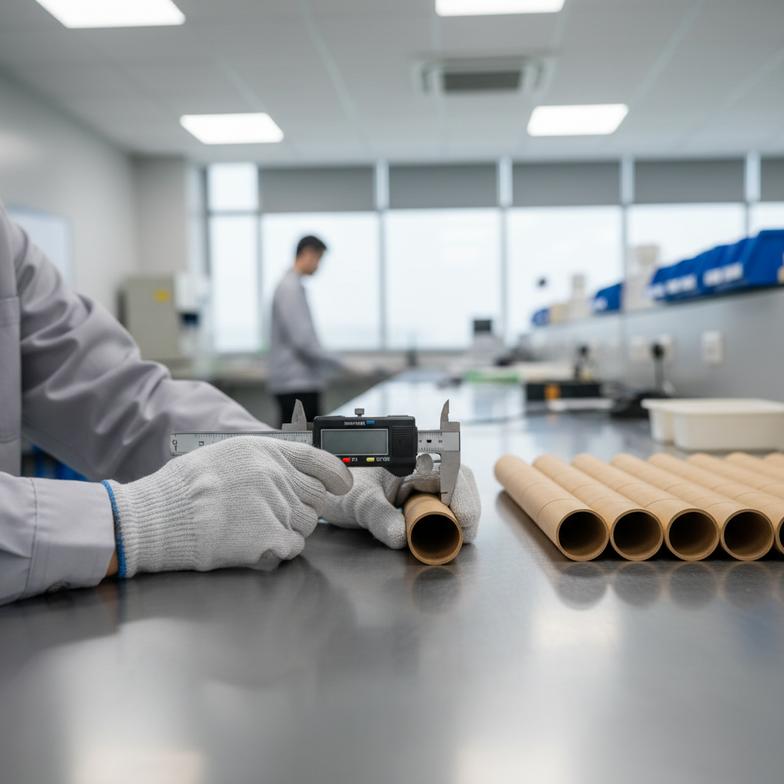
When sourcing aluminum-wrapped firework paper tubes, buyers should immediately ask for technical specifications on the foil thickness (in microns), the adhesive type used for lamination, and the paper’s GSM and ply count. More importantly, ask for any available test data on performance metrics like burst pressure or moisture vapor transmission rate (MVTR). This shifts the conversation from basic features to proven performance.
Based on my experience discussing tube requirements with clients, the most effective procurement managers build a technical checklist to vet suppliers. You should treat sourcing firework paper tubes with the same rigor as sourcing the chemicals themselves.
Here are the essential questions to ask a potential supplier:
A confident, high-quality supplier will have ready answers to these questions. Hesitation or an inability to provide this data should be a major red flag.
Let’s run a simple, hypothetical scenario. Suppose Supplier A offers foiled tubes for $0.10 each. Supplier B, who provides detailed spec sheets and burst pressure data, offers a seemingly identical tube for $0.11—a 10% price increase.
You choose Supplier A to save costs. However, due to a lower-grade adhesive and thinner foil, 8% of your finished fireworks are duds or failures because the tubes failed to protect the contents in a humid storage environment.
If your finished firework sells for $5.00, that 8% failure rate costs you $0.40 per unit sold—four times what you "saved" by choosing the cheaper supplier.
The slightly higher upfront cost for a quality-verified component is not an expense; it’s insurance[10]. It protects your investment in raw materials, labor, and brand reputation. A good paper tube is a cheap component that protects an expensive product. A bad paper tube is a cheap component that destroys an expensive product.
The foil can be placed in various positions. It is often laminated as an inner layer to provide direct protection to the pyrotechnic contents. However, it can also be a middle ply within the paper layers or even an outer wrap, depending on the manufacturing process and intended function. The critical factor is that it forms a continuous, unbroken barrier.
Absolutely not. You must never use generic cardboard tubes for any pyrotechnic application. Specialized firework paper tubes are engineered with specific paper grades, high-strength adhesives, and precise spiral winding techniques[11] designed to safely manage explosive forces. Using a standard shipping tube is extremely dangerous and will lead to catastrophic, unsafe failures.
For the vast majority of firework designs, the effect is negligible. The aluminum foil layer is incredibly thin, typically measured in microns, and constitutes a tiny fraction of the tube’s total mass. It is vaporized almost instantly by the intense heat of the ignition[12]. Its purpose is entirely pre-ignition: providing structural support and a moisture barrier.
This is like asking if a car’s engine or tires are more important—they are both critical parts of a system that must work together. A thick foil on a flimsy paper tube will still fail under pressure, and the highest-quality paper tube will fail if it gets damp. A reliable supplier expertly balances foil, paper, and adhesive to meet a specific performance target for both burst strength and moisture resistance.
In the end, the decision to use aluminum foil on firework paper tubes is a calculated engineering choice, not a cosmetic one. It serves the dual purpose of creating a robust moisture barrier to extend shelf life and reinforcing the tube’s structure to ensure safe, consistent performance. A simple foil wrap can be the difference between a reliable product and a costly failure. However, the true value lies not in the mere presence of foil, but in the quality of the entire system: the paper, the adhesive, and the manufacturing process. When sourcing these critical components, procurement managers must look beyond the price tag and demand technical specifications and performance data. This diligence is the key to protecting your investment and your brand’s reputation.
While we specialize in high-performance paper tube solutions across various industries, our core expertise in materials science and precision manufacturing can help you solve your toughest sourcing challenges. If you are looking for a partner to engineer a reliable, cost-effective tube solution for your product, contact our team to discuss your requirements.