Tired of hearing complaints about soggy paper straws ruining your premium cocktails and signature drinks? It’s frustrating when your commitment to sustainability backfires, creating waste and making your brand look like it’s cutting corners. The truth is, the problem isn’t the straw; it’s about choosing the right paper cocktail straws for the job.
Choosing the best paper cocktail straw involves matching its specifications—like ply count, paper thickness, and diameter—to the specific beverage you’re serving. For standard cocktails, a 3-ply straw is essential for resisting moisture and acidity. For thicker, frozen drinks, a wider, more robust 4-ply straw is needed to prevent collapse and ensure a positive guest experience.
Now that you know the secret is in the selection, not just the material, let’s get into the details. I’ll walk you through the exact framework I use with my F&B clients to eliminate sogginess for good, protect their brand, and even save them money in the long run.
You made the switch to paper straws to meet customer expectations[1] and environmental regulations[2], but now you’re fielding complaints about them falling apart. It feels like you just traded one problem for another. But what if I told you the problem isn’t the straw, but how you’re buying it?
In my experience, sogginess is almost always a selection error, not a fundamental product defect. Using a basic, lightweight straw for a high-acid, iced cocktail is like serving hot soup on a thin paper plate—it’s simply the wrong tool for the task. Matching the straw’s construction to the drink’s demands is the key.
The "soggy straw" phenomenon comes down to simple physics[3]. Paper is made of fibers, and those fibers absorb liquid. Factors like high acidity (from citrus), alcohol content, and constant condensation from ice accelerate this process, causing the straw to lose its structural integrity. A thin, 2-ply straw that works perfectly for a glass of water will inevitably fail in an Old Fashioned or a gin and tonic. It wasn’t designed for that environment.
The solution isn’t to abandon paper straws; it’s to procure them with the same care you give your spirits and glassware.
Over the years, I’ve helped countless bars, hotels, and caterers solve this problem. It usually starts with a simple audit of their drink menu. Here’s a straightforward guide that we use at PaperStrawTech to match the right paper cocktail straws to the right beverages.
| Drink Type | Recommended Straw Specification | Why It Works |
|---|---|---|
| Water, Sodas, Iced Tea | Standard 2-Ply, ~6mm Diameter | These are low-stress, neutral pH drinks. A basic straw provides adequate performance without overspending. |
| Cocktails (e.g., G&T, Mojito, Old Fashioned) | Premium 3-Ply[4], 6-8mm Diameter | The extra layer and denser paper provide crucial resistance to alcohol, acidity, and prolonged exposure to ice. This is the workhorse for any serious cocktail bar. |
| Frozen Drinks (e.g., Margaritas, Daiquiris) | Wide Diameter (10-12mm), 3-4 Ply | The wider opening prevents clogging with ice crystals, and the robust 3-ply or 4-ply construction provides the rigidity needed to stir and sip a thick, heavy beverage. |
| Milkshakes & Smoothies | Wide Diameter (10-12mm), 4-Ply | This is the strongest-use case. A 4-ply wide straw offers maximum structural integrity to handle thick, dense liquids without collapsing or becoming clogged. |
I remember a client who runs a high-volume beachside bar in a tourist area. They were getting hammered with negative reviews about straws in their frozen margaritas. They were buying the cheapest bulk straws they could find. We sent them a sample pack of our wider, 4-ply straws. The complaints stopped overnight. It really was that simple a fix.
I get it. Your finance department or GM is pressuring you to get the lowest possible price-per-unit on consumables. But what’s the real cost when bartenders have to hand out two or three straws per drink, or a negative review about "cheap, soggy straws" goes viral online?
Investing in higher-quality paper cocktail straws almost always reduces your Total Cost of Ownership (TCO)[5]. A slightly higher upfront cost eliminates waste from replacements, protects your valuable brand reputation, and ensures operational smoothness—all of which are far more valuable than saving a fraction of a cent per straw.
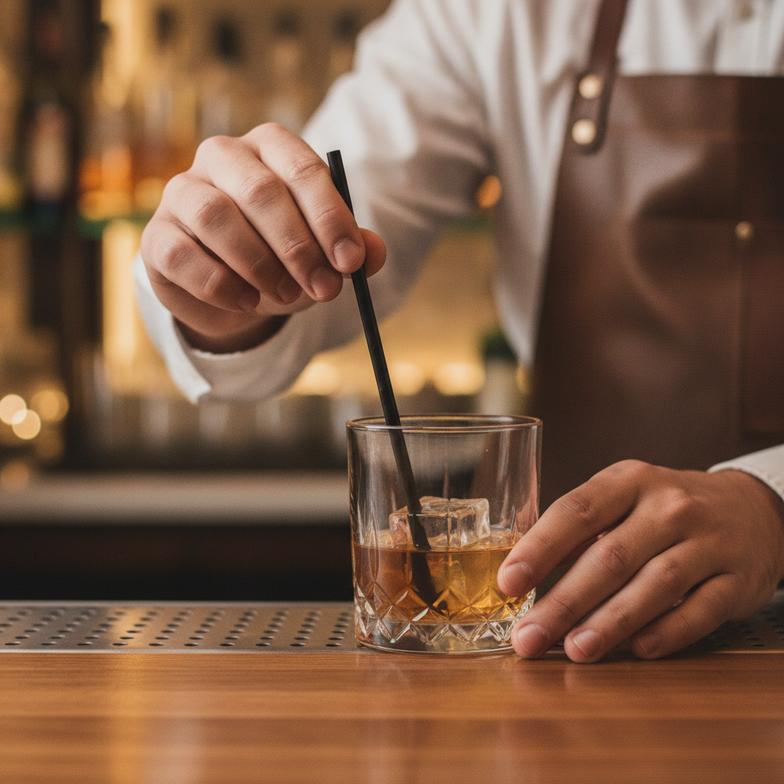
Procurement managers who only look at the per-piece price are missing the bigger picture. The true cost of a low-quality straw shows up elsewhere in your P&L statement.
I always encourage F&B directors to think of a quality paper straw not as a cost, but as an investment in the guest experience. It pays dividends in three key areas:
1. Guaranteed Guest Satisfaction: The best product is one the customer never has to think about. A durable straw just works. The guest enjoys their drink exactly as you intended, from the first sip to the last. 2. Reinforced Brand Perception: A sturdy, well-made straw signals an uncompromising commitment to quality. It’s a small detail that tells guests you care about their entire experience, not just the liquid in the glass. 3. Improved Operational Efficiency: When the straws work the first time, every time, your team can operate at full speed. Service is faster, there’s less mess, and staff morale is higher because they aren’t dealing with avoidable complaints.
Think of it this way: you wouldn’t serve a $20 cocktail in a flimsy plastic cup. The straw is part of that same curated experience. It has to match the quality of everything else on the table.
You’ve spent years perfecting a premium atmosphere, from the lighting to the glassware. The thought of a plain, flimsy paper straw in your signature cocktail can feel like an unwelcome compromise. How do you embrace sustainability without cheapening the luxury feel you’ve worked so hard to create?
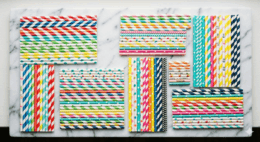
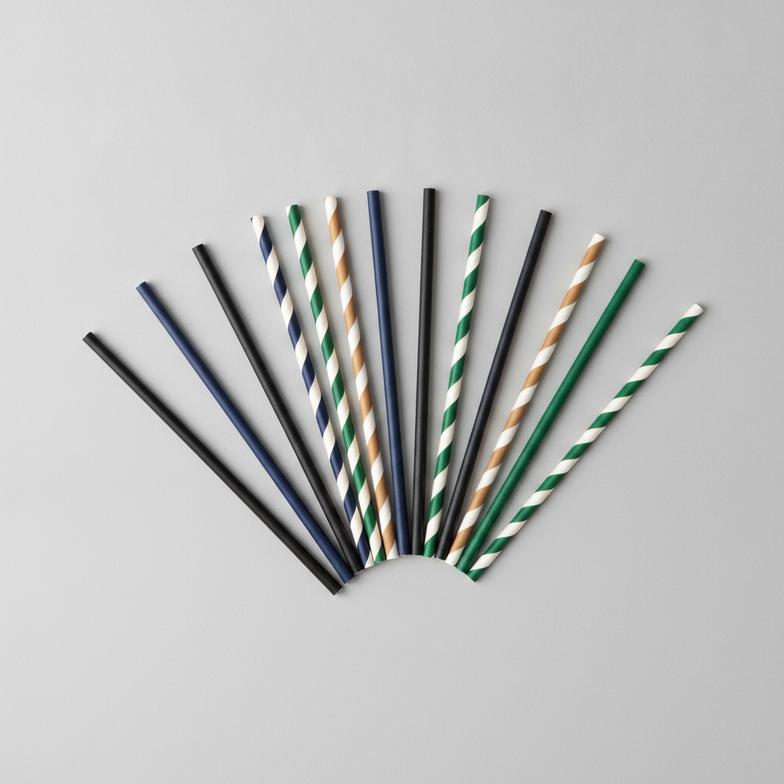
A generic, low-quality paper straw certainly can detract from the experience. But custom paper cocktail straws do the opposite: they elevate it. By choosing custom colors, adding your logo, and selecting premium-feel paper, the straw transforms from a mere utility into a deliberate design choice and a subtle, effective branding tool.
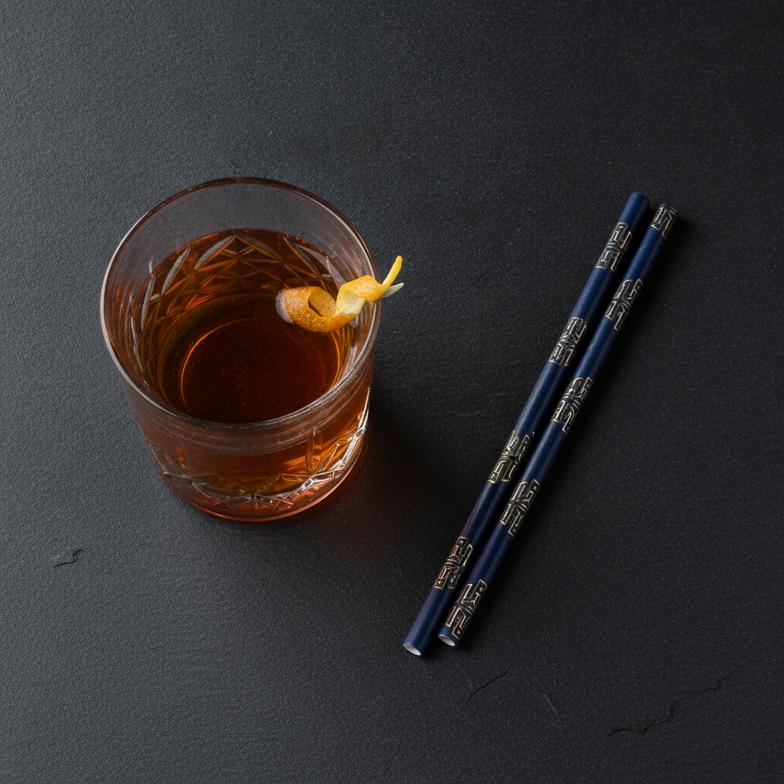
For any professional hospitality venue, especially high-end ones, the conversation must start with safety. After that, we can focus on how the straw contributes to your brand story.
Before you even consider color or design, you must ensure the straws are safe. This is non-negotiable.
Once safety is confirmed, you can get creative. A custom straw is a powerful tool for reinforcing your brand identity.
I worked with a luxury hotel chain that wanted to match their straws to the signature gold accents of their rooftop bar. It became a small but memorable detail that guests frequently photographed and posted on Instagram. The humble straw went from a simple necessity to a piece of user-generated marketing content[11]. That’s the power of getting the details right.
A well-made, 3-ply paper cocktail straw is typically engineered to stay firm for at least 3 hours[12] in a standard cold beverage. This provides more than enough time for a guest to enjoy their drink at a normal pace. The key is always matching the straw’s specifications to the drink’s ingredients.
Yes, provided they are sourced from a reputable manufacturer who uses certified food-grade inks and food-contact safe adhesives. Always ask a potential supplier for documentation to verify that their materials are compliant with food safety standards in your region to ensure guest safety.
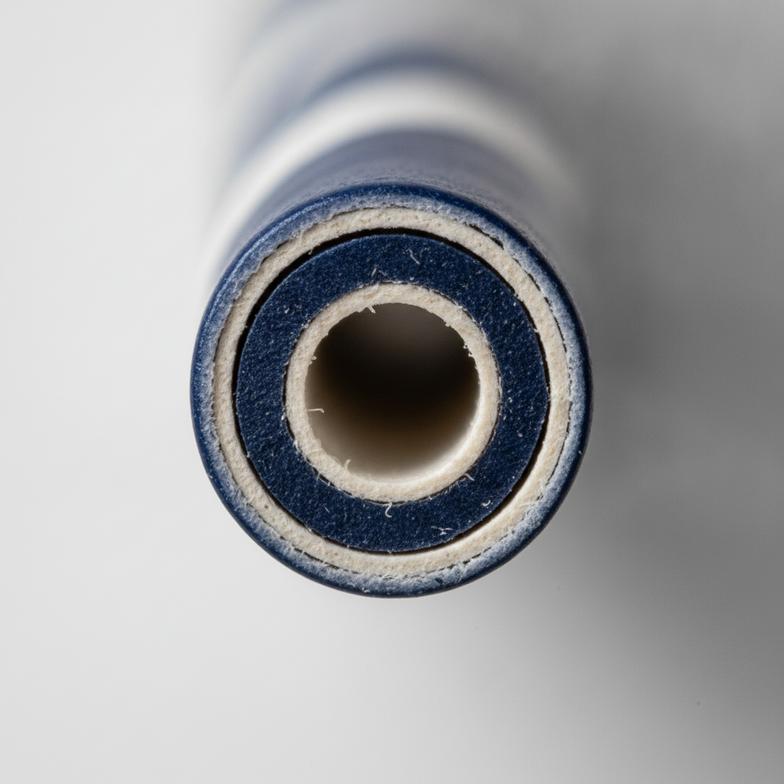
Ply count refers to the number of paper layers used to construct the straw. A 2-ply straw is suitable for simple, non-acidic drinks like water. A 3-ply straw has an additional layer, giving it significantly more rigidity and moisture resistance, making it the professional standard for most cocktails.
Absolutely. A good manufacturing partner can customize both the length and diameter of your paper straws. Shorter straws (e.g., 5-6 inches) are perfect for rocks or lowball glasses, while longer straws (8 inches or more) are better for highball or Collins glasses, ensuring a perfect fit and presentation.
Let’s move past the myth of the "soggy paper straw." The real issue has always been about making a smart procurement decision. By understanding that sogginess is a selection problem, focusing on the Total Cost of Ownership instead of just the unit price, and leveraging customization to enhance your brand, you can turn a potential headache into a competitive advantage. Choosing the right paper cocktail straws is a strategic move that protects your guest experience, strengthens your premium brand image, and demonstrates a genuine commitment to both quality and sustainability.
Don’t leave your drink presentation and brand reputation to chance. Contact us at PaperStrawTech today for a complimentary consultation or to request a sample kit tailored to your specific beverage menu. Let’s work together to find the perfect straw solution for your venue.