
leading paragraph: Sourcing firework paper tubes feels risky. Inconsistent quality can lead to safety failures and performance issues[1]. A bad batch could ruin your products and your reputation.
snippet paragraph: To source custom firework paper tubes, you need a manufacturing partner, not just a supplier. A true partner understands critical variables like paper ply, glue, and winding tension[2]. This focus on process control ensures the safety and consistency your pyrotechnic products demand.
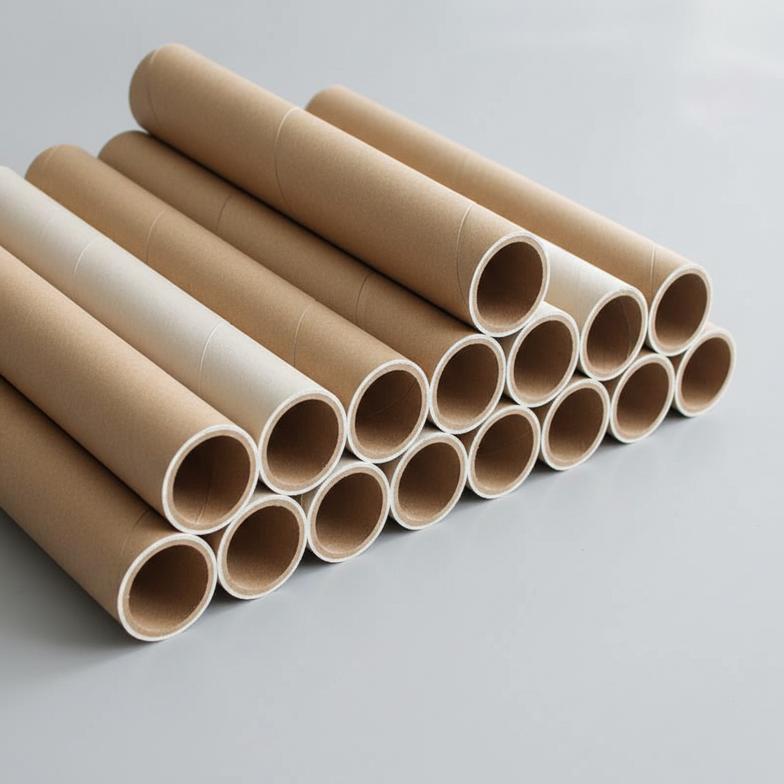
Transition Paragraph: Choosing the right supplier is the most important decision you will make. It’s about finding a manufacturer who can deliver a reliable product every single time. A cheap supplier might seem like a good deal at first, but hidden problems can cost you much more in the long run[3]. We believe the difference between a good partner and a bad one is in the details of their manufacturing process. Let’s explore what those details are and how you can spot a quality manufacturer.
LOOP START
leading paragraph: You give a supplier your exact dimensions for a paper tube. But the samples you get back are weak or inconsistent. This unpredictability creates a massive safety risk for your fireworks.
snippet paragraph: Yes, true custom manufacturing for firework tubes is much more than size and diameter. It involves controlling the paper ply, glue formula, winding tension, and drying methods. These elements determine the tube’s strength, burn rate, and safety[4], which are critical for any pyrotechnic application.
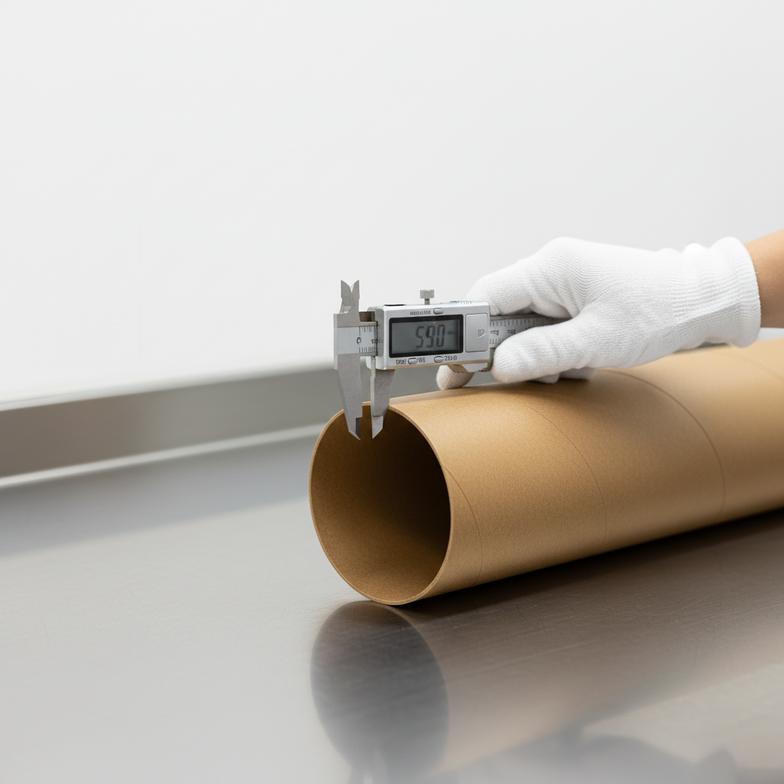
Dive deeper Paragraph: When buyers first come to us, they often provide a list of specifications: inner diameter, wall thickness, and length. This is a good start, but it’s only part of the story. A truly custom tube is built from the inside out. We always start by asking about the intended use. Is the tube for a lift charge, a mortar, or a shell casing? The answer changes everything. For example, the paper’s weight (measured in GSM) and the number of layers (ply) directly impact the tube’s burst strength[5]. A tube for a large aerial shell needs much higher strength than one for a small fountain. The glue is also critical. We adjust our glue formulation to manage moisture resistance and burn characteristics[6], ensuring the tube performs reliably in different climates. Winding tension during production determines the tube’s density and structural integrity[7]. Too loose, and it’s weak. Too tight, and it can become brittle. This is what we mean by a "process," not just a spec sheet.
| Feature | "Spec Sheet Only" Approach | "Process-Controlled" Approach |
|---|---|---|
| Focus | Final dimensions (diameter, length) | Entire manufacturing process |
| Materials | Uses any available paper and glue | Selects specific paper GSM and glue formula |
| Process | Basic winding to meet specs | Manages winding tension and drying |
| Result | Inconsistent strength and performance | Reliable, safe, and consistent tubes |
LOOP END
LOOP START
leading paragraph: You found a supplier with an unbeatable low price. Now you are dealing with failed product batches, safety concerns, and production delays. The problems are costing you far more than you saved.
snippet paragraph: Focusing only on the lowest unit price often creates hidden costs. These come from inconsistent quality, like tubes that fail in humid weather or have weak walls. The real cost includes failed products, damage to your brand’s reputation[8], and production shutdowns, which far outweigh any initial savings.
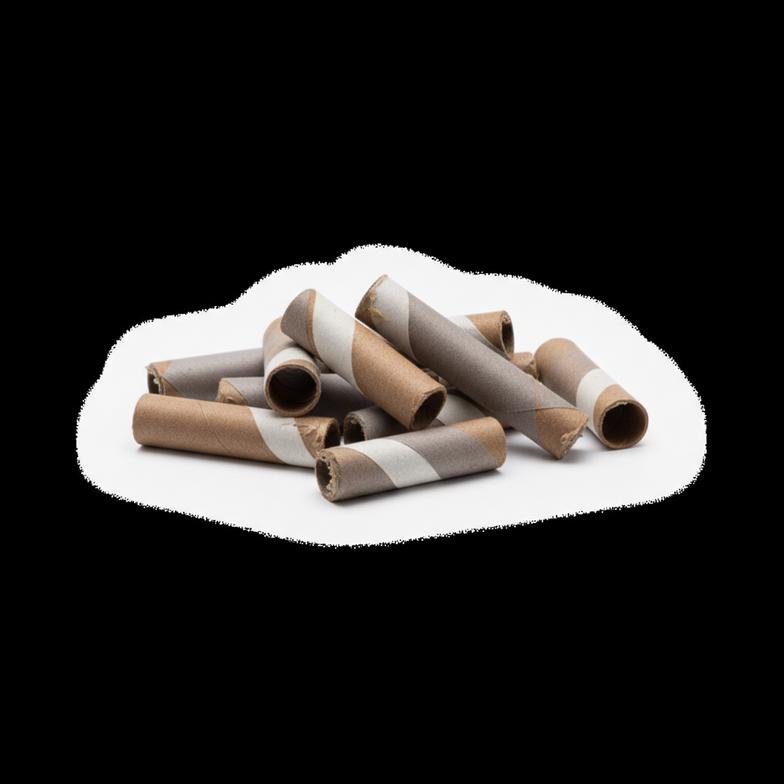
Dive deeper Paragraph: We have seen it happen many times. A company switches to a low-cost supplier to save a few cents per tube. Everything seems fine for the first order. Then, the problems start. The second batch has tubes with inconsistent wall thickness, causing some fireworks to fail. The third batch arrives with high moisture content, and the tubes bend or soften before they can even be used. These are the hidden costs of chasing the lowest price. In the pyrotechnics industry, safety and reliability are everything. One failed product can lead to customer complaints, but a safety incident can destroy your brand’s reputation overnight[9]. A reliable manufacturer invests in quality control. They check the moisture content of the raw paper, they test the compressive strength of the finished tubes[10], and they ensure every batch is the same as the last. This costs a little more upfront. But it provides a massive return on investment by preventing product failures, protecting your reputation, and ensuring your production line keeps running smoothly. It’s a choice between a low unit price and a low total cost.
LOOP END
LOOP START
leading paragraph: You need to find a new paper tube supplier, but everyone’s website looks the same. You are worried about choosing the wrong partner and getting stuck with unreliable, or even unsafe, products.
snippet paragraph: Instead of just asking for a price, ask a potential supplier how they control their manufacturing process. Inquire about their methods for managing paper moisture, testing glue adhesion, and ensuring dimensional tolerance. A great supplier acts like a consultant[11] and asks about your specific application first.

Dive deeper Paragraph: The quality of a supplier is revealed by the questions you ask them, and the questions they ask you. If a supplier’s only question is "How many do you want?" you should be cautious. A true manufacturing partner will want to understand your needs first. They act like a consultant. We always start our conversations by asking about the end use of the tube. This helps us recommend the right materials and construction. To vet a supplier, you need to shift the conversation from price to process. This helps you see their expertise. Here are some questions you should ask to understand if they are an order-taker or a real solutions provider. Their answers will tell you everything you need to know about their ability to deliver a consistent, safe, and reliable product for your fireworks.
| Questions an Order-Taker Likes | Questions a Consultant Asks |
|---|---|
| What’s your best price per unit? | What is the intended use for this tube? |
| What’s your minimum order quantity? | What kind of burst strength do you need? |
| How fast can you ship? | In what climate will these be stored and used? |
| Do you have this size in stock? | How do you control for moisture and humidity? |
These deeper questions force a supplier to demonstrate their technical knowledge and their commitment to quality control[12].
LOOP END
Sourcing firework tubes is about finding a manufacturing partner. Look for a partner who controls their process to ensure safety and reliability, not just a vendor with a low price.