You want sustainable options, but you're worried about customer complaints. A flimsy, soggy straw can ruin a perfect drink and damage your brand's reputation in an instant.
The primary benefit of paper straws is meeting sustainability goals1 while delivering a positive customer experience. This is only achieved by choosing high-quality straws made with the right paper, adhesive, and construction, which prevents sogginess and protects your brand image from negative feedback.
I talk to buyers every day, from large supermarket chains to local coffee shops. The first question they ask isn't always about the environment. It's usually, "Will my customers hate these?" They're worried about sogginess, a weird paper taste, and straws that just fall apart. It's a valid concern. The truth is, the real benefit of a paper straw isn't just that it's not plastic. The benefit comes from choosing a good paper straw. A well-made straw can support your brand and keep customers happy. Let’s break down what you actually need to look for.
Worried that soggy straws will lead to bad reviews and unhappy customers? Every minute a straw sits in a drink is a test, and a flimsy straw will fail.
To prevent sogginess, you need straws made with multiple layers of thick, food-grade paper bonded by a strong, water-resistant adhesive2. The secret is in the engineering—paper density, winding tension, and a proper finish3 are what make a straw last in a drink.
In all my years supplying straws, sogginess is the number one fear I hear from buyers. It’s also the easiest problem to solve if you know what to look for. The durability of a paper straw comes down to its construction. It’s not just rolled-up paper; it's an engineered product. When we develop our straws, we focus on three key areas to fight sogginess.
First is the paper itself. We use thick, 120gsm virgin kraft paper4, which is much more resilient than the flimsy 60gsm paper used in cheap alternatives. Second is the number of layers. A 3-ply or 4-ply straw provides structural integrity5 that a 2-ply straw simply can't match. Third, and most critical, is the adhesive. We use a minimal amount of a specialized food-grade, water-resistant adhesive6 that holds the layers together without breaking down. A weak glue is the first thing to fail.
| Feature | Low-Quality Straw | High-Quality Straw |
|---|---|---|
| Paper Weight | 60gsm or less | 100-120gsm |
| Layers (Ply) | 2-ply | 3-ply or 4-ply |
| Adhesive | Standard, water-soluble | Food-grade, water-resistant |
| Result in Liquid | Becomes soft in <10 mins | Stays firm for hours7 |
From our internal testing, a well-built 3-ply straw can last for hours in an iced coffee. That’s the kind of performance that prevents customer complaints.
Thinking all paper straws are created equal? This assumption is a risk, because a cheap, poor-quality choice often leads to a pile of customer complaints and wasted inventory.
No, quality varies hugely8. Key differences are in the paper source, glue safety, and manufacturing precision. A premium straw uses certified, food-safe materials and is built to last. A poor one can unravel, feel rough, or leave a bad taste in your customer's mouth.
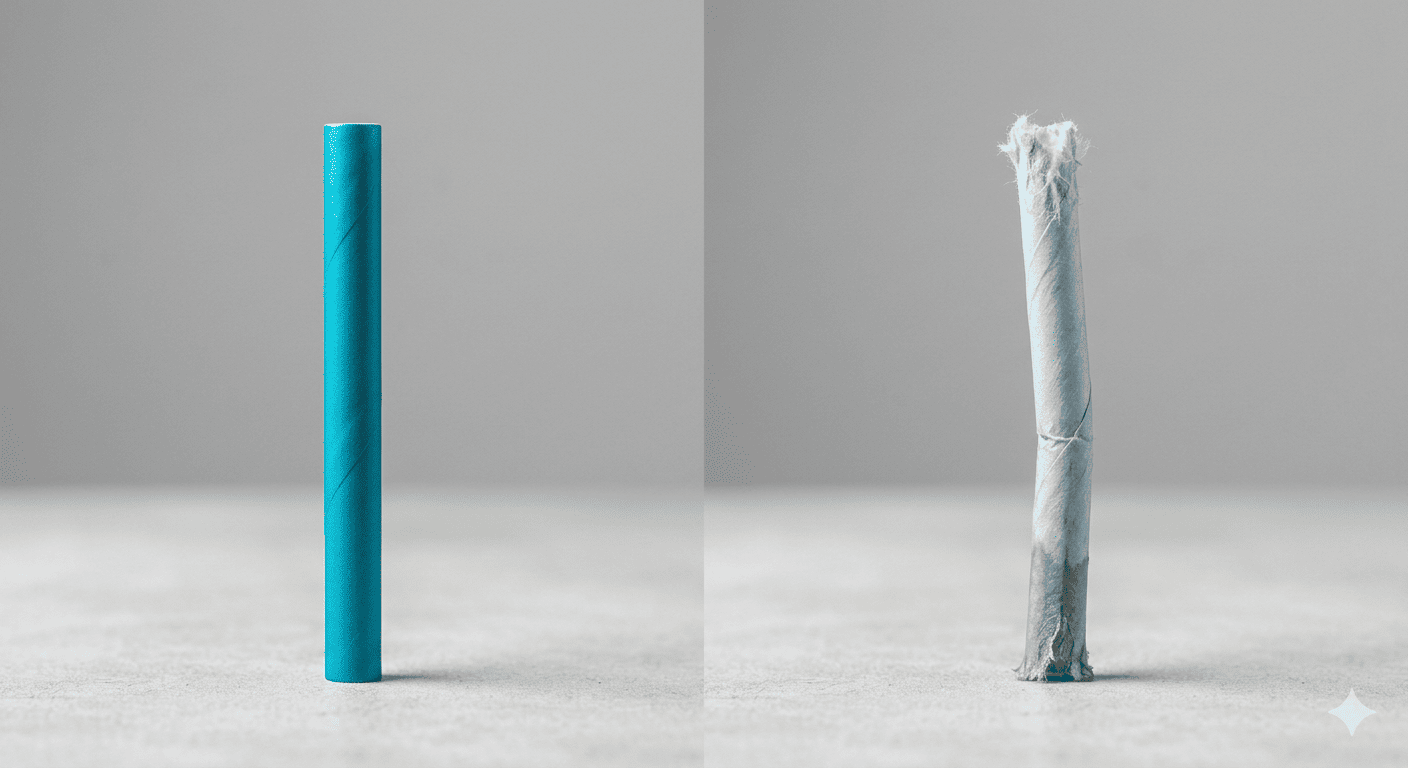
I often receive samples from potential clients who are unhappy with their current supplier. The difference is immediately obvious. A low-quality straw feels light, sometimes has a dusty residue from poor cutting, and can even have a slight chemical smell. These are major red flags. Your customers will notice these things, even if subconsciously. The quality of a paper straw is determined long before it's even formed. It starts with the raw materials.
We insist on using FSC-certified virgin paper9. This ensures two things: the paper comes from responsibly managed forests, and it’s clean and hygienic. Some manufacturers use recycled paper, which can contain impurities10 and lacks the structural strength needed to hold up in a drink. The manufacturing process is just as important. Our machines use sharp, clean-cutting blades that leave a smooth, comfortable edge for a better mouthfeel. We also ensure the straw is wound tightly to prevent it from unraveling.
When buyers test our samples, the first thing they mention is the solid feel and the lack of any paper taste. This isn't an accident. It's the result of choosing the right materials and controlling the manufacturing process.
| Quality Marker | Low-End Straw | Premium Straw |
|---|---|---|
| Paper Source | Uncertified, recycled paper | FSC-certified virgin paper |
| Edge Cut | Rough, can have paper dust | Smooth and clean |
| Mouthfeel | Can feel gritty or soft | Solid and comfortable |
| Safety | Unknown materials | FDA, LFGB food-grade certified11 |
You made the switch to paper straws to show you care about the environment. But what if the straw you chose gives customers a terrible experience, making your brand look cheap?
Absolutely. A sturdy, reliable paper straw shows customers you care about their experience, not just sustainability checkboxes. It aligns your environmental message with a quality product, reinforcing brand trust12. A bad straw does the opposite, creating a negative memory.

A straw seems like a small detail, but it's one of the final touchpoints a customer has with your product. A great drink can be ruined by a bad straw in the last few sips. This is where a small choice can have a big impact on your brand's reputation. When you provide a high-quality paper straw that works, you're sending a clear message: "We are committed to sustainability, but we will not sacrifice your experience to do it." This builds trust.
I worked with a regional coffee chain that was one of the first to switch to paper straws. Initially, they went with the cheapest supplier they could find. Their social media pages were quickly filled with complaints. Customers posted pictures of dissolved straws in their expensive lattes. It was a brand image nightmare. They came to us for a solution. We supplied them with our 4-ply, durable straws. The complaints stopped almost overnight. More importantly, they started seeing positive comments. Customers appreciated that the company listened and found a sustainable option that actually worked. The straw became a quiet symbol of their commitment to quality in all things.
The true benefit of paper straws is found when quality comes first. Choosing the right one protects your brand, satisfies your customers, and genuinely supports your sustainability goals.
A government or international-institution source can support why replacing plastic straws is commonly part of single-use plastic reduction and sustainability programs. ↩
A materials science paper or food-packaging source can explain how ply count, wet-strength paper, and adhesives affect liquid resistance. ↩
A technical paper or university source on paper tubes or paper straw manufacturing can validate these structural-performance factors. ↩
A paper-engineering source can support the relationship between grammage, kraft fiber properties, and mechanical strength. ↩
Independent test data or paper tube research can support the claim that additional layers improve rigidity and collapse resistance. ↩
Regulatory or food-contact material guidance can substantiate that adhesives in straws must be suitable for food contact and stable in use conditions. ↩
An independent lab study, academic paper, or standard test method can verify typical liquid-resistance performance for paper straws. ↩
Independent product testing or academic research can support that paper straw performance differs meaningfully by materials and manufacturing. ↩
The Forest Stewardship Council or a neutral forestry source can confirm what FSC certification and chain-of-custody claims mean. ↩
Food-safety agencies or scientific reviews can document contaminant concerns associated with recycled paper in food-contact applications. ↩
Regulatory sources can explain food-contact material requirements and support why FDA or LFGB compliance is relevant for straw safety. ↩
Consumer-behavior or marketing research can support the relationship between consistent product experience, sustainability claims, and brand trust. ↩