Confused by all the eco-friendly straw options? Choosing the wrong one can lead to soggy straws, wasted money, and unhappy customers. Let's find the perfect fit for you.
The best eco-friendly straw is one that matches your specific needs. You should consider the type of drink, how long it will be used, and your local disposal options. It’s about finding the right fit for your business, not just a label like "biodegradable."
I talk with cafe owners and restaurant managers every day. Many of them want to make a sustainable choice, but they feel overwhelmed. They see dozens of options online, each claiming to be the "best" for the planet. The truth is, the search for a single "most eco-friendly" straw is a trap. It's the wrong question to ask. The right question is, "Which straw works for my specific beverage, my customers, my operating model, and my local reality?" Let's break down how to find that answer together, so you can make a choice that is good for the environment and great for your business.
The labels on eco-friendly products can be confusing. Misunderstanding terms like 'biodegradable' can lead to accidental greenwashing. Let's clarify what these labels really mean for your business.
Not always. "Biodegradable" just means it breaks down over time, which could take years in a landfill. "Compostable" requires specific industrial composting facilities that may not exist in your area. You should always check for certifications and local regulations to make a truly responsible choice.
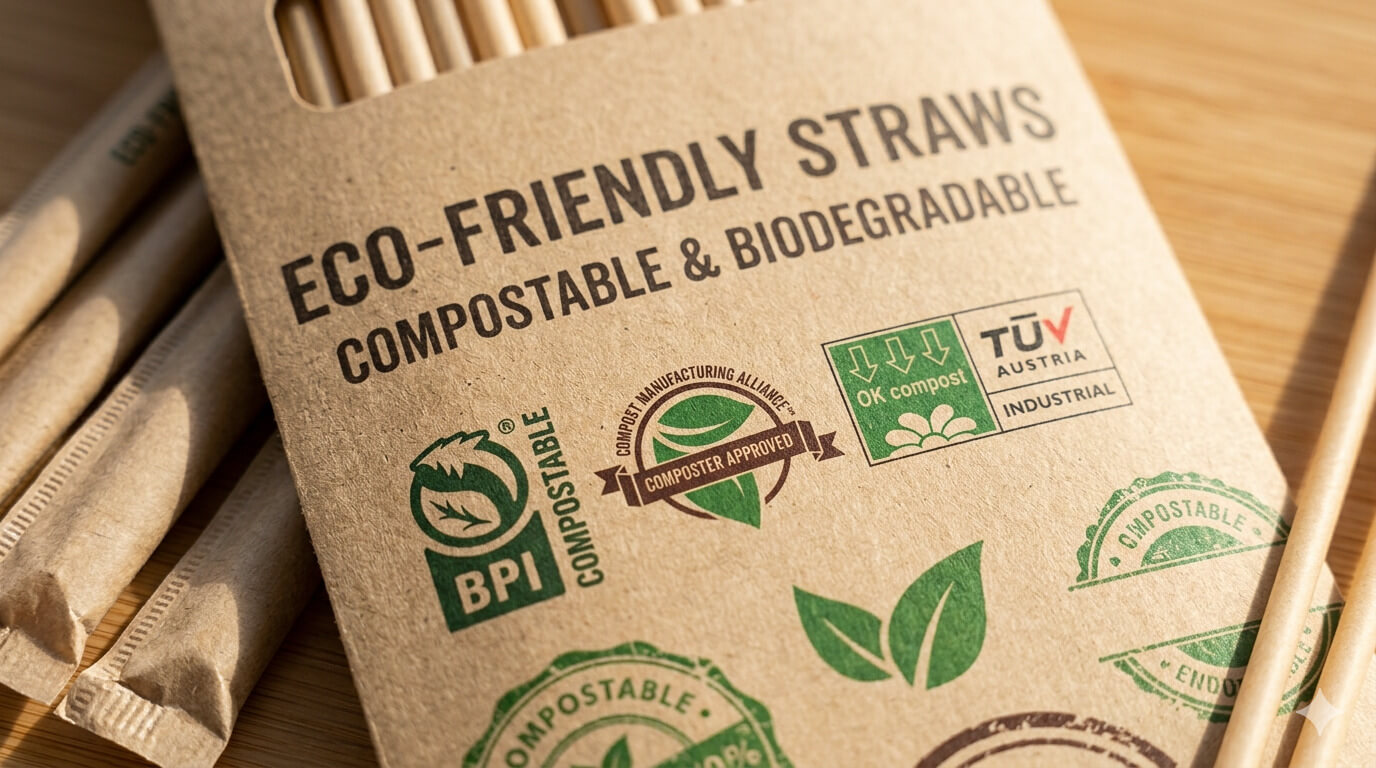
In my conversations with buyers, the first thing they often ask about are these eco-labels. It's a great starting point, but these words don't tell the whole story. The effectiveness of these straws depends entirely on where they end up after a customer is finished with them. If a "compostable" straw is thrown in the regular trash and sent to a landfill, it won't break down as designed. It needs the high heat and specific conditions of an industrial composting facility. Before you invest in a compostable product, you have to ask yourself: "Do we have access to a commercial composting service in our city?" If the answer is no, then a different type of straw might actually be a better choice.
Understanding these differences is critical. It helps you avoid paying a premium for an environmental benefit that your business can't actually deliver.
| Term | What It Really Means | What You Must Check |
|---|---|---|
| Biodegradable | The material will eventually be broken down by microorganisms. However, there is no set timeframe, and it can take many years in a landfill. | Does it have any certifications specifying the conditions and timeframe for breakdown? Or is it just a vague marketing claim? |
| Compostable | The material will break down into natural elements in a commercial composting environment, usually within 90-180 days. | Are there industrial composting facilities in your area that will accept your straws? Look for certifications like BPI or CMA. |
| Plant-Based | The straw is made from plant materials like cornstarch (PLA), sugarcane (bagasse), or paper. This term describes what it's made of, not how it breaks down. | Is it also certified compostable? A plant-based straw that ends up in a landfill can behave a lot like a traditional plastic one. |
Ultimately, you need to align your straw choice with your local waste management infrastructure. That is the most responsible path.
We've all had it happen. A paper straw gets soggy in a thick milkshake. The wrong straw can completely ruin a customer's experience with their drink. The solution is to match the straw material to your menu.
For cold, thin liquids like soda or iced tea, paper or standard PLA straws work well. For thick drinks like smoothies or bubble tea, you need wider, sturdier options like bagasse or CPLA. Hot drinks require materials specifically rated for heat.
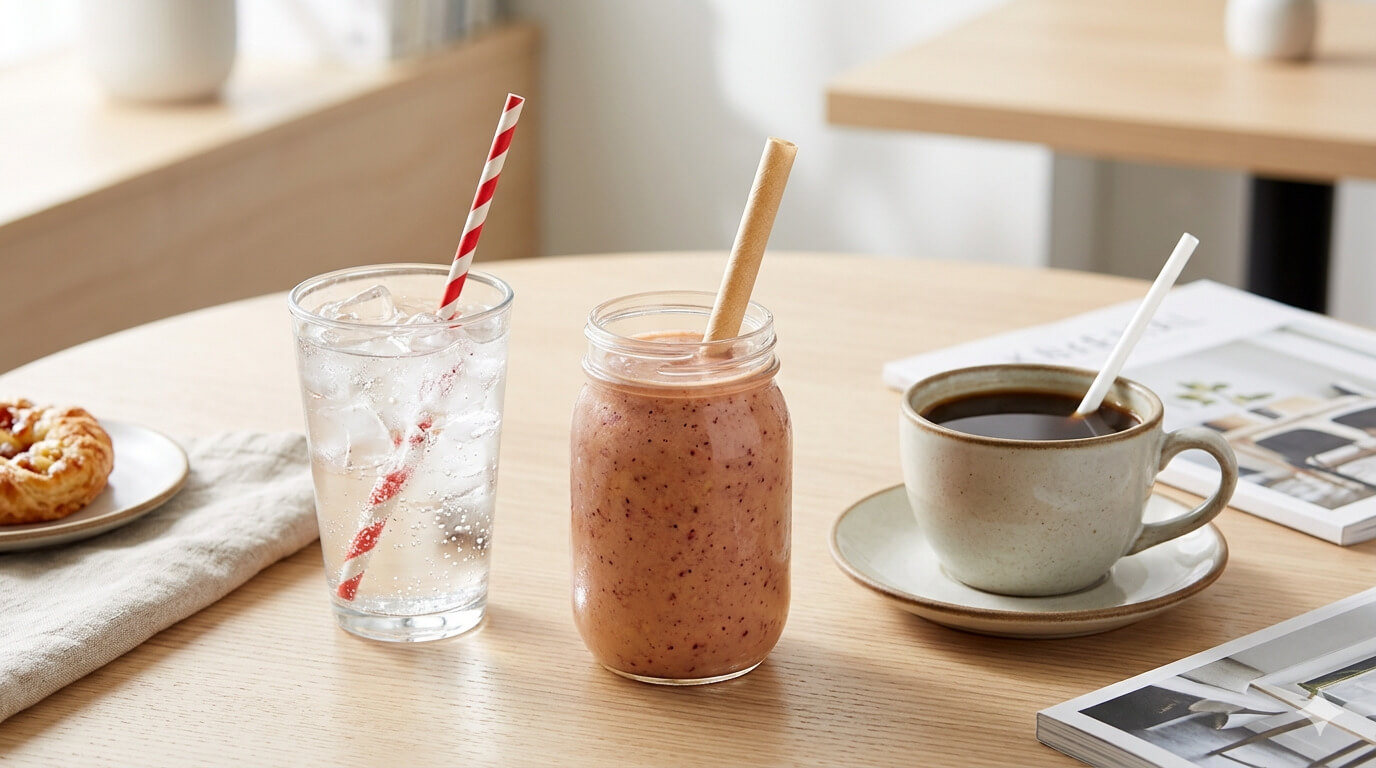
Many buyers I speak with are initially focused on the unit price of a straw. But they quickly realize that a cheap straw that fails is far more expensive in the long run. A single customer complaint about a collapsing straw can damage your brand's reputation. The best practice I've seen is simple: test the straws yourself. Order samples and use them with your most popular, and most challenging, drinks. Leave a straw in a smoothie for 30 minutes. Try stirring a thick milkshake with it. See how it holds up in an acidic lemonade. This hands-on testing gives you more confidence than any marketing brochure ever could. It ensures the product you order will delight your customers, not frustrate them.
Let's look at the pros and cons of the most popular disposable options. This isn't about which one is "best" overall, but which one is best for a specific job.
| Material | Best For | Key Weakness | What to Check Before Buying |
|---|---|---|---|
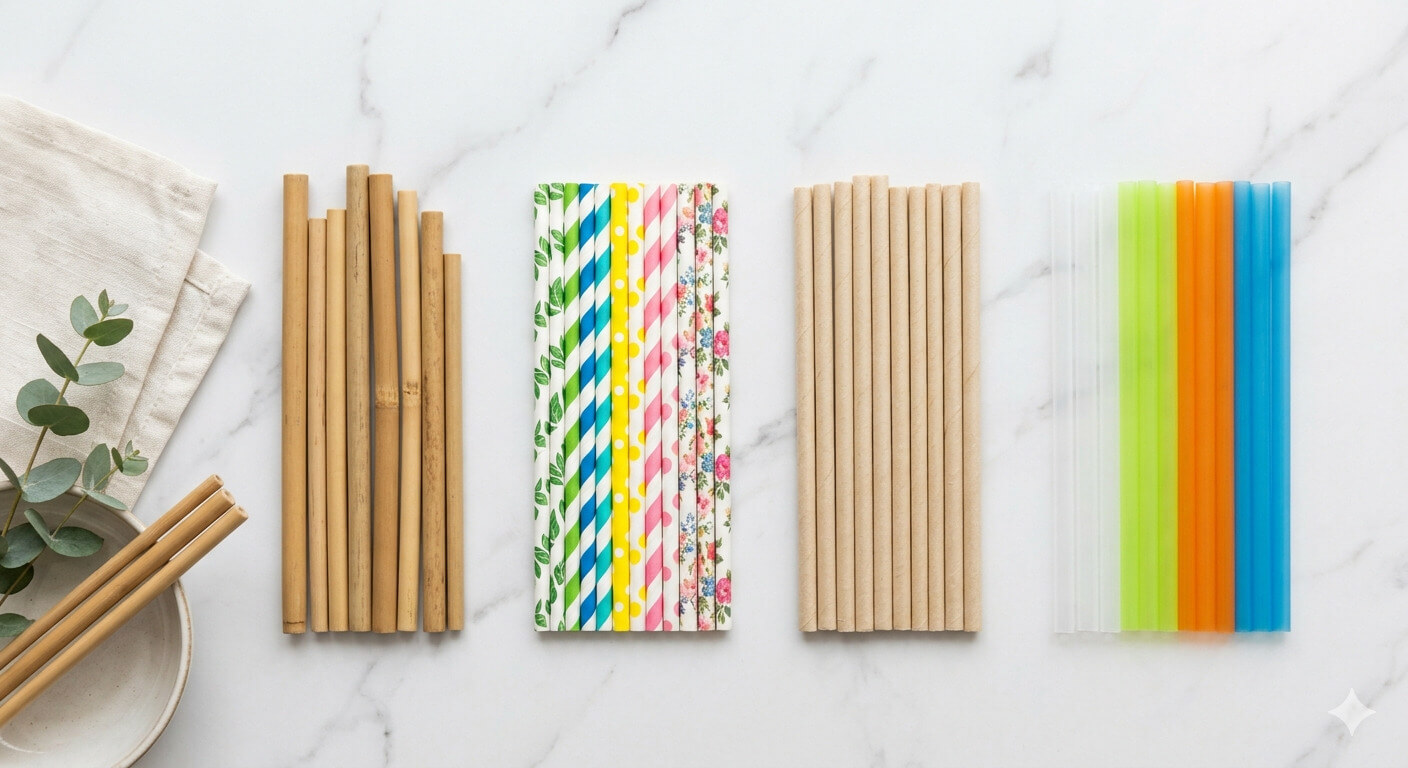
| Paper | Thin, cold drinks (soda, juice, iced coffee). Good for short-term use. | Can get soggy quickly, especially in thicker or acidic drinks. | The paper thickness (measured in gsm). Is it made from sustainably sourced paper (e.g., FSC certified)? |
| PLA (Cornstarch) | Cold drinks of all kinds. It mimics the feel of plastic. | Not for hot drinks (it will warp). Requires industrial composting to break down properly. | Is it standard PLA (for cold) or CPLA (crystallized, for hot)? Do you have access to industrial composting? |
| Bagasse (Sugarcane) | Smoothies, milkshakes, and both hot and cold drinks. Very sturdy. | Can have a slight natural texture. Supply can sometimes be less stable than paper or PLA. | Is it 100% bagasse? Check for certifications. Test samples for any potential taste transfer with your drinks. |
| Bamboo / Wood | Aesthetically pleasing for craft cocktails or natural-themed cafes. Reusable and disposable options exist. | Disposable versions can be more expensive. Reusable versions require cleaning protocols. | For disposable, check for FSC certification. For reusable, consider the durability and ease of sanitation. |
This table shows there is no perfect straw. It's always a trade-off. Your job is to find the trade-off that works best for your menu and your brand.
You found a supplier with a great price. But what happens if their quality is inconsistent or their supply chain is unreliable? A cheap straw can become a very expensive problem.
Look beyond the unit price. Ask about Minimum Order Quantity (MOQ), lead times, and supply chain stability. Always request samples to test quality and check for valid certifications. Also, make sure the packaging fits your operational needs.
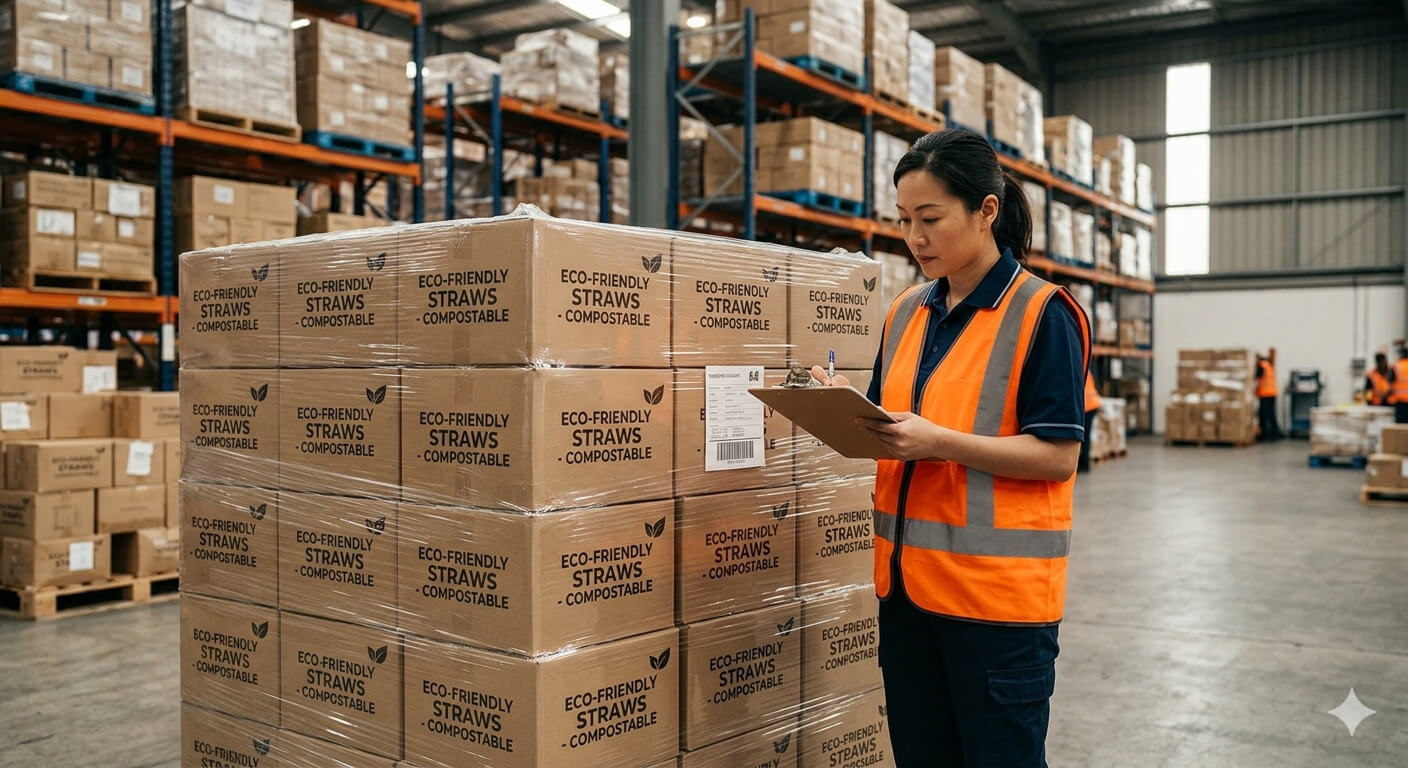
I've seen business owners get into trouble by focusing only on the cost per straw. They place a huge order to get a discount, only to find the straws arrive damaged, are the wrong size, or the supply dries up right before their busy season. Procurement is about managing risk. A reliable supplier who communicates clearly is worth much more than a supplier who is simply the cheapest. You are not just buying a product; you are investing in a partner who is part of your daily operations. A good partner helps you avoid problems. They will provide documentation for their certifications, offer consistent quality, and be transparent about their production and shipping times.
Before you commit to a large order, run through these critical business questions. This helps protect your investment and your brand reputation.
Thinking through these points turns a simple purchase into a smart business decision. It ensures that your switch to eco-friendly straws is a smooth and successful one.
Choosing the right eco-straw is a business decision. Match the material to your drinks, customers, and operations to find the perfect, sustainable fit for your brand.