
Struggling to find an eco-friendly cutlery option that doesn’t compromise on quality? Many businesses switch to sustainable alternatives only to face a new problem: flimsy, unreliable products that lead to customer complaints. A high-quality paper spoon is the solution, engineered to provide a positive user experience while meeting sustainability goals.
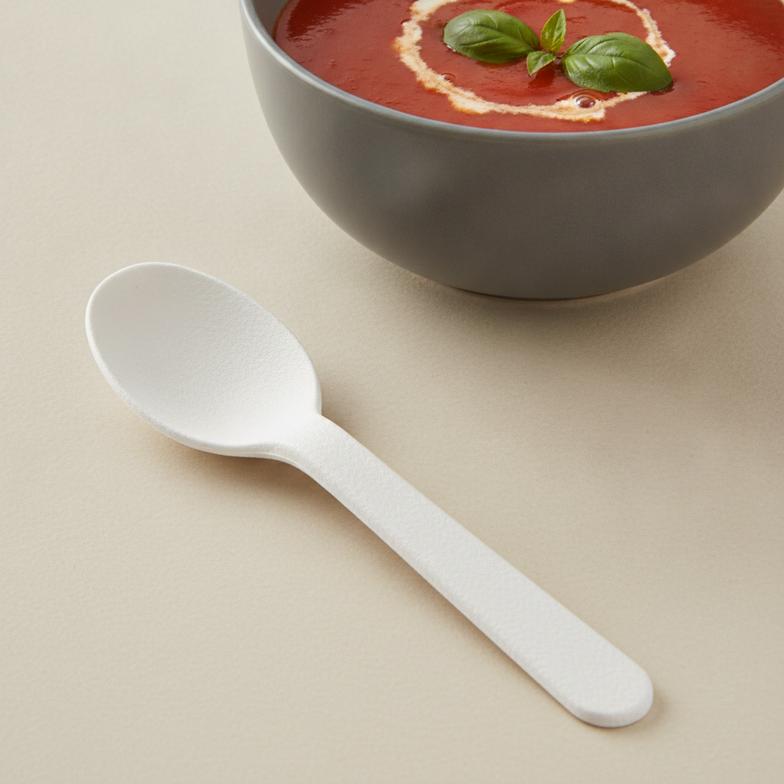
A paper spoon is a single-use, biodegradable utensil[1] made from multiple layers of compressed paperboard, designed as a sustainable replacement for plastic cutlery. Its performance, particularly its resistance to heat and moisture, is directly determined by the quality of the raw paper fibers and the manufacturing process[2] used to form its rigid structure.
Now you know the basic definition, but the real question for any procurement manager is what separates a reliable tool from a potential brand liability. Let’s break down the critical factors that make a paper spoon a smart business decision.
You’ve made the switch to paper spoons to align with your brand’s eco-conscious values. But now, you’re hearing whispers of frustration—spoons going limp in hot soup or breaking in thick ice cream. This failure isn’t just an inconvenience; it’s a threat to your customer’s experience. Understanding the root cause is the first step toward choosing a better product.
The primary reason for sogginess is the use of low-grade, short-fiber paper[3]. This material has a porous structure that absorbs liquid rapidly, causing it to lose its rigidity almost immediately. In contrast, premium spoons are crafted from long-fiber virgin pulp, which creates a dense, strong, and more water-resistant utensil.
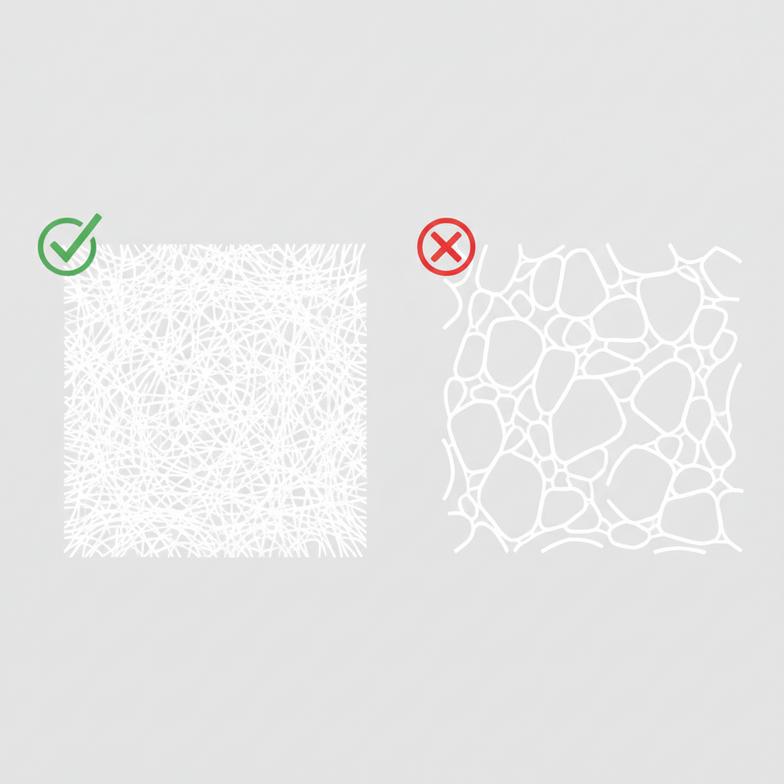
For a procurement manager, the term "soggy" translates to a quantifiable business risk. To mitigate this risk, it’s essential to understand the material science that prevents it. The difference between a spoon that lasts for a three-course meal and one that fails in three minutes comes down to the paper itself.
Think of building a log cabin. You’d use long, interlocking logs to create a strong, stable structure. Short, chopped-up pieces of wood wouldn’t hold together. The same principle applies to paper.
Beyond fiber length, two other manufacturing factors are critical:
1. Grammage (GSM)[6]: This refers to the weight and thickness of the paper. A higher grammage means more material, which contributes to a stiffer, more robust feel. A low-cost spoon often cuts corners by using a lower GSM paper, making it feel flimsy from the start. 2. Multi-Layer Construction: A premium paper spoon isn’t just a single piece of stamped paper. It’s constructed from multiple layers (typically 3 to 5) of high-grammage paperboard. These layers are bonded together using immense heat and pressure, forming a single, rigid piece that’s far stronger than any individual layer. This lamination process is key to preventing the spoon from bending or breaking.
As a manufacturer, I’ve seen the difference firsthand. When we run tests in our facility, spoons made from short-fiber paper often fail in hot liquid (85°C / 185°F) in under five minutes. Our spoons, built with long-fiber pulp and a multi-layer design, are engineered to maintain their structural integrity for over three hours under similar conditions—far exceeding the time needed for any meal.
Choosing a paper spoon supplier can feel like a gamble when you can’t see the factory floor. How can you be confident that the product you’re procuring will consistently perform as promised, batch after batch? The key lies in partnering with a manufacturer who has a transparent, quality-controlled process from start to finish.
A high-quality paper spoon is created through a precision-engineered process. It begins with sourcing certified, premium paperboard, which is then die-cut, heat-pressed into a multi-layered form for extreme rigidity, and meticulously inspected. Every step is designed to build a durable and food-safe final product.
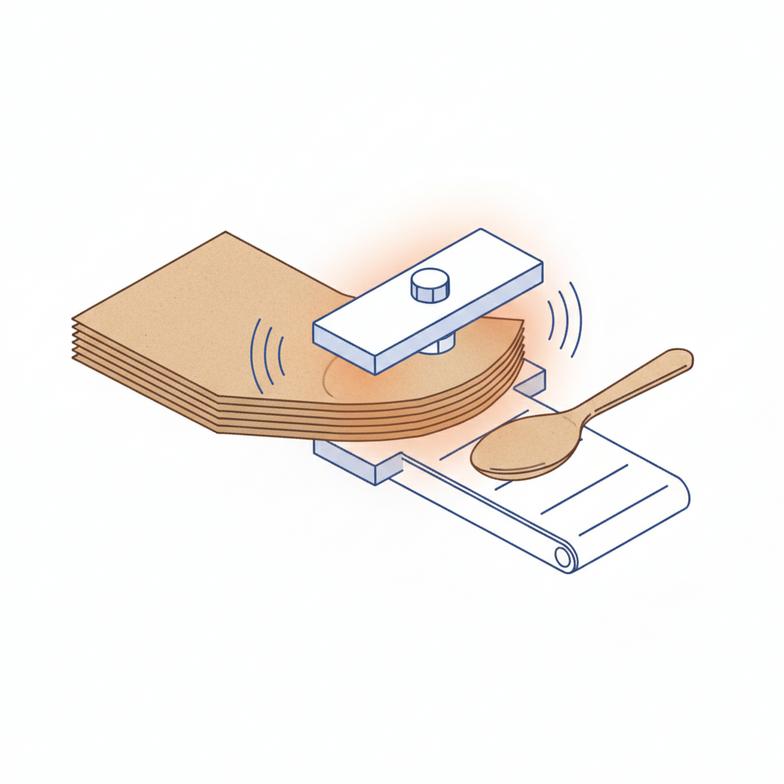
A dependable paper spoon doesn’t happen by accident. It’s the result of a controlled, multi-stage manufacturing process where quality is prioritized over cutting costs. From my experience running our production lines, here is what that process looks like for a product you can trust.
1. Material Sourcing and Inspection: The process begins long before the machines start running. We source our raw materials, primarily long-fiber kraft paper, from suppliers who can provide documentation for food-contact safety and sustainable forestry (like FSC certification[7]). Each roll of paper is inspected for correct grammage, consistency, and purity. This is a critical, non-negotiable first step. 2. Precision Die-Cutting: The large rolls of paperboard are fed into a die-cutting machine. This machine uses a sharp, custom-shaped mold (a "die") to stamp out the flat, unfolded shape of the spoon from several sheets of paper simultaneously. Accuracy here is vital to ensure all layers align perfectly in the next stage. 3. Heat Lamination and Forming: This is the most important step for creating strength. The multiple die-cut layers are stacked and placed into a high-pressure forming press. The machine applies immense pressure and high temperatures (often over 150°C / 300°F)[8]. This heat and pressure combination bonds the paper fibers and layers together, transforming the flexible paper into a single, rigid, monolithic spoon. 4. Embossing and Finishing: During the pressing stage, we can also emboss a customer’s logo directly onto the handle, creating a powerful branding opportunity. After pressing, the spoons are ejected and move on to final quality checks. 5. Rigorous Quality Control: A sample from every batch undergoes a series of tests in our on-site lab. These aren’t just visual checks. We perform:
Only after passing these tests is a batch approved for packaging and shipment. This disciplined process ensures that the paper spoon a customer receives is not just a disposable item but a piece of reliable equipment.
On a procurement spreadsheet, a cheaper paper spoon can look like an easy win—a simple way to cut costs. But what are the hidden, off-spreadsheet costs associated with a product that fails at the critical moment of use? Understanding these true risks reveals why investing in quality is ultimately the most cost-effective and prudent business decision.
The primary business risks of a low-quality paper spoon are severe brand damage from negative customer experiences, increased operational costs from handling complaints, and potential compliance issues if the materials are not certified as food-safe. These risks far outweigh any small, initial savings on the unit price.
As a procurement professional, your job extends beyond negotiating price; it’s about managing and mitigating risk for your organization. A failing paper spoon introduces risks that can have significant financial and reputational consequences. Let’s quantify what a "cheap" spoon can really cost you.
| Risk Category | Direct & Indirect Costs |
|---|---|
| Brand & Reputational Damage | A customer’s photo of a disintegrated spoon in their soup going viral on social media. Negative online reviews specifically mentioning "cheap, useless cutlery." The perception that your brand cuts corners on quality. |
| Operational Inefficiency | Staff time spent apologizing to customers and fetching replacement spoons. The cost of comping meals or offering discounts to unhappy patrons. In a large chain, these small interactions add up to significant labor and revenue loss. |
| Customer Churn | A bad experience, even with something as small as a spoon, can be the final straw that prevents a customer from returning. The loss of Customer Lifetime Value (CLV)[9] is a massive, long-term financial hit. |
| Supply Chain & Compliance Risk | If a supplier uses non-food-grade materials or coatings, it creates a safety liability[10]. Failing an audit or facing a health inquiry can lead to fines and forced product recalls, destroying trust and halting operations. |
I recall working with a procurement manager for a national fast-casual soup chain. They had switched to a very low-cost paper spoon supplier to improve their sustainability metrics. Within two months, their customer service channels were flooded with complaints. Social media mentions about their "soggy spoons" were spiking. The operational team was frustrated, and the brand’s reputation for quality was taking a direct hit.
They came to us looking for a solution. We provided them with samples of our long-fiber, heat-pressed spoons and the technical data from our internal stress tests. Though our per-unit price was slightly higher, the manager understood the business case immediately. He wasn’t just buying a spoon; he was buying insurance against complaints and brand damage.
After switching to our product, their spoon-related complaints dropped by over 95% within the first month[11]. The marketing team could once again focus on promoting their food, not defending their cutlery. This is the tangible ROI of choosing a reliable paper spoon. It transforms a potential liability into a silent, functional asset that supports the customer experience.
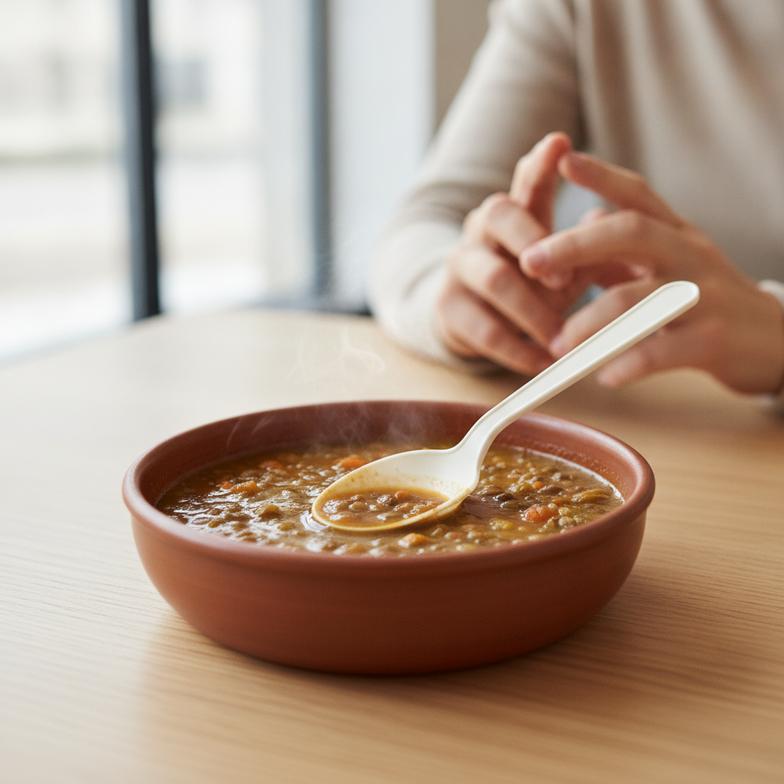
Yes, provided they are specifically designed for it. A high-quality paper spoon made from dense, long-fiber paper and manufactured using a high-heat pressing process can maintain its rigidity in liquids up to 85°C (185°F) for extended periods. Always verify performance specifications with the manufacturer.
A well-engineered paper spoon should maintain its full structural integrity for over 3 hours in both hot and cold liquids under normal use. This is significantly longer than the time required for a typical meal, ensuring a reliable experience from the first bite to the last.
For procurement, it’s crucial to verify documentation. Ask for evidence of food-contact safety compliance[12] relevant to your market (such as reports related to FDA or EU regulations). Additionally, request certifications for responsible material sourcing, such as the Forest Stewardship Council (FSC), to ensure the paper comes from sustainably managed forests.
Absolutely. Reputable manufacturers can emboss your logo directly onto the handle of the paper spoon during the heat-pressing stage. This offers a great opportunity for branding reinforcement. You can also customize the packaging to feature your brand identity.
Ultimately, a paper spoon is far more than a disposable utensil; it is a direct reflection of your brand’s standards and a critical touchpoint in the customer journey. We’ve seen that the difference between a frustrating, soggy failure and a strong, reliable product lies in the science of its materials and the precision of its manufacturing. Choosing a spoon made from premium long-fiber paper, formed through a multi-layer heat-press process, is not an expense—it’s an investment in risk management, brand protection, and customer satisfaction.
If you are a procurement manager looking to source reliable, high-performance paper cutlery that enhances your brand, our team is ready to help. Contact us to discuss your specific needs, review our technical data, and request samples for your own evaluation.