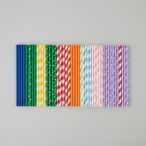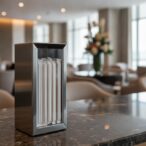
Your bee house is empty, and last year’s bees didn’t return. It’s frustrating. The solution lies in understanding the crucial role of annual tube refills for their survival.
Mason bee tube refills are replaceable nesting tunnels. Bee houses need them to break the lifecycle of pests and diseases, like pollen mites and chalkbrood[1], that build up in used tubes. This simple act is essential for protecting the next generation of bees from contamination and death.
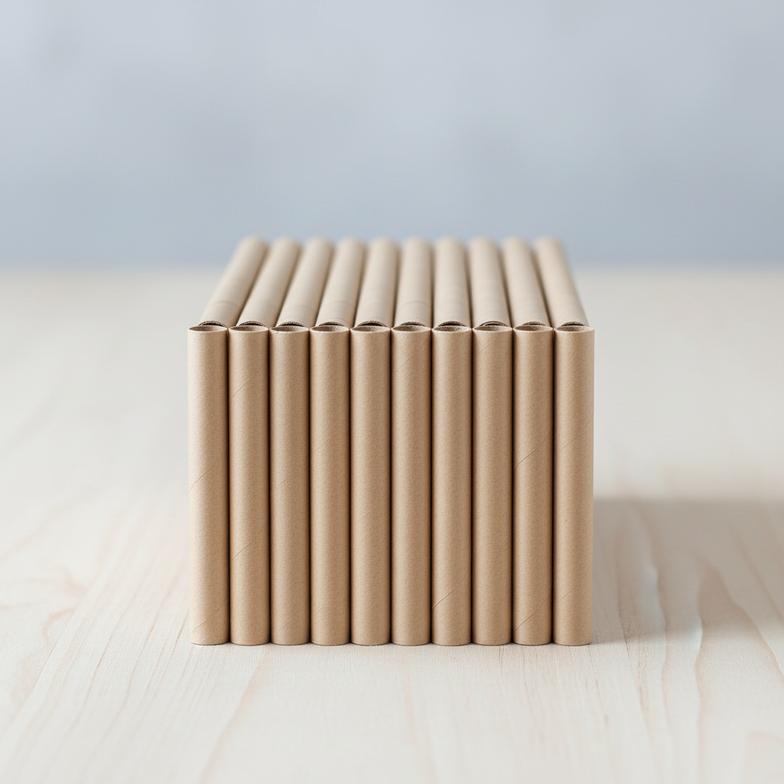
It’s a hard lesson to learn that a "permanent" nesting block can become a death trap[2]. I’ve heard this story from many customers who are starting their journey into supporting pollinators. But this isn’t about failure; it’s about learning how these fascinating creatures thrive. Now, let’s explore how to choose the right refills to ensure your bee house is a safe haven, not a hazard. This knowledge will help you build a sustainable and successful pollinator population year after year.
You think reusing nesting tubes saves money and effort. But this false economy leads to a decline in your bee population year after year. The truth is, replacement is disease control.
Reusing tubes allows parasitic wasps, pollen mites, and chalkbrood fungus to multiply[3]. These pests and diseases thrive in old nesting material, killing bee larvae before they can mature. Replacing tubes annually is the single most effective way to break this deadly cycle[4] and ensure healthy bees.
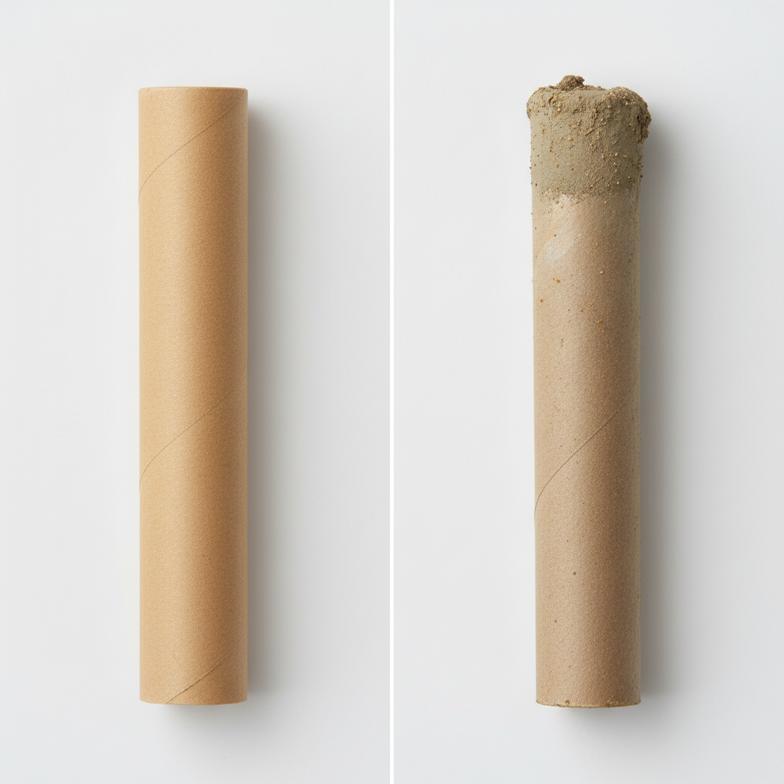
Let’s break this down from a risk management perspective. As a manufacturer of paper tubes for various industries, including bee houses, we see customers grappling with this issue all the time. The evidence we’ve gathered from the field is clear. Imagine a used nesting tube. After a season, it contains not just a precious bee cocoon but also leftover pollen, bee waste (frass), and an invisible army of microscopic predators. The most common threats are pollen mites, which devour the larva’s food supply, and chalkbrood, a devastating fungus that mummifies the bee larva[5] in a chalky tomb. Parasitic wasps are another danger; they lay their own eggs inside the bee cocoon, and their young consume the bee larva from the inside out[6]. When you leave these contaminated tubes in your bee house, you are essentially setting up a death trap for the next generation. From what our clients report, bee mortality rates can skyrocket in bee houses that are not properly managed[7] with refills. The solution is simple but absolutely critical: remove and replace the tubes every single year after you’ve harvested the cocoons. This is not just "spring cleaning"—it’s a vital quarantine procedure for the health of your bees.
| Feature | Reused Tube (High Risk) | New Refill Tube (Low Risk) |
|---|---|---|
| Disease Load | High concentration of chalkbrood spores and other fungi. | Sterile and free of contaminants. |
| Pest Presence | Likely contains pollen mites and parasitic wasp larvae. | Completely free of pests. |
| Larval Food | At risk of being consumed by mites before the bee can. | Secure and uncontaminated for the larva. |
| Bee Survival | Significantly lower due to predation and disease. | Maximized for healthy emergence. |
You’re stuck choosing between paper, cardboard, or natural reeds. Making the wrong choice can harm your bees or make harvesting cocoons nearly impossible. A clear decision framework is the answer.
A good refill must be breathable yet water-resistant to prevent mold and dehydration[8]. It needs to open easily for safe cocoon harvesting. The inner surface must be smooth to avoid tearing bee wings[9]. Most importantly, the material must be free of toxic glues, inks, and chemicals[10].
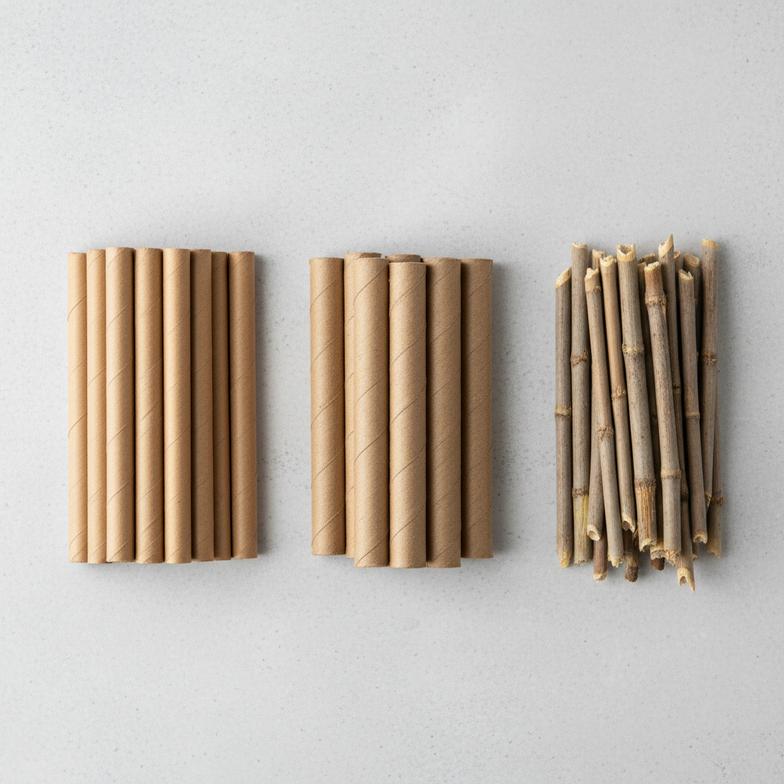
Over the years, my company has helped many bee house brands refine their products. Through this process, we’ve developed a checklist that moves the conversation beyond a simple "paper vs. reed" debate. It’s about performance, safety, and operational efficiency. First, you must consider breathability and water resistance. A tube needs to allow moisture to escape to prevent deadly mold from growing on the pollen loaf. However, it can’t be so porous that it completely dries out the larva. This is a delicate balance that we engineer into our paper tubes through careful material selection and construction. Second, and this is critical for anyone managing more than a few bees, is the ease of opening. Your goal is to inspect cocoons and harvest them for cold storage. A tube that tears, shreds, or is glued shut makes this impossible, often destroying the cocoons you worked all season to cultivate. Third, you need to check the inner surface. It must be smooth. A rough, splintered, or seamed surface can shred a bee’s delicate wings as it emerges, leading to a short and ineffective life. Finally, think about material safety. A frequent question from bee house brands is about the glues and inks we use. We strictly use soy-based adhesives and food-safe materials to ensure there is no chemical off-gassing or leaching that could poison the developing bee. Using this framework will help you choose a refill that supports both the bees and your own operational needs.
You might assume one paper tube is just like any other. But a cheap, poorly made tube can be just as damaging as a dirty one. You need to know how to spot quality.
No, they are not. High-quality paper refills use food-grade, FSC-certified paper and non-toxic soy-based glue. They are manufactured to peel open easily for cocoon harvesting. Poorly made tubes use mystery materials and glues, and they often tear or delaminate, trapping and killing the cocoons.
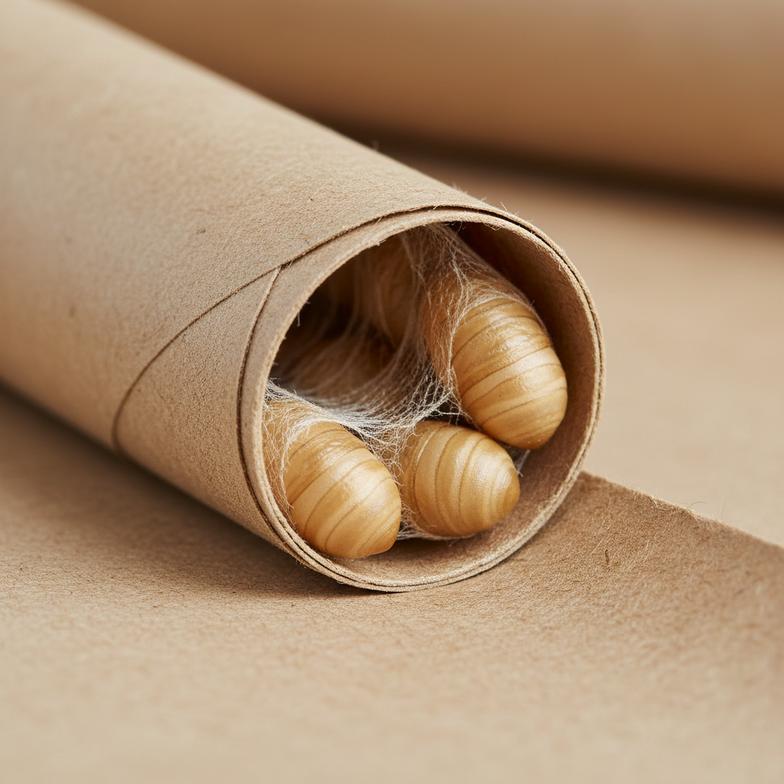
As a manufacturer, this is where our expertise is most valuable. The difference between a good and a bad paper tube comes down to two things: the raw materials and the manufacturing process. For raw materials, we insist on using food-grade kraft paper. This ensures there are no harmful bleaching agents or other chemicals. We also look for FSC (Forest Stewardship Council) certification[11], which tells us the paper comes from responsibly managed forests—a key point for any eco-conscious brand. The glue is just as important. Many cheap tubes use industrial adhesives that can be toxic. We use a specific soy-based glue that is completely safe for the bees and also has the functional benefit of helping the tube peel open cleanly. The manufacturing process is the final piece of the puzzle. The way the paper is wound and glued determines its structural integrity and, most importantly, how it opens. A high-quality tube is designed to be unrolled or peeled[12], almost like unwrapping a candy bar. This motion gently exposes the line of cocoons without any risk of crushing them. In contrast, a poorly made tube will tear, delaminate, or simply refuse to open, making cocoon harvesting a frustrating and destructive process. The right choice really depends on your goals. For a commercial operator or serious hobbyist, ease of opening means higher efficiency and a better return on your investment of time and money. For a retailer, proving material safety and sustainability is a powerful selling point that builds trust with your customers.
Choosing the right mason bee tube refill is a strategic decision. It directly impacts your bees’ health, your operational efficiency, and the long-term success of your bee house.