When choosing a replacement for plastic straws, many buyers start by asking, "Which one is cheaper, PLA or paper?" It feels like the most logical first step. After all, you’re buying in bulk, and unit price is a major factor.
But this question often leads to a poor decision. A low-cost paper straw that gets soggy in your signature milkshake can create customer complaints that are far more expensive than the straw itself. And the "eco-friendly" PLA straw might have no industrial composting facility nearby, turning your green investment into a greenwashing risk.
The better starting point is not about which material is generically "better," but which specific straw configuration is right for your business.
The best choice between PLA and paper straws depends on your specific business context. A decision should be based on matching the material to your drink types, the expected user experience, your local waste disposal options, and the total landed cost, not just the unit price.
Let’s break down how to make a smart, defensible choice that helps your budget and your brand.
Focusing only on the price per straw is a trap. It ignores three key cost factors that show up later:
1. Performance Risk: A paper straw that fails in a drink isn’t a bargain; it’s a liability. The cost of a single negative review or a customer who doesn’t return is much higher than the few cents saved on a lower-spec straw. 2. Total Landed Cost: The factory price is only part of the story. PLA straws are often bulkier than paper straws. A quote for 100,000 PLA straws might require 20% more shipping volume (CBM) than the same quantity of compactly packed paper straws, which can increase your freight and warehousing costs. 3. Brand Alignment: Your choice of straw sends a message. Does a clear PLA straw, which looks almost identical to the plastic you’re replacing, tell the right story? Or does a custom-printed paper straw offer a better branding opportunity?
The real goal isn’t to find the cheapest straw, but to find the one that delivers the best value and lowest total risk for your business.
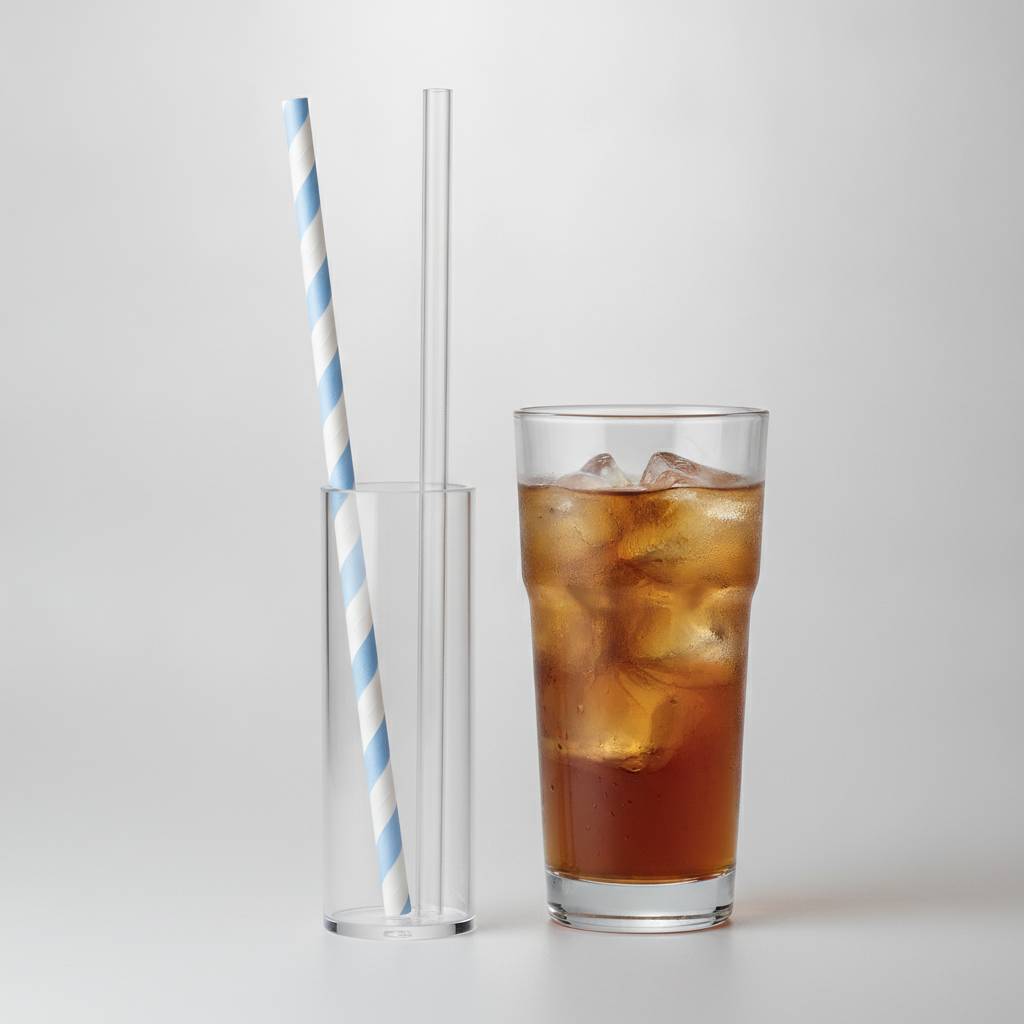
The common complaint about paper straws—that they get soggy—comes from early, low-quality versions. Modern paper straws are a different product entirely, especially when the specification is matched to the drink.
The key is to move beyond the generic "paper straw" and ask about its construction.
A well-specified paper straw can offer rigidity and a pleasant mouthfeel, but with two distinct advantages:
1. A Clearer Disposal Story: Paper is broadly biodegradable, offering a simpler end-of-life story for many customers. You should confirm with a supplier if their straws are certified for specific disposal methods like home composting. 2. Better Branding: The surface of a paper straw is perfect for custom printing. It becomes a small billboard for your logo, turning a necessary disposable into a marketing tool.
The question isn’t whether paper straws get soggy, but rather, "What specification of paper straw is right for my drink menu?"
PLA (Polylactic Acid) straws feel very similar to plastic, offering excellent rigidity and a smooth finish. They are particularly effective for applications like bubble tea, where a strong, sharp tip is needed to pierce a sealing film.
However, choosing PLA comes with specific operational requirements that are often overlooked.
First, PLA is "industrially compostable," not just "biodegradable." This means it requires the high temperatures and specific conditions found only in industrial composting facilities to break down correctly. If these facilities are not available or accessible to your customers, PLA straws will likely end up in a landfill, where they may not break down as intended. Before you commit to PLA, you should verify the waste infrastructure in your key markets.
Second, PLA has a lower heat tolerance than traditional plastic. Straws can warp or soften if stored in a hot warehouse or delivery truck during the summer. This is a logistical risk that needs to be managed in your supply chain.
To make a structured decision, use this checklist to compare quotes and samples. This framework helps you evaluate each option against your actual business needs, moving you beyond a simple unit price comparison.
| Decision Factor | What to Check for Paper Straws | What to Check for PLA Straws |
|---|---|---|
| Drink Performance | What is the recommended layer count (e.g., 3-ply, 4-ply) for your specific drinks? How long does it resist sogginess in a real-world test? | What is its heat tolerance? Will it deform in hot drinks or hot storage? Is it rigid enough to pierce sealing films? |
| User Experience | What is the mouthfeel? Are the paper and adhesives suitable for food contact and free from odors? | Does the plastic-like feel align with your brand, or risk confusion with traditional plastic? |
| End-of-Life Reality | Is it broadly accepted in municipal waste or compost streams? Are there any certifications for home composting? | Are industrial composting facilities widely available and used by your end customers? |
| Landed Cost | What is the carton CBM and gross weight per 10,000 straws? How does compact packing affect shipping costs? | What is the carton CBM and gross weight per 10,000 straws? Does its bulkiness increase shipping costs? |
| Branding | How well does the surface take custom printing for logos? | Is custom printing an option, or is it a generic item? |
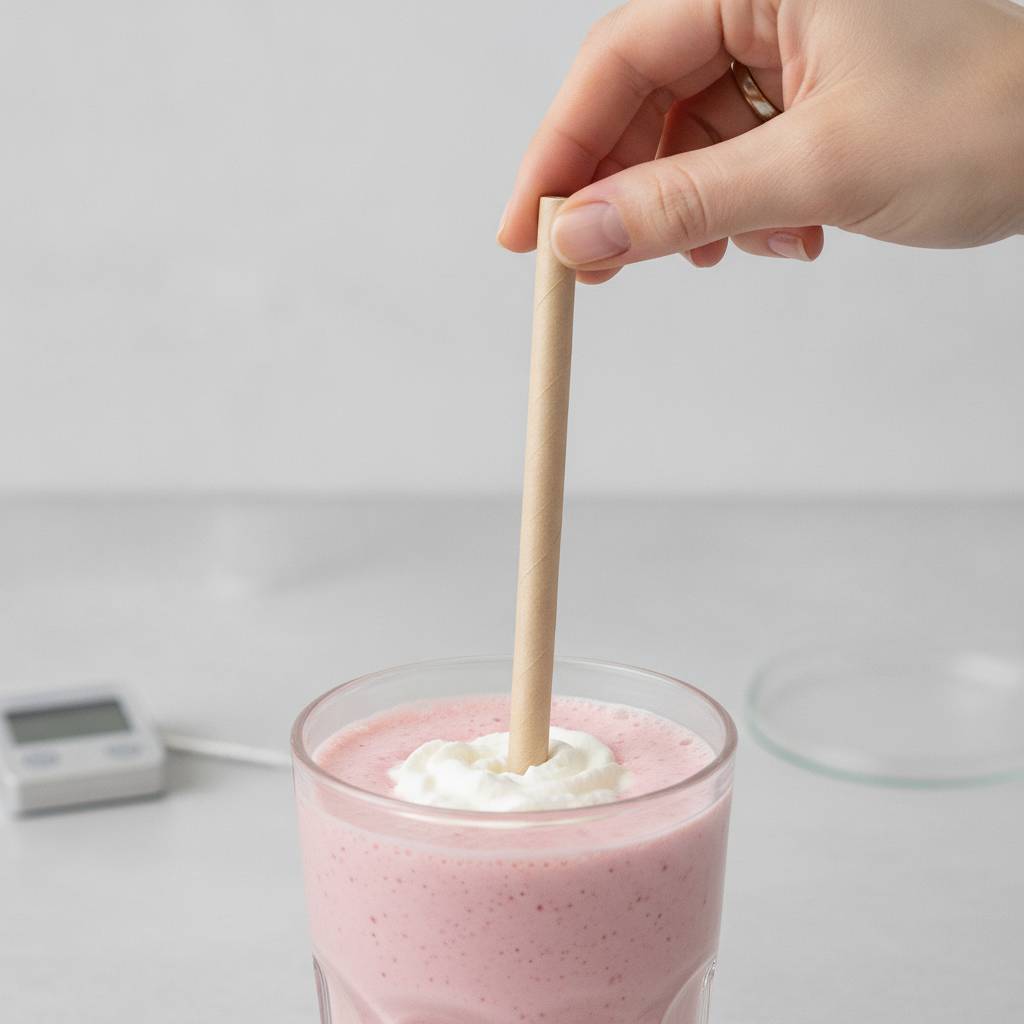
One of the most useful checks is the Real-Drink Soak Test. When you get samples, don’t just look at them. Place the straw in your most challenging drink—a thick, icy milkshake or an acidic juice—and leave it for 30 minutes. This simple test provides direct evidence of performance and is one of the best ways to reduce the risk of future customer complaints.
Vague inquiries like "price for straws" lead to vague, unhelpful quotations. To have a productive conversation with a supplier and get a quote you can actually use, it helps to prepare a few key details first.
A knowledgeable supplier will use this information to recommend the right product and provide a quote that includes all the details you need to calculate your true landed cost.
To get a useful and comparable quotation for PLA or paper straws, please prepare the following details:
1. Your full drink menu: (e.g., soda, iced coffee, milkshakes, boba tea) 2. Your cup sizes: (height and volume) and lid types (especially if a film seal needs piercing) 3. Your primary sales regions: (to discuss disposal options) 4. Any branding needs: (e.g., logo printing on the straw or wrapper) 5. Your estimated order quantity: (e.g., 100,000 pieces)
With this information, a supplier can help you navigate the trade-offs and find the straw solution that offers the best performance, lowest total cost, and strongest brand alignment for your business.