
Sourcing eco-friendly supplies for your hotel or airline can feel like a simple sustainability checkbox. The problem is, when it comes to paper straws for hotels and airlines, a poor choice can quickly escalate from a minor nuisance to a major brand crisis involving hygiene scares, guest complaints, and operational chaos[1]. This guide helps you look beyond the unit price to make a smarter, safer choice.
For high-volume, reputation-sensitive businesses like hotels and airlines, sourcing paper straws is primarily a risk management exercise. The right choice involves scrutinizing the supplier’s end-to-end hygiene controls, proving their capacity for bulk supply, and analyzing how different packaging options impact your total operational cost and brand standards.
Choosing a supplier isn’t just about buying a product; it’s about vetting a partner. The stakes are too high for a simple commodity purchase. Let’s dive into the critical questions you should be asking to protect your brand, your guests, and your bottom line.
You see an individually wrapped straw and assume it’s clean and safe for your guests. But what if the contamination risk comes from the wrapper itself, the air in the factory, or the way it was packed[2]? A hygiene issue can create a PR nightmare you can’t afford.
The common belief that “individually wrapped” equals “hygienic” is a dangerous oversimplification. True hygiene is the result of a controlled end-to-end process, not a single product feature. It involves auditing the entire supply chain, from raw materials to final packaging and transport.

In all my years advising procurement managers, I’ve seen more problems arise from what wasn’t checked than from what was. A paper or plastic wrapper is only as clean as the environment it comes from. We’ve seen too many buyers stumble by asking, “Are your straws individually wrapped?” when they should be asking, “Can you prove the hygiene of your entire wrapping and packing process?”
A true strategic supplier should be able to walk you through their contamination control protocols. Here’s what you should be auditing:
True hygiene isn’t a feature you buy. It’s a process you must verify.
You’ve negotiated a fantastic price and signed a contract. Everything seems fine until a seasonal travel surge hits and your supplier suddenly can’t deliver. Now you’re facing stockouts across dozens of properties or your entire fleet, causing operational chaos and forcing you to find expensive, last-minute alternatives.
Verifying bulk supply capacity goes far beyond accepting the production numbers claimed on a website or brochure. You must probe for evidence of supply chain resilience, including their raw material inventory strategy, their proven production history with clients of your scale, and their established logistics partnerships.
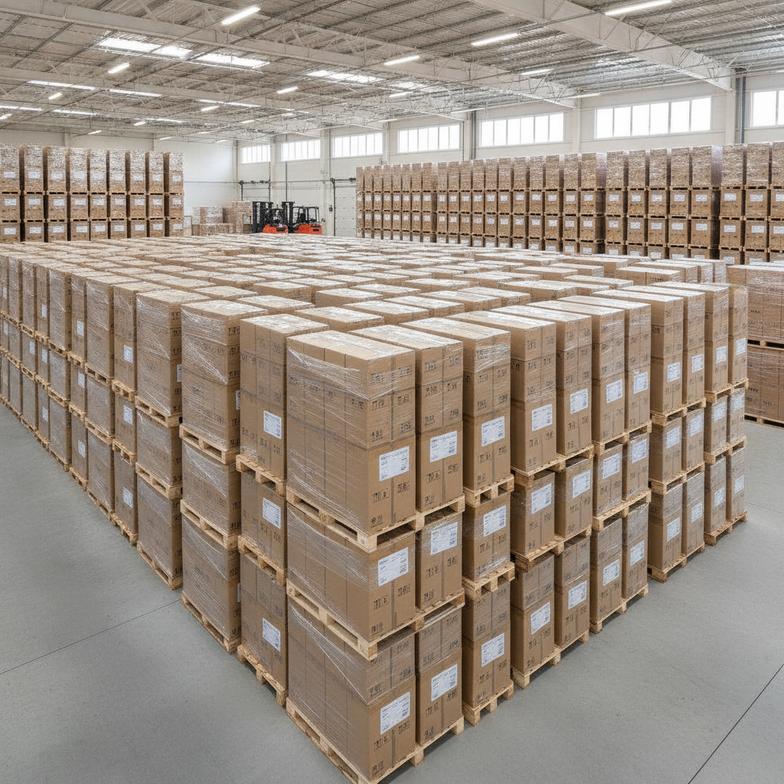
Certifications like FSC or food-contact safety documents are just the ticket to the game—they are the absolute baseline. They don’t prove a supplier can handle your volume consistently without disruptions. The real differentiator is their ability to demonstrate operational resilience.
As a manufacturer with our own factory and 10 production lines, we know that “stated capacity” is just a number. The real proof is in the day-to-day execution. Here are the questions procurement managers should be asking to separate a risky commodity seller from a reliable strategic partner:
Think of it as choosing between a commodity supplier and a strategic partner.
| Feature | Commodity Supplier | Strategic Partner |
|---|---|---|
| Focus | Lowest Unit Price | Lowest Total Cost & Risk |
| Capacity | Claims high numbers | Proves with production data |
| Inventory | Just-in-time (High Risk) | Strategic buffer stocks |
| Logistics | Outsourced & unmanaged | Managed, with contingencies |
| Problem-Solving | Points fingers, makes excuses | Takes ownership, finds solutions |
Choosing a partner with proven resilience for paper straws for hotels and airlines is an investment in your own operational stability and peace of mind.
Many procurement departments default to ordering one type of individually wrapped straw for every situation. It seems simple. But this one-size-fits-all approach often creates hidden costs in labor, waste, and storage[7], slowing down your service and frustrating your staff.
The best packaging isn’t a single product; it’s a strategy tailored to the specific use case. The right choice for a guest’s welcome drink on a tray is different from what’s needed in a busy hotel bar, an airline galley, or a staff canteen.

A good supplier shouldn’t just sell you a straw; they should act as a consultant to help you optimize your operations. When we talk to clients in the hotel and airline industry, we don’t start with the product. We start by asking about their workflow. The goal is to reduce your total cost of ownership, not just the unit price.
Consider these different operational scenarios:
Have you ever calculated the labor cost associated with your current straw-sourcing strategy? Think about the time your staff spends unwrapping straws or the space those bulky boxes of individually wrapped straws take up in a cramped airline galley. Optimizing your packaging strategy can deliver real, measurable savings.
Ask your potential supplier for copies of their current certification documents, such as those related to FDA or LFGB standards. A transparent partner will provide these proactively. Don’t stop there; you can often verify the certificate number and validity directly with the issuing body’s online database[9].
Durability comes down to three things: quality paper, quality glue, and a quality manufacturing process. Look for straws made from high-grammage (thicker) kraft paper, bound with a food-grade adhesive formulated for long-lasting water resistance[10]. Our straws, for example, are designed to last for over three hours in a cold beverage under normal use.
Absolutely. For businesses like hotels and airlines where brand experience is key, custom-printed wrappers are a powerful tool. Reputable suppliers should offer this service, allowing you to print your logo, a sustainability message, or other branding elements directly on the wrapper.
This varies by supplier and order complexity, but you should plan ahead. For a large, customized international order, a lead time of 30 to 60 days is common[11] to account for manufacturing, printing, and sea freight. Always ask for a detailed timeline based on your specific volume and customization requirements.
When sourcing paper straws for hotels and airlines, it’s clear that a superficial, price-driven approach is fraught with risk. True diligence means treating this as a strategic partnership decision, not a simple commodity purchase. By focusing on the supplier’s end-to-end hygiene process, verifying their supply chain resilience, and tailoring packaging to your actual operational needs, you protect your brand from reputational damage and ensure smooth, uninterrupted service for your guests and passengers. This shift in perspective turns a potential liability into a reliable part of your quality guest experience.
If you’re looking for a reliable, experienced partner who understands the unique demands of the hospitality and travel industries, contact us. We can help you build a secure, cost-effective, and brand-enhancing paper straw program from start to finish.