Your mason bees worked hard all spring, and now their nests are full. But improper care can turn their home into a deadly trap for next year’s generation[1].
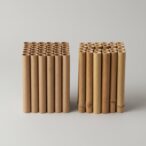
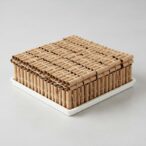
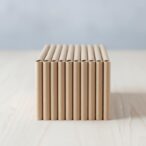
The best way to maintain a mason bee house is determined by its material. For houses with paper tubes, you must replace the tubes yearly. For cleanable wood trays, you need to harvest cocoons and sanitize the trays. The goal is to eliminate parasites.
Many people think cleaning a bee house is a simple end-of-season chore. But I’ve learned from countless customer questions that the real work starts when you choose your bee house. The material you pick decides your maintenance path and, ultimately, the health of your bees. Let’s look at why this is so important, because a small choice now makes a huge difference later.
You see a bee house full of capped tubes and feel successful. But unseen dangers like mites and fungus are lurking inside, waiting to destroy the next generation.
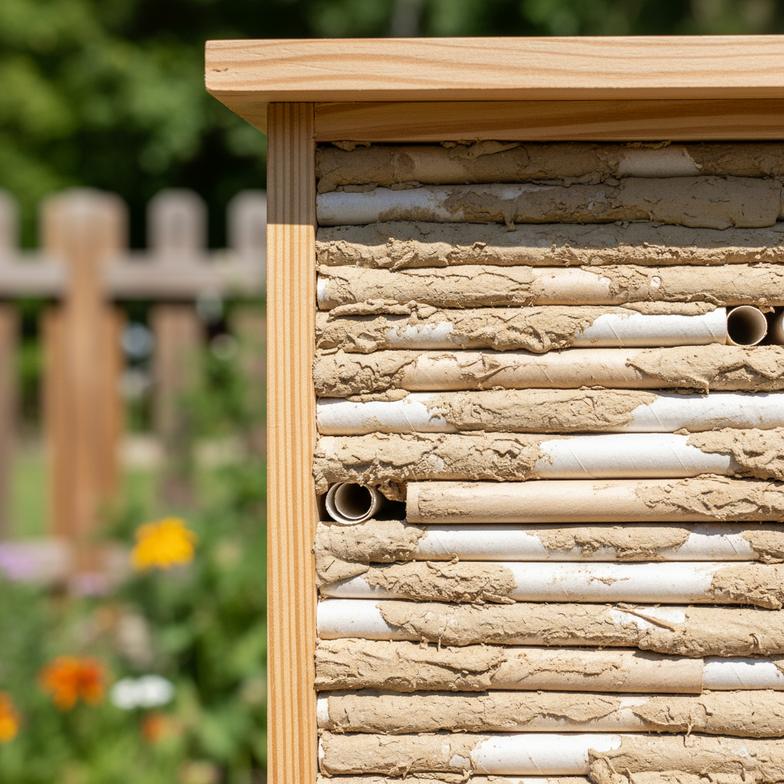
Cleaning or replacing nesting materials is critical to break the parasite life cycle. Pests like pollen mites, chalkbrood fungus, and parasitic wasps[2] build up in used nests. Without intervention, these pests will infect and kill the developing bee larvae, causing your bee population to collapse[3].
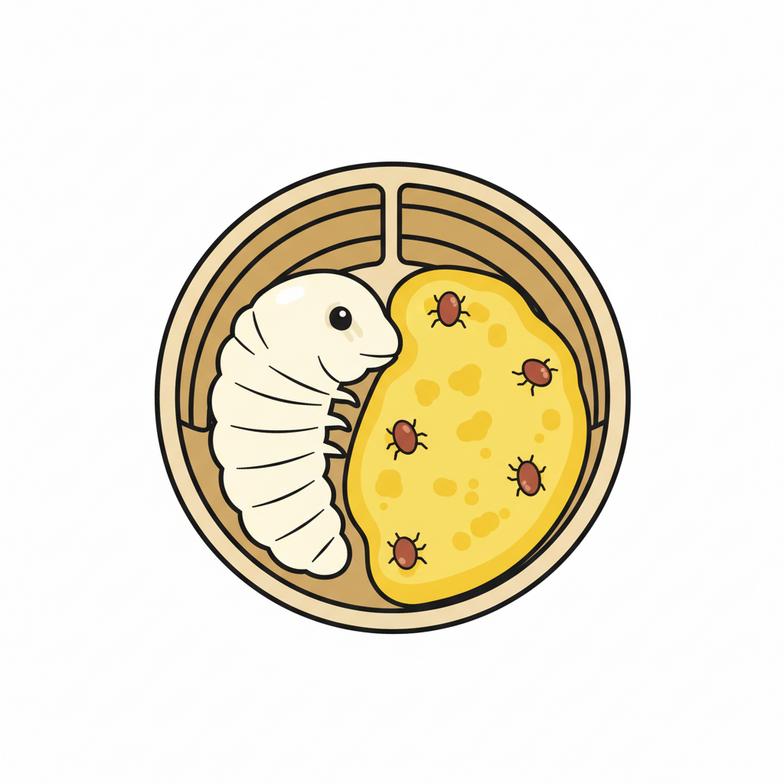
A frequent question we get is, "Why can’t I just leave the house alone?" It’s a fair question. In nature, bees don’t have someone cleaning their nests. But a bee house is different. It concentrates a large bee population in one small area. This density makes it a perfect breeding ground for pests that can wipe out the entire colony in a season or two[4]. Your job as a bee landlord is to manage this risk. The main culprits are not just dirt, but specific organisms that prey on bees.
Here’s a breakdown of what you’re fighting against by cleaning your bee house:
By not cleaning, you are inviting these enemies to set up a permanent base. The table below shows how your maintenance action impacts this risk.
| Nesting Material | Maintenance Action | Parasite Risk if Not Maintained |
|---|---|---|
| Used Tubes/Holes | None | High (Becomes a pest incubator) |
| Cleaned Trays | Sanitize Trays | Low (Cycle is broken) |
| Replaced Inserts | Dispose and Replace | Low (Cycle is broken) |
Confused by different bee house types like bamboo, drilled wood blocks, or paper tubes? The material isn’t just for looks; it dictates your entire maintenance responsibility.
The material determines if you can clean the house at all. Paper tubes and natural reeds are disposable and must be replaced. Stacked wood trays are designed to be opened and cleaned. Drilled wood blocks and bamboo are nearly impossible to clean, making them a high-risk choice[8].
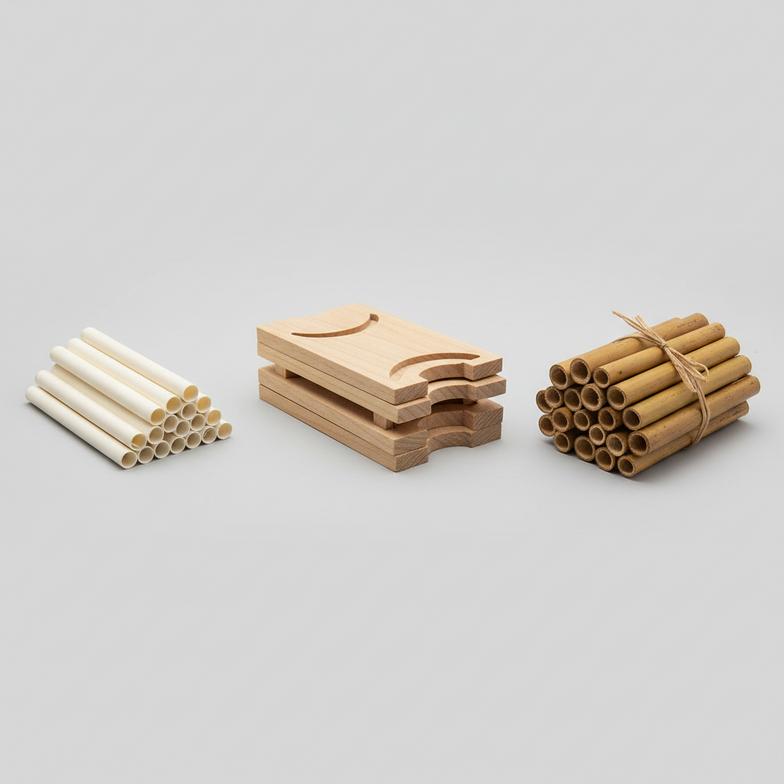
As a solution provider, the most common point of confusion I see is with materials. People often buy a bee house thinking it’s a one-time purchase, like a birdhouse. But it’s much more like a reusable incubator that needs sterile conditions to be successful. The material you choose locks you into a specific maintenance routine—or a dangerous lack of one. Let’s break down the most common options and what they mean for you and your bees.
Think of this as a pre-purchase checklist for long-term success.
Don’t wait until fall to think about bee house care. The smartest question isn’t "how do I clean it?" but a question you should ask before you even buy it.
Ask the supplier: "Is this system designed for hygienic maintenance?" and "How do I break the parasite cycle with this design?" Their answer will reveal if the house uses replaceable inserts (like paper tubes) or is designed to be disassembled and scrubbed (like wood trays).
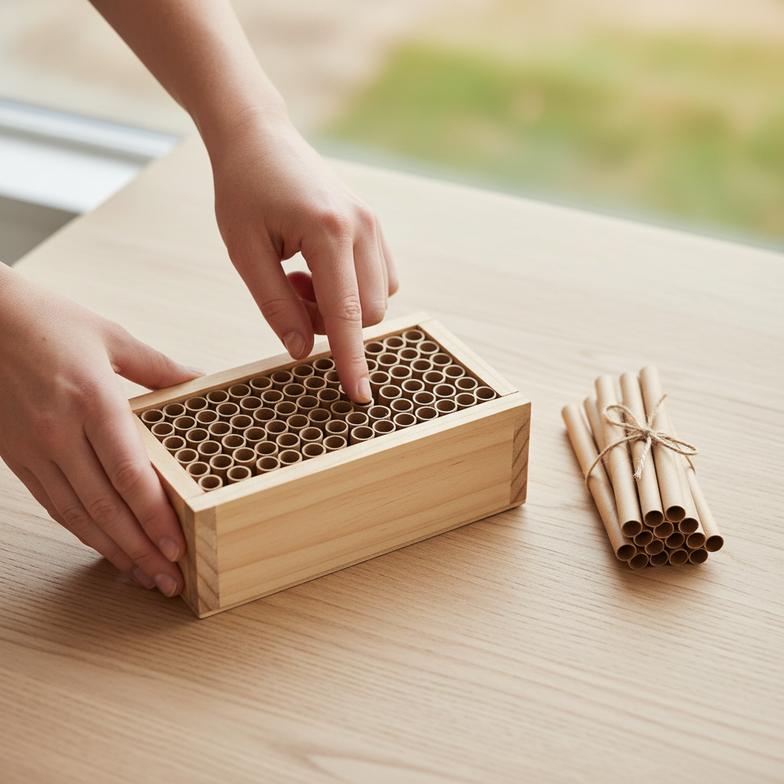
Shifting your mindset from a post-season chore to a pre-purchase question will save you—and your bees—a lot of trouble. I’ve talked to many well-meaning gardeners who bought cheap, attractive bee houses, only to see their bee population vanish after two years[11]. They often blame themselves, but the fault was in the product’s design. A responsible supplier should be able to answer your questions about long-term bee health, not just sell you a decorative garden item.
Before you add a bee house to your cart, get clear answers to these questions: 1. Is the nesting material removable or replaceable? A "yes" is a very good sign. If the answer is "no" (as with drilled blocks or bamboo), you should think carefully about the long-term health risks. 2. What is the recommended method for preventing parasite buildup? Look for clear, simple answers like "replace the paper tubes annually" or "disassemble the trays in the fall and sanitize them." If the supplier doesn’t have a clear answer, that’s a major red flag. 3. Are replacement inserts (like paper tubes) readily available? A good system has a reliable supply of hygienic replacement parts. It shows the manufacturer is thinking about the full life cycle of the product and the bees, not just the initial sale.
This simple table compares the long-term value of different systems.
| House Type | Initial Cost | Annual Cost | Long-Term Bee Health | Overall Value |
|---|---|---|---|---|
| Non-cleanable (Bamboo/Drilled) | Low | House replacement every 2 yrs | Poor (Colony collapse likely[12]) | Poor |
| Cleanable (Wood Trays) | Medium | Low (your time) | Good (If cleaned well) | Good |
| Replaceable (Paper Tubes) | Medium | Low (new tubes) | Excellent (Hygienic) | Excellent |
Proper bee house maintenance isn’t about cleaning. It’s about choosing a design that prevents parasite buildup, ensuring healthy, happy bees return to your garden year after year.