Struggling to choose between hemp and paper filter tips for your brand? The wrong decision can cause production delays and unhappy customers. I’ll help you focus on what truly matters.
The best choice depends on your business priorities. For large-volume orders, paper filter tips often provide a more stable supply chain and consistent quality[1]. Hemp offers a strong marketing story but can have more supply chain volatility[2]. The key is to vet your supplier’s manufacturing process.

Many of my conversations with new clients start with them asking for a simple winner. "Is hemp better?" or "Should I just stick with paper?" It’s a natural question. But as someone who manages supply chains for paper products, I can tell you it’s the wrong one. The material itself is only a small part of the story. For a bulk buyer, the real risks are in the supply chain, the manufacturing consistency, and the supplier’s ability to prove their product is safe. Let’s move past the simple material debate and look at the business factors that will actually determine your success.
You need a steady, predictable supply of filter tips for your business. Unexpected price hikes or material shortages can stop your production line and hurt your bottom line. Understanding supply chain maturity is key.
Paper’s supply chain is globally established and mature[3], which means more stable pricing and reliable lead times. Hemp’s supply chain is newer[4] and can be more volatile, creating potential risks for buyers needing consistent, large-volume deliveries. Ask suppliers for their sourcing guarantees.
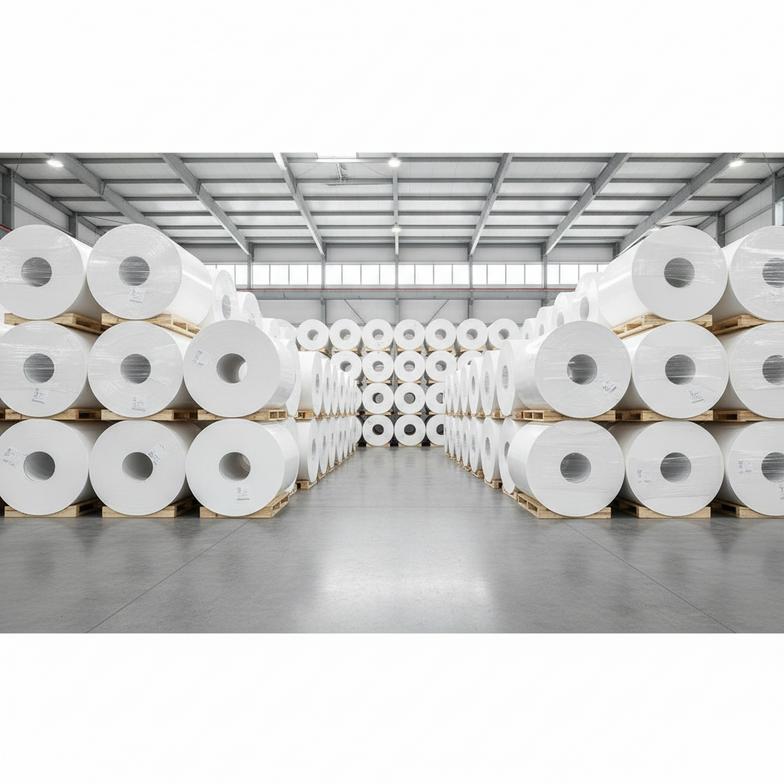
In my experience since 2012 in the paper products industry, a stable raw material supply is the absolute foundation of a successful manufacturing business. When a client orders thousands of custom paper straws from us, they aren’t just buying the straws; they are buying our ability to deliver on time, every time. This is only possible because the global paper supply chain is incredibly robust and predictable. For filter tips, the exact same logic applies.
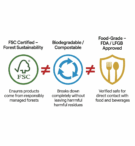
A mature supply chain gives you three huge advantages: cost stability, consistent availability, and quality you can trust. Paper has been produced at an industrial scale for over a century[5]. There are established global standards and certifications, like the Forest Stewardship Council (FSC)[6], which guarantees the material comes from responsibly managed forests. This infrastructure means you can plan your budget and production schedules months in advance with a high degree of confidence.
Hemp is an exciting material with a great environmental story[7]. However, its industrial supply chain is still developing. This can lead to more volatility.
| Factor | Paper Filter Tips | Hemp Filter Tips |
|---|---|---|
| Supply Chain Maturity | Very High (Global, established) | Low to Medium (Developing) |
| Cost Stability | Generally Stable | Can be Volatile |
| Supplier Availability | High (Many large-scale suppliers) | Lower (Fewer proven bulk suppliers) |
| Global Certifications | Widely available (e.g., FSC) | Less standardized |
For a bulk buyer, this means that while a supplier might offer a great price on hemp tips today, that price could change significantly in six months due to raw material availability. The number of suppliers who can genuinely handle massive, consistent orders for hemp tips is also smaller[8]. This puts you in a riskier position. Your decision here should be based on your business’s tolerance for that risk.
You might think choosing a "premium" material like hemp automatically creates a better product. But I’ve seen how poor construction can ruin a product, regardless of what it’s made from. Your customers will notice.
The end-user experience is shaped by manufacturing quality, not the material’s name. A well-made paper tip will always outperform a poorly constructed hemp tip. The key is your supplier’s ability to maintain tight tolerances, consistent density, and structural integrity across millions of units.
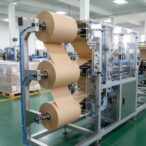
At our factory, we produce millions of paper straws. The single biggest factor that determines if a straw gets soggy or feels flimsy is not the paper itself—it’s the manufacturing process[9]. It’s about the precision of the glue application, the tension of the paper as it’s rolled, and the sharpness of the cutting blade. A tiny error, multiplied by a million units, becomes a huge quality problem. The same principle is true for filter tips. The material provides the potential, but the manufacturing process delivers the final quality that your customer feels.
A high-quality filter tip, whether paper or hemp, must deliver a consistent experience. This comes down to specific manufacturing attributes.
A supplier with modern machinery and experienced operators can turn either paper or hemp into a fantastic product. Conversely, a supplier with old equipment or a poor QC process will produce flimsy, inconsistent tips no matter how great the raw material is. Don’t be sold on the material’s name alone. You are buying the supplier’s manufacturing expertise. I always tell my clients to ask for samples from different production batches. If the samples all look and feel identical, that’s a great sign. If they vary, it’s a major red flag about their ability to handle bulk orders.
You need a product that meets legal standards and stands out with your branding. A simple choice can become a major headache if compliance documents are missing or your supplier can’t deliver your custom design.
Paper often has a clearer path for compliance with globally recognized certifications like FSC. Customization is also straightforward. Hemp can be more complex due to varying regional regulations. For branding, both materials offer great potential, but the supplier’s capability is what matters most.

One of the first questions serious buyers ask me is, "Can you provide the documentation?" They’re talking about food-contact safety reports, material safety data sheets (MSDS), and chain-of-custody certifications like FSC. For our paper products, providing this is a standard part of doing business. It gives our clients the confidence to sell their products in any market without worrying about compliance issues. This peace of mind is incredibly valuable and should be a top priority for any bulk buyer.
The material you choose can impact how easily you can get this documentation.
Paper has a long, documented history of use in food-contact applications[10]. The testing protocols are standardized, and getting the right paperwork from a reputable supplier is usually a smooth process. Hemp is newer to the mainstream market. While it is perfectly safe when processed correctly, the regulations can be less clear and may vary significantly[11] from one country or state to another. A good supplier will have already done the testing and will have the compliance documents ready for you, regardless of the material. A bad supplier won’t. You must demand this paperwork before placing a large order.
Your brand’s logo, colors, and unique packaging are what make your product recognizable. Both paper and hemp can be customized effectively. You can print on them, create custom sizes, and design unique packaging. However, the ability to do this well has nothing to do with the material itself. It depends entirely on your supplier’s equipment and technical skill. A supplier with advanced printing technology, precision cutting machines[12], and an experienced design support team can bring your vision to life on either paper or hemp. When vetting a supplier, ask to see examples of their custom work. Don’t just ask if they can do it; ask them to show you.
The best choice is not hemp or paper. It is finding a trustworthy supplier who manages their supply chain well, guarantees manufacturing quality, and provides all necessary compliance documents for your chosen material.