
Worried about the plastic waste from breathalyzer mouthpieces but concerned about paper alternatives failing? The risks of a poor substitute are significant, and you are right to be cautious.
Yes, paper tubes can replace plastic mouthpieces, but only if they meet specific technical standards[1]. The right paper grade, adhesive, and manufacturing controls are crucial for ensuring hygiene, structural integrity, and accurate airflow for reliable device performance. It’s a matter of precise engineering, not just material substitution.
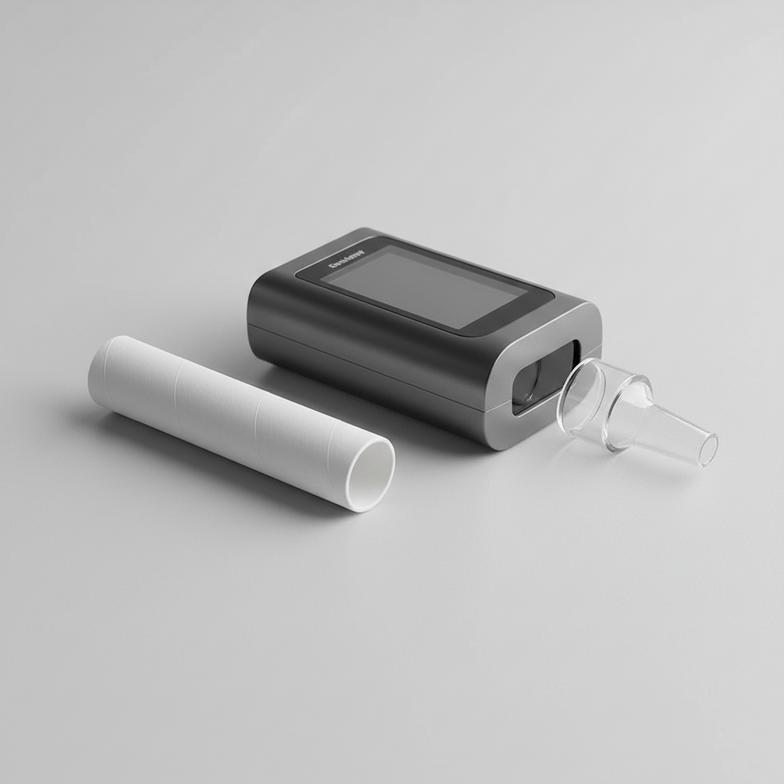
This looks like a simple eco-friendly switch, but it’s a decision with real safety and performance implications. In my work as a manufacturer, I’ve guided many clients through this exact evaluation process. Let’s walk through the questions you need to ask to get this right. The details are what separate a successful transition from a costly failure. Making an informed choice now prevents problems down the road.
Afraid a paper tube will collapse or get soggy, compromising a test? This is a common fear. But it overlooks the technical details that ensure a paper mouthpiece actually works.
A functional paper mouthpiece relies on specific material choices. It needs high-density, multi-ply kraft paper for rigidity[2], a food-safe adhesive that resists moisture[3], and precise dimensions to ensure a secure fit with the device without obstructing airflow. Individual sterile wrapping is also non-negotiable for hygiene[4].

When clients ask us about this application, we shift the conversation from "paper vs. plastic" to component engineering. A paper tube for a sensitive device is not the same as a drinking straw. It’s a functional part that must perform under specific conditions. Success depends entirely on getting the specifications right from the start. We have to consider how the material holds up to breath moisture and physical pressure for the short duration of the test.
To ensure performance, you must verify several key attributes with your supplier. Each one plays a critical role in safety and reliability.
| Feature | Why It Matters | What to Ask Your Supplier |
|---|---|---|
| Paper Grade | Determines rigidity and moisture resistance. Prevents collapsing. | Is the paper high-density virgin kraft? Is it FSC-certified? |
| Ply Count | The number of paper layers. More plies add strength and crush resistance. | How many plies are used? What is the final wall thickness? |
| Adhesive | Must be food-safe or medically-adjacent and hold layers together when damp. | Can you provide a Material Safety Data Sheet (MSDS) for the glue[5]? |
| Dimensions | Inner/outer diameter and length must be precise for a secure, leak-free fit. | What are your manufacturing tolerances for the dimensions? |
| Packaging | Individual wrapping is essential to maintain hygiene before use. | Do you offer individual, sterile wrapping options? |
Thinking a soggy tube is the only risk? Contamination, incorrect readings, and even device damage are much bigger problems. Ignoring them can lead to serious consequences for your organization.
The main risks are hygiene contamination, airflow obstruction from a collapsed tube, and an insecure fit that causes air leaks[6]. A weak tube can lead to a false reading[7]. Improper packaging compromises sterility. Managing these risks requires strict quality control from your supplier, not just a good product sample.
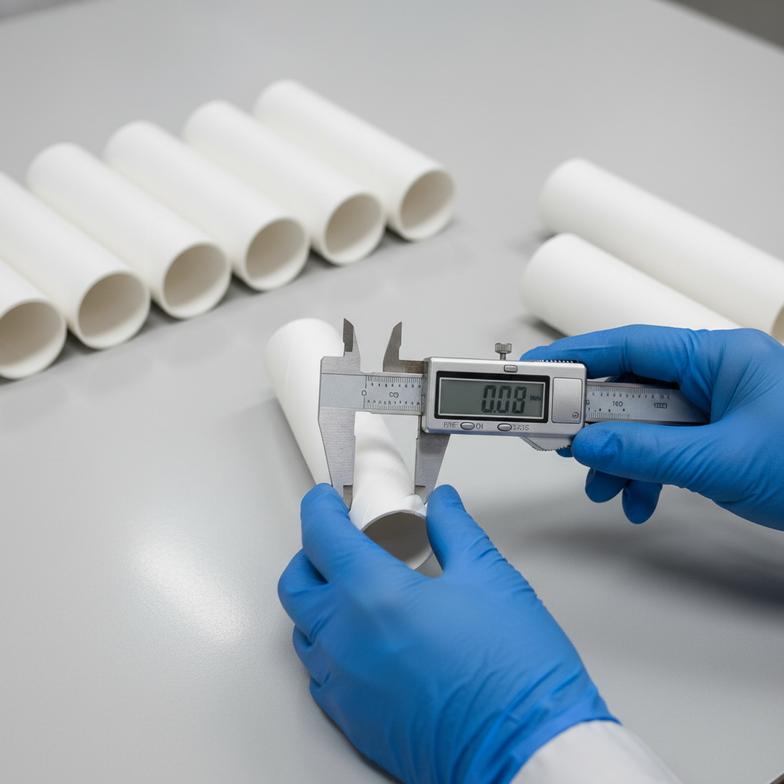
The risk profile changes depending on the use case. For personal use, the stakes are lower. But for law enforcement or workplace testing, reliability is absolute. A failed test isn’t just an inconvenience; it can have legal and safety consequences[8]. That’s why we always tell clients that vetting the supplier’s process is as important as testing the product itself[9]. A supplier must demonstrate they have the manufacturing discipline to produce a consistent, clean, and reliable product batch after batch.
You must evaluate risks across the entire lifecycle of the mouthpiece, from manufacturing to disposal.
1. Hygiene Risk: The primary concern. The tube must be free of contaminants. Mitigation involves a supplier who uses clean manufacturing processes and provides individually sealed, sterile packaging. You must verify their ability to maintain this standard.
2. Performance Risk: This covers tube collapse and insecure fit. A collapsing tube can obstruct airflow, leading to an inaccurate or incomplete reading. A loose fit allows breath to escape, also skewing results. Mitigation requires strict dimensional tolerances and the use of multi-ply, high-density paper that maintains its shape when exposed to warm, moist breath for a short time.
3. Supply Chain Risk: Can the supplier consistently deliver a product that meets specifications? A bad batch could render all your testing unreliable. Mitigation means choosing a partner with a robust Quality Management System (QMS)[10] and asking for documentation of their quality checks.
Tempted to just compare unit prices for paper mouthpieces? This is a common mistake. Choosing the cheapest option without proper due diligence can lead to performance failures and liability issues.
Ask potential suppliers for their quality control plan, Material Safety Data Sheets (MSDS) for the adhesive, and any food-contact or relevant compliance certifications for the paper. Always request samples to test the fit and function with your specific breathalyzer models. A reliable partner will provide this information willingly.

This is the most critical stage of the procurement process. It’s where you separate the serious manufacturers from the resellers who don’t understand the application’s demands. When a potential customer comes to us for a sensitive application like this, we expect these questions. In fact, we welcome them. It shows they understand the risks and are focused on a quality solution, which makes for a better long-term partnership. A supplier who cannot or will not provide this information is waving a major red flag.
Use these questions to build a clear picture of a supplier’s capabilities.
Replacing plastic breathalyzer mouthpieces with paper is possible but requires careful planning. Focus on specifications, supplier quality, and risk management—not just material—to ensure a safe and effective solution.