When buyers approach us for a bulk order of paper straws, the first question is almost always about the price per thousand. I understand why, but I’ve learned that the most reliable suppliers are not identified by their price list. They are identified by the questions they ask you before they even give you a price.
The real challenge isn’t finding the cheapest straw; it’s finding a partner who ensures the straws you receive will actually work in your specific drinks, arrive safely, and not create surprise costs. Choosing a reliable paper straw manufacturer requires evaluating their pre-quotation process, verifying specifications through real-drink sample testing, and confirming total landed cost using detailed carton data—not just comparing unit prices.
This is how you move beyond a simple price comparison and start building a dependable supply chain.
A common starting point for a buyer is sending a simple request: "Please quote me your price for paper straws." A supplier who immediately responds with a price list without asking any questions is a major red flag. They are treating your order like a generic commodity, and that’s where problems begin.
A responsible manufacturer knows that a "paper straw" is not one single product. The right straw for water is the wrong straw for a thick milkshake. Our first job isn’t to sell you something; it’s to understand your needs. We always start by asking:
When a supplier doesn’t ask these questions, they are making assumptions about your order. Those assumptions are the root cause of bulk orders that are unfit for purpose. I’ve seen buyers stuck with thousands of straws that are too narrow for their milkshakes or too short for their takeaway cups. A good partner slows down at the beginning to make sure the final product is right. The quality of a supplier’s questions tells you more about their reliability than their website or catalog.
Once you have a quotation, the temptation is to scan for the unit price and compare it with others. This is the most common mistake. Two quotes with the same straw size and the same price can represent two completely different products in terms of quality and final cost.
A transparent quotation should be a detailed specification sheet, not just a price. When we prepare a quote, we clearly define the factors that determine performance and cost. Buyers often just compare the price for a 6mm x 197mm straw, but they don’t realize one supplier might be quoting a flimsy 2-layer straw while another is quoting a sturdy 3-layer or 4-layer version. Of course the price is different.
Here’s what a reliable quote should detail, allowing for a true apples-to-apples comparison:
A vague quote is a warning. If a supplier isn’t willing to put the number of paper layers or the packing quantity in writing, you have to ask yourself why. It’s often because they are reserving the right to use cheaper materials or less efficient packing to meet a low price point, and you won’t know until the container arrives.

Approving a sample is the most critical safeguard in a bulk order. Yet many buyers get this step wrong. They receive a dry sample, check the color and printing, feel it in their hand, and give their approval. This tells you almost nothing about how the straw will perform in the real world.
A paper straw’s true test is in a cup. We always insist that our clients test samples in their actual beverages for the expected duration of use. A straw that feels strong when dry can become soft and unusable after ten minutes in an acidic juice or an iced coffee.
When you test, you should be checking for:
We have learned never to proceed to bulk production based on a dry sample approval alone. It’s a recipe for disputes and disappointment. A responsible manufacturer understands that their product’s reputation is determined by the final user’s experience, so they will encourage you to conduct a proper real-world test. A supplier who rushes you through the sample stage is not protecting your interests.
Here is a detail that separates experienced importers from beginners: they always ask for the carton data. The unit price of the straw is only one part of your total cost. The cost of shipping, which is determined by volume (CBM), can dramatically change your final landed cost per straw.
A buyer might be thrilled to get a quote that’s a few cents cheaper per thousand straws, but they fail to notice that the supplier’s carton is 20% larger in volume for the same quantity. That "cheaper" straw just became much more expensive to ship, wiping out any initial savings.
Before you can truly compare two quotes, you must have this information for both:
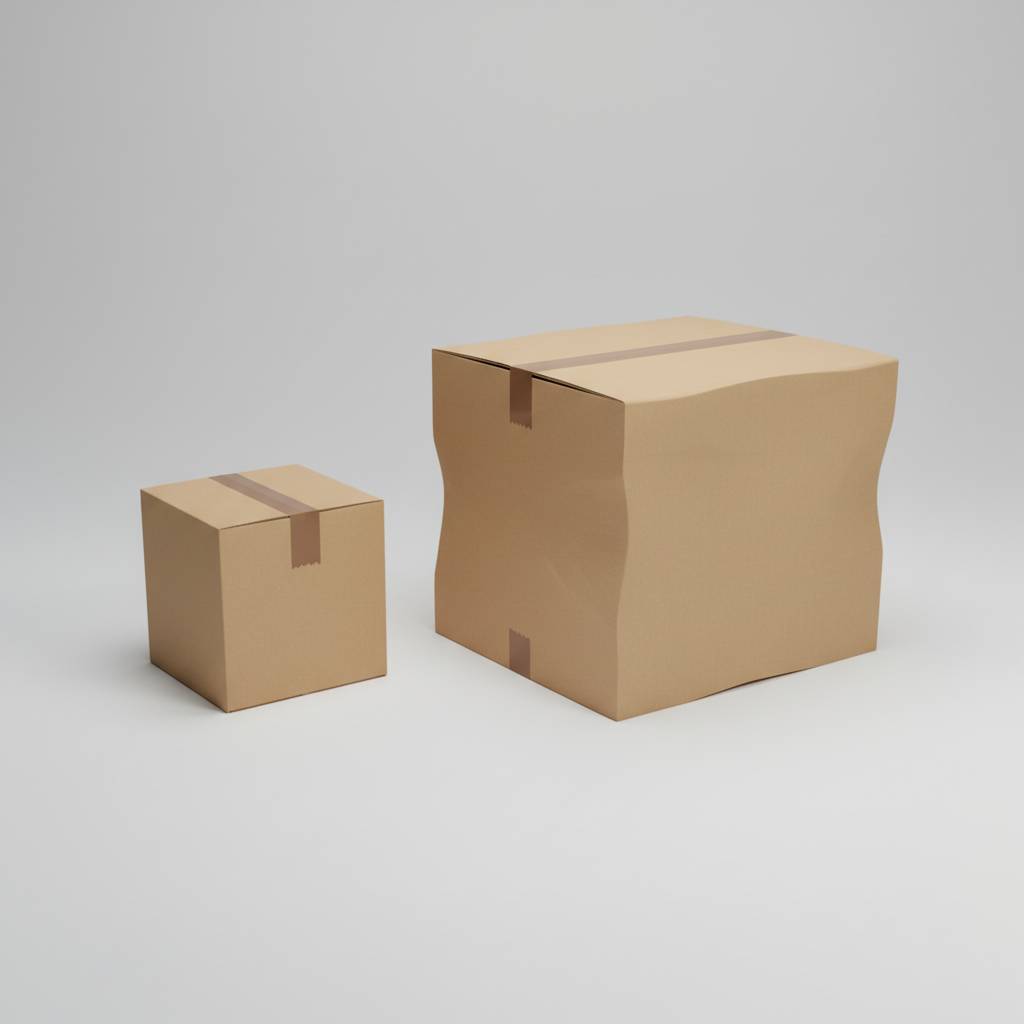
We provide this data upfront because we know it’s essential for a serious buyer. A supplier who cannot or will not provide complete carton data is either inexperienced in export or is not confident in their packing efficiency. Either way, it’s a risk you shouldn’t have to take. You must calculate the cost per straw delivered, not just the price at the factory gate.
After all the questions, quotes, and tests, the final step before committing your funds is the formal approval. A verbal "go-ahead" or a quick email is not enough to protect a bulk order. Misunderstandings about a shade of color, a logo’s position on a wrapper, or the text on a carton mark can create major problems.
A reliable manufacturing partner will manage a clear, documented approval process. Before we start any mass production, we consolidate all final details into a formal specification sheet and send it to the buyer for a final sign-off. This document becomes the "master guide" for the order and typically includes:
This isn’t about creating bureaucracy; it’s about eliminating ambiguity. We have learned from experience that taking the time to get a formal, written confirmation on every detail is the best way to ensure the product we make is exactly the product the buyer expects. If a supplier seems casual about this final step or pressures you to start production without it, you should be very cautious.
Choosing the right partner is a process of gathering evidence. A reliable manufacturer will demonstrate their competence and transparency at every step. As you evaluate potential suppliers, ask yourself these questions:
If the answers are consistently "yes," you are likely dealing with a professional and reliable partner. If you encounter resistance or vagueness on these points, it’s a clear sign to proceed with caution.