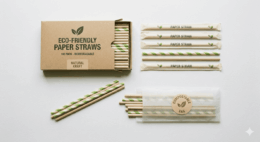
Are you sourcing paper straws but worried about getting a low-quality batch that gets soggy, smells weird, or just feels cheap? This is a huge risk, as a single bad shipment can damage your brand’s reputation[1] and leave customers frustrated. The solution isn’t just finding a "good supplier"—it’s creating a detailed paper straw purchase specification that ensures the product you order is the product you actually receive.
A comprehensive paper straw purchase specification should include more than just dimensions. It must detail performance criteria (like sog-resistance time), material compliance (FSC, FDA), packaging requirements (individual wrapping, case packs), and sensory standards (no odor). This document serves as a legally binding quality agreement[2] between you and your supplier.

Think of this document as more than just a checklist; it’s your primary risk management tool. It transforms your quality expectations into clear, measurable, and enforceable requirements. Now, let’s break down exactly what goes into a specification sheet that truly protects your business.
It’s easy to think a specification sheet is complete after you list the length, diameter, and color. But a common mistake we see buyers make is stopping there. This often results in suppliers delivering straws that technically meet those dimensions but fail miserably in the real world. They collapse in milkshakes or taste like paper in iced tea.
Going beyond basic dimensions is crucial because performance metrics like sog-resistance, structural integrity, and material safety directly impact the customer experience and your brand’s reputation. A detailed paper straw purchase specification holds the supplier accountable for the final product’s real-world usability, not just its size.

When we get an inquiry for "high-quality" straws, the first thing we do is ask about the specific application. The details for a thick smoothie straw are completely different from those for a simple water straw. This context is everything.
"Sog-resistant" is a marketing term, not a technical specification. To make it meaningful, you must attach numbers to it. Your specification should state something like: "The paper straw must remain firm and functional for a minimum of 3 hours when submerged in a water-based liquid at 4°C (40°F)."
This simple sentence transforms a vague promise into a testable metric. The factors that influence this are:
"Food-grade" is another term that needs clarification. A complete paper straw purchase specification must demand proof. You should require suppliers to provide valid, unexpired certifications for every component.
Here is a simple table showing how specifications can differ based on the drink:
| Specification Feature | Thick Milkshake Straw | Iced Coffee Straw | Hot Drink Stirrer |
|---|---|---|---|
| Diameter | 10mm or 12mm | 6mm or 8mm | 5mm |
| Paper Layers | 4-ply | 3-ply | 3-ply |
| Paper Weight | 120gsm | 120gsm | 100gsm |
| Sog-Resistance | > 3 hours in a viscous liquid | > 2 hours in a cold liquid | > 20 mins in a hot liquid (85°C) |
| Key Requirement | High structural strength | Good durability, no paper taste | Heat resistance |
So, you’ve created a brilliant specification sheet and sent it to potential suppliers. They all reply, "No problem, we can meet these requirements." How do you know they’re telling the truth? A verbal confirmation isn’t enough.
A paper straw purchase specification ensures accountability by moving from a descriptive list to a contractual agreement. It should include clauses requiring suppliers to provide batch-specific test reports, valid third-party certifications, and clear details on their internal Quality Assurance (QA) processes.

Your document should be designed to shift the burden of proof to the supplier. This separates the professional manufacturers from the traders or workshops just trying to make a quick sale.
Don’t just ask if they have certifications; ask them to provide the documents. A professional manufacturer will have these ready.
How many defective straws are you willing to accept? Zero is unrealistic in mass production. This is where AQL (Acceptable Quality Level)[5] comes in. AQL is an internationally recognized statistical method for product inspection.
In simple terms, you and the supplier agree on the maximum number of defects allowed in a batch. For example:
Your paper straw purchase specification should state the AQL levels you require. A supplier who understands and agrees to an AQL framework is demonstrating confidence in their production consistency. A supplier who has never heard of it is a major red flag.
You’ve specified dimensions, performance, and compliance. You’re almost there. But then the shipment arrives. The straws work, but they have a faint chemical odor. Or they come in flimsy boxes that get crushed in transit. These "small" details can ruin the customer experience.
Crucial but often overlooked details include sensory standards (no chemical or paper odor), packaging integrity (protection from moisture and crushing), and usability features (e.g., easy-to-tear individual wrappers). These elements define the final product experience and should be explicitly stated in the specification.
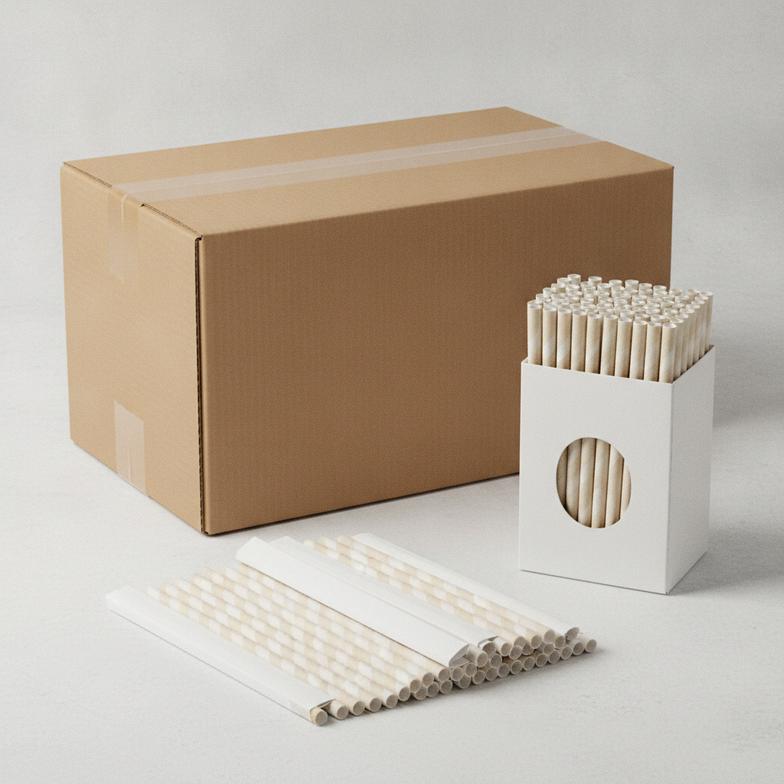
From my experience in the factory, these are the details that separate an average product from a great one. Don’t leave them to chance.
This is non-negotiable. Your specification should have a clause that says: "Straws must be free of any foreign odor (e.g., chemical, glue, or strong paper pulp smell) and must not impart any taste to the beverage."
This issue is almost always traced back to low-quality raw materials. Cheap, non-food-grade glue is often the main culprit behind chemical smells[6]. Improperly cured printing ink is another. By specifying this, you force the supplier to use quality materials, even if it costs them a little more.
How the straws arrive is just as important as the straws themselves. Paper is susceptible to moisture and physical damage[7]. Your specification should detail every level of packaging.
Also, insist that each master carton is clearly labeled with your PO number, item description, quantity, and any other handling information.
If you’re ordering custom-branded straws, be obsessively precise.
You should be very specific. Instead of using a vague term like "durable," state your minimum testable requirement. For example: "The straw must maintain its structural integrity for at least 2 hours[9] in a water-based beverage at 4°C (40°F) without becoming soft or uncoiling."
Not for a professional, reputable manufacturer. A reliable supplier already has these documents (FSC, FDA certs) and quality processes (AQL, batch testing) in place as part of their standard operations. A supplier who resists or claims it’s too much trouble is a red flag. Your specification sheet helps you filter them out early.
A common industry standard is to use AQL 2.5 for major defects (like cracks, unglued seams) and AQL 4.0 for minor defects (like small print blemishes). The right level depends on your brand’s quality standards, but defining it in your paper straw purchase specification is essential for clear communication.
It’s better to customize it. A specification for a wide 12mm milkshake straw should be different from one for a thin 6mm cocktail straw. The use case dictates the required diameter, paper thickness (ply), and durability. We recommend creating a master template, but always tailoring it for each specific product type you source.
Creating a robust paper straw purchase specification is a strategic business decision, not just an administrative task. It elevates your procurement process by moving beyond basic dimensions to define every aspect of quality, from performance and material compliance to packaging and sensory standards. By detailing everything from sog-resistance targets and AQL levels to specific Pantone colors, you create a powerful accountability tool. This document protects your brand, ensures a consistent and positive customer experience, and helps you build partnerships with suppliers who truly value quality.
If you’re looking to develop a professional paper straw purchase specification or need guidance on sourcing high-quality straws that meet your exact needs, our team is here to help. With over a decade of real-world manufacturing experience, we can help you build a spec that gets you the product your business and your customers deserve. Contact us today to discuss your project.