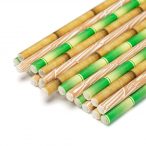
Choosing the right paper straw for your business feels like it should be simple, but get it wrong, and you’re suddenly dealing with soggy products, clogged drinks, and unhappy customers[1]. You’re trying to make a smart, eco-friendly switch, but now you’re worried about wasting inventory and damaging your brand’s reputation. Understanding the specific roles of Standard, Jumbo, and Cocktail paper straws is the key to matching the perfect product to your beverage menu and ensuring a great customer experience every time.
The best paper straw format depends entirely on your specific needs. Choose Standard paper straws (around 6mm)[2] for high-volume, thin liquids like soda and iced tea. Opt for Jumbo paper straws (8-12mm)[3] for thick, viscous drinks like milkshakes and smoothies where flow is critical. Use short Cocktail paper straws (around 5mm) for enhancing the presentation and experience of drinks in short glasses, like cocktails or kids’ juices.

That’s the short answer. But as a solution provider in this industry, I can tell you that the real decision goes far beyond just picking a diameter. The most successful businesses I work with consider everything from paper quality and durability to the subtle impact a straw has on a drink’s perceived value. Let’s dive into the details you need to make a truly informed choice.
You need a reliable, all-around straw for the most popular drinks on your menu, from sodas to iced coffees. But you’re concerned about them getting soggy during a lunch rush or disappointing customers who expect durability. How do you find a workhorse straw that’s both cost-effective and high-quality?
The answer is to look beyond the basic specs. Standard paper straws are the versatile and economical choice for high-volume, low-viscosity drinks. They are perfect for fast-turnover environments like cafes, fast-food restaurants, and juice bars serving sodas, iced teas, and standard iced coffees.
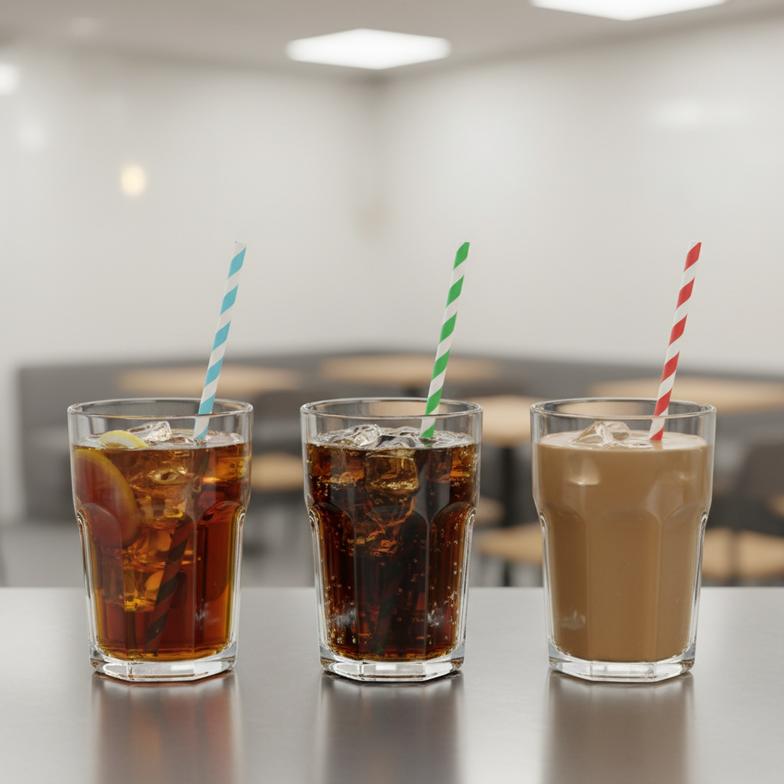
For many of the businesses I talk to, the standard 6mm paper straw is the backbone of their disposable inventory. It’s the most common size for a reason: it strikes a fantastic balance between cost, versatility, and performance for the widest range of beverages.
Standard paper straws are generally the most cost-effective option on a per-unit basis. For a business that serves hundreds or thousands of drinks a day, this is a critical factor. Their universal application for sodas, water, juices, and iced coffees means you can streamline your inventory by stocking one primary type of straw, simplifying procurement and reducing storage needs. This is the go-to for high-turnover operations where efficiency and budget control are paramount.
Here’s a crucial point that many new buyers overlook: not all standard straws are created equal. A frequent issue I hear about is a straw “collapsing” in a drink. The buyer often assumes they need a wider straw, but more often than not, it’s a quality problem, not a size problem.
A well-made standard straw should be more than enough for an iced latte. A poorly made one will turn to mush in minutes. Here’s what to look for instead of just diameter:
Don’t blame the size until you’ve verified the quality. A robust standard straw is a powerful and economical tool.
Your menu is famous for its thick, indulgent milkshakes and healthy, fruit-packed smoothies. The last thing you want is a customer struggling with a clogged or collapsed straw, turning their treat into a frustrating experience. How do you guarantee a smooth, enjoyable sip every single time?
This is the exact scenario where you should choose Jumbo paper straws. They are specifically engineered with a wider diameter (typically 8mm, 10mm, or 12mm) to handle high-viscosity beverages like milkshakes, smoothies, frappes, and frozen cocktails with ease.

When we consult with clients building out a full beverage program, the conversation inevitably turns to thick drinks. This is where jumbo straws are not a luxury; they are a necessity. Trying to save a fraction of a cent by using a standard straw for a milkshake is a recipe for customer complaints.
Yes, Jumbo paper straws cost more per unit than standard ones. They use more paper, and the manufacturing process is slightly different. However, framing this as just a “cost” is a mistake. It’s an investment in functionality. A straw that doesn’t work has a 100% failure rate and creates 100% customer dissatisfaction. The small additional expense of a jumbo straw protects the perceived value of your premium beverage—which you’re likely selling for a much higher margin anyway.
The physics of a wider straw present a unique challenge. With a larger diameter, the straw is more susceptible to collapsing under the suction pressure[7] needed to draw up a thick liquid. This is why material quality is even more critical for jumbo straws than for standard ones.
I always advise buyers to be extra diligent here. A quality jumbo straw must have:
When you’re evaluating suppliers, ask them directly about the construction of their jumbo straws. If they can’t provide these details, it’s a red flag.
To make the choice clearer, here’s a simple breakdown I share with customers:
| Feature | Standard Paper Straw | Jumbo Paper Straw |
|---|---|---|
| Typical Diameter | 6 mm | 8 mm – 12 mm |
| Best For | Soda, iced tea, juice, water, iced coffee | Milkshakes, smoothies, frappes, thick juices |
| Viscosity | Low | High |
| Relative Cost | $ | $$ – $$$ |
| Key Consideration | Cost-effective for high volume | Functionality is non-negotiable |
Ultimately, for thick drinks, the jumbo straw is the only professional choice. It ensures your customer enjoys the beverage exactly as you designed it.
You want to elevate the presentation of your craft cocktails and mixed drinks. You see those small, thin straws and wonder: Are they just a cute novelty, or do they serve a real purpose? Is a Cocktail paper straw a smart investment for a bar or restaurant focused on a premium experience?
The answer is a definite yes. Cocktail paper straws are an excellent and low-cost investment for enhancing the aesthetic, function, and overall perceived value[8] of drinks served in short glasses. They show an attention to detail that customers notice.

In the world of mixology and premium beverages, details matter. From the garnish to the glassware, every element contributes to the customer’s experience. The straw is no exception. While it might seem like a small thing, using the wrong straw can make a finely crafted drink feel clumsy.
A standard-length straw in a short rocks glass or coupe looks awkward and is prone to tipping the glass over[9]. It’s functionally and aesthetically wrong. A Cocktail paper straw, which is typically shorter (around 5-6 inches) and has a small diameter (around 5mm), is designed to be proportional to this type of glassware.
For high-margin items like craft cocktails, investing a tiny fraction more in the right straw is a simple way to protect and enhance the premium price point.
While they have “cocktail” in their name, their application is broader. We see clients use them very effectively for:
A common question I get is whether the narrow diameter is a problem. For the intended use—sipping thin liquids—it’s actually ideal. It controls the flow, allowing the drinker to savor the flavors of the cocktail rather than gulping it down. It’s a small detail, but in the premium beverage space, these small details are what build a loyal customer base.
The best way is to request samples from your potential supplier. Don’t just look at them—test them with your most challenging beverages. Put a straw in a cold, wet drink (like an iced soda) and time how long it stays firm. A good straw should last for hours, not minutes.
Absolutely. A 2-ply straw is the bare minimum and is prone to getting soggy quickly. A 3-ply straw offers a good balance of durability and cost for most drinks. For jumbo straws or for businesses wanting maximum durability, a 4-ply straw provides superior rigidity and a more premium feel.
Yes, most full-service manufacturers like us offer custom printing. This is a fantastic way to reinforce your brand. You can add your logo, a brand pattern, or a specific color to your Standard, Jumbo, or Cocktail paper straws to create a cohesive and memorable brand experience for your customers.
Yes, provided they are sourced from a reputable manufacturer. Quality paper straws are made with 100% food-grade materials[11], including the kraft paper, the adhesive (glue), and the inks used for printing. Always ask your supplier to provide documentation and certifications like FDA, SGS, or FSC[12] to verify safety and responsible sourcing.
Choosing the right straw is a strategic decision, not just an operational one. It impacts your budget, your customer’s satisfaction, and the overall perception of your brand. As we’ve seen, the debate between Standard, Jumbo, and Cocktail paper straws isn’t about finding a single “best” option. It’s about making a smart business decision by matching the straw’s format and quality to its specific purpose. Standard straws are your economical workhorses, Jumbo straws are your non-negotiable solution for thick drinks, and Cocktail straws are your secret weapon for elevating the premium experience. By looking beyond diameter and focusing on material quality and application, you can confidently invest in a product that works for your drinks and your customers.
If you’re looking to source high-quality paper straws and need expert guidance on making the right choice for your business, our team at RainbowBear is here to help. We’ve been doing this since 2012 and can help you navigate the options. Contact us for a professional consultation and free samples to test with your menu.