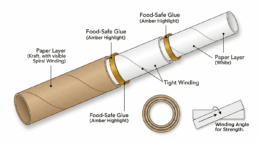
Struggling with customer complaints about flimsy, collapsing straws? It’s frustrating when your eco-friendly choice creates a bad experience, damaging your brand’s reputation. The real reason why paper straws become soft[1] isn’t just one simple thing, but a failure in the manufacturing system you can learn to spot.
A high-quality paper straw’s durability comes from a balanced system of three key elements: the right paper, high-performance water-resistant glue, and a precisely calibrated manufacturing process. A failure in any one of these areas, often due to cost-cutting, will result in a straw that gets soggy, unravels, or collapses quickly in a drink.
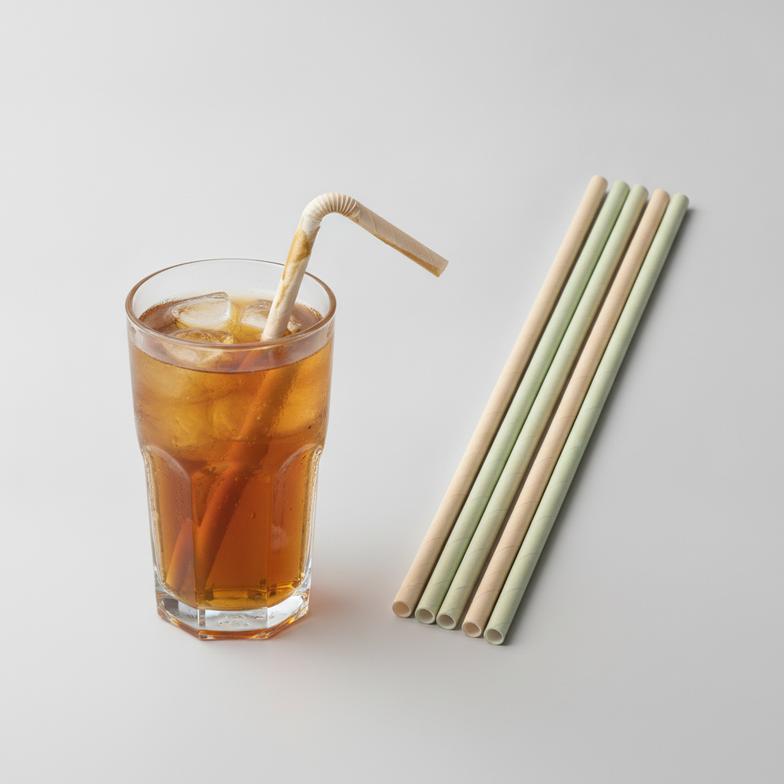
Now that you know the core reason, you’re probably wondering what specifically goes wrong in that system. Let’s break down each of these elements so you can better evaluate suppliers and protect your business from the risks of a soggy straw.
You might think that choosing a thicker paper is the easiest way to get a stronger straw. Many buyers focus on grams per square meter (gsm), assuming higher is always better. But this focus can be misleading and cause you to overlook more critical quality factors.
The truth is, paper thickness is only one part of the equation. A well-made straw using standard paper will easily outperform a poorly made one using thicker, more expensive paper. It’s the entire structure that provides strength, not just the raw material’s weight.
Over our decade in this business, one of the most common mistakes we see buyers make is getting fixated on paper gsm. They’ll request quotes for 135gsm paper straws, thinking it’s a guarantee of quality. But when we analyze competitor straws that fail, many of them are already using thick paper. The problem lies elsewhere.
Think of it like building a brick wall. You can have the strongest bricks in the world, but if your mortar is weak or the bricklayer is sloppy, the wall will crumble. It’s the same for a paper straw. The durability comes from the interplay of all components.
Here’s a practical example from our own R&D:
In every single test, Straw A maintains its shape and integrity in a cold beverage for hours, while Straw B often starts to feel soft in minutes and can unravel at the seam.
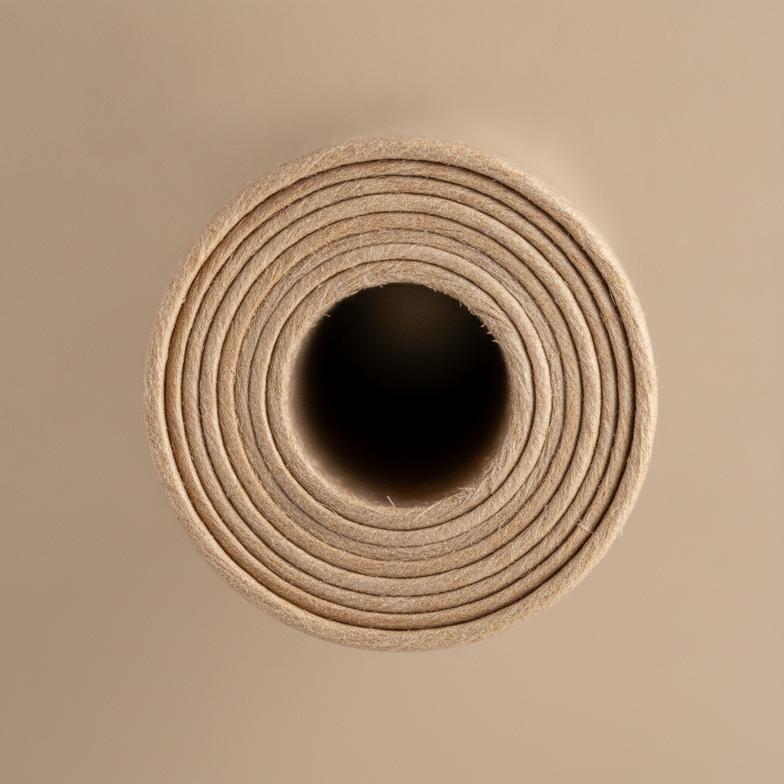
Why? The structural integrity of a paper straw comes from how tightly the multiple layers (plies) of paper are wound and bonded together[2].
So, when you’re sourcing straws, instead of just asking "What’s the gsm?", you should be asking suppliers about their entire system for ensuring structural integrity.
Let’s be honest, you’ve probably heard the term "food-grade glue" and assumed that covers all the bases for safety and quality. But this is a critical misunderstanding that many low-cost producers rely on. A straw that unravels at the seam is almost always a glue problem.
"Food-grade" is a safety certification, not a performance benchmark. It simply means the glue is safe for human contact. However, it says nothing about its water resistance or bonding strength, which are the two factors that prevent a straw from falling apart in your customer’s drink.
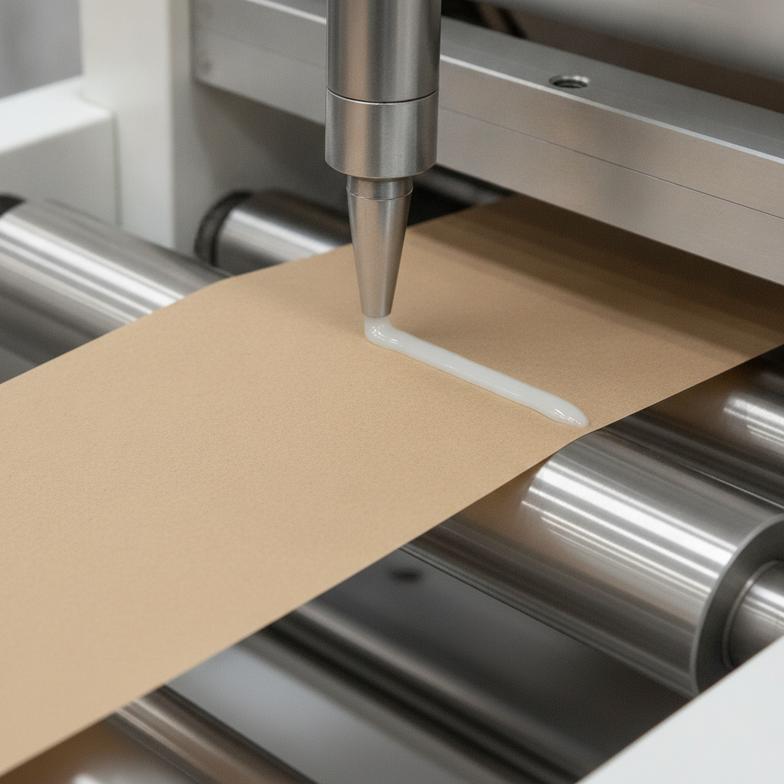
In our factory, we’ve tested dozens of glues. We learned early on that the choice of adhesive is just as important as the choice of paper. The problems why paper straws become soft and unravel often trace back to one of two shortcuts related to glue.
To cut costs, some manufacturers use a basic food-grade glue with very little water resistance. When the straw gets wet, this glue quickly breaks down, the seams peel open, and the paper layers start to separate. It might look fine out of the wrapper, but the moment it sits in a drink, the clock is ticking.
A high-performance glue, while also being food-grade, contains components that create a much stronger, water-resistant bond. When we make our straws, we use a specific adhesive engineered to withstand hours of immersion in cold liquids without losing its bonding strength. This is a crucial detail that procurement managers should inquire about. You can request documentation like a Material Safety Data Sheet (MSDS) for the glue, but you also need to ask the supplier about their performance testing.
This is a more subtle, process-related issue. Even the best glue needs time to cure properly to achieve its maximum bonding strength. The curing process involves the evaporation of water from the adhesive, allowing it to form a solid, durable bond.[4]
Here’s the problem: to maximize output, some factories run their production lines too fast. The straws are formed, cut, and sent to the drying tunnel, but they don’t spend enough time at the right temperature for the glue to fully cure[5].
When we analyze a competitor’s failed straw, one of the first things we look for is a "gummy" or weak seam. You can often peel it apart with your fingernail right out of the wrapper. That’s a tell-tale sign of a production process that prioritized speed over quality.
So, you’ve specified quality paper and confirmed your supplier uses a water-resistant glue. Yet, you could still end up with a batch of soggy straws. Why? Because the final piece of the puzzle is manufacturing discipline. This is where a factory’s experience truly shows.
The best raw materials in the world can be wasted by an improperly calibrated machine or an inexperienced operator. The manufacturing process is what brings the paper and glue together to create a durable, functional product. Any deviation can ruin an entire production run.
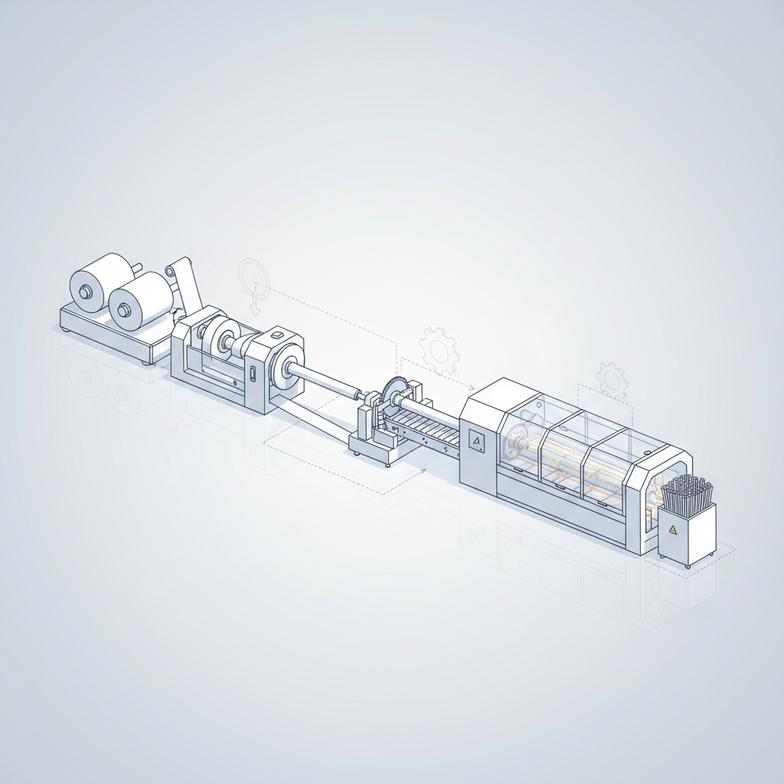
A durable paper straw is born from a perfect balance of machine settings. We call it the trifecta of quality control: winding tension, gluing precision, and drying calibration. Getting this balance right is more of an art form honed by years of experience than just pushing a button on a machine. This is a primary reason why paper straws become soft if the manufacturer lacks deep expertise.
Here’s how each part of the process contributes to the final quality:
| Machine Setting | Impact on Straw Quality | Common Shortcut/Mistake |
|---|---|---|
| Winding Speed & Tension | Determines the straw’s density and rigidity. Proper tension ensures no gaps between paper layers, preventing liquid from seeping in. | Running machines too fast to increase units per hour. This often leads to looser winding and a weaker straw structure. |
| Glue Application | Controls the bonding strength between layers. The glue must be applied as a thin, consistent, and unbroken film on each paper ply. | Using too little glue to save money, or applying it unevenly. This creates weak spots where the straw will bend or unravel first. |
| Drying & Curing | Activates the glue’s water resistance and hardens the final straw. Requires a specific temperature and duration in a drying tunnel. | Shortening the drying time or lowering the temperature to save energy and speed up the process. This results in improperly cured glue. |
In our facility, our line supervisors are constantly monitoring these variables. I’ve personally seen how a tiny adjustment—a 5% increase in speed or a slight drop in dryer temperature—can be the difference between a batch of 3-hour straws and a batch that fails in 15 minutes.
This is the "hidden" element of quality that you can’t see on a spec sheet. It’s the operational experience and commitment to discipline that separates a reliable manufacturing partner from a simple assembler. When evaluating a supplier, ask them about their quality control process during production. How do they monitor tension? How do they ensure consistent glue application? Their answers will reveal their level of expertise.
A cheaper paper straw might seem like a small win on your procurement budget, but the downstream costs of a failing product are enormous. The technical reasons why paper straws become soft translate directly into tangible business risks that can impact your revenue, brand, and operations.
The true cost of a bad straw isn’t the few cents you saved per unit. It’s the price of a lost customer, a negative online review, and the damage to your brand’s carefully built reputation. These are risks that no procurement manager wants to be responsible for.

Let’s move beyond the technical and talk business. When you choose a supplier based on the lowest price, you are implicitly accepting the risks that come with their likely production shortcuts. Here’s a breakdown of the real costs you might face:
1. Brand and Reputation Damage You switched to paper straws to show your commitment to sustainability. But when the straw collapses, the customer doesn’t blame the anonymous straw factory—they blame your brand.
2. Poor Customer Experience and Lost Sales A straw is a small part of the experience, but it’s a critical one. A failing straw is intensely frustrating for a customer trying to enjoy their drink.
3. Operational Inefficiency In a busy cafe or restaurant environment, time is money. Failing straws disrupt workflow.
Choosing a reliable manufacturing partner like us isn’t just about buying straws. It’s about buying peace of mind. It’s an investment in a stable supply chain, consistent product quality, and the protection of your brand reputation. The small premium for a well-made straw is insurance against these much larger business risks.
A well-manufactured paper straw should maintain its structural integrity for at least 3 hours in a cold beverage[9] under normal use. While performance can vary in hot or highly acidic drinks, it should never become soft, unravel, or collapse within minutes.
Instead of just asking for price and paper gsm, ask about their quality system. Key questions include: "What type of glue do you use and what is its water resistance?", "Describe your curing process (time and temperature)?", and "How do you monitor and control winding tension during production?"
Not necessarily. While more layers can add rigidity, the quality of the manufacturing process is far more important. A tightly wound, well-bonded 3-ply straw from an experienced factory will outperform a loosely wound, poorly glued 4-ply straw[10] from a low-cost producer.
Sometimes you can spot warning signs. Look for a loose or visible seam, a flimsy or easily bendable body, and any paper dust or residue. A high-quality straw will feel solid, smooth, and tightly constructed. However, the ultimate test is always its performance in a liquid.
Understanding why paper straws become soft is the first step toward sourcing a product that helps, rather than hurts, your brand. It’s not about a single feature like paper thickness; it’s about the entire manufacturing system. Durability is the result of quality paper, high-performance water-resistant glue, and a disciplined production process that balances tension, speed, and curing. Choosing a supplier who masters this system is critical. The initial cost savings from a cheap straw are quickly erased by the high price of customer complaints, brand damage, and operational headaches.
At RainbowBear, we’ve spent a decade perfecting this system in our own factory. We offer both finished, durable paper straws and complete production line solutions for those looking to manufacture themselves. If you’re tired of dealing with soggy straws and want a reliable partner focused on quality, contact our team today.