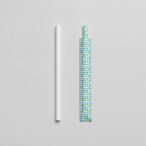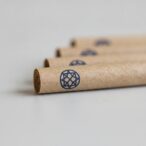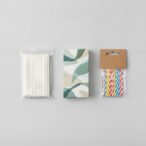
Struggling to find the right alternative to plastic cutlery for your restaurant chain or hotel group? You’re under pressure to be more sustainable, but the market is a minefield of confusing claims and materials, where a wrong choice can hurt your budget and your brand. The solution isn’t to find one “perfect” material, but to adopt a strategic framework for evaluating the best fit for your specific operational needs.
The best alternative to plastic cutlery is not a single material but the one that best balances total cost of ownership, user experience, and end-of-life disposal for your specific business. Key options like CPLA, wood, bamboo, and paper each present a unique set of trade-offs that procurement managers must carefully weigh.
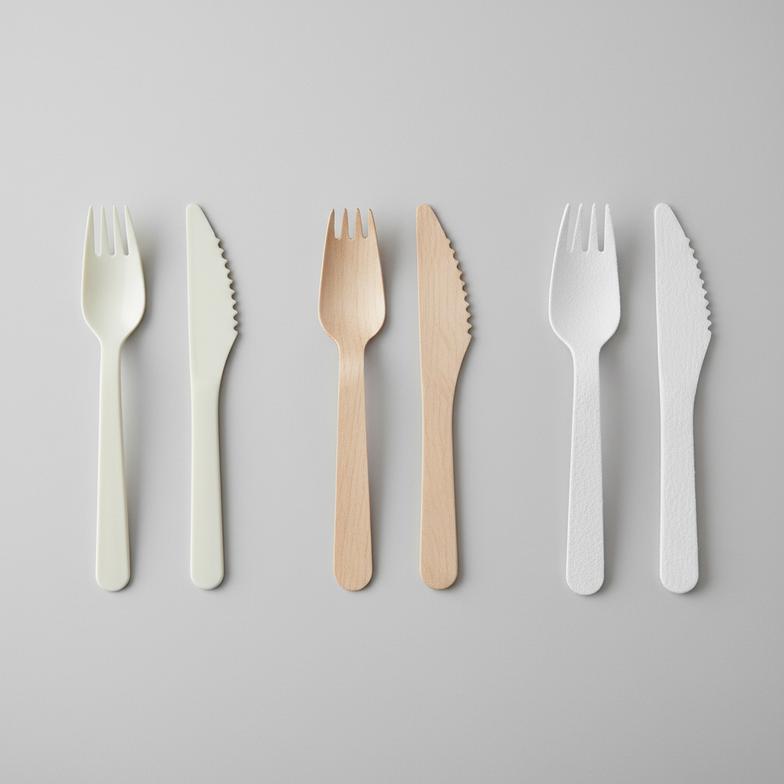
Making this decision goes far beyond a simple price comparison. It involves understanding material science, supply chain risks, and customer perception. Let’s break down the decision framework I use to guide our B2B clients through this exact process, ensuring they make a defensible, low-risk choice.
Need a replacement for plastic that can handle hot soup and feels familiar to customers? CPLA seems like the obvious choice. But you’re rightly concerned that the “compostable” label might not be as straightforward as it seems, potentially leading to greenwashing accusations. Understanding CPLA’s specific requirements is key to using it responsibly.
CPLA (Crystallized Polylactic Acid[1]) is a plant-based bioplastic that offers high heat resistance and a rigid structure, making it a strong contender for hot food applications. However, its major caveat is that it requires high-temperature industrial composting facilities to properly biodegrade[2], a service not available in all municipalities.
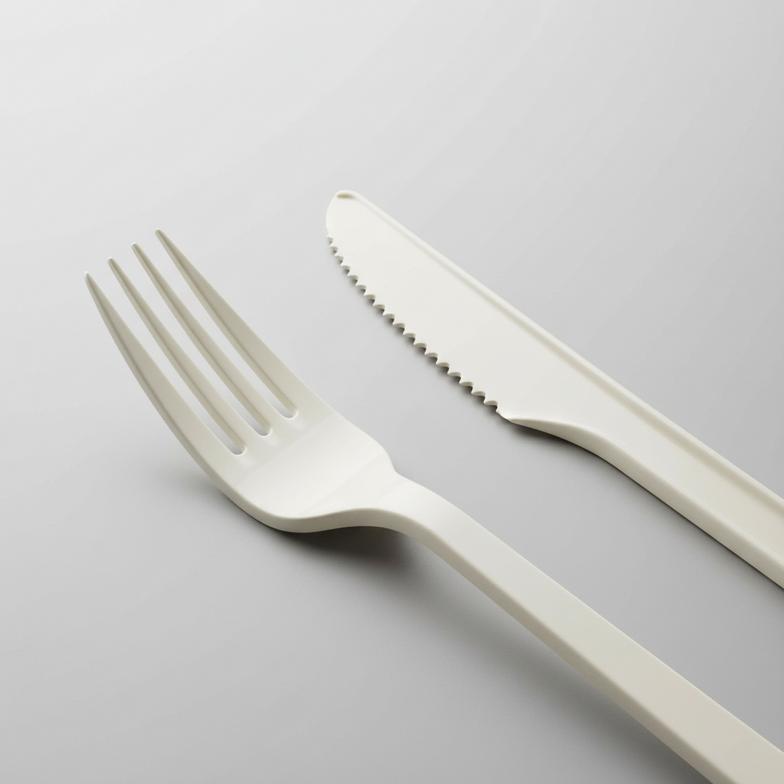
From a procurement standpoint, CPLA presents a compelling but complex case. Based on my experience helping clients evaluate it, here are the critical factors to consider.
The primary appeal of CPLA is its performance parity with traditional polystyrene (PS) or polypropylene (PP) cutlery.
The benefits of CPLA come with significant backend responsibilities that fall directly on the procurement and operations teams.
| Feature | Polystyrene (PS) Cutlery | CPLA Cutlery |
|---|---|---|
| Raw Material | Petroleum | Plant Starch (e.g., corn) |
| Heat Resistance | High | High (superior to standard PLA) |
| User Feel | Rigid, familiar | Rigid, familiar |
| End of Life | Landfill, Recycling (limited) | Industrial Composting Only |
| Marketing Angle | Convenience | “Compostable,” Plant-Based |
| Key Risk | Environmental criticism | Greenwashing, disposal logistics |
Looking for an option that sends a clear, visual message of sustainability? Wood and bamboo cutlery seem perfect. The worry, however, is that a single splinter or an off-putting woody taste could ruin a customer’s meal and reflect poorly on your brand. To make an informed choice, you must balance the aesthetic appeal with the real-world user experience.
Wood and bamboo are strong contenders because they are visibly natural, typically home compostable, and made from renewable resources. Their primary challenge lies in performance and consistency. Issues like a distinct taste, rough texture, or lack of durability can create a negative brand touchpoint for customers.
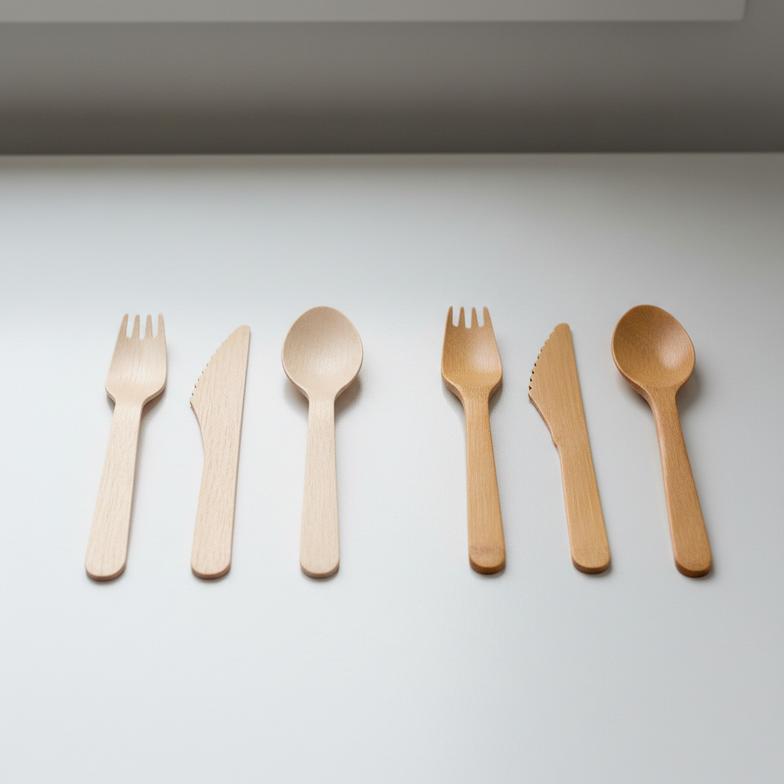
In my discussions with foodservice clients, wood and bamboo often come up first because of their “Instagrammable” eco-friendly look. But a successful procurement decision requires looking past the aesthetics.
For a multi-location restaurant, consistency is everything. Unfortunately, with wood and bamboo, the user experience can be a gamble.
The “green” halo around wood and bamboo is only valid if the materials are sourced responsibly.
A key part of my role is helping clients build a scorecard to test these products. We test forks against a crisp salad, spoons against hot soup, and knives against a semi-firm cheese block. This simple, hands-on testing quickly reveals the breaking point—literally—of each option.
You’re considering paper cutlery because it seems simple, compostable, and familiar to consumers. But the fear of handing a customer a fork that turns into a soggy mess mid-meal is a major deterrent. The key is understanding that manufacturing quality is what separates a durable, functional utensil from a flimsy, disappointing one.
Modern, high-quality paper cutlery is a surprisingly robust alternative to plastic cutlery. Made from multiple layers of dense, pressed paperboard and bonded with food-safe adhesives, it can hold its shape for hours. It successfully avoids the composting limitations of CPLA and the taste issues of wood, but its performance is entirely dependent on superior manufacturing.
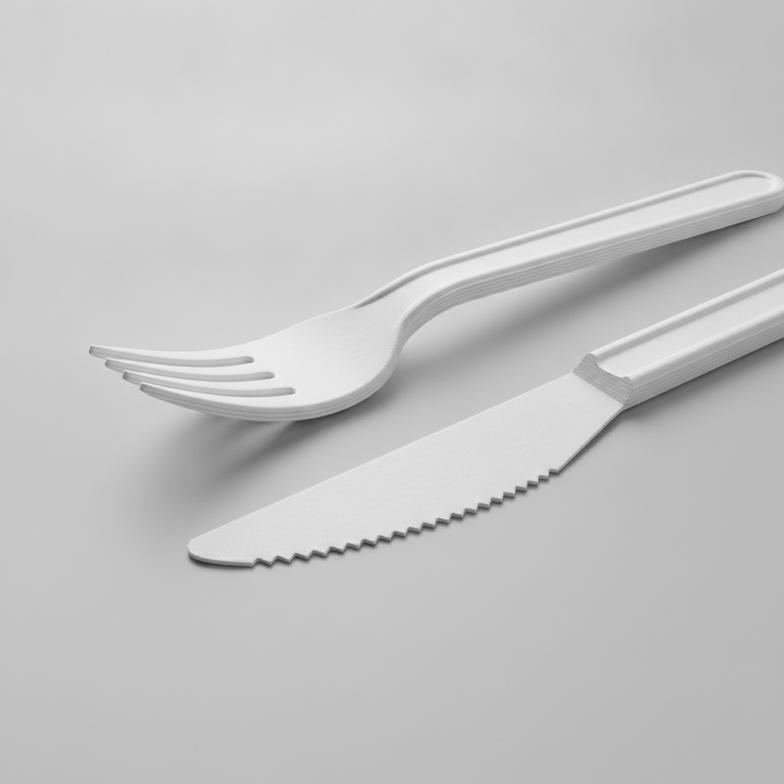
As our company, PaperStrawTech, is a manufacturer in the paper-based packaging space, I’ve seen the good, the bad, and the ugly of paper products. This first-hand experience has shown me that the negative reputation of paper cutlery comes almost entirely from low-quality, single-ply products that were never designed for performance.
Not all paper cutlery is created equal. When evaluating suppliers, you need to ask about the manufacturing process.
While the unit price may be competitive, the true value of high-quality paper cutlery emerges when looking at the total cost.
You’ve reviewed the pros and cons of CPLA, wood, and paper. Now, how do you make a final, defensible sourcing decision for your entire organization? A mistake could lead to wasted inventory, widespread customer complaints, or even compliance issues. The solution is to use a structured decision framework that moves beyond gut feelings and unit prices.
To choose the best alternative to plastic cutlery, you must evaluate each material against three core business criteria: 1) Total Cost of Ownership, 2) End-User Experience, and 3) Disposal & Compliance. Analyzing your options through this lens will reveal the lowest-risk, highest-value choice for your specific operational context.
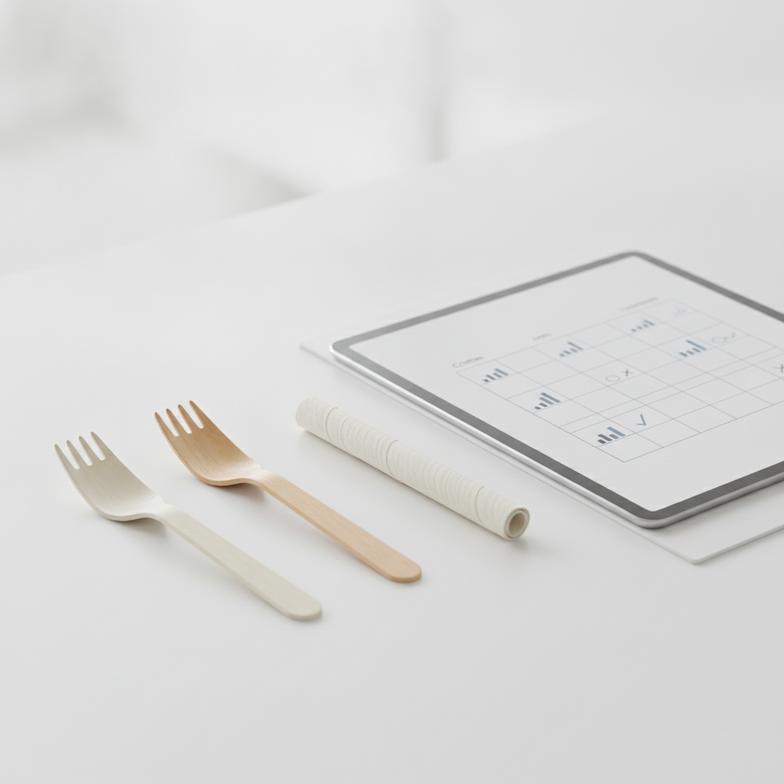
I use this three-part framework with every client, as it forces a holistic view of the procurement decision. It transforms the question from “What’s cheapest?” to “What provides the best overall value and lowest risk to my brand?”
TCO is a more comprehensive financial metric than per-unit price. It includes:
Your customers’ interaction with the cutlery is a direct reflection of your brand. Don’t leave this to chance.
This is the non-negotiable risk management part of your due diligence.
By systematically scoring each alternative against these three pillars, you can create a defensible business case for your chosen alternative to plastic cutlery.
CPLA, or Crystallized Polylactic Acid, is a bioplastic derived from renewable plant starches like corn or sugarcane. The “crystallized” part of the name refers to a heating and cooling process it undergoes during manufacturing, which arranges the polymer chains to give it much higher heat resistance than standard PLA.
Most high-quality paper cutlery is compostable in both home and industrial facilities because it’s made from wood fiber. However, it’s critical to verify that the adhesives and any coatings used are also certified compostable. Always check with the supplier for certifications like BPI or CMA to ensure full compostability.
The taste associated with wooden cutlery comes from the natural compounds (like lignin and tannins) present in the wood itself[10]. When the wood comes into contact with moisture and heat from food, these compounds can leach out slightly, creating a “woody” flavor that some people find unpleasant, especially with liquids or mild-tasting foods.
FSC (Forest Stewardship Council) certification is extremely important. It provides independent verification that the wood or paper pulp used in a product comes from a forest that is managed in an environmentally responsible, socially beneficial, and economically viable way. Sourcing FSC-certified products helps protect forests and prevent illegal logging.
Choosing the best alternative to plastic cutlery is a strategic business decision, not just a matter of picking the “greenest” looking option. The ideal choice is rarely a single material but rather a carefully considered trade-off. By using a framework that evaluates Total Cost of Ownership, the End-User Experience, and Disposal & Compliance, you can move beyond simple unit pricing and make a choice that protects your budget, enhances your brand, and genuinely reduces your environmental impact. Each material—CPLA, wood, and high-quality paper—has a role to play, but only a thorough evaluation will reveal the right fit for your operations.
If you are exploring high-quality paper solutions and need a partner with deep manufacturing expertise, our team at PaperStrawTech is here to help. We can provide samples for testing and guide you through the process of selecting a reliable and sustainable alternative to plastic cutlery. Contact us to discuss your specific requirements.