Struggling to find a reliable paper straw that doesn’t turn into a soggy mess? You’re not alone[1]. Many buyers worry that a weak straw will ruin a customer’s drink experience, but every supplier promises “premium quality,” making it hard to know who to trust. Understanding how paper quality truly impacts paper straw strength[2] is the key to cutting through the noise and making a confident, cost-effective purchasing decision.
The strength and durability of a paper straw are determined by a combination of factors, not just one. These include the paper’s weight (GSM), the raw material (e.g., wood pulp, bamboo), the quality of the food-grade glue, and the precision of the manufacturing process. Therefore, achieving optimal paper straw strength is about balancing these elements to match the intended use case—like cold sodas versus hot lattes—and budget.
Now that you know it’s a multi-factor issue, you’re probably wondering what to look for beyond a simple quality claim. If the strongest paper isn’t always the best choice, how do you evaluate the trade-offs between durability, cost, and functionality? Let’s dive deeper into the practical details that separate a great paper straw from a disappointing one.
It’s a common belief that heavier paper automatically makes a stronger straw, leading many to seek the highest GSM possible. But this can be a costly assumption that might even introduce new problems into your supply chain or production line.
While paper weight, measured in Grams per Square Meter (GSM), does contribute to a straw’s initial stiffness, it’s not the ultimate measure of durability. For achieving true paper straw strength, factors like raw material composition, fiber length, and how well the paper bonds with glue are often far more critical.
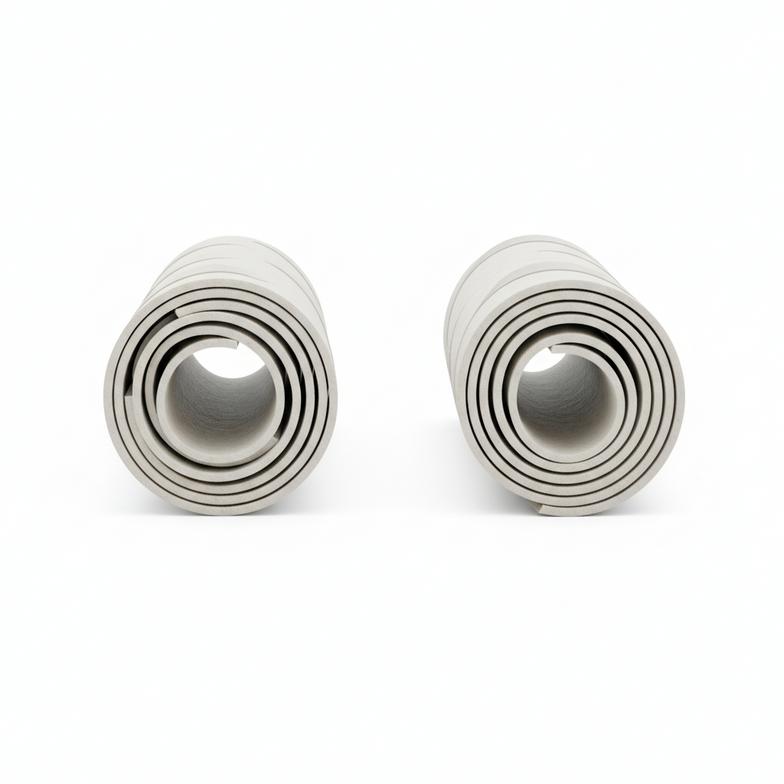
GSM is a straightforward metric: the higher the number, the heavier and thicker the paper. For instance, a 120 GSM paper is denser and more rigid than a 60 GSM paper. In paper straws, we typically use a combination of papers. A common 3-ply configuration might involve two layers of 60 GSM paper and one outer layer of 120 GSM paper[3]. This provides a good balance of rigidity and cost-effectiveness for most standard cold drinks. A higher GSM will feel more substantial in the hand, but this is where its benefits can start to plateau.
From our experience helping clients set up their own factories, we’ve seen the issues that arise from using paper that is too thick. A very high GSM paper (e.g., above 150 GSM for the main layer) can be difficult for paper straw machines to wind tightly and consistently[4].
Here’s what can happen:
In the end, you might have a straw that feels thick but unravels or gets soggy just as fast as a lower-GSM straw because its structural integrity is compromised from the start.
The most important lesson we’ve learned is that paper straw strength comes from a perfectly synchronized system. You can’t isolate one variable. 1. The Paper: The fiber source matters immensely. Paper made from long-fiber virgin wood pulp generally has superior wet strength[5] compared to paper made from short-fiber or recycled materials, even at the same GSM. 2. The Glue: The glue acts as the binding agent that holds the layers together and provides a barrier against liquid. A high-quality, water-resistant food-grade adhesive is non-negotiable. 3. The Machine: A well-calibrated machine ensures the winding angle is precise, the tension is consistent, and the glue is applied evenly.
A premium 60 GSM paper from a certified source, combined with the right glue and a properly tuned machine, will almost always outperform a generic 100 GSM paper in a poorly managed process.
Are you serving iced teas or thick, frozen milkshakes? The answer dramatically changes the kind of straw you need. Using a one-size-fits-all approach is a common mistake that leads to customer complaints and a perception that all paper straws are flawed.
The required paper straw strength and construction must be matched to the beverage it will be used in. Cold, thin liquids have very different demands than hot, acidic, or viscous drinks. Choosing the right straw for the right job is essential for performance and customer satisfaction.

A common question we get from new cafe and restaurant buyers is whether they really need to stock multiple types of straws. My answer is almost always yes. Investing a little more in a robust straw for specific drinks protects your brand’s reputation and prevents the frustration of a failed product. A standard straw is perfectly fine for sodas, but handing that same straw to a customer who ordered a thick smoothie is setting them up for a bad experience.
Let’s break down the requirements for different beverage categories.
| Beverage Type | Key Challenges | Recommended Straw Properties |
|---|---|---|
| Watery Cold Drinks | Low risk; basic durability needed. | Standard 3-ply construction (e.g., 60/60/120 GSM) is sufficient. Focus on cost-effectiveness. |
| Acidic Drinks (Juices) | Acidity can weaken paper fibers and glue[6] over time. | Requires paper with good wet strength and glue formulated to resist acidic breakdown. |
| Thick & Cold Drinks (Milkshakes) | High suction force required; risk of collapse. | Needs superior rigidity. A 4-ply straw or one made with higher GSM paper is ideal. A wider diameter also helps. |
| Hot Beverages (Coffee, Tea) | Heat accelerates moisture absorption[7], leading to sogginess. | Must have excellent wet strength and a heat-resistant adhesive. 4-ply construction adds insulation and rigidity. |
| Carbonated Drinks | Minimal extra challenge, but prolonged immersion is common. | A straw with a well-sealed, quality glue bond is key to preventing premature softening. |
At PaperStrawTech, we design our standard straws to last for over three hours in typical cold beverages. However, when a customer tells us they need straws for a smoothie bar, we immediately recommend our 4-ply or wider-diameter options. It’s not about upselling; it’s about providing the right solution so their business succeeds. The tiny extra cost per straw is an insurance policy against a negative online review.
Every supplier’s website will claim their straws are “durable,” “long-lasting,” and “high-quality.” But these words are meaningless without proof. Relying on marketing slogans alone is a significant business risk.
To truly verify paper quality and the resulting paper straw strength, you must go beyond the sales pitch. The best approach is to request specific documentation for compliance and safety, and most importantly, get physical samples to test under your own real-world conditions. A trustworthy partner will be transparent and encourage this diligence.

Before you even test a sample, ask for documentation. A reputable manufacturer should have these readily available. If they hesitate or make excuses, consider it a major red flag.
Here’s what to ask for:
Documents prove safety and sourcing, but they don’t tell you how the straw will perform in your customer’s hands. There is no substitute for physical testing.
When we send samples to a potential client, I always tell them to put the straws through a real-world stress test: 1. The Soak Test: Don’t just leave the straw in a glass of water. Place it in the actual beverage you plan to serve, whether it’s an acidic orange juice, a creamy latte, or an icy soda. Start a timer. How does it feel after 15 minutes? 30 minutes? An hour? A well-made straw should remain functional for at least 2-3 hours in a cold drink[10]. 2. The Bite Test: Many people, especially children, chew or pinch their straws. Give the straw a gentle pinch between your fingers or teeth. Does it immediately fray and fall apart, or does it hold its shape? 3. The Rigidity Test: Use the straw to stir the drink. Does it bend and collapse, especially in a thicker beverage like a smoothie? A strong straw should have enough rigidity to function as a light stirrer.
A transparent supplier will be confident in their product’s ability to pass these tests. We build our business on providing solutions that work in the real world, and we welcome the scrutiny.
No. While GSM contributes to stiffness, very high GSM can be hard to manufacture with, potentially leading to looser straws that unravel. The raw material source, number of plies, and especially the glue quality are just as important for overall durability. The goal is to find the right balance for your specific application.
Most standard paper straws use 3 plies (layers), which is sufficient for many cold drinks. For extra durability, especially for hot beverages or thick milkshakes, 4-ply straws are an excellent and more robust option. The combination of plies and paper weight determines the final rigidity and resistance to sogginess.
FSC (Forest Stewardship Council) certification ensures that the paper is sourced from forests that are responsibly managed, environmentally conscious, and socially beneficial. For your business, it serves as a verifiable credential that your products are part of a sustainable supply chain, a factor many modern consumers value[11].
Absolutely. The glue is a critical component[12]. A straw can be made from the best paper in the world, but if the glue is weak or not water-resistant, the layers will quickly separate and the straw will fail. The adhesive must be food-grade, strong, and formulated to withstand moisture and, in some cases, heat.
The pursuit of better paper straw strength is not about finding a single “best” paper quality, but about adopting a smarter, more holistic evaluation process. True durability comes from a balanced system where paper weight, raw material, glue, and manufacturing precision all work in harmony. The most important takeaway is to shift your focus from a supplier’s marketing claims to verifiable facts. Always align the straw’s properties with its end-use, demand compliance documentation like FSC and food-grade certificates, and never skip the crucial step of testing physical samples in your own real-world environment. This diligence is what separates a successful product from a costly mistake.
Whether you are sourcing finished paper straws for your brand or need expert guidance on selecting the right raw materials for your own production facility, our team is here to help. We leverage our hands-on factory experience to provide solutions that balance quality, cost, and performance.
Contact PaperStrawTech today to request your free samples or to discuss your specific production requirements.