
Sourcing disposable breathalyzer mouthpieces seems simple, but are you aware of the hidden risks? Choosing the wrong type can lead to inaccurate test results, serious hygiene liabilities, and even legal challenges. A cheap, poorly fitting mouthpiece can compromise a critical workplace safety test, while non-sterile packaging puts everyone’s health on the line.
The best disposable breathalyzer mouthpieces are selected based on the specific testing application. For high-stakes law enforcement or workplace testing, prioritize individually wrapped, virgin-grade plastic mouthpieces with a certified secure fit for your device. For lower-risk event testing, bulk-packed options may be cost-effective, but ensuring hygienic dispensing remains critical.
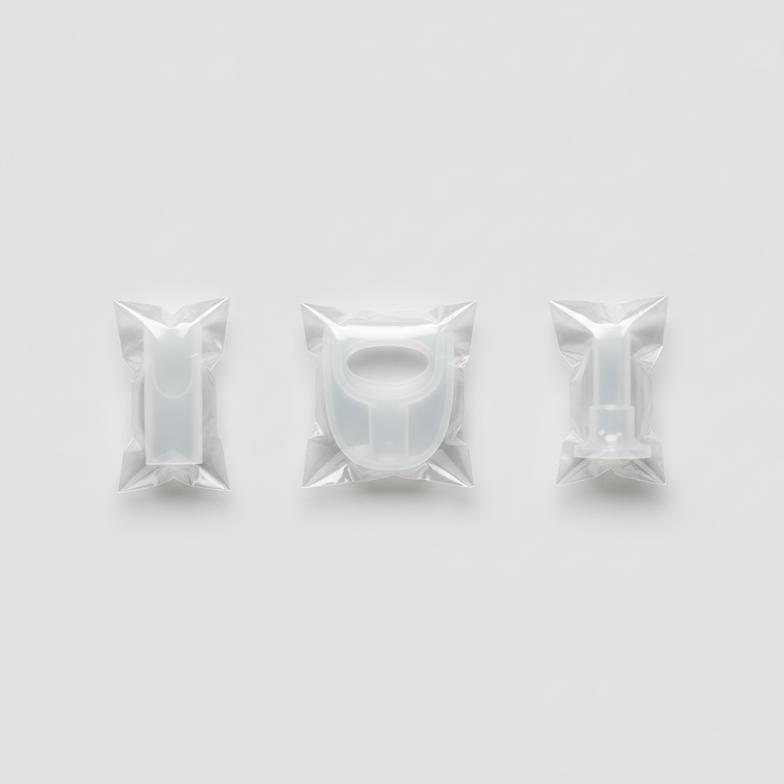
Now that you have the direct answer, you might be wondering why these details matter so much. The difference between a reliable test and a compromised one often comes down to the mouthpiece. Let’s explore the specific requirements for police, workplace, and event scenarios so you can source your supplies with confidence.
Law enforcement agencies operate under immense scrutiny, where every piece of evidence must be irrefutable. A faulty breathalyzer mouthpiece can introduce enough doubt to have a DUI case thrown out of court[1]. Are you certain your current supply chain meets this incredibly high standard of reliability?
Police-grade mouthpieces are engineered for evidential-level accuracy and legal defensibility. They must guarantee a perfect, air-tight seal with a specific evidential breath tester (EBT) model, are always made from virgin-grade plastic, and are individually and hygienically sealed to eliminate any chance of contamination or legal challenge.
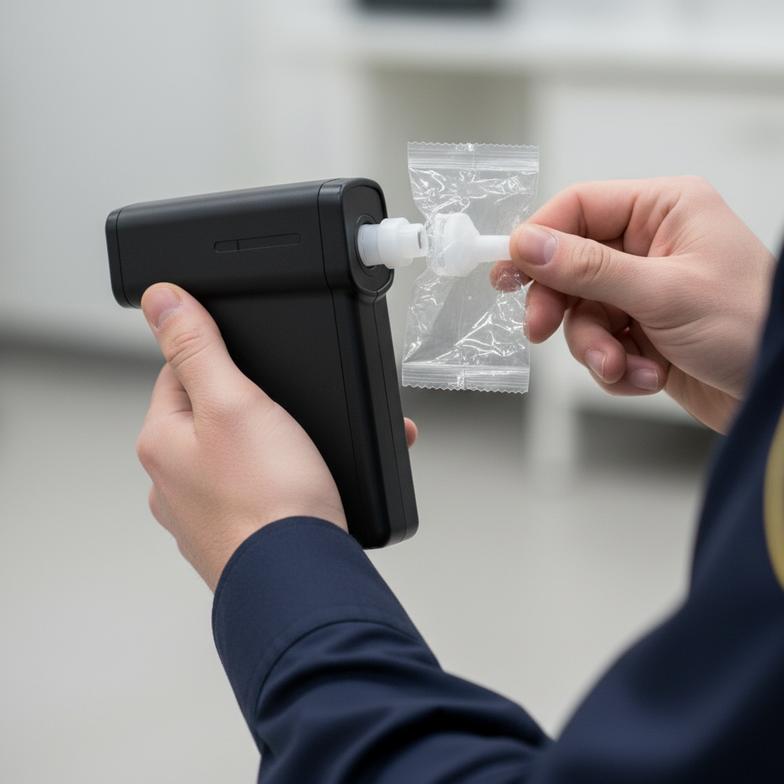
When a breath alcohol content (BrAC) reading is used as evidence in court, there is zero room for error. The mouthpiece is a critical link in the chain of custody and accuracy. From our experience helping procurement departments for public safety, we know that cutting corners here is a risk no one can afford.
Unlike general-purpose screeners, evidential breath testers are precision instruments. Brands like Dräger, Intoximeters, and Lifeloc have specific mouthpiece designs engineered to work flawlessly with their devices. A key feature is the airtight seal. If a mouthpiece fits loosely, ambient air can be drawn into the sample, diluting the subject’s deep-lung breath[2]. This can lead to a falsely low reading, compromising the integrity of the test.
A common mistake we see is procurement managers opting for a cheaper, "similar-looking" mouthpiece to save on budget. This is a frequent point of failure. The only acceptable options are mouthpieces made by the Original Equipment Manufacturer (OEM) or a third-party supplier who can provide certification that their product is tested and guaranteed to be 100% compatible with the specific EBT model in use.
The material itself is part of the evidence. Police-grade mouthpieces are almost exclusively made from virgin-grade, food-safe polypropylene (PP). Using recycled plastic is out of the question, as it could contain trace contaminants that might (however unlikely) affect the reading[3] or introduce foreign substances.
More importantly, each mouthpiece is individually and hygienically wrapped. This serves two purposes: 1. Hygiene: It prevents the transfer of bacteria and viruses. 2. Legal Defensibility: The sealed wrapper is proof that the mouthpiece is new and untainted[4]. An officer typically opens it in front of the subject to demonstrate that the test is being conducted with sterile equipment, removing any doubt about prior use or contamination.
When vetting a supplier, always ask for documentation like a Material Safety Data Sheet (MSDS) to verify the plastic is non-toxic and free from harmful additives.
Many law enforcement EBTs require a mouthpiece with a one-way valve. This small internal flap prevents the subject from being able to suck air back from the device. This feature stops attempts to tamper with the test by faking a breath attempt and protects the internal sensor from being contaminated by saliva[5] being blown back with excessive force.
Your company’s alcohol and drug policy is only as strong as your testing protocol. A faulty or unhygienic mouthpiece can create a serious health risk, undermine employee trust, and weaken your position in a "for-cause" termination or disciplinary action. Are you sure your current supplies are protecting both your employees and your company?
For workplace testing, the priorities are a balance of hygiene, accuracy, and cost-effectiveness. Individually wrapped disposable breathalyzer mouthpieces made from safe, non-toxic plastic are essential. While a certified fit is ideal, a well-tested "universal" mouthpiece that is compatible with your specific screening devices is often a practical solution.
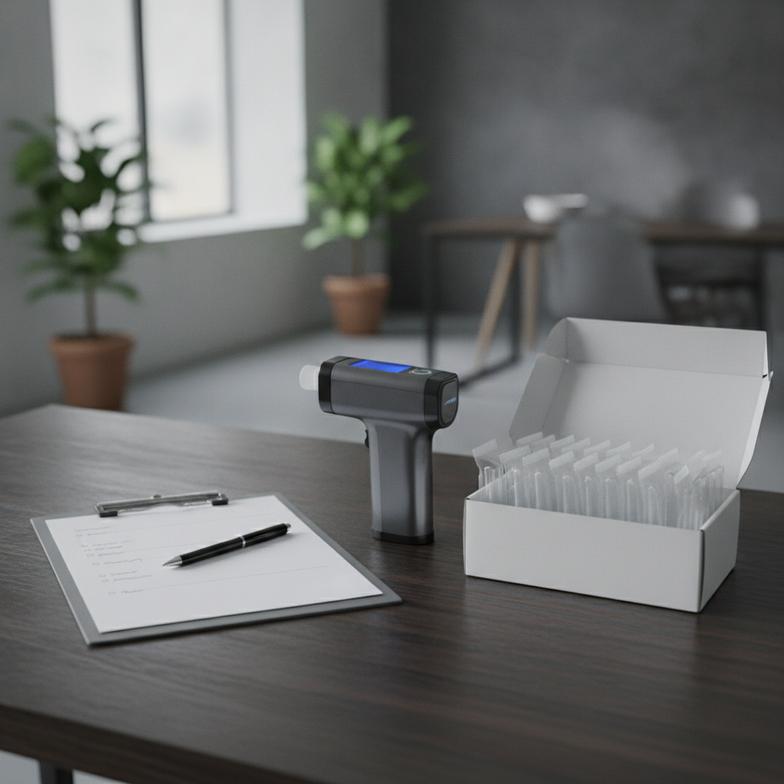
In a corporate or industrial setting, breath alcohol screening can range from pre-employment checks to random testing and post-incident investigations. The mouthpiece you choose must align with the level of risk involved.
A common question we get from HR and Safety Managers is how to manage the budget for a high-volume testing program without compromising safety. It’s tempting to buy mouthpieces in bulk bags to lower the per-unit cost. However, this is a significant misstep.
Leaving a bag of unwrapped mouthpieces in a drawer or on a desk for anyone to reach into is a major cross-contamination risk[6]. It sends a message to employees that their health is not a top priority. The small additional cost for individually wrapped mouthpieces is a minor price to pay for risk mitigation. It demonstrates professionalism, ensures hygiene, and protects the company from potential liability if an illness were to spread through the workplace.
Many workplaces use a variety of handheld alcohol screening devices that are not necessarily the same evidential-grade models used by police. For this reason, "universal" mouthpieces that fit a range of common devices are popular.
However, "universal" does not always mean a perfect fit on every device. A loose fit can cause inaccurate readings[7], which is a major problem if the test is being used as the basis for a serious action, like sending an employee home or initiating disciplinary procedures.
Best Practice: Before placing a large order, ask the supplier for their device compatibility list. Better yet, request samples to physically test the fit with your specific breathalyzer models. A secure, snug fit is what you’re looking for.
The right choice depends on the context of the test. Here’s how we advise clients to think about it:
| Feature | High-Stakes Testing (e.g., Post-Incident) | Routine Screening (e.g., Random) |
|---|---|---|
| Packaging | Individual Sterile Wrap (Essential) | Individual Wrap (Strongly Recommended) |
| Material | Virgin Food-Grade Plastic | Food-Grade Plastic |
| Fit | Certified Compatible with Device | Tested "Universal" Fit |
| Documentation | MSDS, Compatibility Chart | Supplier Spec Sheet |
| Primary Goal | Accuracy & Legal Defensibility | Hygiene & Cost-Effectiveness |
You’re running a festival, a bar promotion, or a corporate wellness fair and want to offer voluntary breathalyzer tests to promote safety. To manage your budget, is it acceptable to use the cheapest, bulk-packed disposable breathalyzer mouthpieces you can find?
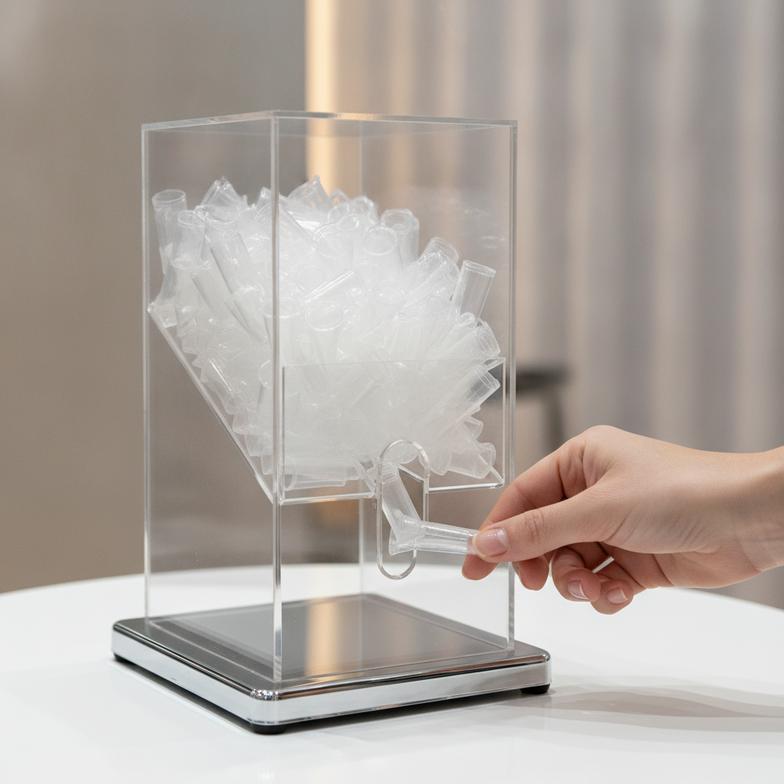
For voluntary, informational-only testing at events, bulk-packed mouthpieces can be a practical and cost-effective option. However, the responsibility for hygiene does not disappear. You must use a dispensing method that prevents attendees from touching any mouthpiece other than the one they are taking.
In this context, the goal is education and awareness, not evidence. An individual is using the reading to make a personal decision, such as whether to wait longer before driving. This lowers the bar for absolute accuracy, making cost a more significant purchasing factor.
At a large public event, you might go through hundreds or thousands of mouthpieces. The purpose is to give attendees a general idea of their alcohol level, not to produce a legally binding number.
In these situations, a slight variance in accuracy due to a less-than-perfect mouthpiece fit is generally acceptable. The test is a screening tool to encourage responsible behavior. Therefore, focusing on a lower-cost, bulk-packaged mouthpiece makes financial sense, as long as other risks are properly managed.
Even though the legal stakes are lower, you still have a duty of care to event attendees. The biggest risk with bulk mouthpieces is cross-contamination. Simply leaving a bowl or bag of mouthpieces on a table is unacceptable. Multiple hands reaching in creates an obvious and avoidable health hazard.
The proper way to manage this is with a gravity-fed dispenser[8]. These containers hold the mouthpieces vertically, and a user pulls one from the bottom. This ensures they only touch the single mouthpiece they intend to use. This simple tool is a crucial part of using bulk mouthpieces responsibly and protecting your organization from liability.
Just because a mouthpiece is cheap doesn’t mean it should be unsafe. I’ve heard stories from event organizers who switched to a rock-bottom-priced supplier, only to receive complaints about mouthpieces that were brittle and cracked or shattered in a person’s mouth[9]. This is a significant safety and liability issue.
Even for bulk supplies, ask the supplier about the material. Is it food-grade plastic? Is it durable enough for its intended use? A slightly higher price for a non-brittle, non-toxic plastic is a wise investment to avoid physical harm and potential lawsuits.
Absolutely not. They are designed for single use to ensure both hygiene and accuracy. Reusing a mouthpiece creates a significant risk of spreading germs and can trap moisture or saliva, which will contaminate the sensor and corrupt all future test results[10].
No. While many "universal" models exist for common handheld screeners, they do not fit all devices. Professional and evidential-grade breathalyzers often require specific, proprietary mouthpieces to guarantee an airtight seal for accurate, legally defensible results. Always verify compatibility.
Evidential mouthpieces are used by law enforcement with calibrated instruments and must meet strict standards for material purity, fit, and hygienic packaging[11] to be admissible in court. Screening mouthpieces are for general use (workplace, personal, events) and have less stringent requirements, though hygiene and a good fit are still critical.
Store them in a clean, dry environment away from direct sunlight and extreme temperatures. Most importantly, keep them in their original sealed packaging (whether individual or bulk) until the moment of use to protect them from dust, moisture, and contamination.
Ultimately, selecting the right disposable breathalyzer mouthpieces is a crucial risk management decision, not just a line item on a purchase order. The "best" choice is entirely dependent on your application. For law enforcement, nothing short of an OEM-specified, individually wrapped, evidential-grade mouthpiece will do. For workplace testing, balancing cost with the non-negotiable standards of individual wrapping and a verified fit is key. And for events, even the most budget-friendly bulk options require a hygienic dispensing system. By asking suppliers the right questions about compatibility, material safety, and packaging, you protect your organization, ensure the integrity of your testing program, and make a truly smart investment.
If you’re looking for guidance on vetting your supply chain or matching a mouthpiece to your specific testing protocol, we can help. Our expertise lies in helping you navigate these choices to find a compliant, cost-effective, and confident solution. Contact us for a consultation.