
Sourcing disposable mouthpieces for alcohol testers can seem like a simple task, but a wrong choice can lead to significant problems. You might face compatibility issues that render your devices useless, hygiene risks that create liability, or a wasted budget on a bulk order that doesn’t meet your standards. The frustration of dealing with unusable stock or, worse, compromised test results, is a procurement manager’s nightmare.[1] The solution lies in shifting your focus from finding the lowest price to implementing a rigorous sourcing process that prioritizes compatibility, material safety, and supplier reliability.
To source disposable mouthpieces for alcohol testers in bulk, you must first identify the exact make and model of your testing devices. Then, verify that the mouthpiece material is food-grade virgin plastic (like PP or PE) and that each piece is individually wrapped for hygiene. Finally, vet potential suppliers by requesting samples for physical testing, demanding quality control documentation, and confirming their batch traceability process to ensure consistent quality and safety.
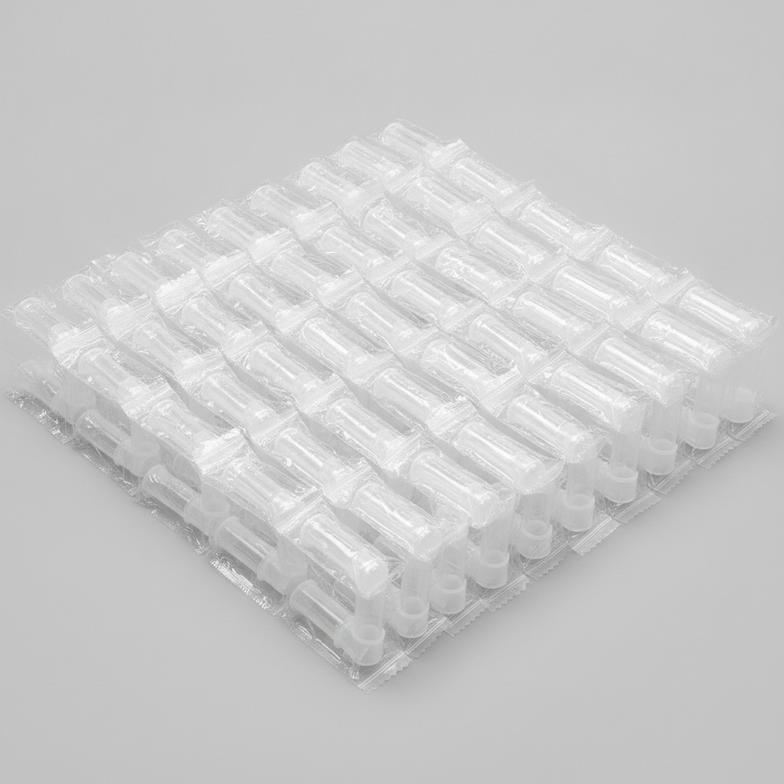
Now that you have the core answer, you might be wondering what specific details to look for in each of those steps. Making the right choice is about managing risk, and that requires a deeper understanding of materials, design, and supplier verification. Let’s dive into the critical factors that will help you make a smart, defensible purchasing decision.
You’ve found a supplier with an incredible price-per-unit, and you’re ready to place a large order. But have you confirmed the mouthpieces will actually fit and function with your specific devices? Ordering thousands of incompatible units is one of the most common and costly mistakes I see, turning a potential saving into a complete loss.
The right mouthpiece must be made from safe, appropriate materials and engineered to create a perfect seal with your alcohol tester. An improper fit can not only lead to inaccurate readings but can also damage the delicate sensors on your expensive equipment over time[2].
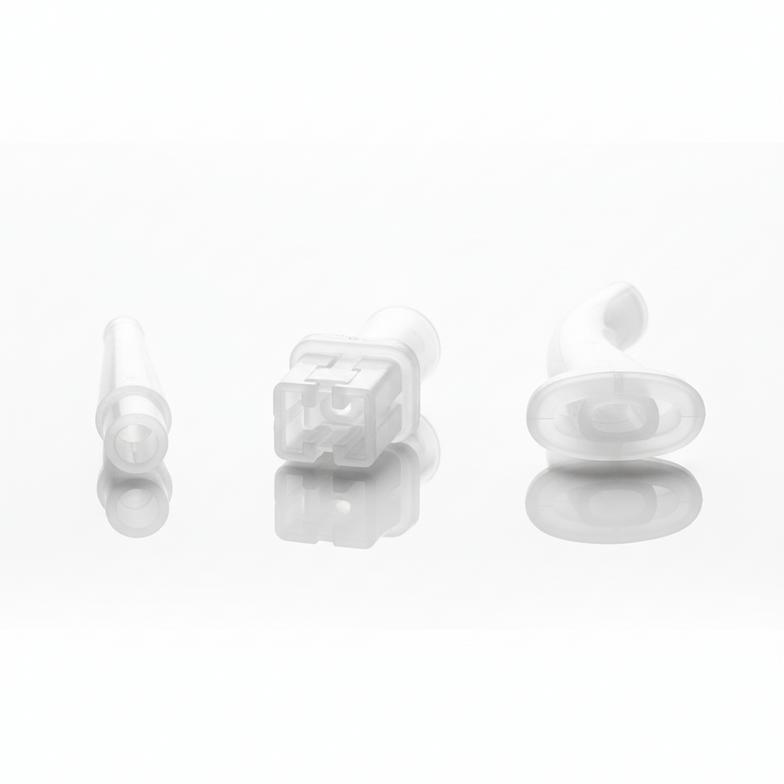
Compatibility isn’t just about whether the mouthpiece "looks right." It’s a combination of precise physical dimensions, material properties, and design features that ensure both safety and accuracy.
The term "universal mouthpiece" is a marketing phrase, not a technical standard. While some mouthpieces may fit multiple devices, the safest approach is to source ones specifically designed for your tester model. Each alcohol tester has a uniquely shaped port to ensure a secure, airtight connection.
Before you even ask for a quote, provide potential suppliers with the exact make and model of your alcohol testers. A reputable manufacturer will be able to confirm compatibility or state clearly that their product is not a match. Always request samples to test on your own devices before committing to a bulk order.
The mouthpiece comes in direct contact with a person’s mouth, making material safety a non-negotiable priority. Insist on mouthpieces made from 100% virgin, food-grade plastic.
| Material | Rigidity | Common Use | Key Considerations |
|---|---|---|---|
| Polypropylene (PP) | High | Professional-grade testers | Excellent rigidity prevents collapsing during use. High melting point. |
| Polyethylene (PE) | Moderate | Some personal or low-cost testers | More flexible than PP. Lower cost. Ensure it’s high-density for durability. |
Never accept mouthpieces made from recycled or non-food-grade plastics. These can contain harmful chemicals, contaminants, or impurities[4] that pose a health risk. Always ask a supplier for a Material Safety Data Sheet (MSDS)[5] or a similar certificate to verify the raw materials they use are safe for human contact. This is a standard request in my own industry of paper straw manufacturing, and any serious B2B supplier should be able to provide it without hesitation.
It’s easy to assume all disposables are inherently hygienic, but the journey from the factory to the end-user is filled with opportunities for contamination. Using a non-sterile mouthpiece undermines the entire purpose of a disposable item, creating health risks and potential legal liability[6], especially in professional settings.
For any application involving health, safety, or law enforcement, individual and hermetically sealed packaging is the absolute standard. This ensures that each mouthpiece remains sterile from the moment it leaves the production line until the moment it is used, protecting both the person being tested and the administrator of the test.

The way a product is packaged is a direct reflection of the manufacturer’s commitment to quality and safety. In the world of disposables, packaging is part of the product itself.
Individually wrapped mouthpieces offer the highest level of hygiene. Each unit is sealed in its own plastic or paper-plastic pouch, protecting it from dust, moisture, and manual handling.
I often tell clients that if a supplier primarily offers mouthpieces in a large bulk bag, they are likely targeting the personal or novelty market, not professional B2B clients.
There are very few, if any, professional scenarios where mouthpieces packed loosely in a single bag are acceptable. While it may reduce the cost per unit slightly, the risks far outweigh the savings. The only potential exception might be for internal calibration or non-human testing where hygiene is not a factor.
For any situation involving human subjects, the chain of custody for hygiene is critical. You must be able to prove that the mouthpiece was sterile before use. A loose bag of mouthpieces offers no such guarantee, as every item is exposed to air and potential contaminants the moment the bag is opened. Don’t let a supplier convince you that bulk packaging is "good enough" for your professional needs.
You’ve posted your sourcing request and are now flooded with quotes. The temptation is to sort them by price and engage with the cheapest option. However, in my experience guiding buyers, a low price can often mask critical deficiencies in quality control, supply chain consistency, and documentation.
The most effective way to vet suppliers of disposable mouthpieces for alcohol testers is to move beyond the price discussion. Instead, you should focus on verifying their processes. A reliable partner can provide samples, furnish quality control documentation, and explain their batch traceability procedures, demonstrating their commitment to quality long before you sign a purchase order.

Choosing a supplier is a risk management decision. Your goal is to find a partner who will deliver a consistent, safe, and reliable product with every order. This requires a more investigative approach to procurement.
An experienced procurement professional knows that the "price" of a product is not the same as its "cost." The true cost includes the risks of receiving a defective batch, the administrative headache of returns, and the potential for operational downtime. A slightly higher unit price from a vetted, reliable supplier is almost always cheaper in the long run.
When I consult with businesses looking to set up their own production lines, we focus heavily on process control. The same logic applies here. A good supplier isn’t just selling you a plastic part; they are selling you the output of a reliable and documented manufacturing process. Your job is to audit that process.
Instead of starting with "What’s your best price?" or "What’s your MOQ?", lead with questions that reveal the supplier’s operational maturity. Their answers will tell you more about their reliability than any marketing brochure.
Never skip the sample testing step. Physically check the fit on your devices, the quality of the plastic, and the integrity of the sealed packaging.
This question forces them to prove they understand your technical requirements, rather than just selling a generic product.
Look for answers that mention cleanroom environments, automated packaging, and quality checks on the seals of the individual wrappers.
A CoC is a formal declaration that the batch meets your specifications. This, along with the MSDS for the plastic, is standard for any professional B2B transaction.
A mature supplier will have lot numbers on their packaging that allow them to trace a specific batch back to the production date, machine, and raw material lot used[9]. This is essential for containing any potential quality issues.
A supplier who can confidently and quickly answer these questions is one worth engaging. One who deflects, makes excuses, or only wants to talk about price should be considered a major red flag.
Absolutely not. The term "disposable" means single-use. Reusing a mouthpiece, even for the same person, poses a significant hygiene risk. Using one mouthpiece for multiple people is a serious health violation that can transmit bacteria and viruses[10]. Always use a new, sealed mouthpiece for every test.
Model-specific mouthpieces are designed to fit the exact dimensions of a particular alcohol tester, ensuring an airtight seal and accurate readings. "Universal" mouthpieces are designed with a tapered or flexible opening to fit a range of devices, but this often results in a poor seal, leading to inaccurate results and potential damage to the tester[11]. For professional use, always opt for model-specific mouthpieces.
While sustainability is a growing concern, plastic remains the dominant material for alcohol tester mouthpieces due to its rigidity, moisture resistance, and ability to be molded into precise shapes for an airtight seal. As experts in paper-based disposables, we know that current paper technology would struggle to meet these strict requirements without becoming soggy or collapsing[12]. However, material science is always advancing, and future bio-based options may one day become viable.
Store them in a cool, dry place away from direct sunlight and extreme temperatures. Keep them in their original shipping cartons to protect the individual wrappers from being punctured or damaged. Proper storage is essential to maintain the sterility and integrity of the product until it is ready for use.
Sourcing disposable mouthpieces for alcohol testers in bulk is fundamentally a risk management exercise. A successful procurement process goes far beyond finding the lowest unit price. It requires a methodical approach that prioritizes three key areas: verifying the material safety and precise design compatibility with your devices; insisting on individually sealed, hygienic packaging; and thoroughly vetting your suppliers by auditing their processes, not just their price list. By asking deeper questions and demanding documentation, you transform yourself from a price-shopper into an informed buyer making a low-risk, defensible decision that protects your organization, your personnel, and the integrity of your testing program.
At PaperStrawTech, we’ve built our business on the principles of material safety, production consistency, and reliable B2B partnerships. While our core focus is on sustainable paper straws and manufacturing solutions, our expertise in high-volume disposable production can help you ask the right questions for any procurement challenge. If you need a partner who understands the importance of quality control and reliable supply, contact our team to discuss your needs for custom disposable products.