Sourcing paper straws seems simple, but are you worried about hidden safety risks and compliance nightmares that could damage your brand? Choosing a supplier based on a vague "food safe" promise is a huge risk. The key is understanding what food contact safety for paper straws[1] truly means and knowing which specific documents to request and verify.
To ensure food contact safety for paper straws, you should request a set of documents that form a chain of evidence, not just a single certificate. This includes test reports for the finished straws relevant to your market (e.g., FDA, LFGB), material safety data sheets (MSDS) for the glue and inks, and certifications for the raw paper, such as FSC.

Getting the right documents is just the first step. The real skill is knowing how to read them, ask intelligent follow-up questions, and use them to assess a supplier’s transparency and expertise. Let’s break down exactly how to do that.
You see "food safe" advertised on a supplier’s website and feel a sense of relief. But what does that vague term actually cover? Without specific proof, you’re just taking their word for it, which is a significant business risk that could lead to rejected shipments or legal trouble.
"Food safe" is a marketing term, not a formal technical standard.[2] True food contact safety for paper straws is a complete system. It involves three key components—paper, glue, and ink—and each one requires its own specific compliance documentation to prove its safety.
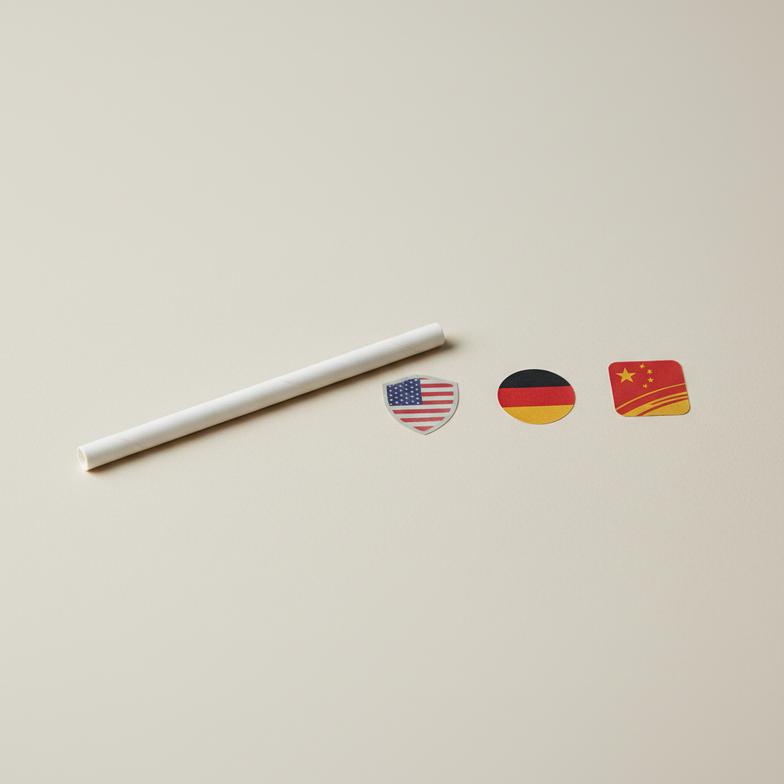
From my experience in the factory and talking to hundreds of buyers, the biggest mistake I see is assuming a single certificate covers the entire product. A professional buyer knows to deconstruct the product and verify each part. Think of it as building a chain of evidence.
1. The Paper The body of the straw is made from kraft paper. For it to be food-contact safe, it must be produced from virgin pulp and be free of harmful chemicals that could leach into a drink[3].
2. The Glue The adhesive is what holds the spirally wound paper together. This is a critical point of direct food contact, especially at the ends of the straw. The glue must be a specialized food-grade formula that is water-resistant and completely non-toxic.[5]
3. The Ink If you’re ordering custom-printed or colored straws, the ink is the third pillar. The pigments and solvents must be safe for incidental food contact and free from heavy metals or other toxic substances[6].
Here’s a simple table to keep track:
| Component | Key Document(s) Needed | What It Verifies |
|---|---|---|
| Paper | Test Report (FDA/LFGB), FSC Certificate | Paper is non-toxic and sustainably sourced. |
| Glue | MSDS, Test Report | Adhesive is food-grade and won’t leach chemicals. |
| Ink | MSDS, Test Report | Pigments are free of heavy metals and toxins. |
A supplier sends you a test report, and you breathe a sigh of relief. But then you realize it’s a Chinese GB standard report, and you plan to sell in the USA. Is it valid? This kind of mismatch can get your products held up or rejected at customs, creating a costly disaster.
Food contact regulations are not universal; they are market-specific. A competent supplier must be able to provide documentation relevant to your sales region. The most common standards we encounter are FDA for the United States, LFGB for Germany (and widely respected across the EU), and GB standards for China.
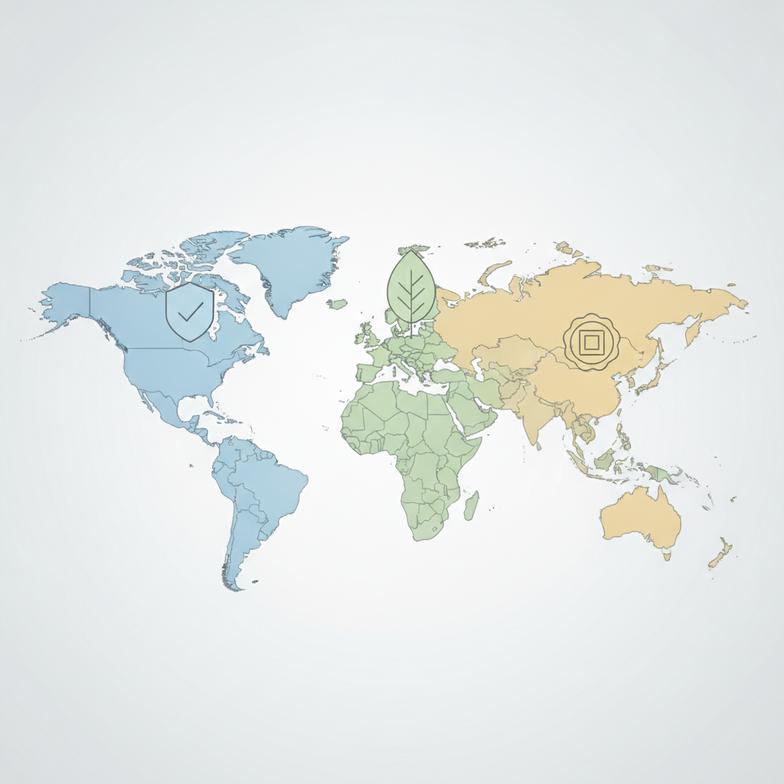
A professional supplier won’t just send you a random certificate. They should ask, "What market are you selling in?" This question is a great sign. It shows they understand compliance is regional. Here’s a quick breakdown of what you should know.
FDA (U.S. Food & Drug Administration) For the US market, materials must comply with regulations outlined in the Code of Federal Regulations (CFR). For paper products, this is typically 21 CFR 176.170 (Paper and paperboard components in contact with aqueous and fatty foods)[7]. This standard lists substances that are generally recognized as safe (GRAS) for use in food-contact paper. An FDA compliance report will typically state that the product’s components meet these requirements.
LFGB (Lebensmittel-, Bedarfsgegenstände- und Futtermittelgesetzbuch – Germany) This is Germany’s comprehensive law for food, feed, and consumer products. It’s often considered one of the strictest standards in the world[8] and is highly respected throughout the European Union.
GB Standards (Guobiao – China) For products sold within mainland China, compliance with national GB standards is mandatory. The relevant standard for paper is GB 4806.8-2016[10]. Most Chinese manufacturers will have this report by default. While it’s essential for the Chinese market, it is not a substitute for FDA or LFGB reports if you are exporting to the US or EU.
A trustworthy partner should be able to either provide existing reports for major markets or have a clear process for commissioning new tests if you require documentation for a less common region.
You’ve successfully collected a stack of PDF documents from a potential supplier. They look official, but are they relevant? Without knowing what to look for, you might as well be looking at a blank page. You’re worried a critical detail is slipping by that could invalidate the entire document.
Vetting documents is a non-negotiable risk management skill for any serious buyer. You must verify three key details on every report you receive: the issuing authority (is it a reputable lab?), the scope (does it cover the exact product you’re buying?), and the validity dates (is it expired?).
This is the process I walk our own clients through. It’s how you move from just collecting papers to making an informed decision.
1. Check the Issuer and Date Not all reports are created equal. Look at who performed the test. Reports from internationally recognized third-party laboratories like SGS, Intertek, TÜV, or Bureau Veritas carry significant weight. Next, check the date. Most test reports are considered valid for one to two years.[11] An expired report from 2019 is a major red flag. It could mean the supplier has changed materials or processes since the test was performed.
2. Match the Scope to Your Order This is where many buyers get tripped up. You have to read the fine print.
3. Use Documents to Ask Smarter Questions The best use of a document is as a starting point for a deeper conversation. This tests the supplier’s knowledge and transparency. Here are some questions I encourage buyers to ask:
A good supplier will welcome these questions and provide clear answers. A supplier who gets defensive or evasive is telling you everything you need to know.
An MSDS (Material Safety Data Sheet), now more commonly called an SDS (Safety Data Sheet)[12], is a document that provides detailed information about a chemical substance. For paper straws, you need it for the glue and inks. It outlines potential hazards, handling instructions, and chemical composition, proving that the components are non-toxic.
No, FSC certification is not a food safety standard. It verifies that the paper comes from responsibly managed forests. However, it’s a strong indicator of a quality-conscious and ethical supplier who pays attention to their supply chain, which often correlates with better safety and quality control overall.
This is very common. If you are selling only in China, a GB report is exactly what you need. If you plan to sell in the US or EU, a GB report is not sufficient. A flexible supplier should be able to commission the necessary FDA or LFGB tests for your order. Be aware that you may be asked to cover or share the cost of these tests, especially for smaller orders.
You should review a supplier’s compliance documents annually. It’s also critical to re-verify whenever you place a large new order or make any changes to the product specifications, such as color, size, or printed design, as this may require new or different documentation.
Ultimately, ensuring food contact safety for paper straws is not about finding one magic document. It’s about building a chain of evidence that gives you confidence in your supplier’s processes and materials. By deconstructing the straw into its core components—paper, glue, and ink—and demanding market-specific, valid, and relevant documentation for each, you move from a passive buyer to an empowered partner. This proactive, detail-oriented approach is the best way to protect your customers, your brand, and your investment.
Ready to partner with a transparent manufacturer who understands the importance of documentation? Contact PaperStrawTech today. We provide complete paper straw solutions—from finished products to full production lines—and the paperwork to back them up, helping you build a safe and sustainable business.