
Struggling to source consistent, high-quality bulk mason bee tube refills for your garden brand? You’re not alone. A bad batch with inconsistent sizing or weak paper can lead to a flood of customer complaints and negative reviews, undermining the trust you’ve worked so hard to build. This guide reframes the buying process to help you select a reliable manufacturing partner, not just a product.
Buying bulk mason bee tube refills for your garden brand requires a strategic approach. The best method is to vet potential manufacturing partners by evaluating their material certifications (like FSC), glue safety (food-grade), dimensional accuracy, production capacity, and quality control processes, ensuring a reliable supply chain and protecting your brand’s reputation.
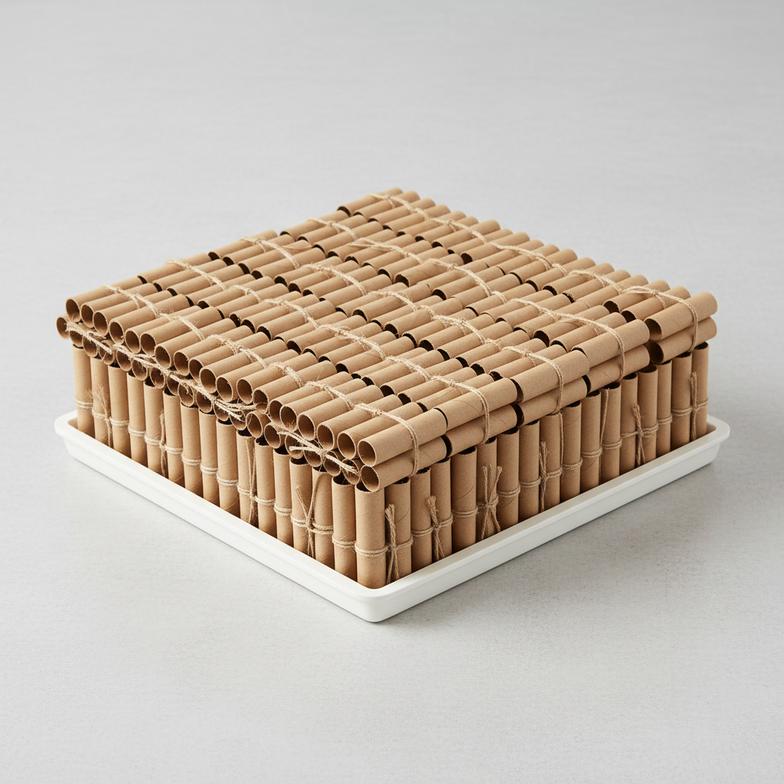
Moving beyond a simple price-per-tube mindset is the first step. To truly secure your supply chain and deliver a product your customers trust, you need to dig deeper into your supplier’s capabilities. Let’s explore the critical questions you should be asking potential manufacturing partners.
You know you need a "quality" product, but that term can feel vague and subjective. Suppliers might use it loosely, leaving you to wonder what you’re actually paying for and what hidden risks you might be taking on with your purchase.
True quality in bee tubes is a measurable combination of material integrity (FSC-certified paper, non-toxic glue), dimensional precision (consistent diameter and length across the entire batch), and structural durability (resistance to moisture and crushing).
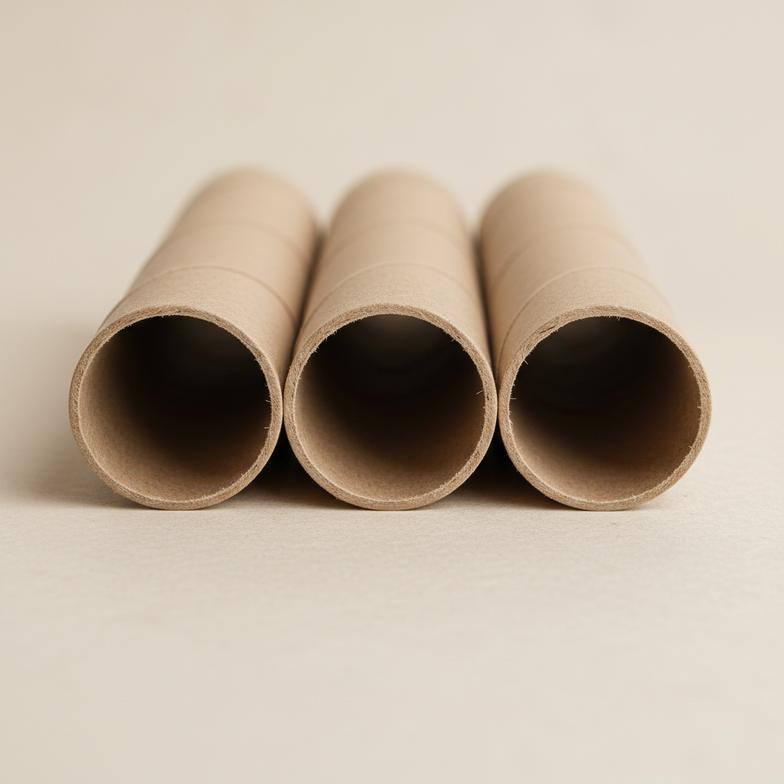
The foundation of a great bee tube is the material it’s made from. This is where your brand’s story and product performance begin. Not all paper is created equal, and the adhesive holding it together is just as important.
In my experience manufacturing millions of paper tubes, consistency is what separates professional suppliers from amateur workshops. For bee tubes, even minor variations can render the product useless.
A bee tube’s job isn’t done until the end of the season. It must withstand environmental stress and then perform one final, critical task.
The easiest way to understand this is with the paper straw analogy. A soggy paper straw that falls apart in your drink is a product failure. Likewise, a mason bee tube that absorbs moisture, sags, and collapses is a complete failure. It fails the customer, it fails your brand, and most importantly, it fails the bees.
Furthermore, the tube must be designed for easy and safe cocoon harvesting. At the end of the season, gardeners need to peel the paper tube open to retrieve the cocoons for winter storage[6]. A well-made tube unwraps in a clean spiral. A poorly made one, often with the wrong glue or paper, can tear apart, forcing the user to dig out the cocoons and potentially damage them[7]. This final interaction can be the difference between a repeat customer and a one-star review.
Focusing only on the cost-per-tube feels efficient during procurement. But what if that low price hides inconsistent quality, unexpected shipping delays, and a supplier who goes silent the moment a problem arises? Your brand pays the price in the long run.
To avoid this, you must vet partners by asking about their quality control (QC) processes, production capacity, lead times for custom orders, and their ability to provide comprehensive material safety documentation. A lower price is worthless if the product is unusable.
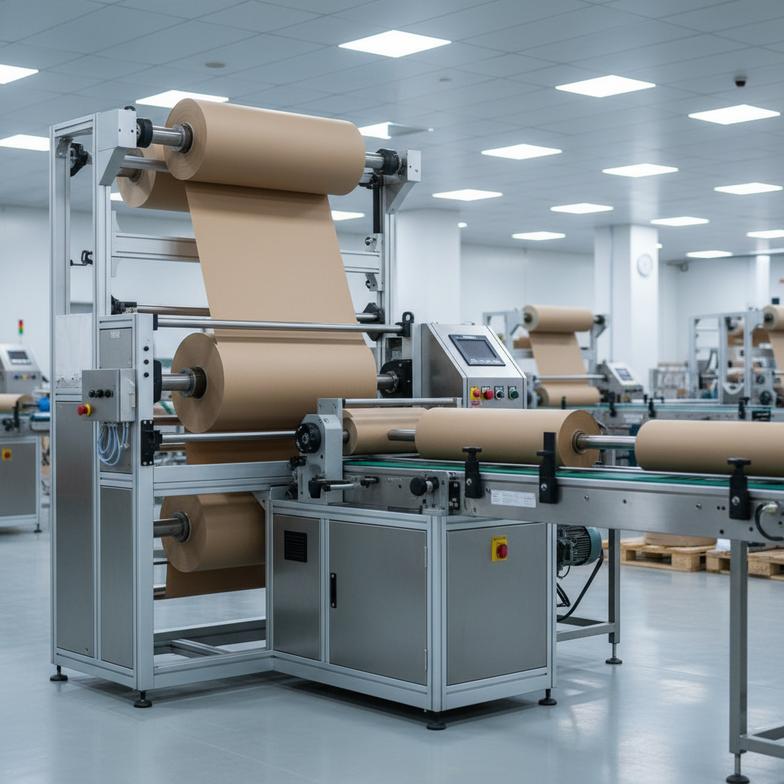
Understanding a potential supplier’s operational capabilities is crucial for ensuring they can meet your demand, now and in the future. Price quotes are meaningless if the factory can’t deliver.
Start with these fundamental questions:
A transparent partner will have ready answers. Hesitation or vague responses can be a red flag, indicating a lack of experience or capacity.
Many buyers initially focus on price, but they soon realize that reliability is the true measure of a good supplier. To help you assess potential partners, use this checklist during your vetting process.
| Vetting Category | Key Question to Ask | What a Good Answer Looks Like |
|---|---|---|
| Quality Control | "Can you describe your QC process for ensuring dimensional accuracy?" | "We use laser calipers to check inner/outer diameter every 1,000 units and have a final visual inspection." |
| Material Safety | "Can you provide an MSDS for your glue and certification for your paper (e.g., FSC)?" | "Yes, we can provide all compliance documents with your sample order. Our standard glue is food-grade." |
| Problem Resolution | "What is your process if a batch is delivered and does not meet our specifications?" | "We stand by our quality. We will investigate immediately and arrange for a replacement or credit for any defects." |
| Experience | "How long have you been producing paper tubes of this type?" | "We have been manufacturing spiral-wound paper tubes for over 10 years for various industries." |
| Communication | "Who will be my dedicated point of contact?" | "You will be assigned an account manager who speaks fluent English and will respond within 24 hours." |
I once worked with a client who switched suppliers to save less than a cent per tube. That new supplier went silent after taking the deposit. The shipment was delayed by two months with zero communication, causing my client to miss the entire spring selling season. The small upfront savings cost them tens of thousands in lost revenue.
A true manufacturing partner communicates proactively. They confirm your specifications, provide production updates, and alert you to potential shipping delays. Their goal is a long-term relationship, not a one-time transaction. When you evaluate suppliers, pay close attention to the quality and timeliness of their responses. That is often the best indicator of the service you will receive after you’ve paid.
Selling generic, unbranded bee tubes makes your product a commodity. This forces you to compete on price alone, which erodes your margins and prevents you from building brand loyalty. How do you make your product stand out on the shelf?
Custom branding transforms bulk mason bee tube refills from a simple consumable into a powerful brand asset. Options range from printing your logo directly on the tubes to creating fully custom retail-ready packaging that tells your brand’s story.
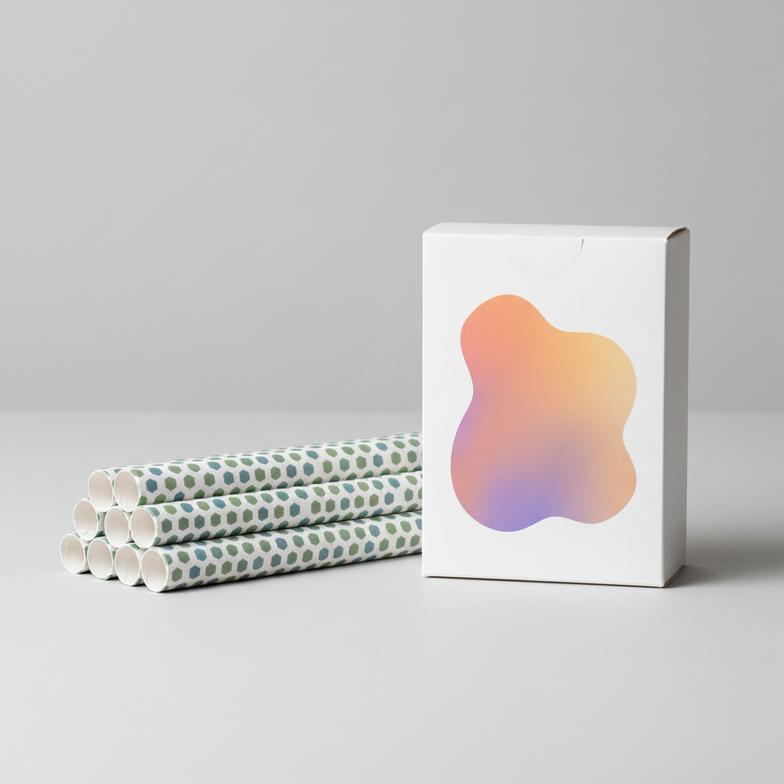
Imagine a customer refilling their bee house and seeing your brand logo on every single tube. This is a powerful and subtle way to reinforce brand recognition and loyalty.
The process involves printing your logo or a simple design directly onto the paper before it’s wound into a tube. It’s critical to ensure the manufacturer uses safe, non-toxic inks[8]. Always ask for the ink specifications. Are they water-based or soy-based? A good supplier will prioritize safety and provide documentation confirming the inks are free from heavy metals and harmful chemicals. This detail adds another layer to your brand’s commitment to safety and quality.
How your tubes are presented at the point of sale is just as important as the tubes themselves. A reliable manufacturing partner can often assist with more than just the product.
Investing in custom branding moves the conversation from cost to value. When your product has a distinct look and feel, it becomes more than just a refill—it becomes your refill. This allows you to command a premium price and build a loyal following of customers who trust your brand.
A good partner works with you to develop this. They should act as a consultant, offering suggestions on what’s possible with printing, what packaging formats are most cost-effective, and how to create a product that stands out. This collaborative approach is the hallmark of a true manufacturing partnership, which is far more valuable than a simple vendor relationship.
The most common and popular size is a 5/16" (8mm) inner diameter and a 6" length, which is perfect for attracting the Blue Orchard Mason Bee. However, offering a variety, such as a 1/4" (6mm) diameter tube, can help your customers attract a wider range of smaller native pollinators[9], enhancing your product’s appeal.
The country of origin is far less important than the supplier’s verifiable commitment to international standards.[10] A reputable manufacturer, whether in China, Europe, or North America, will gladly provide documentation to prove material safety. Insist on seeing FSC certification for the paper and Material Safety Data Sheets (MSDS) for the adhesives.
The price-per-tube can range from a few cents upwards, depending entirely on order volume, dimensions, paper grade, and custom branding requirements. Instead of focusing on the unit price, calculate the total value, which includes product quality, supplier reliability, branding opportunities, and the risk of a bad batch damaging your brand.
First, perform a soak test: submerge a tube in room-temperature water for at least three hours[11]. It should not unravel or turn to mush. Second, check the glue seam to ensure it is secure. Finally, try to unwrap it as if you were harvesting cocoons. It should peel open in a consistent spiral without tearing or disintegrating.[12]
Sourcing bulk mason bee tube refills is a critical supply chain decision that directly impacts your brand’s reputation and profitability. True quality is not a vague promise; it is a measurable standard defined by safe materials, precise dimensions, and field-tested durability. By shifting your focus from chasing the lowest unit price to vetting a manufacturing partner based on their processes, capacity, and communication, you can secure a reliable supply of superior products. A true partner doesn’t just sell you a product; they collaborate with you to build a stronger brand and a better product that your customers will love and trust for seasons to come.
If you’re looking for a reliable manufacturing partner to produce consistent, high-quality, and custom-branded paper tubes for your garden brand, our team can help. With over a decade of experience in precision paper tube manufacturing, we offer a complete solution from raw materials to finished goods. Contact us today to discuss your project and receive a production quote.