Struggling to select the right cocktail paper straws for your bar or restaurant? The sheer number of options for size, color, and packaging can feel paralyzing. If you choose incorrectly, you risk straws getting soggy in premium drinks, sinking into glassware, and ultimately damaging your customers’ experience and your brand’s reputation[1]. A thoughtful approach focused on function and risk management will ensure you find the perfect fit for your business.
To choose the right cocktail paper straws, you must first match the diameter and length to your specific drink menu and glassware to ensure functionality. Next, balance your branding goals (custom colors and logos) with the associated costs, minimum order quantities, and need for food-contact safety compliance for the inks. Finally, select packaging—individually wrapped for hygiene-critical environments or bulk-packed for operational efficiency and cost savings.
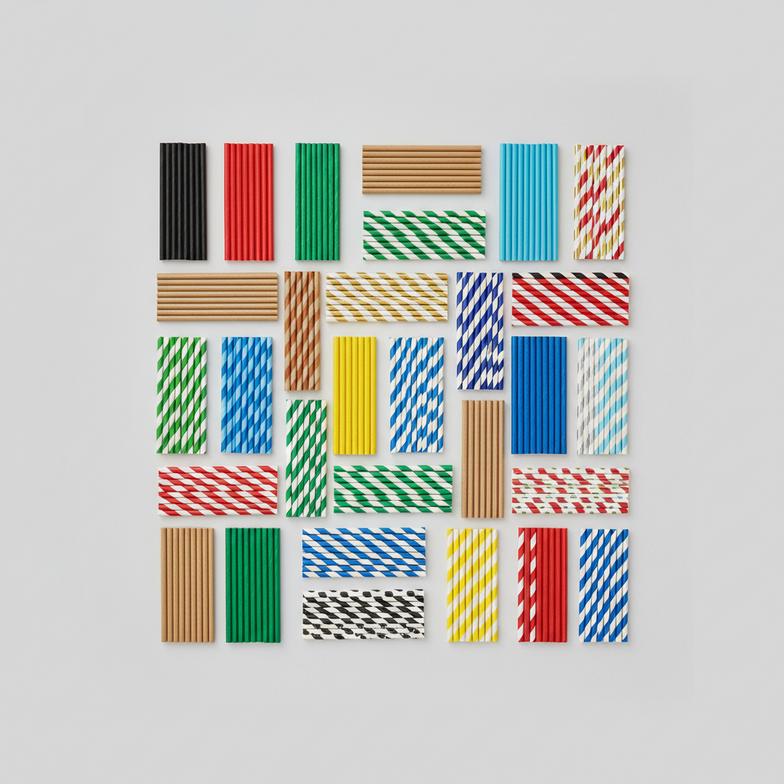
Now that you have the direct answer, we can explore the details. Choosing the perfect straw isn’t about finding a single “best” option; it’s a process of managing trade-offs. Let’s break down each element—size, color, and packing—so you can make a confident, cost-effective decision that protects your business.
You’re worried about ordering thousands of straws, only to find they’re too short for your highball glasses or too narrow for your popular frozen margaritas. This common mistake leads to wasted inventory, frustrated bartenders, and unhappy customers. Let’s reframe the question from finding a “standard size” to identifying the best “functional fit” for your menu.
The best size for cocktail paper straws depends entirely on your drink menu and glassware. While a 6mm diameter and 200mm (about 8-inch) length is a versatile starting point[2], wider straws (8mm+) are necessary for thicker drinks, while shorter straws are better suited for lowball glasses.

A common question we get from bar owners is, “What’s the most popular size?” While we can provide sales data, the better approach is to analyze your specific needs. The two critical dimensions to consider are diameter and length.
H3: Diameter: The Clog and Slurp Factor
The straw’s inner diameter directly impacts the drinking experience. Choosing one that’s too narrow for the beverage is a classic purchasing error.
We’ve seen buyers order a standard 6mm straw for a menu that heavily features blended drinks, only to face customer complaints and have to place a corrective order. Always audit your menu first.
H3: Length: The Sinking Straw Problem
Nothing looks more awkward than a straw that has sunk to the bottom of a tall glass. Matching length to glassware is crucial for presentation and function.
| Straw Length | Best For… | Common Glassware |
|---|---|---|
| 130-150mm (5-6″) | Short cocktails, spirits on the rocks | Rocks, Old Fashioned, Lowball |
| 197-200mm (7.75-8″) | Standard mixed drinks, sodas | Highball, Collins, Pint |
| 210mm+ (8.5″+) | Tall cocktails, frozen drinks, tiki drinks | Tom Collins, Zombie, Tiki Mugs |
Before placing a bulk order, I always recommend customers measure the height of their most-used glasses. The straw should extend a comfortable 2-3 inches (5-7 cm) above the rim of the glass.[3]
You want beautifully designed, custom-branded straws that make your cocktails stand out and enhance your brand identity. However, you’re rightfully concerned about higher costs, large minimum order quantities (MOQs), and potential food safety issues with the printing inks. Understanding the trade-offs is key to balancing great branding with practical compliance.
Custom colors and logos on cocktail paper straws are powerful branding tools but directly increase unit cost and MOQs. Most importantly, you must verify the food-contact safety of the specific inks used[4]—not just the paper—by requesting compliance documentation from your supplier.
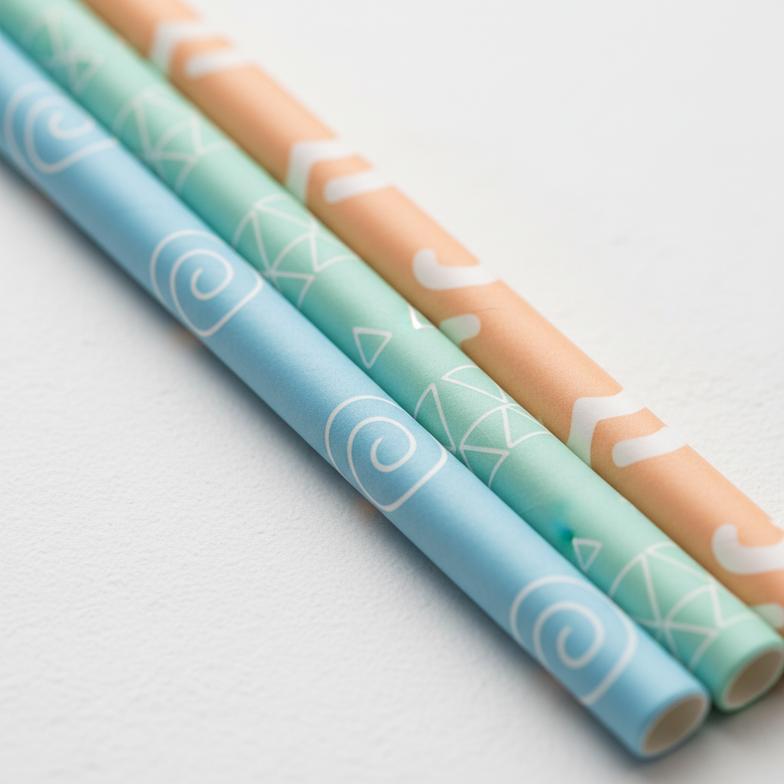
From our experience working with hundreds of buyers, the topic of customization involves a critical balance between aesthetics, budget, and safety. A beautiful straw is worthless if it’s not compliant or affordable.
H3: The Branding vs. Cost Equation
Not all colors are priced equally. The cost is tied directly to the manufacturing process.
H3: The Hidden Risk: Ink Safety and Compliance
This is the single most important—and most frequently overlooked—aspect of custom cocktail paper straws. While most buyers know to ask if the paper is food-grade, they often forget about the ink and glue.
A straw is a food-contact item, and any substance on it must be proven safe for ingestion. Don’t just accept a supplier’s verbal assurance.
1. Ask for Ink-Specific Documentation: Request a Material Safety Data Sheet (MSDS) or a formal declaration of compliance for the specific inks used on your straws. Reputable manufacturers will have this ready. 2. Verify the Ink Type: Food-safe straws should be printed with non-toxic, water-based or soy-based inks.[6] 3. Consider the Design: A straw with a full, dark color wrap has a much larger ink surface area than one with a simple, small logo. The more complex the design, the more critical ink safety documentation becomes.
We make it a standard practice to provide our partners with a full documentation package covering the paper, glue, and ink to ensure complete transparency and peace of mind.
Deciding between individually wrapped or bulk-packed straws might seem like a minor detail, but it has a major impact. Making the wrong choice can introduce hygiene risks in a self-service environment, increase labor for bartenders, or generate unnecessary plastic or paper waste. Look at this as an operational decision, not just a logistical one.
Individually wrapped cocktail paper straws are the best choice for hygiene in high-traffic, customer-facing, or premium environments. Bulk-packed straws are more cost-effective and produce less waste, making them ideal for controlled, back-of-house bar operations.
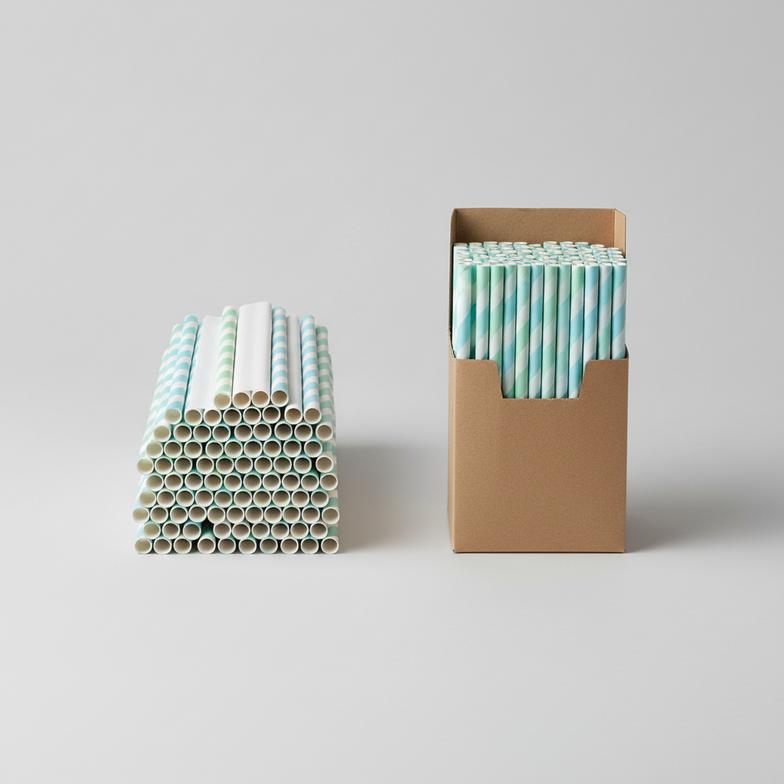
The right packaging choice aligns with how your staff and customers interact with the straws. Based on feedback from our restaurant clients, the decision boils down to balancing hygiene, efficiency, and cost.
H3: When to Choose Individually Wrapped Straws
Individually wrapping each straw adds a layer of material and a step in the manufacturing process, which increases the cost. However, that cost is often justified in specific scenarios:
H3: The Case for Bulk-Packed Straws
For many busy bars, bulk packing is the more logical and efficient choice.
A popular hybrid model we see is using bulk-packed straws behind the bar for speed and offering individually wrapped straws for takeout or upon customer request.
You’ve received quotes from several suppliers, and on the surface, the specifications look almost identical. How can you possibly distinguish a reliable, long-term partner from a supplier who will deliver flimsy, non-compliant cocktail paper straws that will tarnish your reputation? Use this checklist to ask better, more insightful questions that assess risk beyond the price tag.
An effective buyer checklist for cocktail paper straws moves beyond basic specs. It must include probing questions about performance (durability in alcohol), full compliance (ink and glue safety documents), and supplier reliability (proven capacity, stable lead times) to assess total value.

A good checklist empowers you to uncover a supplier’s true capabilities. Stop asking generic questions and start asking questions that reveal quality and reliability.
H3: Questions About Performance & Durability
H3: Questions About Food Safety & Compliance
H3: Questions About Supplier Reliability
The key is to choose straws made from high-grammage (heavy) paper with at least 3 or 4 layers (ply). Sogginess is a result of low-quality paper and weak glue.[10] Always request samples from a potential manufacturer and test them in your most demanding drinks—especially acidic or alcoholic ones—to verify their durability firsthand.
Yes, they are perfectly safe if the manufacturer uses certified food-grade, water-based or soy-based inks. The responsibility is on the buyer to verify this. Do not just accept a claim; ask the supplier for a Material Safety Data Sheet (MSDS) or another formal compliance certificate for the specific inks they use.
Custom straws carry a premium over plain or stock-patterned options due to unique setup requirements. Expect to meet a higher Minimum Order Quantity (MOQ), often starting in the tens of thousands of units, and pay more per straw. The final cost depends on the order volume, the number of colors in your design, and printing complexity.
Most paper straws are designed to be commercially compostable. However, recycling is often not feasible because they are considered a food-contaminated item by many municipal recycling facilities[11]. Choosing straws with FSC (Forest Stewardship Council) certification at least ensures the paper originates from sustainably managed forests.[12]
Choosing the right cocktail paper straws is a strategic business decision, not just a simple procurement task. It requires a shift in mindset from finding the “cheapest” option to finding the best value. By focusing on the functional fit of the size, balancing the branding and compliance trade-offs of color, and aligning your packaging choice with your operational workflow, you can mitigate risk effectively. Use the buyer checklist to ask deeper questions about performance, safety documentation, and supplier reliability. This diligence will protect your customers’ experience and your brand’s reputation.
If you’re searching for a reliable partner to supply durable, compliant, and beautifully customized cocktail paper straws, our team is here to help. With our own factory and years of manufacturing experience, we can guide you through every step. Contact us at RainbowBear/PaperStrawTech today to discuss your specific needs.