
Choosing between bamboo and paper straws is tough. The wrong one means supply issues and branding headaches. Let’s look at the business risks to find your best fit.
The best choice depends on your business scale. Paper straws excel in high-volume, consistent, and custom-branded orders, making them ideal for chains and distributors. Bamboo straws may suit single-location cafes where minor variations in product are acceptable and large-scale supply isn’t needed.
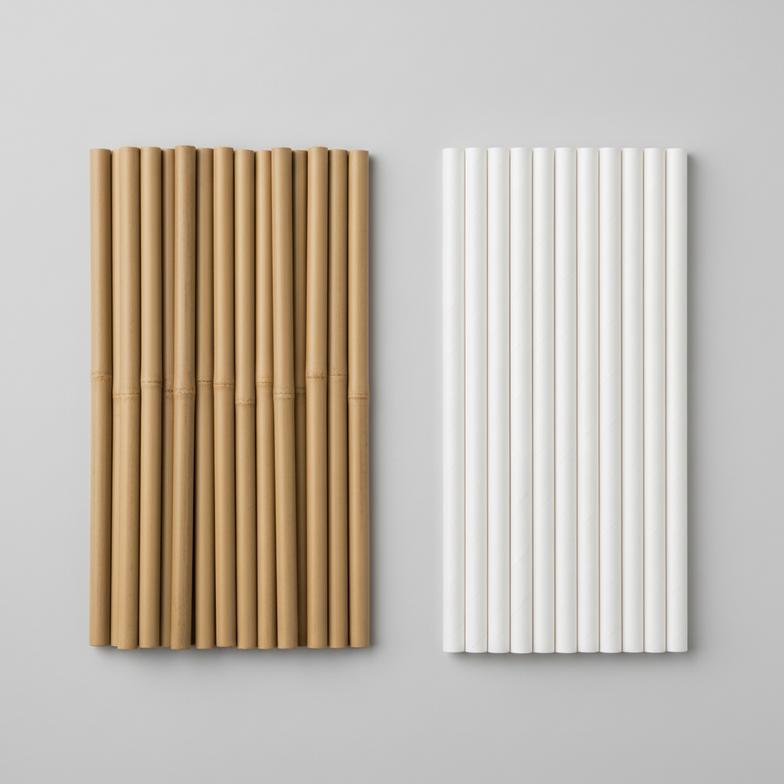
The debate isn’t just about which material is "greener." As a solution provider, I’ve seen many businesses focus on the material but overlook a far more critical factor: the supply chain behind it. The real question is whether your supplier can support your growth without interruption. Let’s dive into what this means for your procurement strategy and explore the key questions you should be asking before placing your next big order.
You need a reliable straw supply for all locations. Stockouts are a nightmare, leading to chaos and angry customers. Let’s see how each straw’s supply chain handles high-volume demand.
Paper straw production is industrialized and automated[1], ensuring a stable supply for large orders. The bamboo straw supply chain is often fragmented, with many small workshops[2], increasing the risk of inconsistent availability. This makes paper a safer choice for chains and distributors who need reliability.
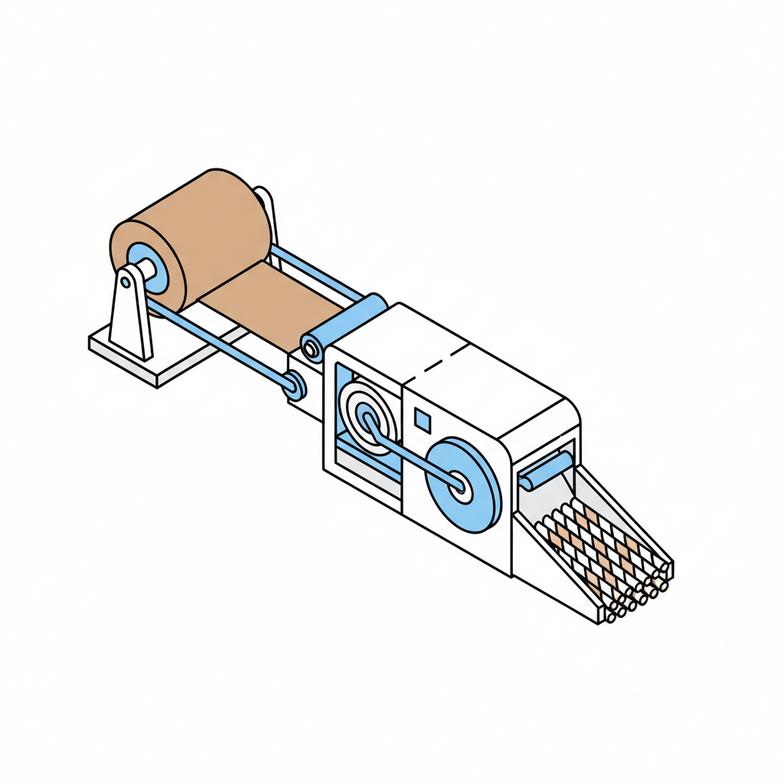
From our experience helping distributors, the key bottleneck is often supply chain stability. The manufacturing process itself dictates this reliability.
Paper straw production is a highly automated industrial process. We operate multiple production lines that run 24/7, turning massive rolls of FSC-certified paper into millions of identical straws. This is built for scale. In contrast, many bamboo straws are made in smaller, scattered workshops. The process is more manual, involving cutting, sanding, and cleaning natural bamboo stalks.[3] While this has an artisanal appeal, it’s not designed for the high-volume, predictable output that a national restaurant chain needs[4]. A single large order can strain their entire capacity.
When you source paper straws from an established manufacturer like us, you are dealing with a single point of contact for quality control, logistics, and certification. The supply chain is transparent and predictable. For bamboo straws, a distributor might be sourcing from dozens of small, independent producers to meet a large order. This introduces significant risk. What if half of them have a quality issue or a production delay? We have seen buyers struggle with this fragmentation. It makes consistent procurement a constant challenge.
| Feature | Paper Straw Supply Chain | Bamboo Straw Supply Chain |
|---|---|---|
| Production Model | Industrial, automated | Often manual, artisanal |
| Scalability | High and predictable | Limited by labor and material |
| Consistency | Very high (machine precision) | Variable (natural product) |
| Supplier Base | Fewer, larger manufacturers | Many small, fragmented workshops |
| Procurement Risk | Low risk of stockouts for volume | High risk of delays & shortages |
Your straw is a small but important part of your brand. Inconsistent products look unprofessional and cheapen the customer experience. Let’s see which straw offers better branding control.
Paper straws provide extensive customization with specific brand colors, logos, and patterns, ensuring uniformity across all locations. As a natural product, bamboo straws have variations in diameter, color, and texture[5]. This makes consistent branding and product experience very difficult to achieve at scale.
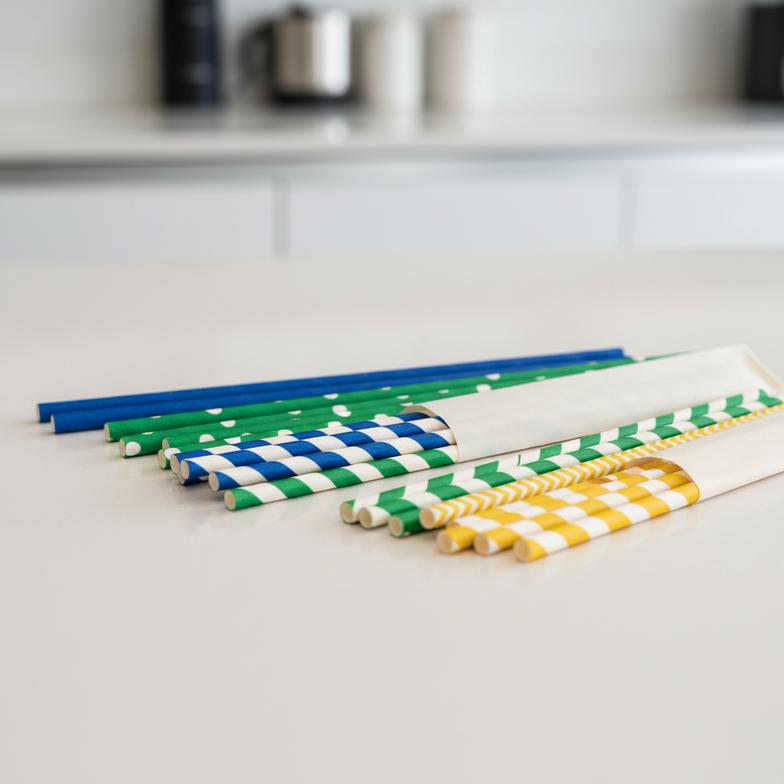
A common question we get from restaurant chains is about branding. They don’t just want a straw; they want their straw. This is where the materials really diverge.
Think of a paper straw as a tiny billboard. We can print it with your exact brand colors, your logo, or even a promotional message. We use food-safe inks to create a product that reinforces your brand identity with every sip. For large chains, this consistency is non-negotiable. Your brand must look and feel the same in every single outlet. Bamboo straws, on the other hand, offer a rustic, natural aesthetic. This is their strength, but also their limitation. You can’t print a precise logo on a bamboo stalk, and the color will vary from light yellow to a deeper tan.
Consistency goes beyond looks. Paper straws are made with micrometer precision.[6] Every straw has the same diameter, length, and wall thickness. This means they will always fit your cup lids perfectly, and the customer experience is predictable. With bamboo straws, natural variations are unavoidable. Diameters can differ, meaning some straws might be too tight for your lids, while others are too loose. One customer might get a thin straw, another a thick one. For a single cafe, this might be charming. For a chain focused on operational excellence, it’s a quality control problem.
You need safe and reliable straws for your customers and staff. Complaints about splinters or sogginess are a real risk to your brand. Let’s compare the daily operational realities.
Quality paper straws are engineered to be safe, splinter-free, and are backed by food-contact certifications like FDA and FSC[7]. Bamboo, as a natural wood, has a risk of splintering.[8] If marketed as reusable, bamboo straws also create complex and often-ignored cleaning burdens for staff and customers.

Beyond supply and branding, the choice of straw impacts your daily operations, from staff handling to customer safety. We’ve seen buyers switch materials after running into unexpected issues post-purchase.
The biggest concern with early paper straws was sogginess. We solved that years ago. Our straws are engineered with quality paper and food-safe glue to last for over 3 hours in a cold drink[9]. They are smooth and completely splinter-free. Bamboo straws, while hard, are still a wood product. We’ve heard feedback from the market about rare but concerning instances of splintering, which poses a safety risk. They can also crack if bent or dropped. A foodservice business must minimize every possible risk, and the consistent, engineered safety of paper is a significant advantage.
Some market bamboo straws as reusable. While theoretically true, this is an operational nightmare for a foodservice business[10]. Are you going to collect used straws, run them through a commercial dishwasher, ensure they are fully sanitized inside, and then repackage them? It’s not practical and creates a huge hygiene risk. In reality, most "reusable" bamboo straws in cafes are thrown away after one use[11]. Paper straws are honestly single-use. They are designed for a hygienic, convenient experience and then composted or disposed of, fitting seamlessly into existing operational workflows without adding new cleaning burdens[12].
Ultimately, your choice is a business decision. Paper straws are built for scale, branding, and reliability, while bamboo fits smaller operations where natural variation is part of the charm.