
Struggling to choose the right filter for your pre-rolls? A bad choice can jam your machines and ruin your product.[1] You need to look beyond the "hemp" label.
Hemp filter tips are components made from hemp fibers, used in pre-rolls to provide structure, block loose material, and ensure a smooth draw. They are chosen for their perceived natural qualities[2], but their real value depends on production compatibility, airflow, and structural integrity.
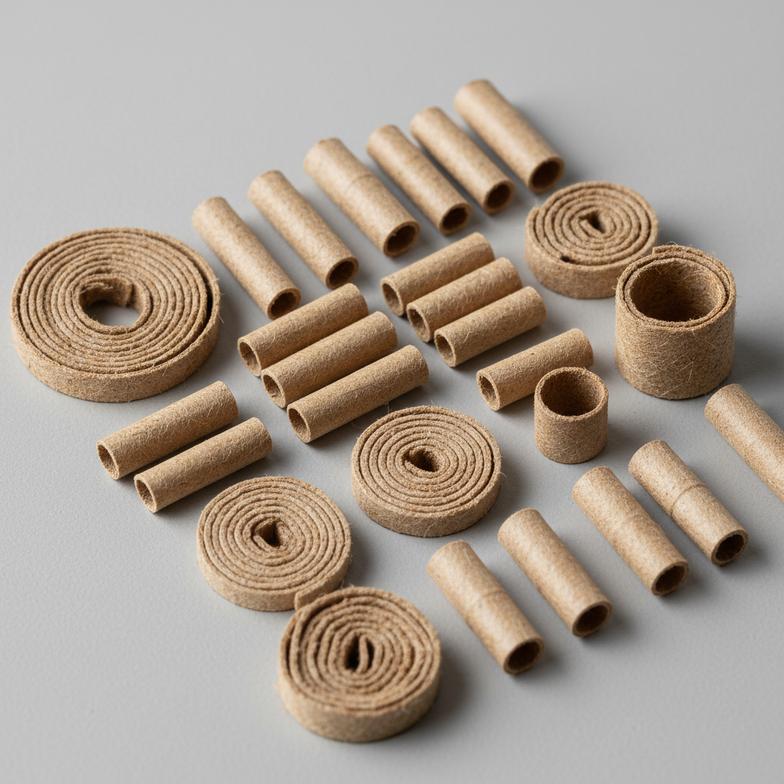
You now have a basic idea of what a hemp filter tip is. However, knowing the definition doesn’t help you source the right component for your brand. Making a smart purchasing decision requires a much deeper look at how these small parts impact your entire operation, from the production line to your customer’s hands. To protect your brand and your bottom line, you need to ask better questions. Let’s break down what really matters when choosing a filter.
You think you found a great hemp filter supplier. But what if it jams your filling machines or doesn’t fit your cones? Incompatibility leads to expensive downtime and wasted product.
To ensure production compatibility, you must test filter samples with your specific pre-roll cones and automated machinery. Check for consistent diameter, length, and rigidity. A filter that is too soft, too large, or inconsistent will cause constant jams and ruin production efficiency.[3]
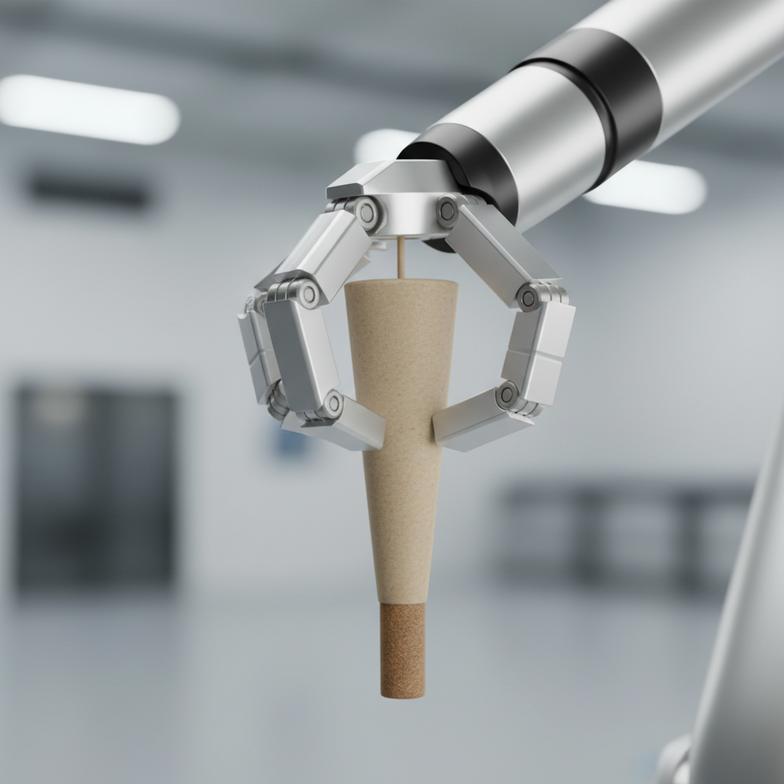
A few years ago, a new client came to us in a panic. They had just invested in a high-speed automated cone-filling machine but their production numbers were terrible. The machine kept stopping. After talking with their operations manager, we asked them to send us samples of their cones and the hemp filters they were using. The problem was immediately clear. The filters they had sourced had a diameter variance of nearly half a millimeter[4]. Some were too tight for the cones, and others were too loose. This inconsistency was a nightmare for an automated system designed for precision. It’s a common issue we see. People buy the cones from one place and the filters from another, assuming they will work together. They rarely do without proper testing.
You must treat the filter, cone, and machine as a single integrated system[5]. A failure in one component leads to a failure of the entire system.
| Factor | Why It Matters | What to Test |
|---|---|---|
| Diameter Consistency | Inconsistent diameters cause machine jams, leading to downtime and damaged product. | Use calipers to measure a batch of 50-100 filters. Is the variance within your machine’s tolerance? |
| Structural Rigidity | Soft filters can collapse or get crushed during the automated filling and packing process. | Squeeze the filter between your fingers. Does it crush easily? Test it in your machine at full speed. |
| Length & Shape | Filters that are too long or short affect the final product’s appearance and the fill volume. | Confirm the length matches your cone’s crutch specifications and your desired final pre-roll length. |
You’re told that a "100% hemp" filter means high quality. But customers complain the draw is too tight, the filter gets soggy, and it tastes like paper. Sound familiar?
The true quality of a hemp filter is defined by its performance, not just its material. Key indicators are balanced draw resistance[6], structural integrity during use, and flavor neutrality. It must provide smooth airflow without collapsing or ruining the taste of your product.

Buyers often ask us for the "best" hemp filter. My answer is always the same: "best for what?" A filter that’s very dense might block more particles, but it could also create a tight, unpleasant draw. A less dense filter might offer great airflow, but it could feel flimsy or get soft halfway through the smoke. The goal is to find the right balance for the experience you want to provide. I always recommend getting samples of different densities. Try them yourself. Does it feel right? Does it get wet and collapse? Does it add a papery taste? You are the first customer, and if you don’t like the experience, your actual customers won’t either. The material name on a sales sheet means nothing compared to this real-world performance.
Don’t just trust the marketing terms. You need to assess the functional characteristics that directly impact the end-user.
| Performance Metric | What It Affects | How to Assess |
|---|---|---|
| Draw Resistance | The amount of effort needed to pull air through. Too high is frustrating; too low feels unfiltered. | Test it yourself. Does it feel like sucking a thick milkshake or breathing freely? Aim for a smooth, easy draw. |
| Structural Integrity | The filter’s ability to resist moisture and hold its shape. A "soggy" filter feels cheap and can collapse. | Place a drop of water on the tip. Does it absorb instantly and lose structure, or does it resist? |
| Flavor Profile | A low-quality filter can impart a papery, cardboard, or chemical taste[7], ruining the flavor of the flower. | Do a "dry pull" without lighting the pre-roll. Can you taste the paper or glue? The best filter has no taste at all.[8] |
You spent a fortune on premium flower and beautiful packaging. But you chose a flimsy, cheap-feeling filter. This small part can make your entire product feel low-grade, hurting your brand.
The filter is a key physical touchpoint for your customer.[9] A firm, well-crafted filter signals quality and attention to detail. A filter that feels cheap or collapses undermines the perceived value of your product[10], regardless of how good the flower inside is.
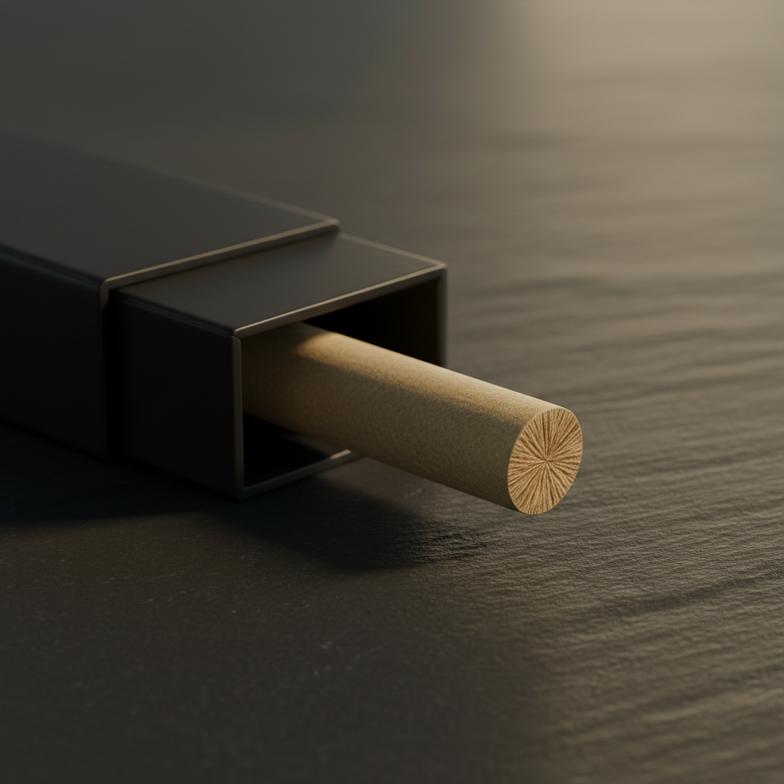
We often explain to product developers that the filter isn’t just a functional part; it’s a critical piece of the customer experience. Think about it. It’s what the customer puts to their lips. It’s what they hold between their fingers. Its feel and performance create a lasting impression. I remember talking to a brand that was getting feedback that their pre-rolls "felt cheap," even though they were using top-tier flower. We switched them to a high-density, spiral-wound filter. It was only a tiny change in cost per unit, but the feedback shifted almost overnight. Customers felt the dense, solid tip and immediately perceived the entire product as more premium. That small component changed the entire story their product was telling.
Every component of your product communicates something about your brand. The filter is no exception. It sends a powerful message about your commitment to quality.
| Filter Attribute | Customer Perception | Brand Impact |
|---|---|---|
| Firmness & Density | The filter feels solid, substantial, and well-made. | Signals a premium, high-quality product. Builds trust and justifies a higher price point. |
| Clean Appearance | The tip is cut cleanly with no loose fibers or glue marks. | Conveys professionalism and attention to detail. Reassures the customer of a clean, safe product. |
| Consistent Performance | Every pre-roll in the pack has the same great draw and feel. | Creates reliability and brand loyalty.[11] Customers know they can count on a good experience every time. |
| Poor Structure | The filter gets wet, soft, or collapses during use. | Makes the product feel cheap and poorly constructed. Leads to a negative experience and customer churn. |
Choosing a hemp filter is a critical supply chain and product design choice. Focus on production compatibility, user performance, and brand perception to ensure you select the best component for your pre-rolls.