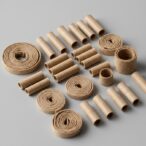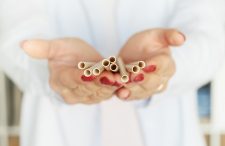
Confused about bee tubes for your bee house? Making the wrong choice can harm your pollinators. Let’s look at the facts to help you choose the safest option for them.
The best bee tube depends on your goals. Cardboard tubes are single-use, which prevents parasite and disease buildup[1], prioritizing bee health. Bamboo tubes seem reusable but are hard to clean, creating long-term risks for your bees if not managed perfectly. The choice is about safety versus maintenance.
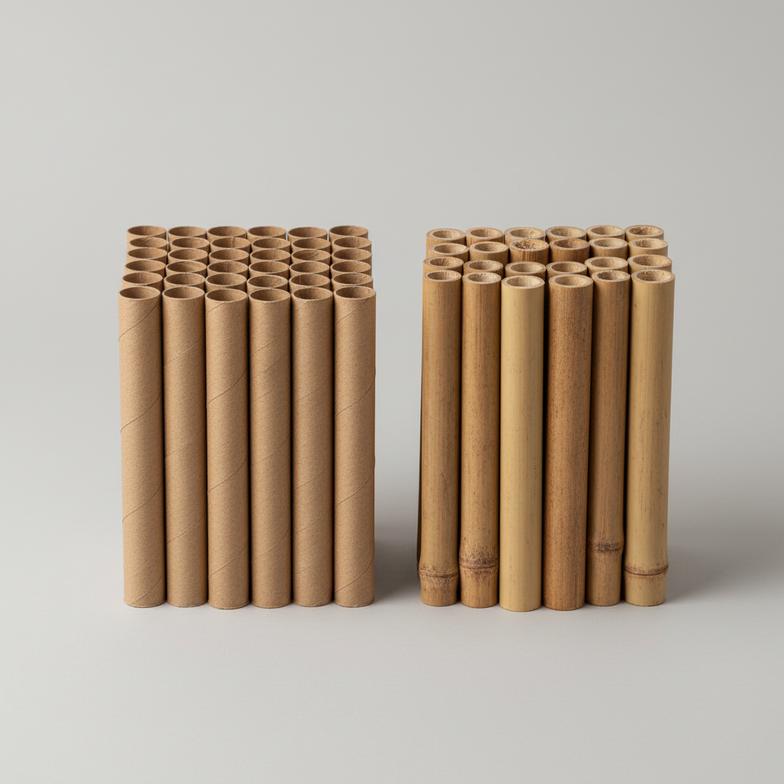
As a supplier, one of the most common questions I get is, "Which is better, cardboard or bamboo?" People see bamboo as natural and durable, while cardboard seems temporary. But the real story is more complex and involves managing risks you might not see. Let’s break down the key differences so you can make a decision that truly supports your bees.
Think replacing bee tubes every year is wasteful? This belief can lead to the spread of parasites and disease, devastating your local bee population[2]. Here’s why single-use is a safety feature.
Cardboard tubes are designed for single-season use to break the life cycle of pests like parasitic wasps and chalkbrood fungus[3]. By replacing the tubes after cocoons are harvested, you ensure a clean, healthy environment for the next generation of bees, preventing disease from carrying over.
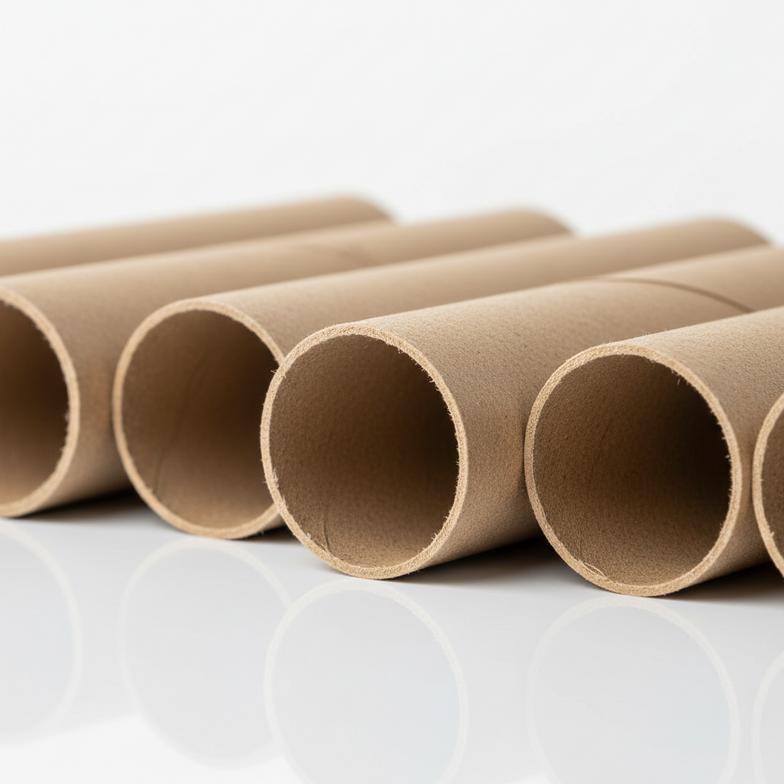
From a material supply perspective, we’ve learned from customer feedback that the concept of "disposable" is often misunderstood. For mason bee tubes, disposability is a critical feature for hygiene. Mason bees are susceptible to pests that can hide inside nesting tubes over the winter. The two biggest threats are parasitic wasps, which lay their eggs on bee larvae, and chalkbrood, a fungus that kills the larvae and turns them into mummified husks.[4]
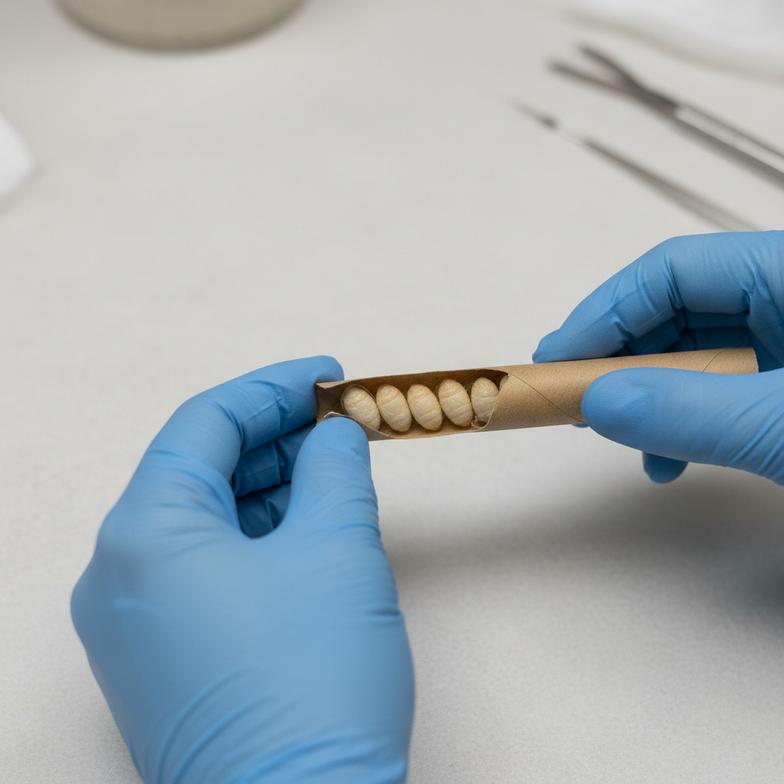
When you use a cardboard tube, the management cycle is simple. At the end of the season, you can easily peel open the tube to harvest the healthy cocoons. You can then clean these cocoons and store them safely for the spring. The used, contaminated tube is discarded, along with any pests or fungal spores inside. This practice breaks the pest life cycle. It’s a clean start for your bees every single year.
| Step | Cardboard Tube Process | Reusable Tube Process (High-Risk) |
|---|---|---|
| End of Season | Unravel tube, harvest cocoons. | Try to coax cocoons out, often damaging them. |
| Pest Management | Discard tube with any mites or fungal spores. | Pests and spores remain hidden in cracks and pores. |
| Cleaning | Not needed. New tubes are sterile. | Requires scrubbing and sanitizing, which is often ineffective. |
| Next Season | Insert fresh, clean tubes. | Re-insert tubes that may still harbor hidden threats. |
This proactive approach makes cardboard a superior choice for anyone whose primary goal is to foster a healthy, growing bee population.
Bamboo seems like a perfect natural home for bees. But its rigid, porous structure hides dangers like mold and parasites that are nearly impossible to clean, putting your bees at risk.
The primary risks of bamboo tubes are poor hygiene and bee injury. Their surfaces are impossible to sterilize, allowing parasites and mold to thrive.[5] The rough, fibrous interior can also tear delicate bee wings[6], and inconsistent diameters can trap and kill developing bees[7].
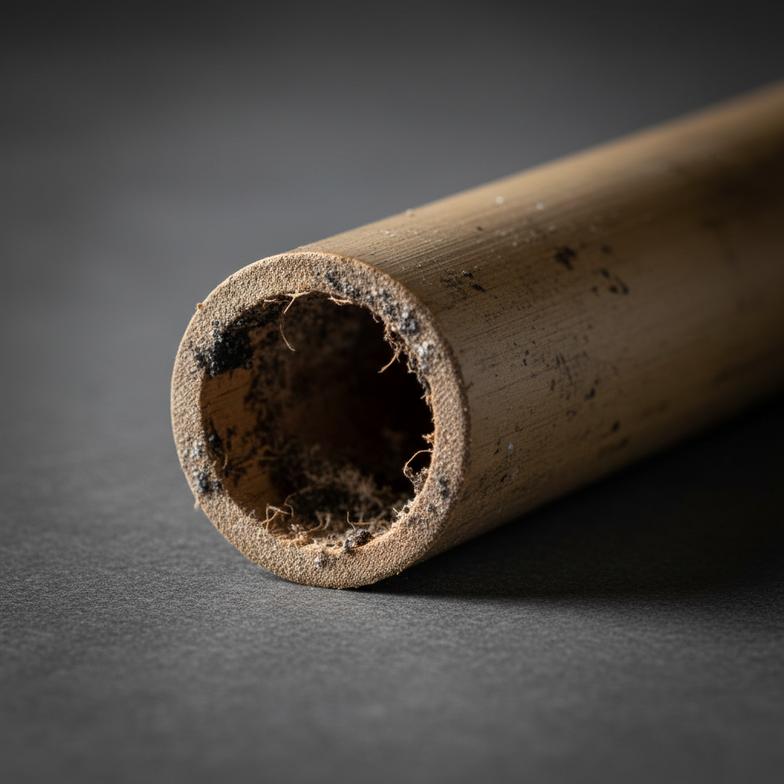
Many buyers are attracted to bamboo’s durability and natural aesthetic. It feels like the right choice. However, from a material science perspective, bamboo has several properties that make it a high-risk option for mason bee houses. First, it is not a uniform material. The inner surface is often fibrous and splintery. A bee’s wings are incredibly delicate, and navigating a rough bamboo tube can cause tears and damage that shorten its life.
Second, the porous nature of bamboo makes it a perfect breeding ground for mold and fungus. It can absorb and trap moisture, creating a damp environment that promotes chalkbrood. The biggest problem is cleaning. You simply cannot scrub or sterilize the inside of a narrow bamboo tube effectively. Any attempt to use harsh cleaners like bleach could leave chemical residues that harm the next generation of bees[8]. This means that once pests like mites or wasps get into a bamboo tube, they are there to stay. We’ve heard from concerned customers who opened their bee houses after a year to find a lower bee population, often because of issues that started inside uncleanable bamboo tubes.
| Risk Category | Description of Hazard | Consequence for Bees |
|---|---|---|
| Hygiene | Porous surface traps fungal spores (chalkbrood) and mites. Impossible to sterilize. | Disease spreads from one generation to the next, killing larvae. |
| Physical Damage | Rough, splintery interior can tear the delicate wings of adult bees. | Reduced lifespan and foraging ability for adult bees. |
| Moisture | Absorbs and holds moisture, creating a damp environment inside the tube. | Promotes mold growth and can harm developing larvae. |
| Sizing | Natural material with inconsistent inner diameters. | Bees can get stuck, or the tube may be unsuitable for the species. |
These hidden dangers turn a seemingly eco-friendly choice into a potential trap for the very pollinators you want to help.
Still trying to decide between cardboard and bamboo? Choosing on looks or perceived durability alone can lead to poor outcomes. Let’s align your choice with your actual goals for bee health.
Choose cardboard if your top priority is bee health and low-effort hygiene. It’s the safest bet for preventing disease. Choose bamboo only if you are committed to a rigorous, difficult, and often ineffective cleaning process. The decision is a trade-off between safety and perceived reusability.[9]
The right choice isn’t about which material is "best" in a vacuum; it’s about which material best serves your goals while minimizing risk. As a solution provider, I always guide customers to think about their priorities first. Are you trying to maximize bee population health, or are you prioritizing the appearance of a permanent, natural-looking bee house?
If your primary objective is to support and grow a healthy mason bee population, cardboard tubes are the clear winner. Their single-use design is the most effective strategy for managing pests and diseases. The ability to easily open the tubes allows you to inspect your harvest, remove any pests or diseased larvae, and ensure only healthy cocoons are saved for the next year. This is the standard practice recommended by bee experts[10] for a reason: it works, and it prioritizes the long-term health of the bees. It’s a low-effort, high-impact method for bee conservation.
If you are drawn to bamboo for its durability, you must be prepared for the significant maintenance commitment. To mitigate the risks, you would need to find bamboo tubes that can be split open for cleaning—a rare feature. Otherwise, you face a nearly impossible task of sanitizing the interior. Many of our clients, from small farms to backyard gardeners, initially like the idea of bamboo but find the reality of its upkeep impractical. The perceived benefit of reusability is often outweighed by the very real risk of creating a "pest hotel" that harms bee populations over time.
| Feature | Cardboard Tubes | Bamboo Tubes |
|---|---|---|
| Bee Health & Hygiene | Excellent. Single-use breaks pest cycles. | Poor. Traps moisture, mold, and parasites. |
| Maintenance Effort | Low. Simply replace annually. | Very High. Requires difficult and often ineffective cleaning. |
| Long-Term Risk | Low. Provides a clean start each season. | High. Risk of disease buildup and population decline. |
| Cocoons Harvesting | Easy. Tubes peel open for safe cocoon removal. | Difficult. Can damage cocoons during extraction. |
Ultimately, your choice reflects your approach to risk management. Cardboard offers a predictable, safe system, while bamboo introduces variables that are hard to control.
Ultimately, choosing a bee tube is a risk management decision. Cardboard prioritizes bee safety through hygiene, while bamboo introduces risks that are difficult to manage. Choose for your bees’ health.