Confused about sourcing paper straws? Buying retail packs versus bulk B2B orders seems similar, but the wrong choice hurts your budget and brand. Let’s clarify the key differences.
Retail paper straw packs are finished consumer goods sold from inventory with standardized quality. B2B bulk orders are custom manufacturing runs directly from a factory, giving you control over specifications, packaging, and costs, but requiring a more involved procurement process. It’s a shift from buying to partnering.
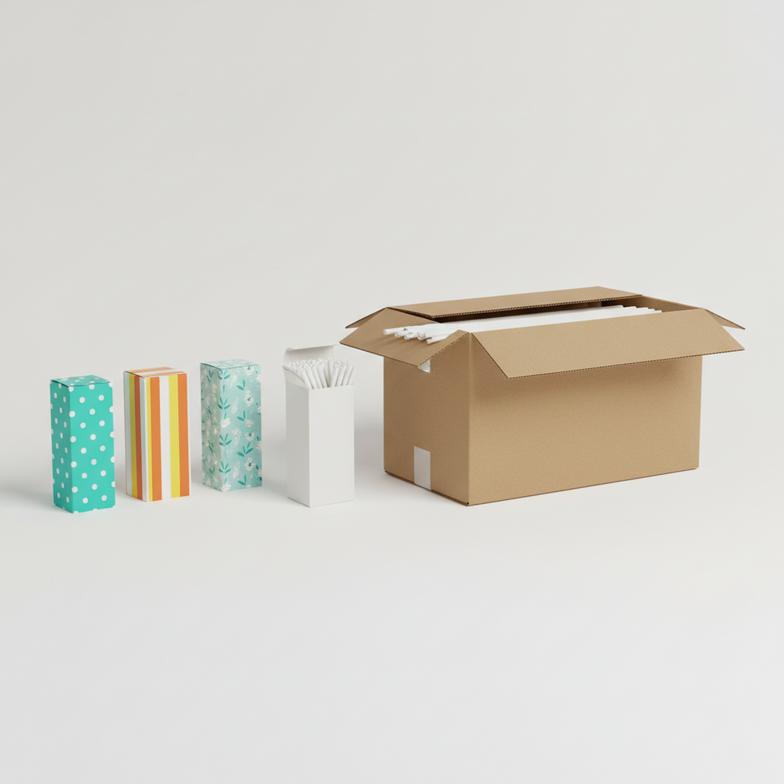
Many of our clients start by buying retail packs before realizing the limitations. They come to us asking why they can’t just get a better price on the same thing. The answer is, they are not the same thing at all. Let’s break down the four biggest differences you need to know.
Think buying in bulk is just about getting a volume discount? The retail supply chain has hidden costs and middlemen[1]. Direct B2B sourcing cuts them out, giving you real savings.
The retail supply chain involves multiple steps: factory, exporter, importer, distributor, and retailer[2]. Each adds cost. A B2B bulk order connects you directly with the manufacturer. This shortens the chain, reducing costs and lead times, but it requires you to manage the relationship and logistics yourself.
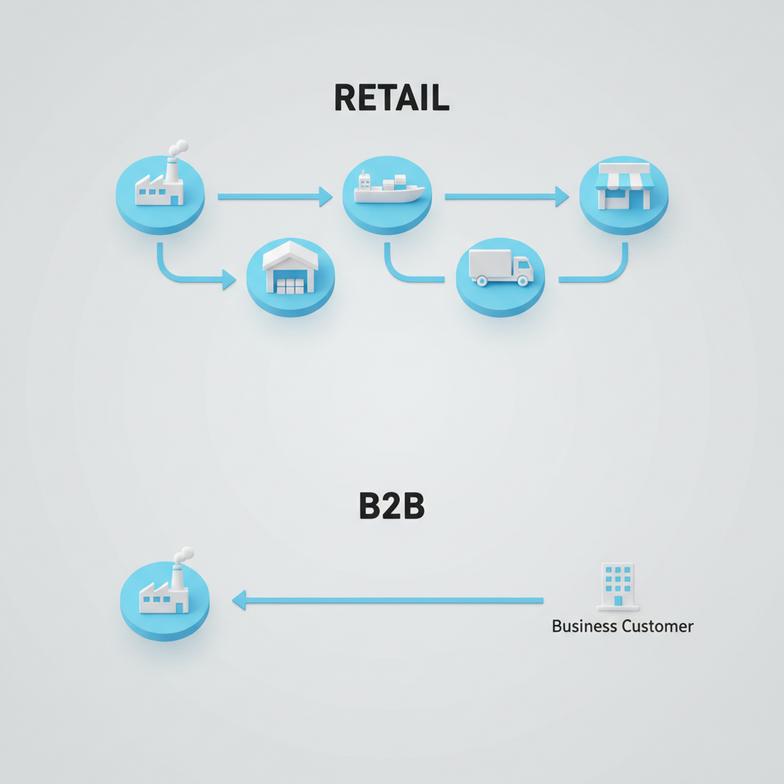
When you buy a retail pack, you’re buying a finished product that’s already made and sitting in a warehouse. It’s a simple transaction. The factory made those straws months ago based on their own forecasts[3]. When you place a B2B order with us, you are initiating a production run. We schedule your order on our production lines. This is why B2B has Minimum Order Quantities (MOQs) and longer lead times. We are literally making the product just for you. Your role shifts from a simple shopper to a procurement partner. You’re involved in the manufacturing process from the start. This direct involvement gives you control that is impossible when buying off the shelf.
| Feature | Retail Purchase | B2B Bulk Order |
|---|---|---|
| Source | Retailer/Distributor | Direct from Manufacturer |
| Product | From existing inventory | Made-to-order |
| Lead Time | Immediate / Short | Weeks to months |
| MOQ | Low (single pack) | High (thousands/millions) |
| Your Role | Consumer | Procurement Partner |
Assuming all paper straws are the same is a big risk. A single soggy straw can ruin a customer’s drink and your reputation[4]. Direct sourcing lets you control quality.
No, quality varies widely. Retail straws are made for a generic consumer, balancing cost and performance. With B2B orders, you define the specifications—like durability for thick milkshakes or specific dimensions for your cups. You are also responsible for verifying factory-level compliance like FDA and FSC certifications[5].

We often get questions from new B2B clients about straw durability. A cafe owner needs a straw that lasts in an iced coffee for hours, while a smoothie bar needs a wider, stronger straw. Retail packs can’t meet these specific needs. When you work with a manufacturer like us, you become part of the design process. You specify the paper weight, number of layers, and even the type of glue. This defines the final performance. On compliance, a retail box might say "FDA Compliant," but in B2B, you must do your own due diligence. We provide our clients with the actual test reports and material safety data sheets (MSDS). You are not just trusting a marketing claim on a box; you are verifying the supply chain from the paper source to the finished straw.
Using generic supplies makes your brand forgettable[6]. Standard retail packaging is also inefficient for your staff to use[7]. B2B orders unlock powerful customization options that build your brand.
The customization is extensive. Beyond just printing a logo, you can choose the straw’s length, diameter, color, and pattern. You can also specify individual wrapping with your branding. Packaging is designed for operational use, like dispenser boxes for cafes, not for retail shelf appeal.
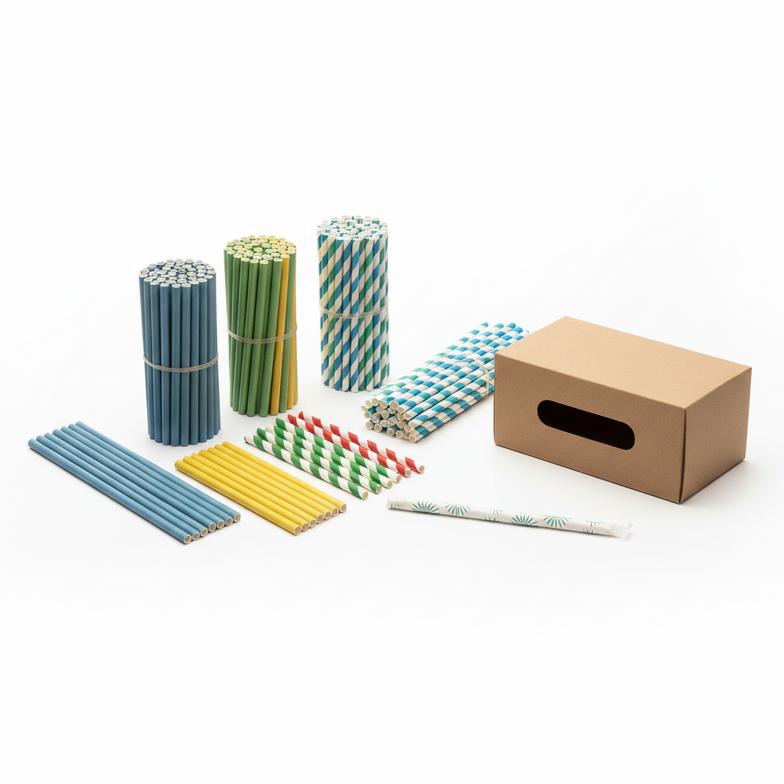
Think about the packaging first. A retail pack is designed to look good on a store shelf. It uses bright colors and plastic windows. B2B packaging is different. It’s designed for efficiency and hygiene. For a restaurant client, we might pack straws in a cardboard dispenser box that fits their service counter. For a distributor, we pack thousands of straws into a master carton optimized for shipping to reduce freight costs[8]. The customization of the straw itself is where it gets exciting. We can match a specific Pantone color for your brand, adjust the diameter by millimeters to fit a custom-lidded cup, or print your logo on the individual paper wrap. This level of detail turns a simple disposable item into a part of your brand experience, something completely impossible with retail packs.
Worried about the risks of sourcing directly from a factory? Quality problems, shipping delays, and communication issues are real fears. But the right manufacturing partner actually lowers your long-term risk.
Yes and no. The initial commitment is higher, and you are responsible for vetting your supplier. However, it’s a strategic partnership, not a one-time transaction. This relationship gives you greater control over the supply chain, quality, and costs, which reduces your long-term business risk significantly[9].

Buying a retail pack is a simple, low-risk transaction. If you don’t like the straws, you buy a different brand next time. Sourcing a B2B bulk order is a partnership. It requires more work upfront. You have to vet the factory, agree on terms, and manage the logistics. This can feel risky. However, this relationship is what protects you in the long run. When you have a direct line to the manufacturer, you can solve problems quickly[10]. If there’s a quality issue, you work with us to fix it at the source. If you need to change an order, you can discuss it with your production partner. This control and communication channel is your biggest tool for managing risk. Over time, this partnership leads to better unit costs and a more stable, predictable supply[11] for your business.
Choosing between retail and B2B is choosing your business model. Retail is a simple purchase, while B2B is a strategic partnership for control, customization, and long-term growth.