
Struggling to find a sustainable alternative to plastic that won’t result in customer complaints? The market is flooded with eco-friendly options, but a flimsy paper fork that snaps or a straw that turns to mush can quickly ruin a customer’s dining experience and tarnish your brand’s reputation. Understanding what defines high-quality paper cutlery is the first step to making a confident, successful switch.
Paper cutlery is a category of single-use, biodegradable utensils[1]—including forks, knives, spoons, and straws—made from renewable paper sources. Unlike simple paper items, high-quality paper cutlery is an engineered product designed with multiple layers of paper, food-safe adhesives, and structural reinforcements to ensure durability and prevent sogginess during use.
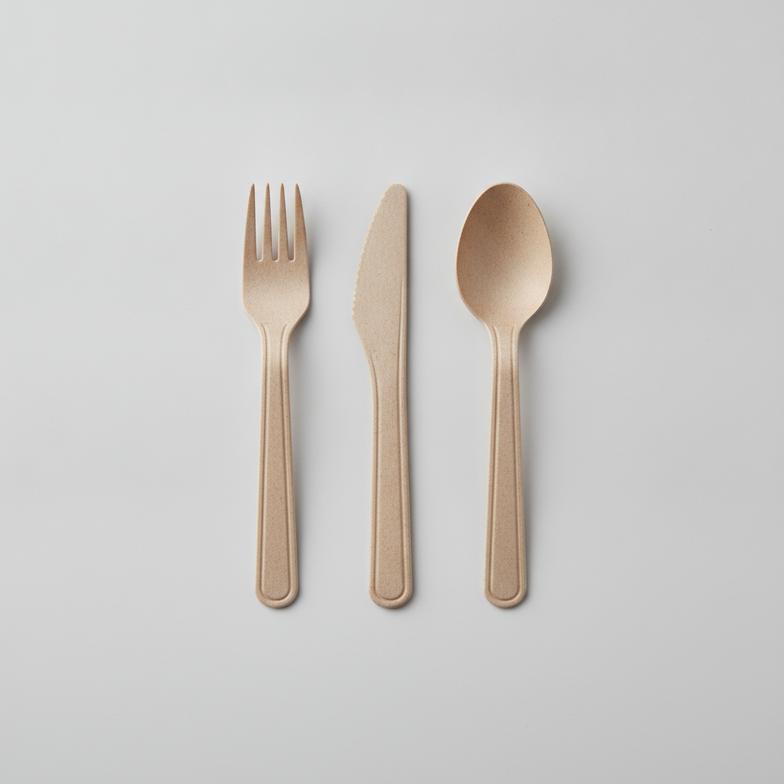
Now that we have a clear definition, the real question for any procurement manager is how to tell the good from the bad. The answer lies in the engineering, and the principles we’ve mastered in making durable paper straws provide a powerful framework for evaluating any paper utensil.
Ever switched to paper utensils only to deal with feedback about forks bending in a salad or knives failing to cut? This experience failure is frustrating for customers and reflects poorly on your business. The secret to strength isn’t just paper thickness; it’s a complete system of materials and structural design.
High-quality paper cutlery is engineered by layering multiple sheets of premium kraft paper, bonding them with specialized food-safe adhesives, and then using compression or molding to create a rigid, moisture-resistant structure. This process transforms simple paper into a reliable utensil.
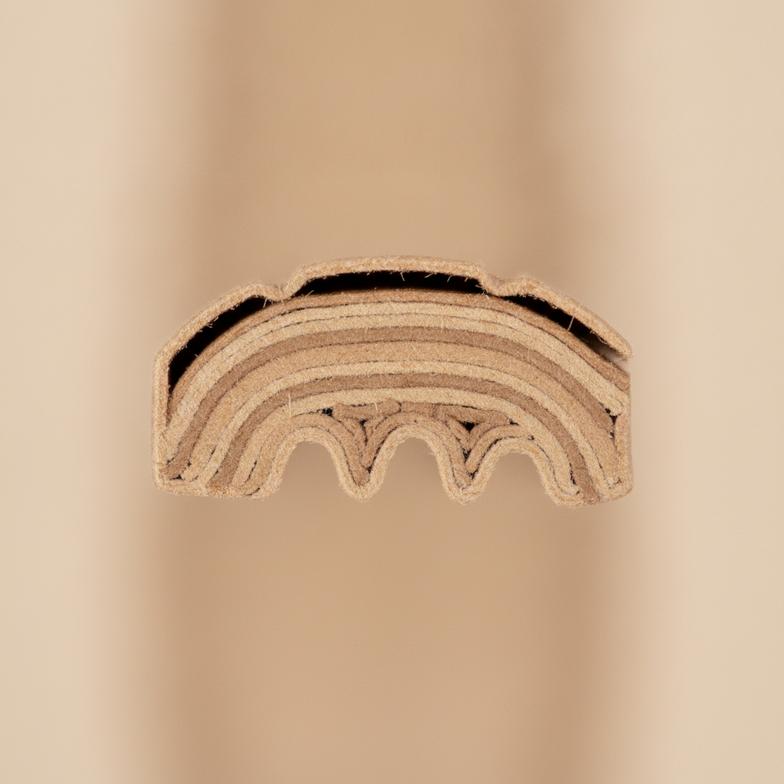
When evaluating a piece of paper cutlery, it’s easy to focus on how thick or stiff it feels in your hand. But as someone who has spent years perfecting products that must survive for hours while submerged in liquid, I can tell you that true durability comes from a much deeper level of engineering. It’s a system where every component has a critical job.
A durable paper utensil is the sum of its parts, and a failure in any one part compromises the whole product.
Think of the paper straw as the ultimate test of paper engineering. It’s fully and continuously submerged in liquid, often for hours. It faces acidity from soda[4] and constant agitation. If an engineering system can produce a straw that survives this for 3+ hours, it demonstrates a mastery of moisture resistance.
At PaperStrawTech, solving this "soggy straw problem" was our primary focus. We learned that a combination of the right multi-ply paper, a water-resistant adhesive, and a precision manufacturing process was the only way to create a positive customer experience. When you evaluate a supplier for paper forks or knives, ask about their experience with straws. If they can solve the toughest problem in the category, it’s a strong signal they have the technical capability to produce other reliable paper cutlery.
You’ve decided to move away from plastic to meet sustainability goals, but how can you be certain your new paper products are genuinely good for the planet? "Greenwashing" is a real risk[5], and sourcing from unverified supply chains can undermine your efforts. True eco-friendliness in paper cutlery comes from a transparent and fully verifiable process.
Truly eco-friendly paper cutlery is defined by its entire lifecycle: its raw materials are sourced from responsibly managed forests (verifiable with an FSC certificate), it is manufactured with food-safe, biodegradable components like inks and glues, and it is designed for a responsible end-of-life through composting or recycling.
The claim "eco-friendly" is easy to make but harder to prove. As a procurement manager, your job is to look past the marketing and verify the facts. A truly sustainable product should have a clear, documented story from forest to fork.
The journey of sustainable paper begins in the forest. The Forest Stewardship Council (FSC)[6] is a global, not-for-profit organization that sets the standards for what a responsibly managed forest is, both environmentally and socially.
A utensil can be made from the most sustainable paper in the world, but if it’s held together with non-compliant glue or printed with unsafe ink, it’s a risk to both the consumer and the environment. Every component that touches food matters.
We insist that the glues and inks used in our products are food-contact grade. A reliable supplier should be able to provide you with supporting documentation, such as:
The final piece of the sustainability puzzle is what happens after the utensil is used.
If commercial composting is part of your waste management strategy, ask suppliers for the relevant certifications. This ensures your paper cutlery can complete its circular journey as intended.
Choosing a supplier can feel like a high-stakes gamble. Will the quality be consistent from one shipment to the next? Can they handle your volume? A poor partnership can lead to stockouts, embarrassing quality issues, and constant headaches for your team. A structured evaluation process focused on manufacturing experience and transparency is your best defense.
Evaluate a potential paper cutlery supplier by scrutinizing their manufacturing experience, especially with difficult products like straws. Always request samples for real-world testing, verify their certifications (FSC, food-contact), and assess their overall transparency and communication responsiveness.

Over the years, I’ve seen many companies enter the paper utensil market. When I first started in this industry, I saw factories trying to make paper straws by simply adapting old paper tube machinery. The results were disastrous—soggy, unraveling messes that angered customers. That experience taught me that specific product expertise is non-negotiable. A supplier who understands the deep engineering challenges is fundamentally different from one who just trades boxes.
As mentioned before, the paper straw is the ultimate stress test. Use it as a tool in your evaluation process.
Ask a potential supplier: "Tell me about your paper straws. How long do they last in a cold drink?"
Their answer will reveal volumes. A confident, experienced manufacturer will talk about their multi-ply construction, their adhesive formulation, and their quality control process. They’ll have data and be happy to send samples that prove their claims. A less experienced supplier or a simple trader might give vague answers or try to change the subject. A supplier who has mastered the paper straw has proven they can handle the core challenge of moisture resistance, a strong indicator they can produce reliable paper forks and knives as well.
Turn your evaluation into a systematic process to minimize risk and find a true partner.
1. Request and Test Samples: This is non-negotiable. Test the samples with your own menu items. Does the fork handle a dense piece of cake? Does the knife actually cut a cooked chicken breast? Submerge the straw in ice water and set a timer. See if it meets their claims. 2. Demand Documentation: A trustworthy supplier will be transparent. Ask for copies of their key documents:
3. Inquire About Their Factory: Are they the manufacturer, or are they a trading company? A direct manufacturer like us has full control over the production process, quality, and supply chain. Ask about their production capacity, their quality control checkpoints, and their R&D capabilities. 4. Evaluate Their Customization Capability: Can they produce utensils in your brand colors? Can they create custom packaging? A supplier with deep manufacturing experience can often provide extensive customization, while a trader is limited to off-the-shelf products. 5. Assess Communication and Support: Are they responsive and knowledgeable? Do they understand your concerns about customer experience and brand reputation? The quality of your communication during the sales process is a strong predictor of the support you’ll receive after you sign the contract.
From a sustainability perspective, paper cutlery offers significant advantages. It’s made from a renewable resource (wood pulp), is biodegradable, and helps reduce reliance on fossil fuels[9]. However, its functional performance depends entirely on its engineering quality. A poorly made paper fork is not better than a functional plastic one.
Yes, high-quality, engineered paper cutlery is specifically designed to maintain its rigidity and structure when used with hot foods and liquids. The key is the use of multiple compressed layers and heat-resistant, food-safe adhesives. Always test samples with your hot menu items to be sure.
Not necessarily. While most paper cutlery is biodegradable, "certified compostable" means it meets specific standards (like ASTM D6400[10]) for breaking down in an industrial composting facility. If commercial composting is your goal, ask your supplier for certifications from organizations like BPI (Biodegradable Products Institute).
Paper cutlery is typically more expensive per unit than traditional single-use plastic[11]. The cost varies based on the quality of engineering, raw materials, order volume, and any customization. View it as an investment in your brand’s sustainability credentials and in meeting growing consumer demand for eco-friendly practices[12].
Making the switch to sustainable disposables is about more than just ticking a box. It’s about protecting your customer’s experience and your brand’s reputation. True quality in paper cutlery comes not from the paper alone, but from a complete system of thoughtful engineering—from the multi-ply construction and food-safe adhesives to a robust structural design. By using the "soggy straw problem" as a litmus test, you can gauge a supplier’s technical expertise. A manufacturer who can create a durable paper straw has demonstrated the mastery needed to produce reliable forks and knives. Choosing the right partner who is transparent, experienced, and focused on quality is the most important step in your journey.
If you’re looking for a partner who understands the deep engineering behind durable, food-safe paper products, or if you’re exploring options for finished paper straws or complete production lines, contact us at PaperStrawTech. We can help you make a choice that delights your customers and strengthens your brand.