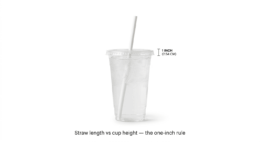
Choosing straws feels complicated. Making the wrong choice can waste money and hurt your brand’s reputation[1]. This guide helps you reframe the question to find the perfect fit for your business.
The “best” straw is not a single material. It’s the one that best fits your specific use case, balancing cost, performance, operational demands, and true environmental impact. It’s a strategic business decision.
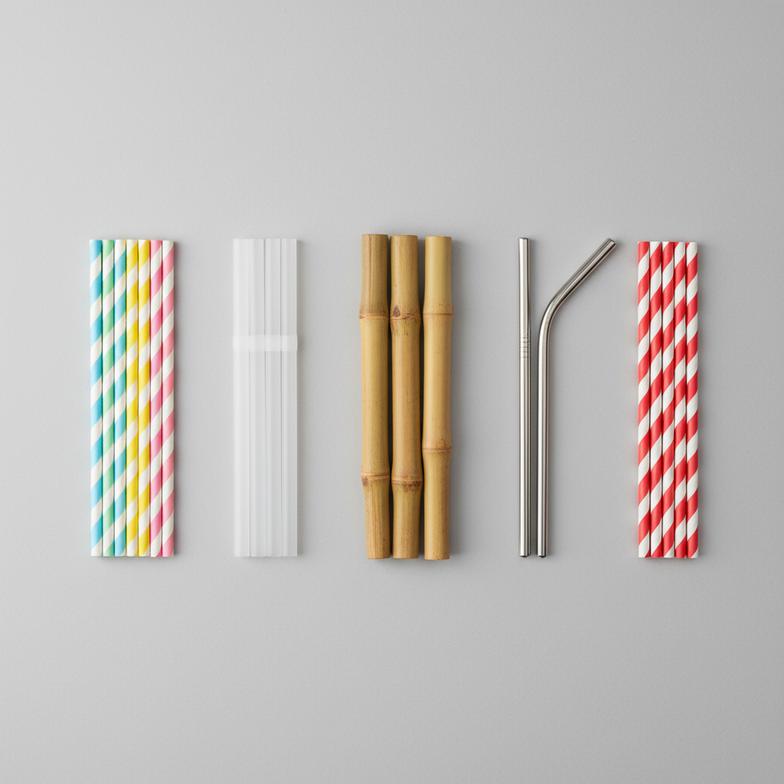
Many buyers I talk to are looking for a single “best” straw. But the truth is, the right choice for a high-volume fast-food chain is completely different from a premium, sit-down restaurant. Instead of asking “which material is best?”, we need to start by asking “what are my business’s specific needs?”. Let’s break down the options from a practical, business-first perspective.
We’ve all heard the complaints about soggy paper straws. This negative experience can hurt your brand and frustrate customers. But it’s crucial to understand that quality varies, and sourcing durable straws is key.
Yes, high-quality paper straws are a very reliable choice. The trick is to source them correctly. Look for 3-ply or 4-ply construction made with quality kraft paper and food-safe glue. Not all paper straws are created equal.
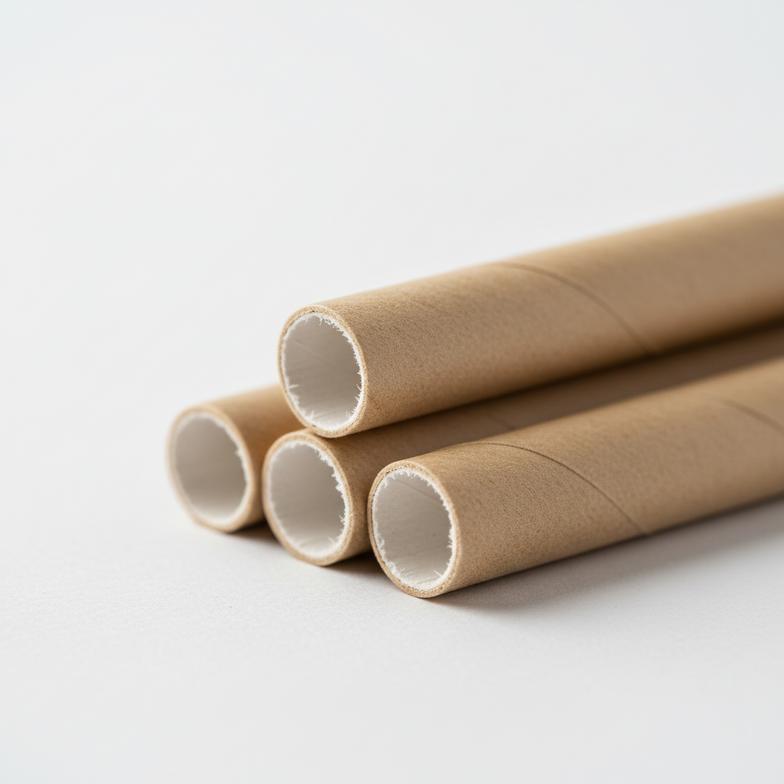
A frequent question we get from restaurant chains is about sogginess. It’s the number one concern, and it’s a valid one. From our experience manufacturing paper straws since 2012, the difference comes down to a few key technical details. A cheap, 2-ply straw made with low-grade paper will fail quickly. However, a well-made straw is a different product entirely. We focus on 3-ply and 4-ply straws, which offer much better rigidity and durability. These straws are designed to last for hours in a drink[2], not minutes. The quality of the kraft paper and the food-safe adhesive are just as important[3]. When you source, ask potential suppliers for specifications and samples. Test them in your own drinks—soda, milkshakes, hot coffee. Don’t just take their word for it.
Here’s a simple breakdown:
| Ply Count | Durability | Ideal Use Case |
|---|---|---|
| 2-Ply | Low | Not recommended for commercial use. |
| 3-Ply | Good (2-3+ hours) | Standard for sodas, juices, iced coffee. |
| 4-Ply | Excellent (3-4+ hours) | Best for thick milkshakes, smoothies, or hot drinks. |
Making the right choice here turns a potential customer complaint into a reliable part of your service.
PLA straws look and feel like plastic, and are marketed as a “compostable” eco-friendly solution. But this can be a greenwashing trap if the proper disposal infrastructure isn’t available for your customers.
PLA is only a greener option if it ends up in an industrial composting facility[4]. Otherwise, it behaves much like plastic in landfills or oceans. This creates a significant gap between your marketing and reality, posing a brand risk.
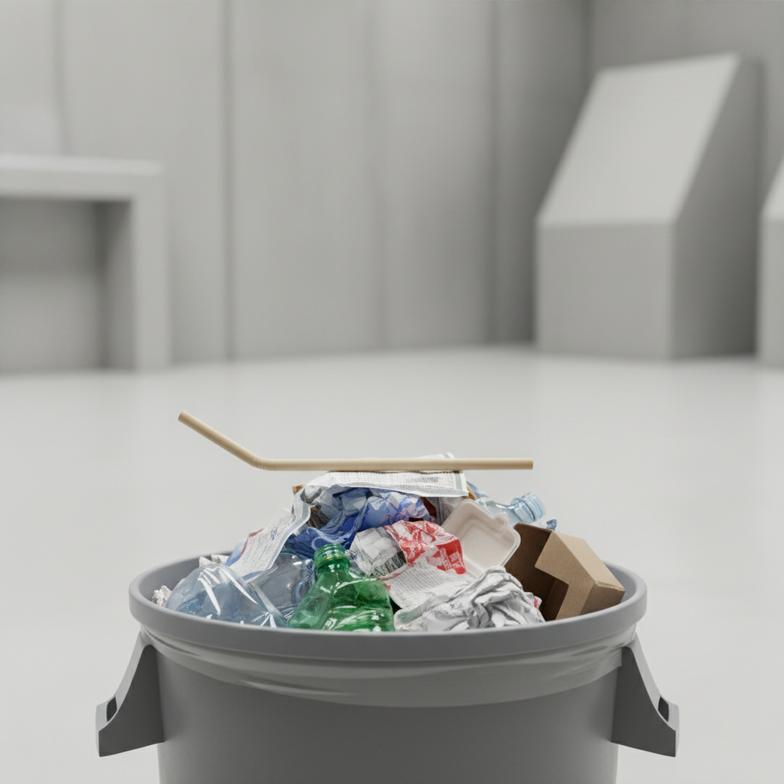
We’ve seen many buyers get excited about PLA without considering the full lifecycle. The problem is that “compostable” has a very specific technical meaning. It requires high heat and specific conditions only found in industrial facilities. Home compost bins won’t break it down. When a customer takes your PLA straw home and throws it in the trash, it ends up in a landfill. There, deprived of oxygen, it can last for decades, just like plastic[5]. This creates a disconnect. Your business claims to be green, but your products are contributing to landfill waste. A savvy consumer or environmental group can easily call this out, damaging your brand’s credibility. Before choosing PLA, you must ask: “Do my customers have easy and widespread access to industrial composting?[6]” For most businesses, the answer is no, which makes paper a more honestly biodegradable option.
Reusable straws seem like a premium, zero-waste dream. However, for a foodservice business, they introduce significant operational burdens, hidden costs, and serious hygiene risks that are often overlooked at first.
For most cafes and restaurants, reusable straws are not practical. They require major investments in inventory, specialized washing equipment, and staff labor for sanitation. The high risk of hygiene failures and customer theft makes them operationally difficult.

I remember a cafe owner asking us about switching to metal straws to enhance their premium image. We walked through the daily reality of that decision. First, sanitation. You can’t just toss them in a dishwasher. To be truly clean, each straw needs to be scrubbed internally with a special brush to prevent bacteria buildup, a major health liability[7]. This requires dedicated staff time, slowing down your entire operation. Second, you have to buy a huge inventory, far more than your peak number of customers, to account for straws in use, straws being washed, and spares. Third is the cost of loss. Customers will accidentally throw them away or take them home. This constant replacement eats into your profits[8]. Bamboo straws add another layer of complexity, as they can splinter over time or absorb flavors[9]. While great for personal use, the operational and financial burden is simply too high for most commercial businesses compared to high-quality single-use options.
Plastic straws are cheap, durable, and familiar. So why is the entire industry moving away from them? The decision is no longer about performance, but about risk management in a changing world.
Businesses are ditching plastic because of a perfect storm of government bans, negative consumer perception, and brand damage. The low unit cost of a plastic straw no longer outweighs the massive regulatory and reputational risks.

A frequent question we get from distributors is about future-proofing their inventory. They see that plastic straws are still cheap to source, but they also see the writing on the wall. The biggest factor is regulatory risk. Cities, states, and entire countries are banning single-use plastics at an accelerating rate[10]. Stocking up on plastic straws today could mean you’re left with an illegal and worthless product tomorrow. Then there’s the brand risk. Images of turtles with straws in their noses have done irreversible damage[11] to the public perception of plastic straws. Using them can signal to your customers that you don’t care about environmental issues, which can directly impact their loyalty[12]. For a B2B buyer, choosing plastic is a short-term cost saving that invites long-term risk. The smart move that we see successful companies making is to get ahead of the curve and embrace sustainable alternatives now.
The best straw is a strategic choice, not a material preference. Define your business needs, assess the risks, and then find the best-fit solution that protects your brand and serves your customers.