
Many factory owners and production managers only start thinking about paper straw machinery maintenance after the machine stops or the finished straws become unstable. In my experience, this is often too late. By the time a full breakdown occurs, the factory has likely already lost raw materials, wasted labor time, and put delivery schedules at risk.
The most important maintenance tip for paper straw machinery is to treat maintenance as daily production control, not emergency repair after breakdown. A machine can still be running while producing inconsistent paper straws that fail quality checks or lead to customer complaints.
This article explains how to approach maintenance as a system that protects your production stability, finished product quality, and long-term investment. We will cover preventive checks, operator routines, the influence of raw materials, and how to plan for support before you need it.
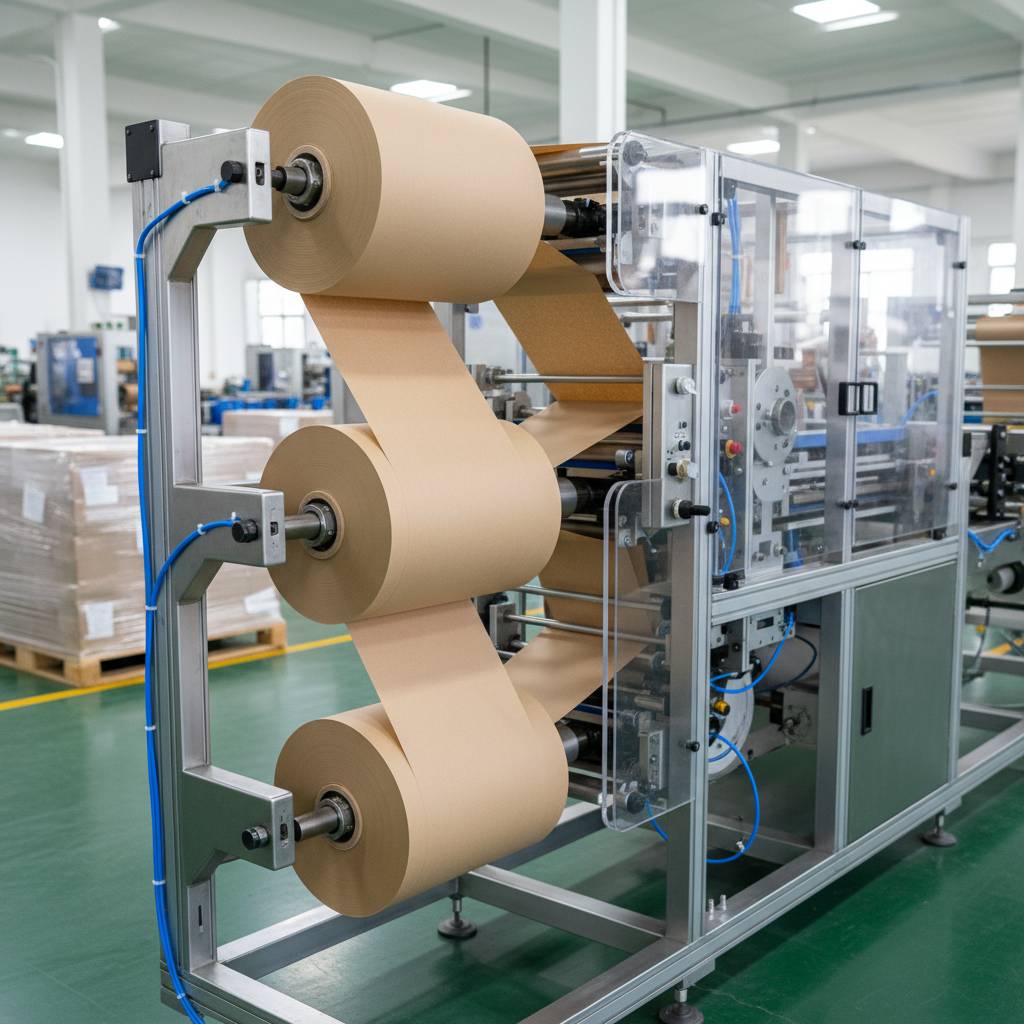
Preventive maintenance is more valuable than reactive repair because it protects your production schedule and material costs. Many buyers wait for a complete machine stoppage before taking action, but the real problems often start much earlier with subtle warning signs.
A common issue I see with new paper straw factories is ignoring small changes during production. For example, unstable paper feeding, minor bonding variations, or a slight increase in waste might not stop the machine, but they are early signals that something needs attention. If ignored, these small issues can lead to a large batch of defective straws that must be sorted or discarded, creating significant loss.
From a supplier’s perspective, a machine is not "working well" just because it’s running. It’s working well when it produces consistent, high-quality paper straws that match the approved sample. Waiting for a complete breakdown turns a manageable adjustment into an emergency repair, often causing more downtime and stress than necessary.
A simple, repeatable daily checklist for your operators is the most effective tool for maintaining stable production. Many buyers underestimate the operator’s role, assuming their only job is to turn the machine on and off. However, consistent operator habits are crucial for preventing small issues from becoming bulk order defects.
Maintenance should be part of the operator’s daily routine, not just a technician’s job after a problem appears. These checks are not complex technical tasks; they are simple observations and cleaning habits that help control the production process. Before starting a bulk run, operators should confirm that the output is stable and matches the required specifications.
I often remind buyers that a well-maintained machine starts with a well-informed operator. Clear daily routines make it easier to spot deviations and ensure that every shift starts with the machine in a known, clean, and ready state.
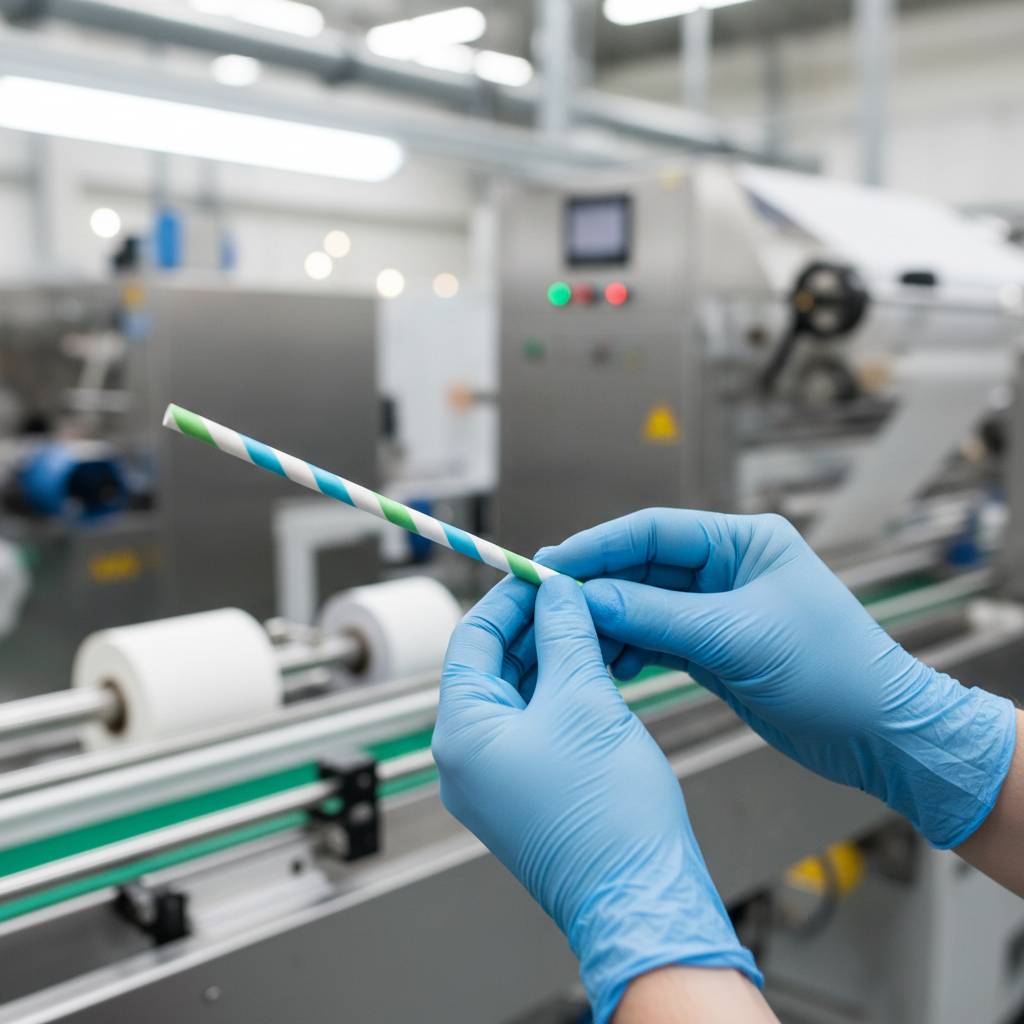
This checklist provides a framework for daily operator routines. It helps turn abstract maintenance advice into concrete actions.
| Maintenance Stage | What to Check | Why It Matters | Warning Sign | Recommended Action |
|---|---|---|---|---|
| Before Production | Machine cleanliness, especially paper path and bonding area. Check for any obvious loose parts or leftover residue. | Prevents contamination and ensures a smooth startup. | Dust, glue residue, or misaligned components. | Clean the area and perform a quick visual inspection before loading materials. |
| Paper Feeding | Smooth and consistent paper travel. No stuttering or misalignment of paper layers. | Unstable feeding is a primary cause of inconsistent straw shape and weak bonding. | Paper jerking, wrinkling, or repeatedly going off-center. | Pause production. Check the paper roll, tension settings, and feeding path for obstructions. |
| Bonding & Forming | Stable straw formation and consistent glue application. | Weak or inconsistent bonding leads to straws that unravel or become soft too quickly. | Straws with visible gaps, uneven shape, or weak seams. | Review machine settings and check the glue/bonding system and material condition. |
| Cutting & Output | Clean cuts and consistent straw length. | Rough cuts or inconsistent lengths are signs of a potential mechanical or adjustment issue. | Frayed ends, angled cuts, or noticeable length variations. | Inspect the cutting blades and check machine adjustment. Confirm stable output before continuing. |
| During Production | Regularly compare finished straws to the approved sample. Monitor the waste rate. | A machine can drift out of spec over time. Quality must be monitored continuously. | Rising waste, or straws that no longer match the sample’s size, shape, or feel. | Pause and investigate. Do not continue bulk production until the issue is resolved. |
| After Production | Clean the machine, especially the bonding and cutting units. Record any issues that occurred during the shift. | Prevents buildup that can cause problems on the next run. Records help in troubleshooting. | Repeated small problems that are never documented. | Keep a simple operator log to track issues and adjustments for faster future diagnosis. |
Many production issues that look like machine failures are actually caused by changes or inconsistencies in your raw materials. Paper straw production is a system where the machine, paper, and bonding agent must work together. If you change one element without adjusting the others, you can create instability.
In my experience, when a factory suddenly has problems with bonding or straw formation, one of the first questions I ask is, "Did you recently change your paper or glue supplier? Are you using a new batch?" A different paper grade, a new batch of glue with slightly different viscosity, or even paper stored in a damp environment can all affect how the machine runs.
Blaming the machine before checking for material changes can lead to frustrating and unproductive troubleshooting. A good supplier should be able to discuss how raw material specifications interact with machine settings.
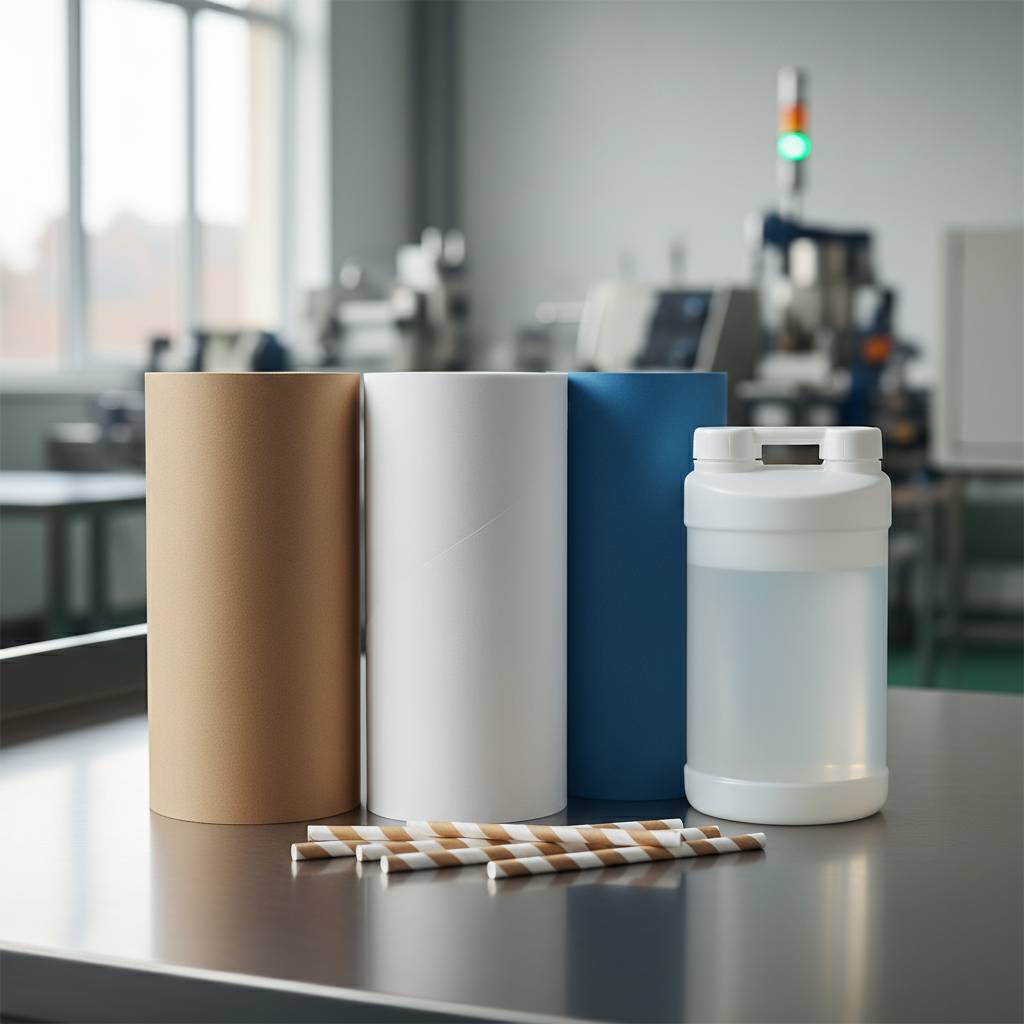
Nearly every aspect of machine maintenance is directly linked to the quality and consistency of the final paper straw. Poor maintenance doesn’t just risk a machine breakdown; it risks producing an entire order of straws that your customer might reject.
A machine with a dull or poorly aligned cutting blade won’t just stop working; it will produce straws with frayed, dusty, or angled ends. A bonding unit with inconsistent temperature or pressure will create straws that feel weak or unravel in a drink. These are not just cosmetic issues—they affect the end-user’s experience and your brand’s reputation.
I often remind buyers that maintenance is a core part of quality control. If the finished straw starts to change, the machine’s condition should be one of the first things you investigate. The goal is to ensure the 100,000th straw you produce is just as good as the first one and matches the approved sample perfectly.
| Maintenance Risk | Production Consequence | Business Impact | Practical Prevention |
|---|---|---|---|
| Operators ignore unstable feeding. | Inconsistent straw shape and diameter; increased paper waste. | Higher material costs; risk of customer complaints about inconsistent product. | Stop and check feeding stability before starting a bulk run. |
| Raw material changes are not recorded. | Machine adjustment becomes a guessing game; production is unstable. | More trial-and-error waste; delayed output and missed deadlines. | Record material batches and confirm stable output after any change. |
| Finished straw quality is only checked after packing. | A large quantity of defective products may be produced before being noticed. | High cost of sorting, rework, or disposal; high risk of shipping defective goods. | Inspect finished straws continuously during the production run, comparing them to the approved sample. |
| Preventive cleaning is neglected. | Glue residue and paper dust build up, causing bonding and cutting issues. | Lower sellable output; straws may have unappealing cosmetic defects. | Integrate cleaning into the daily operator routine, especially for bonding and cutting units. |
Spare parts and support should be discussed before you are in an emergency situation, not after. Many buyers focus entirely on the initial machine purchase and installation, only to find themselves in a difficult position when a small part fails and they have no plan.
Effective support is a two-way street. When a buyer needs help, troubleshooting is much faster if they can provide clear information. In my experience, a buyer who can send clear photos or videos of the problem, along with details about the material batch and recent machine adjustments, will get a solution much faster than one who simply says "the machine is broken."
One-time installation training is rarely enough. Your team needs ongoing familiarity with the machine, and you need a clear communication process with your supplier for when issues arise.
You should evaluate a machinery supplier on their ability to support your long-term production, not just on the price of the machine. A low upfront cost can become very expensive if it comes with poor guidance, slow troubleshooting, and no support for raw material or operational challenges.
A good supplier should be more like a partner. They should ask you about your target products, your expected volume, your raw material plans, and your factory environment. Their questions show that they are thinking about your production success, not just making a sale.
From the supplier side, a serious buyer is one who asks about maintenance, operator training, and after-sales support. These questions indicate that the buyer understands that a paper straw machine is a long-term production asset, and its value is determined by its ability to run reliably and efficiently over time.
Thinking of paper straw machinery maintenance as just "repair" is a costly mistake. Effective maintenance is a system of daily checks, operator discipline, raw material awareness, and clear supplier communication. It is the foundation of stable production, consistent quality, and delivery reliability.
The cheapest machine is not the one with the lowest price tag; it’s the one that allows you to produce quality straws consistently with minimal downtime and waste. This is only possible when maintenance is treated as a core part of your daily production strategy.
If you are planning to invest in paper straw machinery or want to improve the stability of your current operation, start by reviewing your maintenance approach. At PaperStrawTech, we help clients by discussing their production goals, straw specifications, and operational questions. This allows us to recommend an integrated solution of machinery, raw material guidance, and production support to help you succeed.