
Struggling to balance cost, sustainability, and compliance in your alcohol testing program? You’ve seen paper breathalyzer mouthpieces emerge as a green alternative to plastic, but you’re worried they might compromise the accuracy or hygiene required for professional use. This uncertainty makes it hard to make a confident purchasing decision that you can justify to your team.
The suitability of paper breathalyzer mouthpieces hinges entirely on the context of your testing. They are an excellent choice for non-evidential, preliminary screenings like workplace safety checks, offering a hygienic, cost-effective, and biodegradable solution. However, for legally binding evidential testing required by law enforcement or DOT regulations[1], you must use a mouthpiece specifically certified for that device, which is often plastic.
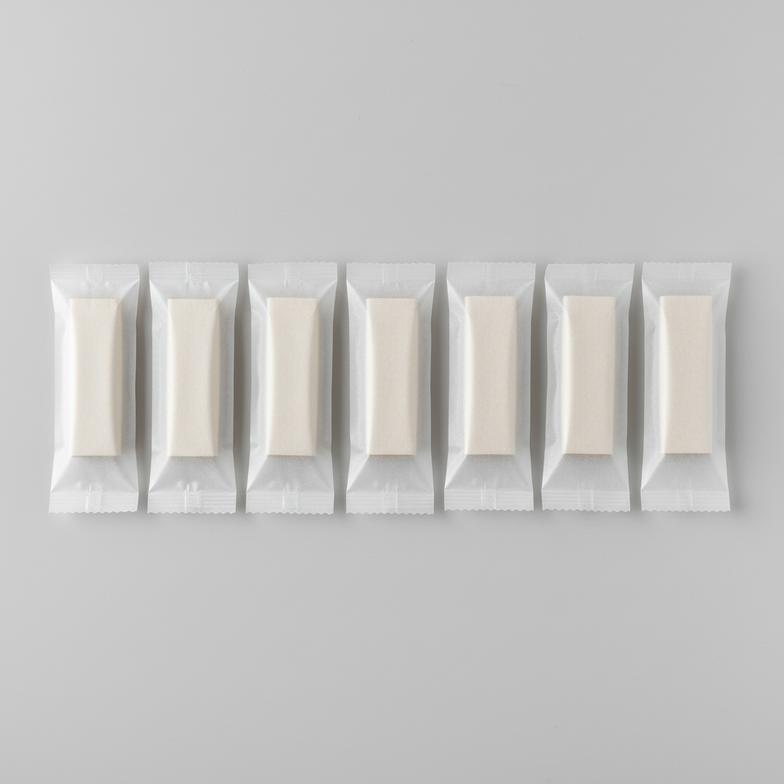
That direct answer is a starting point, but the devil is in the details. The real question isn’t whether paper is "good" or "bad," but rather, "Under which specific conditions does paper meet my organization’s standards for risk, hygiene, and accuracy?" Let’s dive deeper to equip you with the knowledge to make an informed choice.
You’re trying to compare paper and plastic mouthpieces, but it feels like an impossible task. The specifications are different, the claims are confusing, and you’re worried that choosing paper could undermine your entire testing protocol.
The core issue is that "professional testing" is too broad a term. Its meaning ranges from a simple safety check at a factory gate to a DUI test used as evidence in court. The suitability of paper breathalyzer mouthpieces depends entirely on which of these categories your testing falls into.
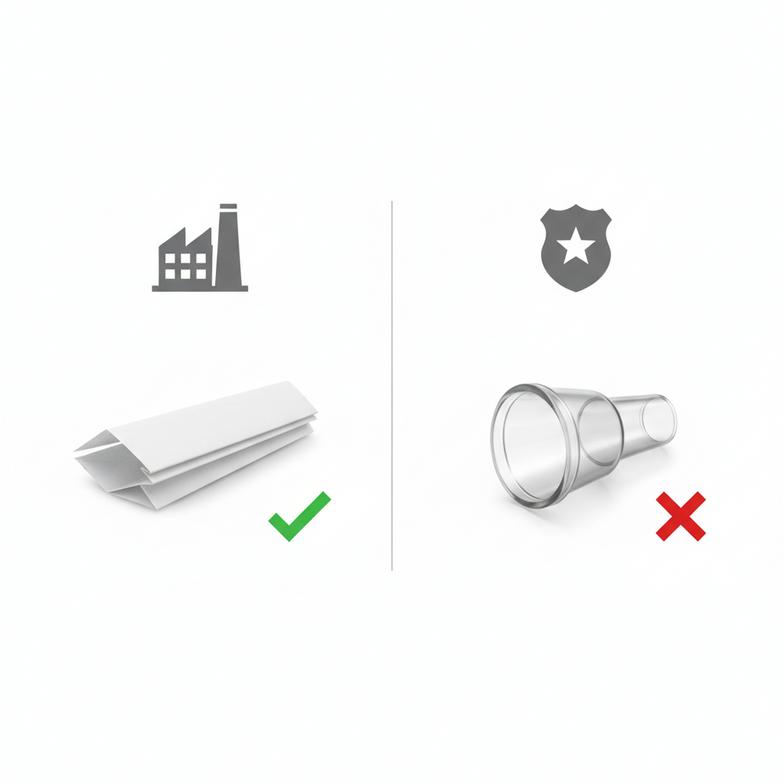
Preliminary screenings are the most common type of testing in a corporate or industrial environment. Their primary purpose is not legal prosecution but rather deterrence and safety.
Examples include:
In these scenarios, the goal is to get a quick, reliable indication of alcohol presence. The result itself isn’t typically used as standalone evidence in court but rather as a trigger for a next step, like sending the employee home or requiring a confirmatory evidential test.
This is where high-quality paper breathalyzer mouthpieces shine. For a procurement manager, they check all the boxes:
From my experience in the paper products industry, many of our clients in logistics, construction, and manufacturing have successfully adopted paper mouthpieces for exactly these preliminary screening programs. Their focus is on a hygienic, disposable, and affordable solution for daily operational safety.
Evidential testing is a completely different ballgame. The result of this test must be accurate and reliable enough to be admissible as evidence in a legal or administrative proceeding.
This type of testing is most common in:
For a breath test to be considered "evidential," both the breathalyzer device and the mouthpiece must meet incredibly strict standards. In the United States, for example, they often must appear on the National Highway Traffic Safety Administration (NHTSA) Conforming Products List (CPL)[2].
Paper faces significant hurdles in this arena. The primary concern is that even minute moisture absorption could theoretically trap ethanol molecules[3], potentially altering the highly sensitive reading of an evidential-grade fuel cell sensor. While a well-made paper mouthpiece is designed to prevent this for a single use, the mere possibility often prevents it from passing the rigorous certification process required for legal evidence.
As a material and manufacturing expert, I can speak to paper’s physical properties. However, I am not a legal expert or a medical device calibrator. For any evidential testing program, you must defer to the device manufacturer’s instructions and use only the mouthpieces listed on the relevant conforming products list.
You see terms like "120 GSM" or "3-ply" on a product sheet, but what does that actually mean for performance? You’re rightfully concerned that a paper mouthpiece might get soggy, collapse, or tear during the forceful exhalation needed for a test, leading to a failed sample.
Just as with the paper straws we manufacture, the secret to performance lies in the material science. Key properties like paper density (GSM), ply count, and the adhesive used are what separate a reliable professional product from a flimsy, useless tube. A well-engineered paper mouthpiece is designed for its specific, short-duration task.
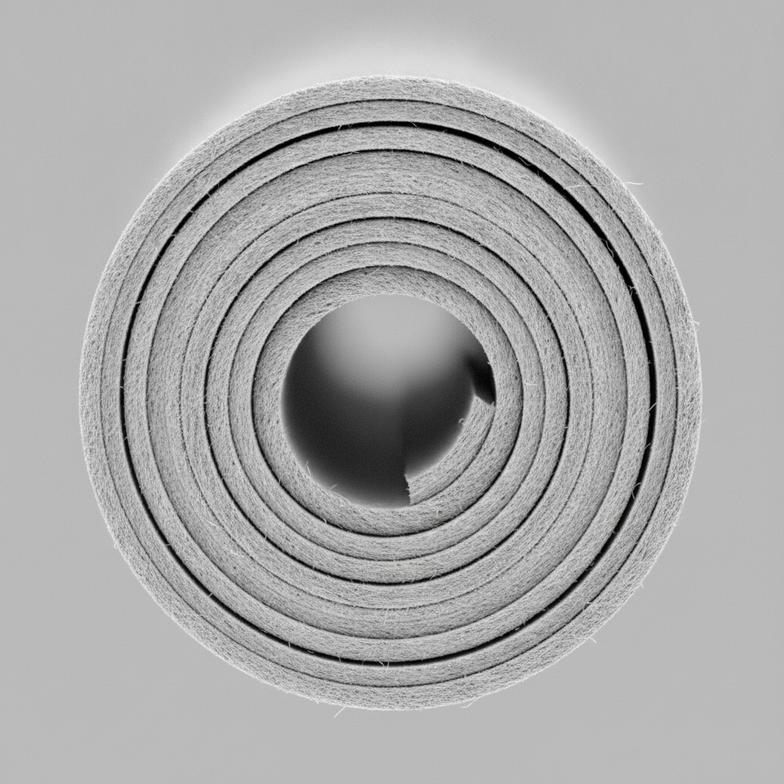
GSM stands for "Grams per Square Meter"[4] and is a standard measure of paper density and thickness. A higher GSM means the paper is heavier, stiffer, and more durable. For context, typical office printer paper is around 80 GSM, while a quality business card is 300+ GSM[5].
For a mouthpiece, a low GSM (under 80) will feel flimsy and may collapse under the pressure of a firm breath. A high-quality paper mouthpiece should be made from paper that is at least 100 GSM, and preferably 120 GSM. This provides the necessary rigidity to maintain its shape throughout the 10-15 seconds required to deliver a proper breath sample.
Most tubular paper products, from straws to mouthpieces, are not made from a single layer. They are constructed by spirally winding multiple strips of paper (plies) together with an adhesive.
The fear of a paper mouthpiece getting soggy and failing is a valid concern, drawn from experiences with low-quality paper straws. However, the use case is fundamentally different. A straw is designed to sit in liquid for an extended period. A mouthpiece is exposed to warm, moist air for less than 30 seconds.
A well-made paper mouthpiece, constructed from high-GSM paper and multiple plies, is engineered to easily withstand this brief exposure without any structural degradation. The paper’s density prevents immediate moisture penetration, ensuring it maintains its shape and integrity for the duration of a single test.
| Feature | Low-Quality Paper Mouthpiece | High-Quality Paper Breathalyzer Mouthpiece |
|---|---|---|
| Paper Weight | < 80 GSM | 100-120+ GSM |
| Construction | Single-ply, weak adhesive | 2-3 ply, food-grade adhesive |
| Feel | Flimsy, easily bent or crushed | Stiff, robust, and durable |
| Moisture Risk | May soften or collapse quickly | Maintains structure for single-test duration |
| Best Use Case | Unsuitable for professional use | Excellent for preliminary screening |
You’re ready to explore sourcing paper breathalyzer mouthpieces, but you don’t want to get stuck with a subpar product that creates more problems than it solves. To vet suppliers effectively, you need to go beyond the price and ask targeted questions.
As a procurement manager, your goal is to acquire a product that is fit for purpose. To do that, you need to understand its specifications. Ask potential suppliers clear questions about material composition, hygiene standards, structural design, and any available compliance documentation to ensure you make the right choice.
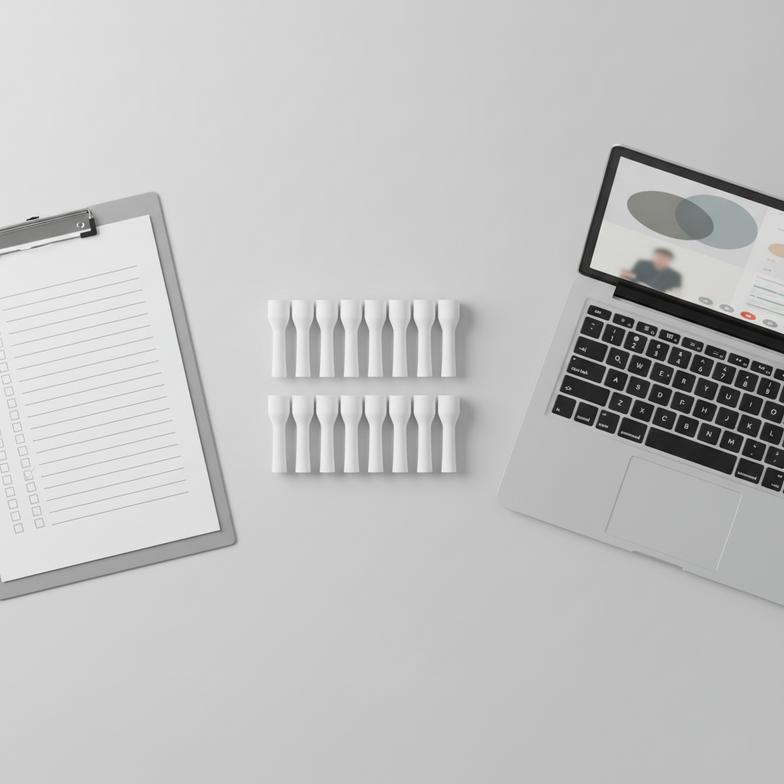
Here is a practical checklist of questions to guide your conversation with a potential supplier. As a manufacturer, these are the questions I welcome from clients because they show they are serious about quality.
Go beyond "paper." Ask for the specific GSM (aim for 100+), the ply count (aim for 2-3), and the paper’s origin. Is it made from 100% virgin pulp for maximum strength and hygiene? Is it FSC-certified, which supports your company’s sustainability goals?[7]
This is a critical safety baseline. The mouthpiece makes direct contact with a person’s mouth. The materials must be non-toxic and safe. Any reputable manufacturer should be able to provide documentation (like FDA or LFGB compliance reports[8]) for their raw materials.
The only acceptable answer for a professional setting is individually wrapped. A bulk box of unwrapped mouthpieces is an immediate red flag for cross-contamination and is unsuitable for any testing program.
Look for features that show thoughtful engineering. Does it have a small plastic ring or a flared paper end to prevent it from being inserted too far into the breathalyzer? Is the design a simple tube, or does it have features to channel airflow and prevent saliva "suck-back" from reaching the sensor[9]? These details separate a quality product from a cheap commodity.
While the supplier may not have the specific NHTSA certification for evidential use, they should have something. Ask for any internal test data on crush strength or moisture resistance. Request a Material Safety Data Sheet (MSDS) or a Certificate of Analysis for the paper and glue. A transparent supplier will have this information readily available.
By asking these questions, you shift from a passive buyer to an informed partner, ensuring the product you source will perform reliably in your specific testing environment.
Yes, provided they are individually wrapped. Hygiene in this context is primarily about preventing cross-contamination between users. A new, clean, individually wrapped paper mouthpiece used once and then disposed of is just as hygienic for a single test as its plastic counterpart.
A well-designed paper mouthpiece should not damage the sensor. Quality mouthpieces are engineered for a precise fit and are sturdy enough to prevent paper fibers or saliva from entering the device during a normal test. Using a poorly made or damaged mouthpiece of any material could pose a risk.
Generally, yes. Paper is often a more cost-effective raw material, and the manufacturing process is highly efficient. For organizations conducting thousands of preliminary tests per year, the cumulative cost savings can be significant, complementing the environmental benefits.
Yes. Like any paper product, they should be stored in a cool, dry place to maintain their structural integrity. Most manufacturers specify a shelf life of 2-3 years[11]. After this period, the paper can become brittle and the adhesive may weaken, so it’s best to rotate your stock.
Ultimately, the suitability of paper breathalyzer mouthpieces is not a simple yes-or-no question. It is a strategic procurement decision that depends on your specific context. For non-evidential, preliminary screenings in a corporate or industrial setting, a high-quality paper mouthpiece is a fantastic solution—it’s hygienic, sustainable, and cost-effective. For legally binding evidential testing, you must adhere strictly to the device manufacturer’s requirements and use only certified mouthpieces. By focusing on material science, asking suppliers the right questions, and matching the product to your specific needs, you can confidently integrate this sustainable solution into your professional testing program.
If you are exploring sustainable paper solutions for your operational needs—from custom-branded paper straws to specialized industrial paper tubes—my team at PaperStrawTech has the manufacturing expertise and supply chain knowledge to guide you. Contact us today to discuss your project requirements and find a solution that works.