Finding a reliable supplier can feel like a huge challenge when you’re stocking up on paper straws. You switch to be eco-friendly, but then come the complaints: straws getting soggy, collapsing in the cup, and ruining a customer’s drink. This isn’t just frustrating; it can damage your brand. The solution lies in understanding that paper straw performance is never one-size-fits-all; it’s about matching the right straw to the specific beverage you serve.
A paper straw’s performance differs across beverages due to three main factors: temperature, acidity (pH level), and carbonation. Hot liquids, acidic juices, and fizzy drinks can break down the paper fibers and food-grade glue much faster than cold, neutral water, causing the straw to become soggy or collapse.
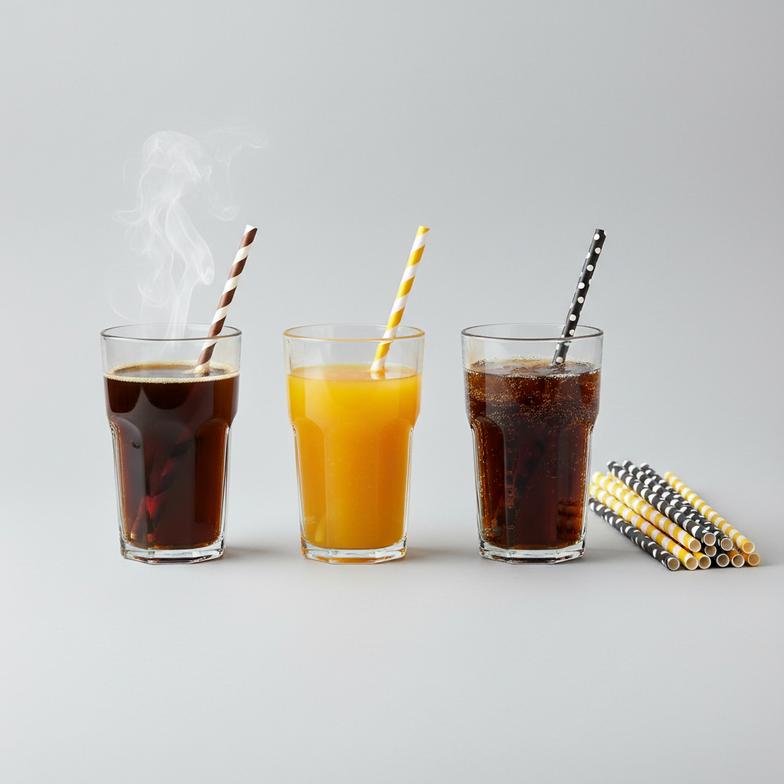
It’s tempting to search for a single "best" paper straw, but the reality is more nuanced. A straw that’s perfect for an iced latte might be a disaster in a hot mocha. Let’s break down exactly why this happens and how you can make smarter procurement decisions to protect your customer experience and your bottom line.
Worried about your paper straws turning into mush in a customer’s hot coffee or tea? It’s a valid concern we hear all the time from cafe owners. A straw that fails in a hot drink isn’t just an inconvenience; it can be a real letdown for your customer.
High temperatures dramatically accelerate how quickly paper absorbs liquid. This softens the paper fibers and, more importantly, can weaken the bond of the food-grade glue holding the straw together, drastically reducing how long it stays firm compared to its performance in a cold drink.
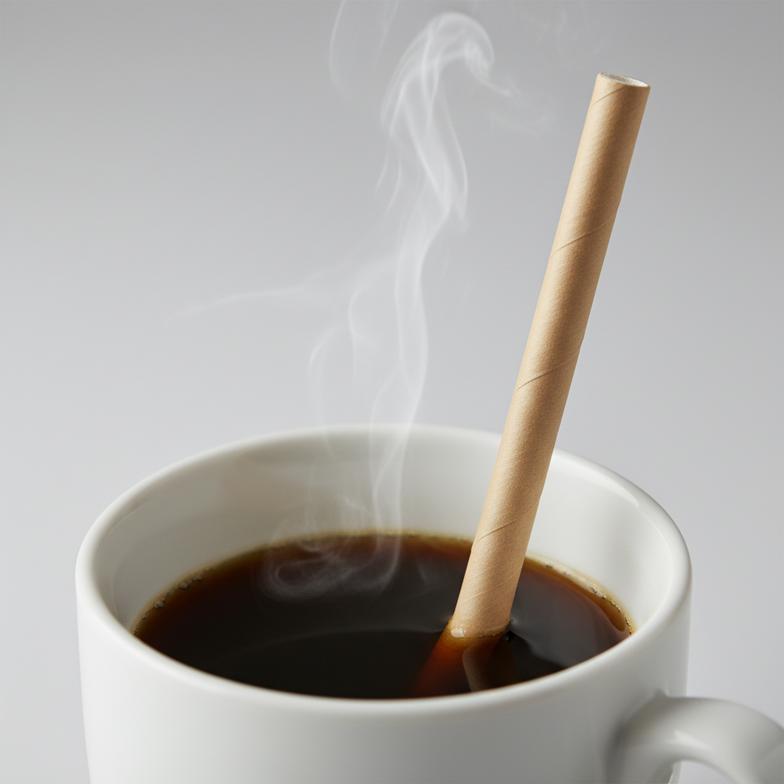
Think of it like this: paper is made of wood fibers pressed together. When you introduce heat and water, those fibers naturally want to loosen and separate. The glue is the hero holding everything in place, but it has its limits.
A common mistake we see buyers make is testing straw samples in a cup of cold tap water. They’ll leave it for hours, be impressed by its durability, and place a huge order. A few weeks later, we get a call. "These straws are falling apart in our lattes!" The problem wasn’t the straw’s quality, but the test’s validity. Cold water is the easiest possible test for paper straw performance; hot coffee is one of the hardest.
When you serve hot beverages, you need a straw that is specifically engineered for higher temperatures. Here’s what to look for from a manufacturing perspective:
Here is a simple comparison:
| Feature | Standard Straw (for Cold Drinks) | Premium Straw (for Hot Drinks) |
|---|---|---|
| Plies | 3-ply | 4-ply |
| Paper | 120gsm | 120gsm + 135gsm |
| Glue | Standard Food-Grade | Heat-Resistant Food-Grade |
| Best For | Iced coffee, water, juice | Hot coffee, tea, hot chocolate |
Choosing the right straw for your hot drinks is a critical business decision. The small extra cost for a premium, heat-resistant straw is an investment in customer satisfaction and brand protection.
Have you ever put a paper straw in a glass of orange juice or a fizzy soda, only to see it get soft and flimsy in minutes? You’re not imagining it. Acidity is a silent killer for many standard paper straws, and it’s a major factor in paper straw performance.
Acidic beverages, like citrus juices and many sodas, create a chemical reaction that attacks and weakens both the paper’s cellulose fibers and the food-grade adhesive holding the straw together. This leads to much faster disintegration and structural failure than you’d see in a neutral liquid like water.
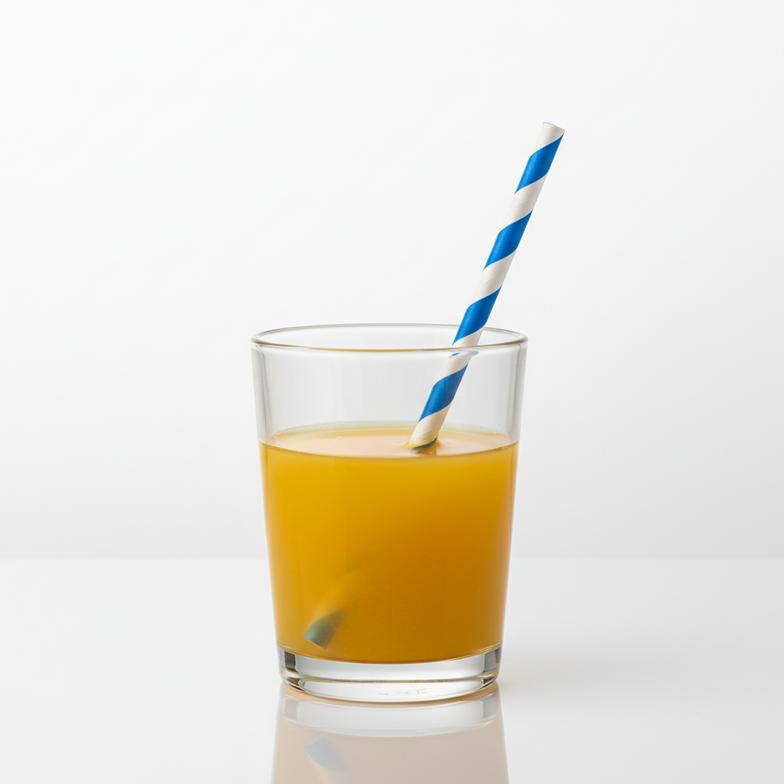
I remember a consultation with a procurement manager for a large chain of juice bars. They were frustrated because the straws they had sourced worked perfectly for their bottled water and alkaline green drinks but were a complete failure in their signature orange and pineapple juices. Their customers were complaining, and they were wasting inventory.
This is a classic case of mismatching the product to the application. The pH scale, which measures acidity, is key here. Water has a neutral pH of around 7. Many fruit juices and sodas, however, have a pH between 2.5 and 4—making them highly acidic. This acid actively works to break down the straw.
Dealing with acidity requires a specific approach to straw manufacturing. It’s not just about making the straw thicker; it’s about making it more chemically resistant.
When you’re evaluating suppliers, don’t just ask if their straws are "strong." Ask specifically about their performance in acidic conditions. A good supplier should be able to tell you which of their products is best suited for a menu heavy on juices and sodas and provide test data or case studies to back it up.
It’s easy to think that sogginess is only about the liquid itself. But with fizzy drinks, there’s another force at play: carbonation. The bubbles in soda don’t just provide a pleasant fizz; they actively work against the integrity of a paper straw.
Yes, carbonation can absolutely weaken a paper straw. The constant fizzing creates physical agitation against the inner walls, while the carbonic acid present in all carbonated drinks chemically attacks the paper and glue. This dual-action assault accelerates softening and can cause the straw to collapse.
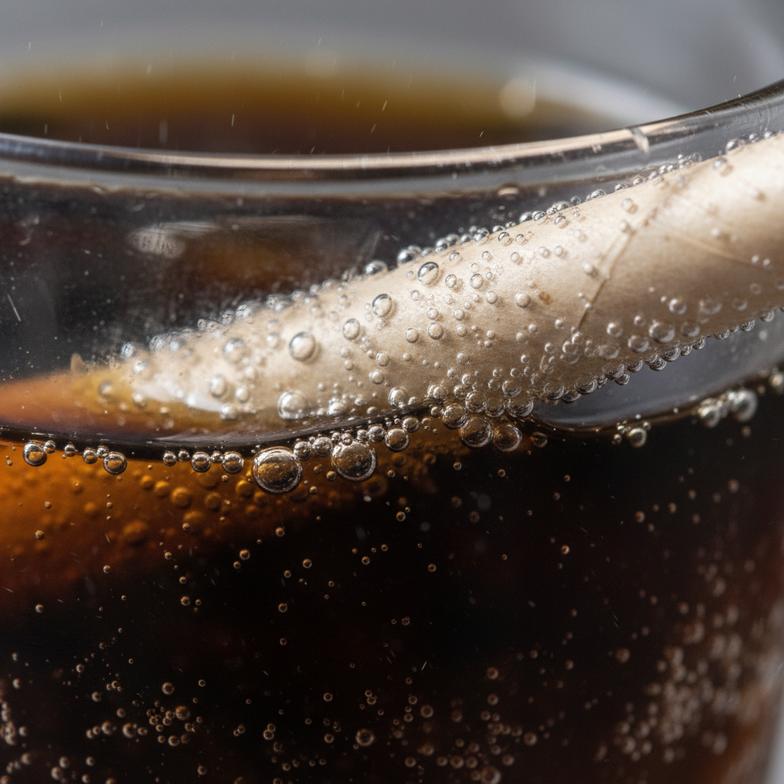
Think about the dynamics inside the straw. First, you have the chemical attack. Carbonated water creates carbonic acid, which lowers the beverage’s pH, bringing us back to the acidity problem we just discussed. Many sodas also contain other acids like phosphoric acid or citric acid, making them a challenging environment for any paper product.
Second, you have the physical attack. The continuous release of tiny CO2 bubbles creates a gentle but constant agitation—a micro-scrubbing action—on the inside of the straw. This can dislodge softened paper fibers and create pathways for the liquid to penetrate deeper and faster.
We work with many clients in the fast-food and cinema industries where fountain sodas are a core part of the business. For them, paper straw performance in carbonated drinks is a non-negotiable requirement. The straw has to last through a 30-minute commute or a 2-hour movie, not just the first five sips.
To combat this dual-action attack, straws need to be built for resilience.
The next time you test a straw, don’t just use water. Grab a can of the fizziest, most acidic soda on your menu. That’s the real-world test that will tell you if a straw is right for your business.
So, the marketing brochure says a straw "lasts for hours" and is "super strong." How do you cut through the hype and find out if it will actually work for your business and your drinks? It’s all about asking the right questions.
Instead of asking "Is your straw good?", you should ask specific, application-based questions. Ask "How does this straw perform in hot coffee at 80°C for 30 minutes?" or "Can you show me test results for this straw in a beverage with a pH of 3.5?". This forces a technical, evidence-based conversation.

As a manufacturer, we welcome these kinds of detailed questions. It shows that the buyer is serious and understands that context matters. Shifting your questioning from general to specific is the single best thing you can do to improve your procurement process.
Here is a checklist of questions you should have ready when speaking with a potential paper straw supplier.
Making a decision based on this kind of detailed evaluation, rather than just unit price, is the hallmark of a smart, long-term business strategy.
This completely depends on the drink. In cold water, a quality 3-ply straw should last for 3-4 hours without issue. In hot coffee (around 80°C), a high-performance 4-ply straw that remains firm for 30-60 minutes is considered excellent. Always match your expectation to the application.
For durability, yes, 4-ply straws are generally stronger and more resistant to heat and prolonged saturation. However, they are also more expensive. For drinks like water, iced tea, or milk, a quality 3-ply straw is often perfectly sufficient and more cost-effective. Use 4-ply for challenging drinks like hot coffee, sodas, and smoothies.
It shouldn’t, as long as the manufacturer uses certified food-grade ink. The ink should be completely safe for contact with food and should not bleed, fade, or affect the taste of the drink. Always ask your supplier to verify that their inks are food-safe and FDA-compliant.
FSC (Forest Stewardship Council) certification means the paper used to make the straw comes from forests that are responsibly managed, socially beneficial, environmentally conscious, and economically viable. While it doesn’t directly measure the straw’s durability, it is a crucial indicator of the supplier’s commitment to sustainability.
The key to successfully using paper straws in your business isn’t about finding one magical, indestructible straw. It’s about adopting a smarter procurement strategy. True paper straw performance is a function of the right product in the right context. By understanding the impact of temperature, acidity, and carbonation, you can move beyond generic marketing claims and start making evidence-based decisions. Analyze your menu, identify your most challenging beverages, and ask suppliers specific, technical questions. Most importantly, test the samples yourself in real-world conditions. This approach will not only prevent customer complaints but also protect your brand’s reputation and ensure a smooth, successful transition to sustainable alternatives.
If you’re looking to find the right paper straw for your specific business needs, our team at RainbowBear has over a decade of experience helping clients make the right choice. Contact us today for a consultation and to request samples tailored to your menu.