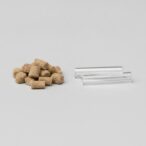
Struggling with the growing mountain of single-use plastic from your alcohol testing program? As environmental regulations tighten and public pressure mounts[1], organizations are searching for sustainable alternatives, but the transition feels fraught with risks. A switch to paper mouthpiece tubes offers a compelling solution, but only if it’s handled as a strategic procurement decision, not just a simple material swap.
Yes, paper mouthpiece tubes can significantly reduce plastic waste in alcohol testing programs while maintaining stringent hygiene and performance standards. The key is to select products made from certified, high-quality materials—like FSC-certified paper and FDA-compliant[2] glue—and to partner with a reliable supplier who can guarantee consistent quality and supply.

Making this switch is about more than just being "eco-friendly." It’s an opportunity to improve operational resilience, ensure compliance, and demonstrate corporate responsibility. However, to realize these benefits, you must understand the critical differences between various paper products and suppliers. Let’s dive into the details you need to make an informed decision.
You’re ready to ditch plastic, but the last thing you want is to introduce new health or compliance risks into your testing procedures. How can you be sure a paper alternative meets the necessary standards for safety and hygiene, especially in a high-stakes environment like law enforcement or workplace safety?
The short answer is no, not all paper mouthpieces are created equal. Their safety and hygiene depend entirely on the raw materials used in their construction and whether they are individually wrapped. Verifying certifications for the paper, glue, and any inks is a non-negotiable step in the procurement process.
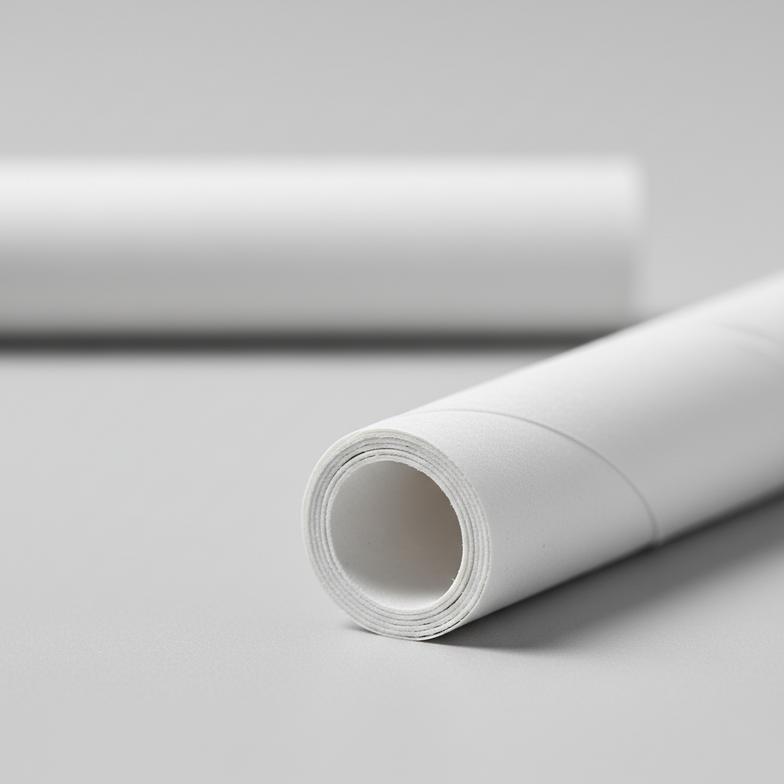
When evaluating paper mouthpiece tubes, procurement managers often ask us about durability and safety. The conversation must go beyond the surface level of "paper vs. plastic." The real determining factors for performance and compliance lie in the specific materials and manufacturing processes.
A paper tube is only as safe as the components it’s made from. A common oversight we see is focusing only on the price per unit while ignoring the sourcing and composition of the materials. Here’s what to look for:
For any professional alcohol testing program, hygiene is paramount. Loose, bulk-packed mouthpieces are a significant source of risk for cross-contamination.
You’ve identified the right product specifications, but your program’s success now hinges on the supplier. A cheap product from an unreliable source can lead to stockouts, quality failures, and major operational disruptions. How do you vet a partner to ensure they can be a long-term, stable part of your supply chain?
To properly evaluate a supplier, you must look beyond the price sheet. A trustworthy partner for paper mouthpiece tubes will be transparent about their manufacturing processes, provide verifiable certifications on demand, and demonstrate a clear understanding of your program’s unique requirements.

In my years of helping organizations transition to paper-based products, I’ve seen firsthand how a weak supply chain can undermine the entire initiative. A reliable supply of mouthpieces is not a logistical detail; it is the product. If you can’t get high-quality tubes when you need them, your testing program grinds to a halt.
A low initial price can be deceptive. The true cost of a mouthpiece includes factors beyond the unit cost:
A slightly higher price from a vetted, reliable manufacturer is an investment in operational continuity and risk mitigation.
Treat this as a partnership interview. Here are the essential questions to ask:
Here is a simple comparison table we use to help clients frame their decision:
| Feature | Low-Cost Supplier | Value-Driven Partner |
|---|---|---|
| Pricing | Lowest unit price | Competitive, focuses on total value |
| Certifications | Vague claims, no documents | Provides verifiable FSC, FDA, ISO docs |
| Quality Control | Minimal or non-existent | Multi-point QC process documented |
| Transparency | Opaque about materials/process | Open factory tours, clear communication |
| Supply Stability | Unpredictable, risk of stockouts | Proven capacity, reliable lead times |
| Support | Transactional, hard to reach | Consultative, helps solve problems |
You understand the need for quality materials and a reliable supplier, but now you face another choice: which specific type of mouthpiece is best? Choosing a product that is over-engineered for your needs can waste money, while an under-engineered one can cause tests to fail.
The right paper mouthpiece tube depends entirely on your operational context. A high-stakes roadside sobriety test has fundamentally different durability and hygiene requirements than a routine, voluntary workplace screening. The key is to match the product’s specifications to the application’s risks and demands.
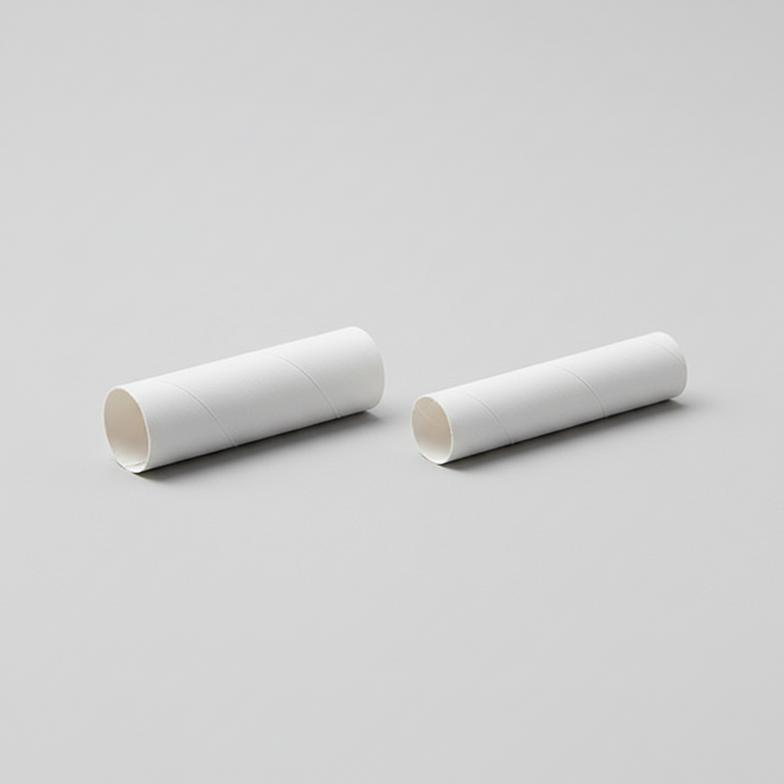
As a solution provider, we guide clients through a needs analysis before recommending a product. There is no "one-size-fits-all" paper mouthpiece. The decision should be driven by the specific use case. Let’s break down the most common scenarios.
This is the most demanding application. The integrity of the test result can have significant legal consequences.
For this segment, procurement should prioritize performance and reliability above all else. The cost of a failed test far exceeds any savings from a cheaper mouthpiece.
This category includes pre-employment, random, and post-incident testing in sectors like logistics, manufacturing, and construction. The stakes are high, but the legal framework can be different from criminal enforcement.
The ideal product here is a professional-grade tube that balances robust construction with efficient, large-scale production to keep costs manageable.
High-quality paper mouthpiece tubes are specifically designed to resist moisture for the duration of a breath test. They are typically made from multiple plies of dense, virgin kraft paper, which provides structural integrity and prevents them from getting soggy or collapsing under normal use.
No, they are not universal. The diameter and length of the mouthpiece must precisely match the intake port of your specific breathalyzer model to ensure an airtight seal for accurate readings. Always confirm compatibility with the equipment manufacturer or your mouthpiece supplier before purchasing.
The initial unit cost may be comparable to or slightly higher than some plastic alternatives. However, the total value is often greater when you factor in compliance with plastic bans[11], reduced environmental disposal fees, improved public and corporate image, and the mitigation of risks associated with poor-quality products.
Ask the supplier for a copy of the certificate (e.g., FSC, FDA compliance letter). The document should contain a certificate number and the name of the issuing body. For many certifications like FSC, you can verify the number and the supplier’s status on the issuing organization’s public online database.
Switching to paper mouthpiece tubes is a powerful way for your organization to reduce plastic waste, align with environmental goals, and enhance your testing program’s integrity. However, a successful transition requires a thoughtful procurement strategy. It’s not about simply buying a "paper tube"; it’s about investing in a solution. Focus on verifying the safety of the raw materials through certifications like FSC and FDA, demand individual wrapping for hygiene, and thoroughly vet your supplier’s manufacturing capabilities and quality control. By matching the product specifications to your specific use case—whether for stringent law enforcement or large-scale workplace screening—you can ensure a reliable, compliant, and sustainable program for years to come.
If your organization is considering this important switch, our team has the factory experience to guide you. We can help you navigate material specifications, quality standards, and supply chain logistics. Contact us today to discuss your program’s needs and request samples for evaluation.