Tired of hearing that your eco-friendly paper straws get soggy? You made the switch to be more sustainable, but now customer complaints about flimsy straws in your signature lemonade or iced sodas are giving you a headache. This isn’t just about a soggy straw; it’s about negative reviews and a customer experience[1] that doesn’t live up to your brand’s standards. The solution is understanding that not all paper straws are created equal, especially when it comes to challenging drinks.
Choosing the right paper straws for acidic, carbonated, and iced beverages means specifying a solution, not just buying a commodity. The key is to match the straw’s construction—specifically the paper weight (GSM), number of paper layers (plies), winding tension, and glue formulation—to the unique demands of your drinks. A standard straw might fail in lemonade, while a properly engineered one will provide a great customer experience.
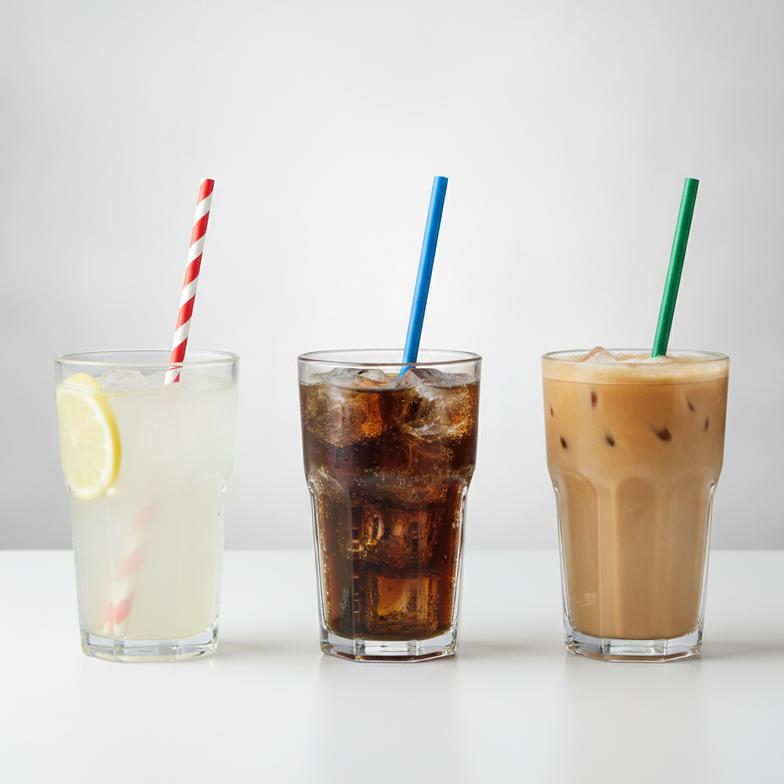
Now that you have the short answer, you can see this isn’t a simple “good” or “bad” issue. It’s a technical challenge. Let’s break down exactly what you need to look for to ensure your straws hold up, protecting both your customer’s satisfaction and your brand’s reputation.
You’ve perfected your fresh-squeezed lemonade, but it has a reputation for destroying paper straws in minutes. A customer enjoying a premium, craft beverage doesn’t want the experience ruined by a flimsy, unravelling straw. The answer isn’t to change your recipe; it’s to specify a straw built to handle the acid.
For acidic drinks, you need a straw with a robust structure. This comes from using higher-grammage paper (thicker paper) and, most importantly, a specialized, acid-resistant food-grade glue. This combination prevents the paper fibers from separating and unravelling when exposed to low-pH liquids.
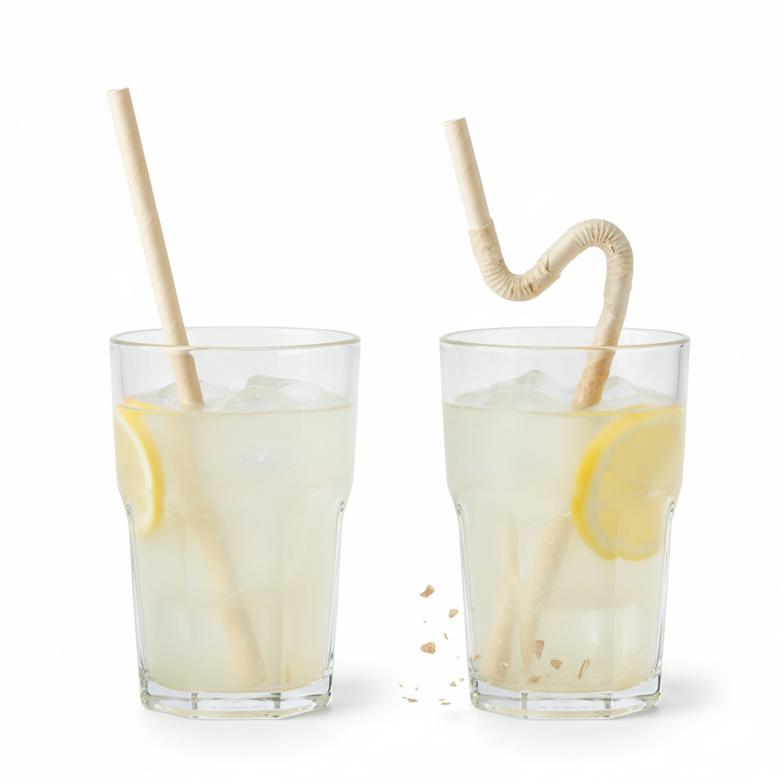
From our experience on the factory floor, we know that acid is one of the toughest enemies of a paper straw. Beverages like lemonade, orange juice, and many sodas have a pH between 2.5 and 4.0[2]. This acidity attacks the two core components of the straw: the paper and the glue[3]. It’s a one-two punch that weaker straws simply can’t handle.
First, let’s talk about the paper itself. We use paper measured in grams per square meter (GSM). A typical, low-cost straw might use 60 GSM paper[4]. For acidic drinks, we often recommend starting with 100 GSM or even 120 GSM paper. This heavier paper provides a stronger physical barrier, absorbing liquid more slowly. Combining this with a 4-ply construction (four layers of paper) instead of the standard 3-ply creates a much denser and more durable wall.
Here’s a secret from inside the industry: the glue is more critical than the paper when it comes to acid. Standard food-grade glue is designed to be safe for consumption, but it’s not always designed to hold its bond in a low-pH environment[5]. Acid can chemically soften the glue, causing the tightly wound paper layers to delaminate and unravel. You’ve seen it before—the straw looks like a peeled-off spiral.
At our facility, we use a specific glue formulation that has been tested to maintain its adhesive properties for hours in acidic conditions. When a cafe chain asks us for a straw for their citrus smoothies, we don’t just give them a “stronger” straw; we give them one made with the right materials, including this acid-resistant glue.
Instead of asking, “Are your straws good?” you need to ask more specific questions. Turn the conversation from a price negotiation into a technical consultation. Try asking:
A professional supplier should be able to answer these questions confidently. They should have the data and be eager to prove their product’s performance.
You’ve noticed that straws in sodas seem to fail even faster than in other drinks. The constant fizz seems to eat away at the paper, and the condensation from ice weakens it from the outside. A straw that collapses mid-sip is a recipe for a customer complaint and a sticky mess. To win this battle, you need a straw with superior structural integrity.
The best paper straws for acidic, carbonated and iced beverages rely on high winding tension and multiple plies. The carbonation bubbles physically attack the straw’s surface, so a denser, more tightly wound 4-ply or 5-ply straw provides the necessary rigidity to resist this effect and the weakening from condensation.
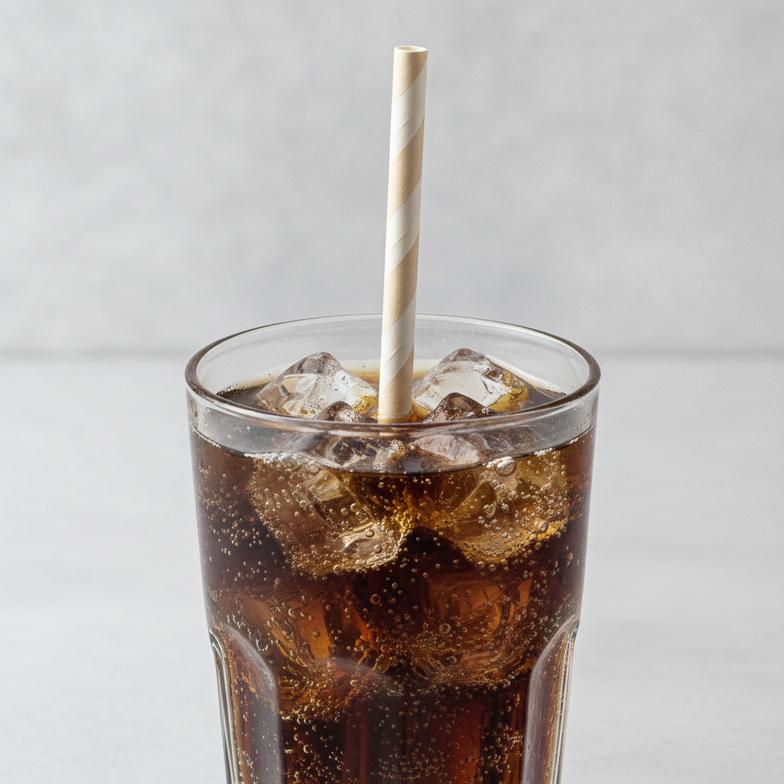
When we analyze straw failure in carbonated drinks, it’s a fascinating physics problem. It’s not just about getting soggy; it’s about physical degradation from two fronts: the fizz inside and the condensation outside.
Carbonation is simply dissolved carbon dioxide (CO2) gas. When you put a straw into a soda, the tiny imperfections on the straw’s surface act as nucleation points)[6], where the CO2 gas forms bubbles. You can see this as a stream of fizz rising from the straw. This constant bubbling is like a micro-sandblaster, physically agitating and weakening the paper fibers.
This is where a multi-ply construction becomes non-negotiable.
On our production lines, we can adjust the tension of the machine that winds the paper strips into a straw. A higher winding tension creates a denser, more compact straw wall. This has two key benefits: 1. It reduces permeability[7]: The liquid takes longer to soak through the layers. 2. It creates a smoother surface: A smoother inner and outer surface provides fewer nucleation points for bubbles to form[8].
This is a manufacturing detail you can’t see just by looking at a straw, but you can absolutely feel the difference after it has been sitting in a glass of cola for an hour. It’s a key part of what separates a premium, engineered straw from a basic commodity product.
A customer tries to stir the ice in their drink, and the straw bends in half. Another tries to pierce the lid of their bubble tea, and the straw just collapses. These immediate failures are incredibly frustrating for customers and can even lead to spills. This isn’t a sogginess problem; it’s a problem of pure physical strength.
For thick milkshakes, smoothies, and iced drinks, the solution is a straw with high “column strength[9]” and puncture resistance. This is achieved by combining a wider diameter (e.g., 8mm or 10mm), thick walls from multiple plies or heavier paper, and in some cases, a diagonally cut tip for piercing.
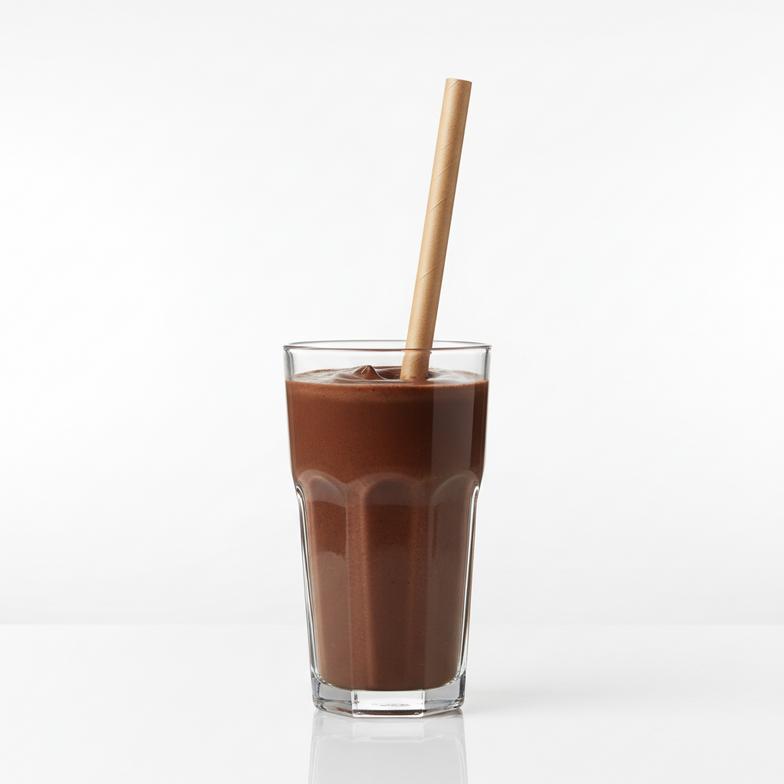
When a procurement manager from a quick-service restaurant chain comes to me with this problem, we shift the conversation from sogginess to engineering. We talk about force, torque, and suction—the real-world physics the straw has to endure.
In engineering, “column strength” refers to a structure’s ability to resist compression force without buckling. For a straw, this means:
The easiest way to increase column strength is by increasing the diameter and wall thickness. Think of it like a pillar holding up a roof—a thicker pillar can support more weight.
| Straw Diameter | Common Application | Key Strength Benefit |
|---|---|---|
| 6mm | Water, Juice, Soda | Standard, good for thin liquids. |
| 8mm | Iced Coffee, Smoothies | Good balance of strength and flow. |
| 10mm-12mm | Milkshakes, Bubble Tea | Maximum column strength and flow rate. |
Pairing an 8mm or 10mm diameter with a 4-ply construction creates a straw that feels incredibly solid and reliable in the customer’s hand.
Bubble tea presents the ultimate test for a paper straw. It needs to do two things perfectly: 1. Puncture the Lid: The straw must be strong enough to cleanly pierce the sealed plastic or paper film without crumpling. For this, we often recommend a straw with a diagonally cut (sharpened) tip. 2. Allow Tapioca Pearls to Pass: It requires a wide diameter, typically 12mm[10], to ensure the pearls don’t get stuck.
A common request we get is for a bubble tea straw that doesn’t fail. Our solution is almost always a 12mm diameter, 4-ply straw made with 120 GSM paper and a sharp, angled tip. It’s a highly engineered product for a very specific, demanding application. It costs more than a standard 6mm straw, but it guarantees the customer has a good experience.
They are an interconnected system. High-quality paper can’t save a straw if the glue fails in an acidic drink, and the best glue in the world can’t make a thin, 2-ply straw feel strong. For the best performance, you need high-grammage paper combined with a glue formulation that is specifically designed for the application (e.g., acid resistance).
Not necessarily. It’s about matching the tool to the job. For a simple glass of water, a 3-ply straw is perfectly adequate and more cost-effective. But for challenging paper straws for acidic, carbonated and iced beverages, the extra layer in a 4-ply straw provides a significant, measurable improvement in durability and customer experience.
Replicate your most difficult real-world scenario. Don’t just put it in water. Use your signature iced lemonade, your fizziest cola, or your thickest milkshake. Set a timer for the average time a customer takes to finish their drink (e.g., 30-45 minutes). After that time, check the straw. Is it still rigid? Can you stir with it? Does it feel flimsy? This practical test is worth more than any spec sheet.
If they are made correctly, no. In a high-quality straw, the food-safe ink is printed on one of the middle layers[11] or is sealed by the outer wrap. The ink should never come into contact with the drink or the user’s mouth. If you notice a patterned straw bleeding color or feeling weaker than a plain one, it’s likely a sign of poor manufacturing quality overall.
Choosing the right paper straws for acidic, carbonated and iced beverages is a critical decision that impacts your brand far more than the small unit cost of the straw itself. Moving beyond generic “strong” straws and specifying a solution for your menu is key. By considering the system of paper weight, ply count, winding tension, and specialized glue, you can turn a point of customer complaints into a seamless part of a great experience. Don’t let a poorly chosen straw undermine the quality of your drinks and the reputation you’ve worked so hard to build.
If you’re ready to find a paper straw solution that truly performs, our team at PaperStrawTech is here to help. With our real-world factory experience, we can analyze your needs and recommend the exact straw construction to match your menu. Contact us today for a consultation or to request targeted samples for your own testing.