
Tired of trying to source sustainable paper straws, only to be met with vague, confusing marketing terms? You’re not alone. Choosing a supplier based on empty buzzwords like “eco-friendly” can lead to customer complaints about soggy, smelly straws, ultimately damaging your brand’s reputation[1]. The key is to learn how to spot these misleading green claims on paper straw packaging and demand verifiable proof of quality instead.
To avoid misleading green claims on paper straw packaging, you must ignore vague terms like “100% green” or “eco-friendly” and instead demand specific, verifiable evidence from suppliers. The most critical documents to request are a valid FSC Chain of Custody certificate for the paper and food-contact safety compliance reports for the glue and ink. This approach shifts the focus from marketing buzzwords to the actual safety, quality, and performance of the straw.

Now that you know the secret—focusing on proof, not promises—let’s dive into the specifics. I’ll walk you through the exact red flags to watch for and the powerful questions you can ask to ensure you’re sourcing a product that protects both your customers and your brand.
You see the word “biodegradable” on a box of paper straws and think you’ve found a winner. But this popular term, when used by itself, can often be a cover for poor quality. It says nothing about whether the straw will survive in a customer’s drink.
The term “biodegradable” is a red flag on its own because it lacks specific context. Almost everything, including some plastics, will biodegrade over hundreds of years[2]. A meaningful sustainability claim must specify the conditions (e.g., industrial composting) and timeframe, ideally backed by a recognized third-party certification.
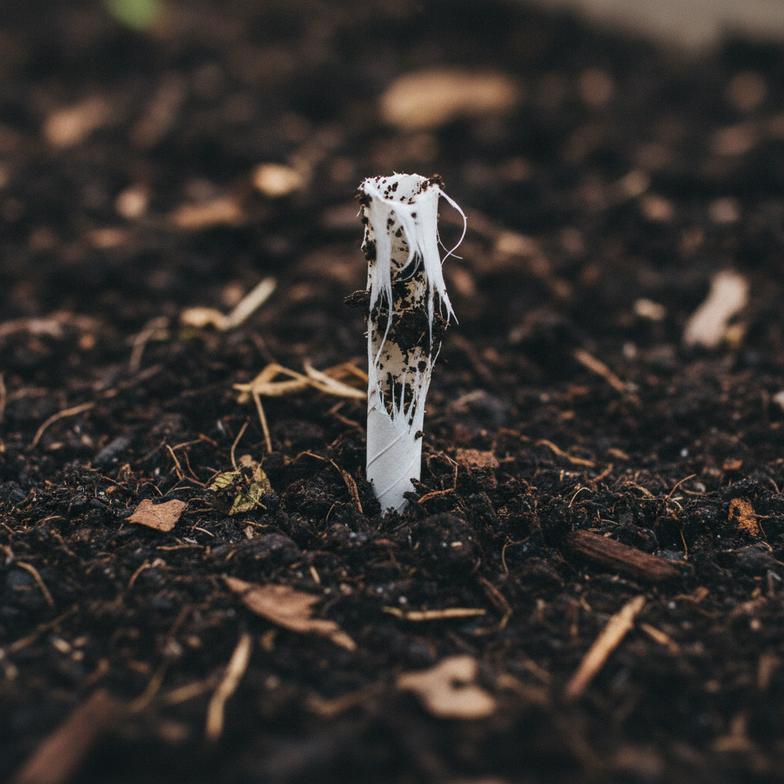
In my role, I talk to a lot of buyers who have been burned by suppliers using fuzzy language. They chose a “biodegradable” straw that fell apart in minutes, leading to a flood of negative reviews. The problem is that the term itself doesn’t guarantee performance or true environmental benefit.
Let’s get specific. Here’s a breakdown of what to look for instead:
So, the next time you see “biodegradable,” your follow-up question should be: “Under what conditions and timeframe does it biodegrade, and can you provide the third-party certification to prove it?” This single question helps you cut through the noise and identify serious, professional partners.
You’ve checked the paper quality and feel confident. But then, complaints start trickling in about a strange chemical taste or straws unraveling at the seam. What went wrong? The issue often lies with the components you can’t easily see: the glue and the ink.
The hidden risks in a paper straw’s glue and ink are significant. Low-quality, non-compliant adhesives can fail under moisture, causing the straw to become soggy and unravel. Worse, they can contain chemicals that leach into the beverage, creating unpleasant odors, bad tastes, and potential food safety issues for your customers[5].
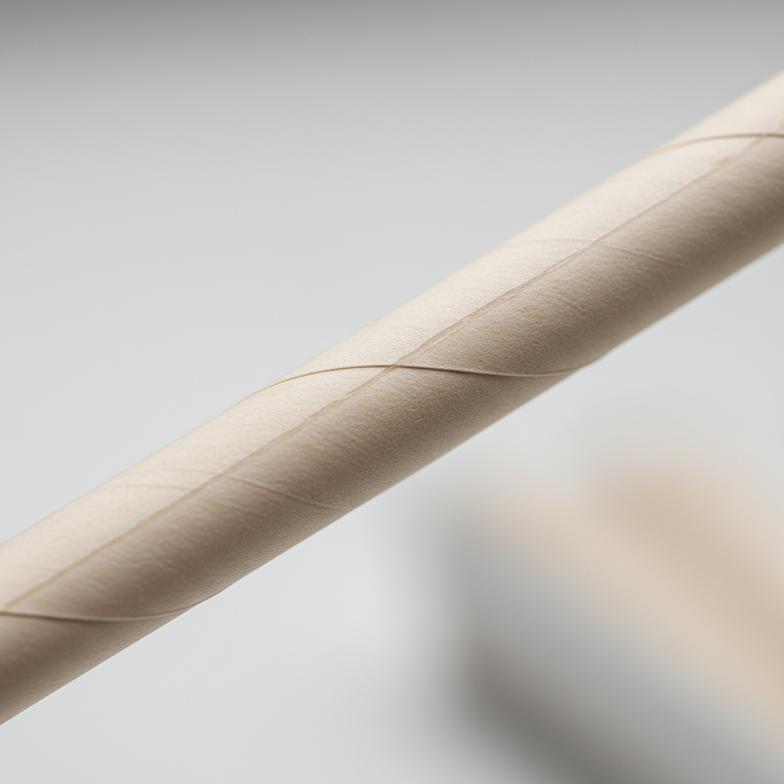
A common complaint we hear from businesses switching to PaperStrawTech is that their previous straws had a “weird paper taste” or a “chemical smell.” In 9 out of 10 cases, this isn’t the paper—it’s the glue. The quality of these binding and printing agents is non-negotiable for any brand that cares about its reputation.
The glue is the backbone of a paper straw. It’s what holds the spirally wound paper layers together.
Instead of asking, “Is the straw safe?” you should ask, “Can you provide the food-contact safety report for the adhesive used in these straws?” A hesitant or negative answer is a deal-breaker.
For branded or patterned straws, the ink is another potential point of failure. Just like the glue, the ink must be food-grade and proven safe for contact with beverages. Low-quality inks can bleed color or leach chemicals, especially in acidic drinks like soda or juice[7].
When we develop a custom-printed straw for a client, the ink’s compliance is just as important as the paper’s certification. We ensure all materials, visible and hidden, meet stringent safety standards. A supplier who can’t provide documentation for their ink is cutting corners, and that’s a risk you can’t afford to take.
With all the different claims and technical details, you might be looking for one simple thing to help you vet suppliers. It’s overwhelming, I get it. But focusing on one globally recognized certification—FSC—can instantly tell you a lot about a manufacturer’s professionalism and the quality of their product.
FSC (Forest Stewardship Council) certification verifies that the paper used in a product comes from responsibly managed forests[8]. For a buyer trying to avoid misleading green claims on paper straw packaging, asking for an FSC certificate is a powerful move. It signals a disciplined, transparent supply chain, which almost always correlates with higher-quality raw materials and a more durable, reliable final product.
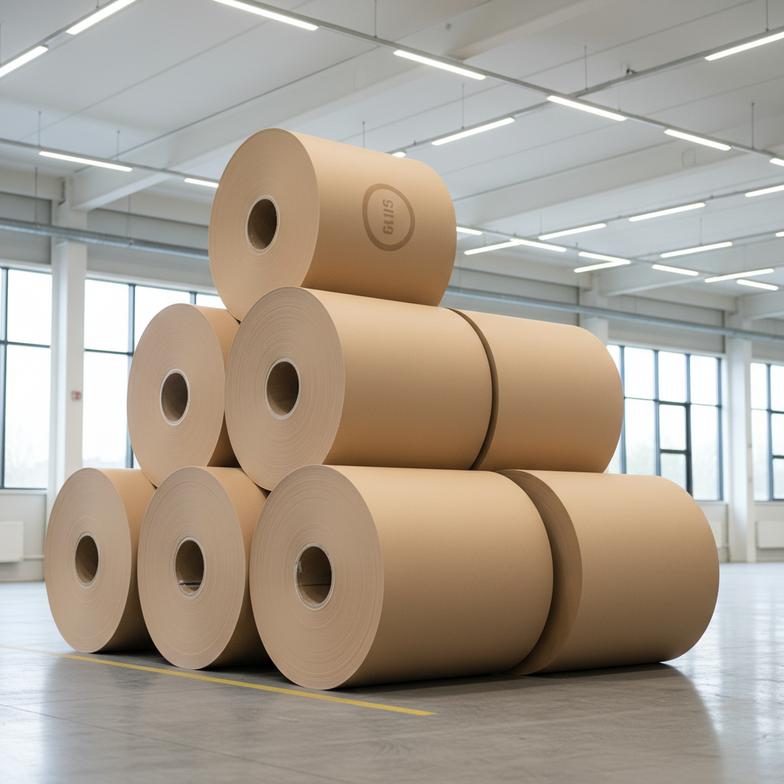
An FSC logo on a sales sheet is not enough. You need to know how to verify it and what it implies about the supplier’s entire operation. In my experience, suppliers who properly maintain their FSC certification are simply more professional and reliable partners.
When a supplier claims their straws are “FSC certified,” they should be referring to their FSC Chain of Custody (CoC) certificate[9]. This is the system that tracks the certified material from the forest, through the paper mill, to our factory, and finally into the straw you buy. It’s an unbroken chain of evidence. Without a CoC certificate, a supplier can’t legally or truthfully apply the FSC label to their products.
This is the most practical tip I can give you. Don’t just take their word for it—verify it yourself.
1. Ask the supplier for their FSC certificate code. It will look something like `FSC-CXXXXXX`. 2. Go to the official FSC public database: `info.fsc.org`[10]. 3. Enter the code into the search bar. 4. The search result should show the company’s name, the certificate’s validity, and critically, the product types they are certified to sell (e.g., “paper straws”).
If they can’t provide a code, or if the code is invalid or doesn’t cover paper straws, you’ve just uncovered a major red flag without having to test a single sample.
Here’s a quick table comparing what this one certificate can tell you about a potential supplier:
| Feature | Supplier with Verifiable FSC Certificate | Supplier without FSC Certificate |
|---|---|---|
| Paper Source | Verified from responsibly managed forests. | Unknown source; could be from controversial logging or low-quality pulp. |
| Supply Chain | Disciplined, documented, and traceable. | Opaque and inconsistent; high risk of material variation between batches. |
| Operational Professionalism | Indicates investment in processes and compliance. | No indicator of professionalism; suggests a focus on cost over quality. |
| Brand Risk | Low. Protects your brand from association with deforestation. | High. Risk of negative PR if material source is exposed as unsustainable. |
Requesting and verifying an FSC certificate is one of the fastest ways to separate professional manufacturers from opportunistic traders who make misleading green claims on paper straw packaging.
Biodegradable simply means a material can be broken down by microorganisms over time, but it doesn’t specify how long or under what conditions. Compostable is more specific, meaning it will break down into natural elements in a managed composting environment within a certain timeframe, typically without leaving toxic residue.
Not automatically, but it is one of the strongest indicators of a professional operation and responsible material sourcing. An FSC-certified supplier is more likely to also use high-quality, food-safe glue and ink[11]. You should still request compliance documents for all components and test samples to confirm performance.
No, you shouldn’t. “Eco-friendly” is a vague marketing term, not an official standard, so there is no such certificate. Instead, ask for specific, internationally recognized certifications by name, such as an FSC Chain of Custody certificate for the paper or food-contact safety reports compliant with FDA or LFGB standards.
A well-made paper straw from a quality manufacturer should remain sturdy and functional for at least 3-4 hours in a cold beverage[12]. It’s important to have realistic expectations—they are not plastic. However, they should absolutely last long enough for a customer to comfortably finish their drink without it getting soggy or unraveling.
Navigating the world of sustainable sourcing can be tough, but it doesn’t have to be a game of chance. By moving beyond slick packaging and generic buzzwords, you can make smarter procurement decisions. The key is to stop asking if a product is “green” and start asking for the proof. Demand to see a valid FSC certificate, ask for food-contact safety reports for the glue and ink, and test the samples for real-world performance. By learning to identify and avoid misleading green claims on paper straw packaging, you not only secure a reliable, high-quality product but also protect your brand’s reputation and contribute to genuine sustainability.
If you are ready to partner with a transparent supplier who provides clear, verifiable documentation for every paper straw component, contact us. At PaperStrawTech, we’re here to help you find a dependable solution that works for your business and your customers.