
Sourcing paper straws seems straightforward until you hit the first big decision: the wrapping. You’re looking at the numbers, and the choice between paper-wrapped vs plastic-wrapped paper straws feels like a simple cost calculation. Plastic wrappers are often cheaper per unit[1], but you can’t shake the feeling that you might be missing something about regulations, brand image, and what your customers actually want. Making the right choice here is more than a line item on an invoice; it’s a strategic decision that will impact your business for years to come.
When comparing paper-wrapped vs plastic-wrapped paper straws, paper wrapping is the superior strategic choice for most businesses. While plastic wrap may have a lower upfront material cost, paper wrapping often delivers a lower total cost of ownership through higher operational efficiency, grants access to premium markets with plastic bans, and future-proofs your supply chain against tightening global regulations.
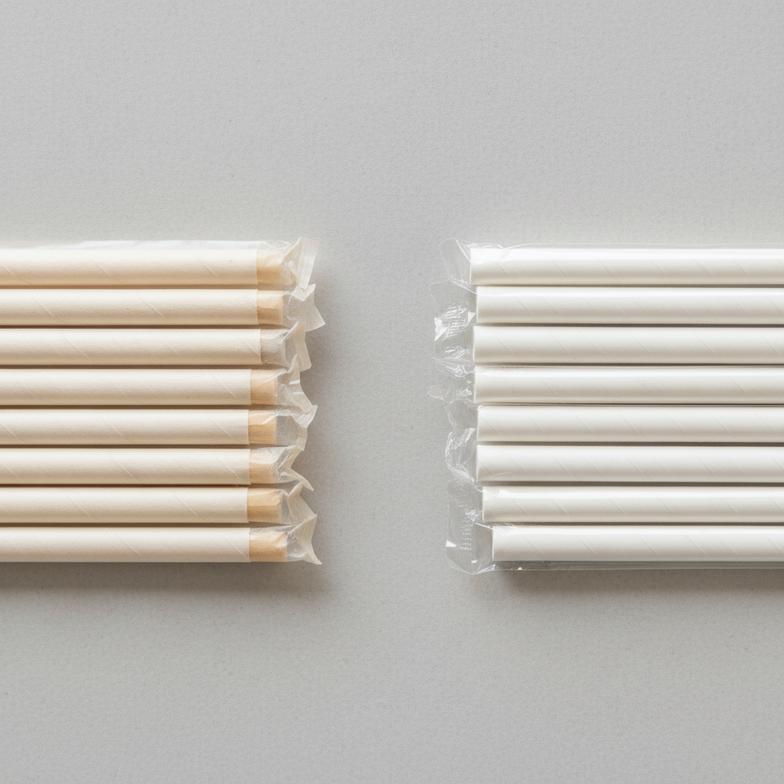
That might sound counterintuitive, especially if you’re focused on the price per thousand units. But in my decade of running paper straw production lines and advising businesses like yours, I’ve learned that the most obvious cost is rarely the most important one. Let’s break down the real factors you should be weighing.
It’s the first question every buyer asks. You look at two quotes, and the plastic-wrapped option almost always has a lower unit price. It feels like an easy win for your budget. But are you accounting for the hidden costs and operational factors that determine the true cost per straw?
The initial material cost is just one piece of the puzzle. The total cost is influenced by machine efficiency, maintenance, and long-term business risks. Focusing only on the wrapper’s price can lead to a decision that costs you more in the long run.
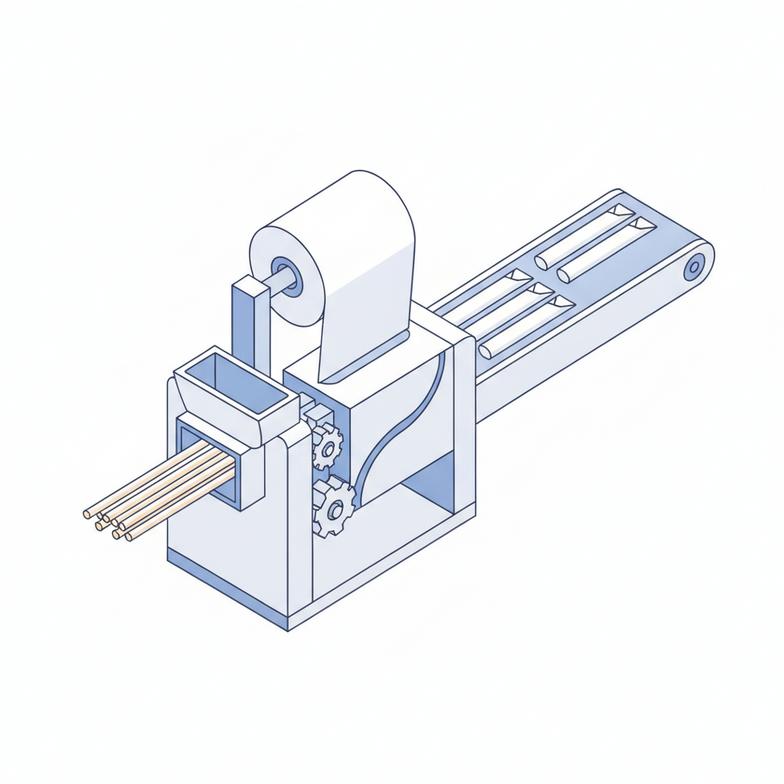
When we talk about cost, procurement managers are trained to think in terms of Total Cost of Ownership (TCO)[2], not just the purchase price. Here’s how paper-wrapped paper straws often win on TCO, based on what I’ve seen firsthand in our own factory.
Modern paper straw production lines are often designed as highly integrated systems. The machines that wrap straws in paper are typically newer, faster, and more reliable than the equipment used for plastic film.
In our factory, we run 10 production lines, and the difference is clear. Our paper wrapping machines consistently achieve higher uptime and can operate at faster speeds. What does this mean for you as a buyer or a potential manufacturer?
A client of ours who was setting up their own factory initially leaned toward plastic wrapping equipment to save on upfront costs. After we ran the numbers, we showed them that a modern paper wrapping line would produce 15-20% more finished straws per shift. The higher initial investment would pay for itself in under 18 months just from the increased output alone.
Let’s put this into a simple table. This is how I advise my clients to look at the decision.
| Factor | Plastic-Wrapped Paper Straws | Paper-Wrapped Paper Straws | Business Impact |
|---|---|---|---|
| Material Unit Cost | Lower | Higher | The most visible, but least strategic, metric. |
| Machine Efficiency | Variable, often lower on older models. | Consistently high with modern equipment. | Directly impacts the final cost-per-straw. |
| Regulatory Risk | High and increasing globally.[3] | Very low; aligned with future regulations. | High risk can lead to sudden, expensive supply chain changes. |
| Market Access | Restricted from plastic-free markets. | Unlocks premium retailers and regions. | Directly impacts your potential revenue and growth. |
| Brand Perception | Creates dissonance (eco-product in plastic). | Reinforces your sustainability message. | Affects customer loyalty and brand value. |
| True Long-Term Cost | Deceptively high | Strategically lower | The smart financial and strategic choice. |
When you look at the full picture, the “cheaper” plastic wrap suddenly looks like a very expensive liability.
There’s a common perception that a seamless plastic film provides the ultimate hygienic barrier. Business owners rightly worry that paper might not offer the same level of protection against moisture, dust, and contaminants during shipping and storage.
In reality, hygiene for any food-contact item is determined by the production process and environment, not the final wrapping material. Both food-grade paper and plastic offer excellent protection when they are part of a certified, hygienic manufacturing system.
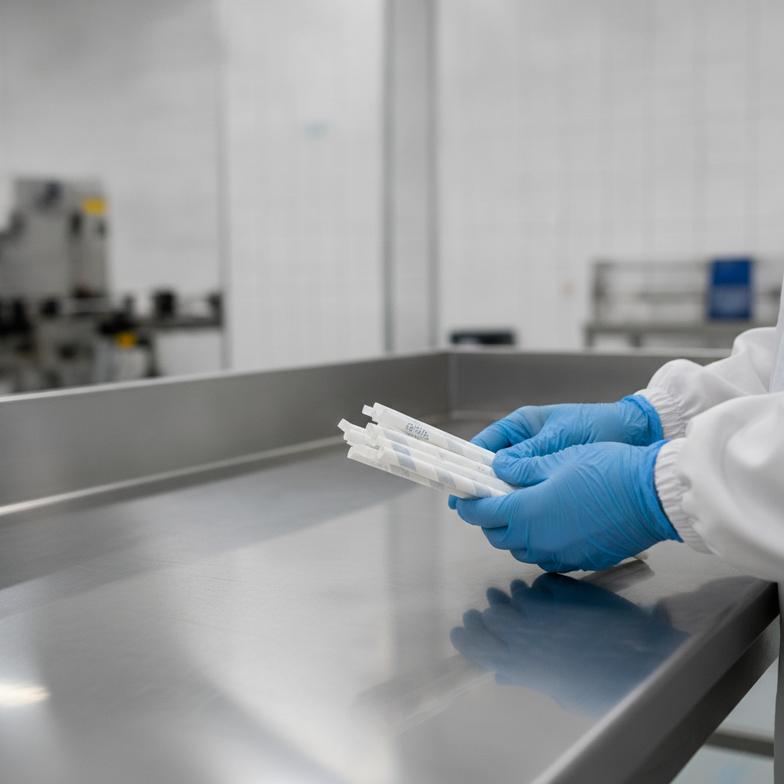
The idea that plastic is inherently “cleaner” is a myth that distracts from what truly matters. Let’s correct that, then talk about the more important factor: how your customer feels.
At our facility, every single straw, whether it ends up in a paper or plastic wrapper, is made and handled in the same way.
The wrapper’s job is to maintain that hygiene from our factory to the end-user’s drink. A properly sealed, food-grade paper wrapper made from quality paper stock (typically 28-40 gsm) is more than capable of protecting the straw. You should always ask your supplier for their food-contact safety certifications, as this is your true guarantee of hygiene.
Here’s where paper wrapping creates real business value. Imagine your customer. They’ve chosen a cafe or bought a product because it uses paper straws. They feel good about that choice.
Then, they are handed a straw wrapped in single-use plastic. This creates brand dissonance[4]. It sends a mixed message: “We care about the environment, but only up to a point.”
Now, imagine they receive a paper-wrapped straw.
I had a client who ran a large chain of quick-service restaurants. They switched from plastic-wrapped to paper-wrapped paper straws, and their marketing team loved it. They could print their logo and a “100% Plastic-Free” message right on the wrapper. It turned a simple utensil into a small piece of advertising that made customers feel better about their purchase.
You’re not just buying a product; you’re buying access to markets. Your choice of wrapper can either open doors or close them, and this is becoming more critical every year as sustainability shifts from a “nice-to-have” to a non-negotiable requirement.
Choosing a paper wrapper makes your product completely plastic-free. This isn’t just an environmental benefit; it’s a powerful business strategy that future-proofs your supply chain and qualifies you for entry into the most valuable and fastest-growing markets.
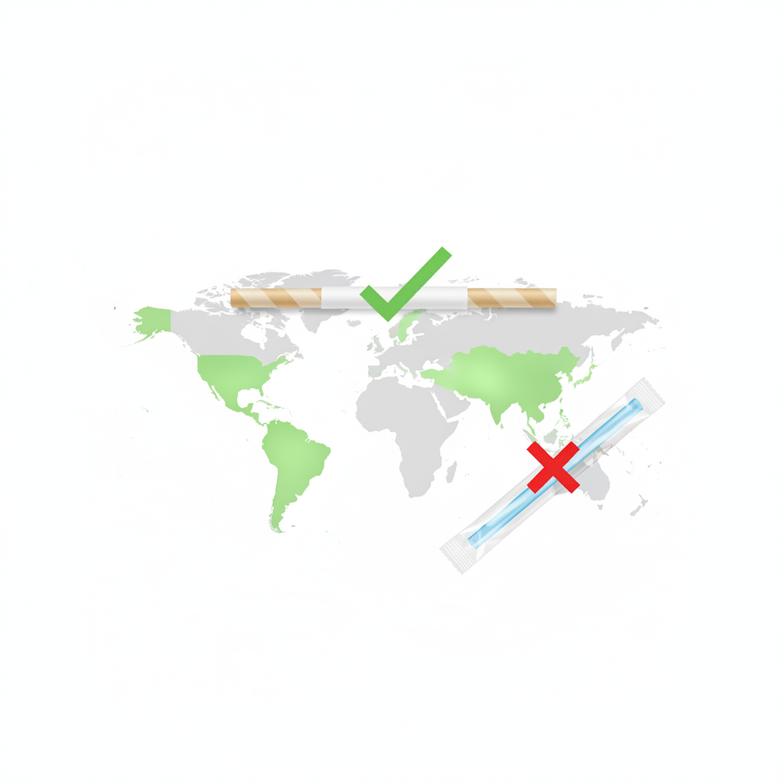
For a practical business owner, sustainability is measured in dollars and cents. It’s about risk mitigation and revenue generation. Here’s how paper-wrapped paper straws deliver on both.
The world is moving away from single-use plastics. The European Union, Canada, India, and numerous US states and cities have already implemented bans or heavy restrictions.[6] Choosing plastic-wrapped straws today is a short-term saving that invites massive long-term risk.
Think about the potential costs of sticking with plastic:
Choosing paper wrap is a form of insurance. It ensures your product remains viable and sellable, no matter how fast new regulations come into effect.
This is the most powerful benefit. A paper-wrapped paper straw isn’t just a product; it’s a passport that grants you entry to exclusive markets.
A few years ago, we were working with a distributor who wanted to supply a major Northern European supermarket chain. Their procurement team had a simple, non-negotiable rule: zero plastic in the product or its immediate packaging. Our fully paper-based solution was a perfect fit. The distributor won a massive contract, while their competitor, who offered a slightly cheaper plastic-wrapped alternative, was disqualified before they could even submit a full proposal.
This story repeats itself constantly.
By opting for paper-wrapped paper straws, you are not just making a sustainable choice; you are making a strategic decision to position your business for growth in these high-value channels.
Yes, custom printing is possible on both materials. However, printing on a paper wrapper often provides a more premium, natural, and matte finish that better aligns with an eco-conscious brand identity. It becomes a part of the sustainable message, rather than just a logo on a piece of plastic.
When you source from a quality manufacturer, they will use durable, food-grade wrapping paper (usually 28 gsm or higher). This paper is specifically engineered to resist ambient moisture and protect the straw inside during transport and storage, ensuring it reaches the customer in pristine, hygienic condition.
The wrapper’s primary role is hygiene and branding, not structural protection. The durability and crush-resistance of a straw come from the quality of the straw itself—the number of paper layers, the type of glue, and the manufacturing process. A well-made straw will be sturdy regardless of whether its wrapper is paper or plastic.
First, ask for FSC (Forest Stewardship Council) certification for the paper to ensure it comes from responsibly managed forests. Second, and most importantly, request documentation showing compliance with food-contact safety standards for all components—the paper, glue, and ink. Depending on your market, this could be FDA (for the US) or LFGB (for Germany/EU).
The debate over paper-wrapped vs plastic-wrapped paper straws is not really about which wrapper is cheaper to buy, but which one creates more long-term value and less risk for your business. While plastic wrap offers a small upfront saving, it’s a short-sighted choice that exposes you to regulatory risks, limits your market access, and sends a mixed message to your customers.
From my experience on the factory floor and in consulting with global buyers, the strategic decision is clear. High-quality paper-wrapped paper straws deliver a lower total cost of ownership through better production efficiency, act as a passport to valuable plastic-free markets, and align your brand perfectly with the future of sustainability. It’s an investment in resilience, growth, and customer trust.
If you are evaluating your paper straw supply chain and want to make a smart, future-proof decision, let’s talk. At PaperStrawTech, we can walk you through the real-world data from our own production lines and help you choose the solution that best fits your business goals.