
Choosing the right components for pyrotechnics can feel overwhelming, with every decision impacting performance, safety, and cost. Selecting the ideal firework paper tubes seems like a straightforward choice between a foil-wrapped or plain kraft finish. However, making this decision based on surface appearance alone can lead to production issues, reduced shelf life, and significant financial losses. The solution lies in a deeper understanding of the materials and manufacturing processes that truly define a tube’s quality.
The best choice between foil-wrapped and plain kraft firework paper tubes depends on your specific performance requirements and total cost analysis. Foil wrapping provides a superior moisture barrier critical for long shelf life and performance in humid conditions. However, the tube’s fundamental structural integrity—its crush strength and dimensional stability—is determined by the grade of the kraft paper and the quality of the adhesive used in its construction, not the foil itself.
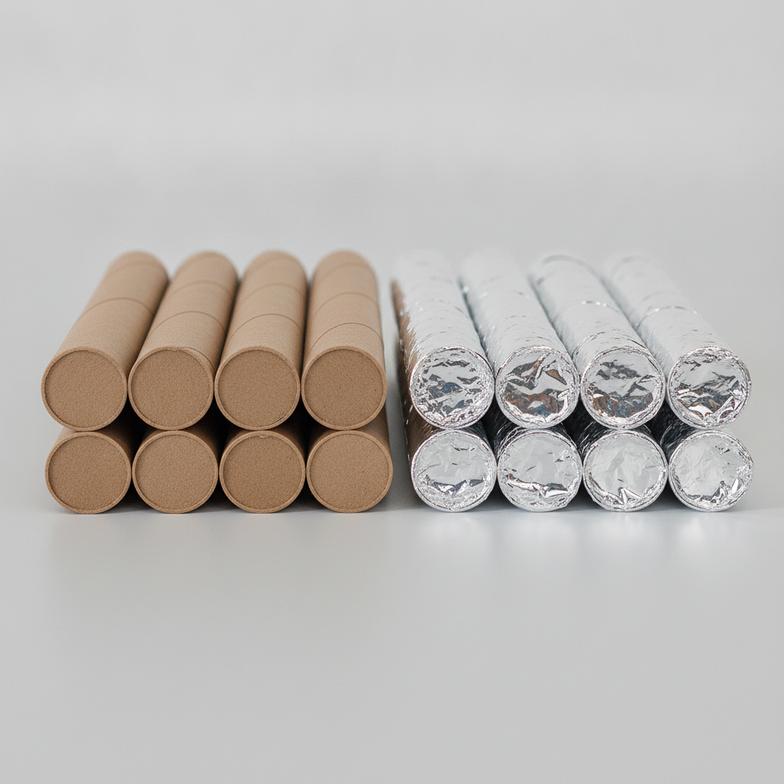
This distinction is more than a simple material preference; it’s a strategic trade-off. While foil offers clear advantages in one area, the underlying paper and glue are the true workhorses of the product. Let’s dive deeper into the critical factors you must evaluate to make an informed procurement decision.
Your finished products may sit in a warehouse or on a retail shelf for months, exposed to fluctuating humidity. You’re betting your brand’s reputation on the hope that they perform flawlessly when the time comes. But if moisture has compromised the pyrotechnic compound, that bet is lost, along with your customer’s trust. A proper moisture barrier is your first and most important line of defense.
Moisture resistance is vital because it directly protects the pyrotechnic contents from degradation. This protection ensures reliable performance, extends the product’s effective shelf life, and is especially crucial for products distributed or stored in humid climates.
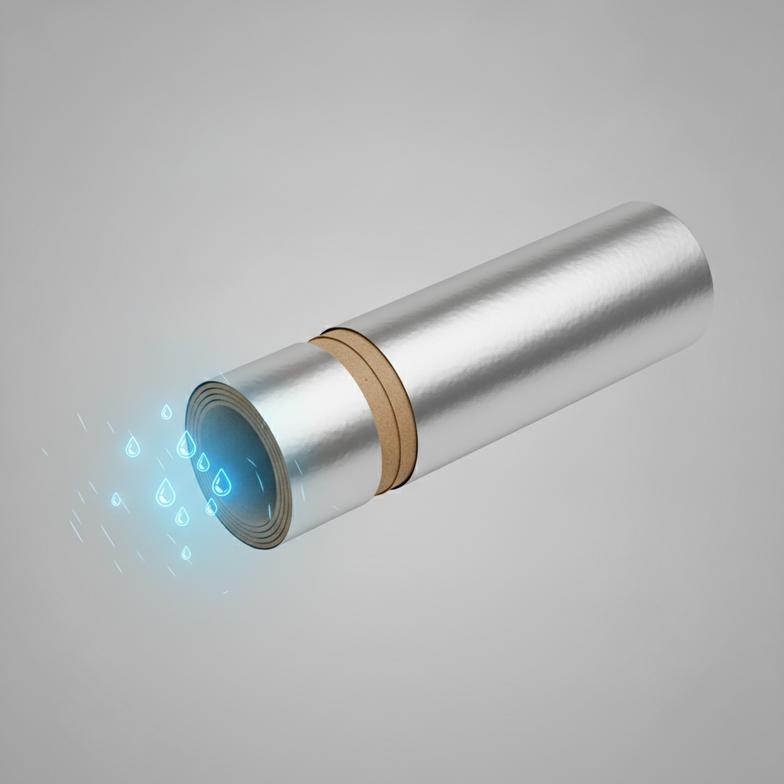
The primary function of the aluminum foil layer in a composite tube is to act as a vapor barrier[1]. Paper, by its nature, is hygroscopic[2], meaning it absorbs and releases moisture from the surrounding air. While plain kraft paper provides structural support, it offers minimal protection against humidity. Over time, this moisture can migrate through the paper walls and into the core of the fireworks, potentially ruining the chemical compounds[3].
From our experience in high-speed composite tube manufacturing for the food and beverage industry, we’ve learned that moisture ingress is a primary failure point. A paper straw that gets soggy in a drink fails for the same fundamental reason a firework might fail on the launch pad: the paper’s integrity has been compromised by liquid.
The foil layer creates an impermeable wall against water vapor. This is critical for several reasons:
While the foil is excellent at this job, it’s only effective if it’s perfectly bonded to the paper. Any gaps, wrinkles, or delamination in the foil layer can create channels for moisture to seep in, negating its primary benefit.
You might assume that adding a layer of foil also adds significant strength. Yet, you may still experience issues with tubes crushing, bending, or deforming on your automated assembly lines. This causes production jams, increases waste, and slows down your entire operation. The reason is that surface materials aren’t the primary source of strength.
The true structural integrity of firework paper tubes—defined by their crush strength and dimensional stability—is determined by the kraft paper’s specifications (grammage, fiber length, and purity) and the performance of the adhesive used to bond the paper layers together.
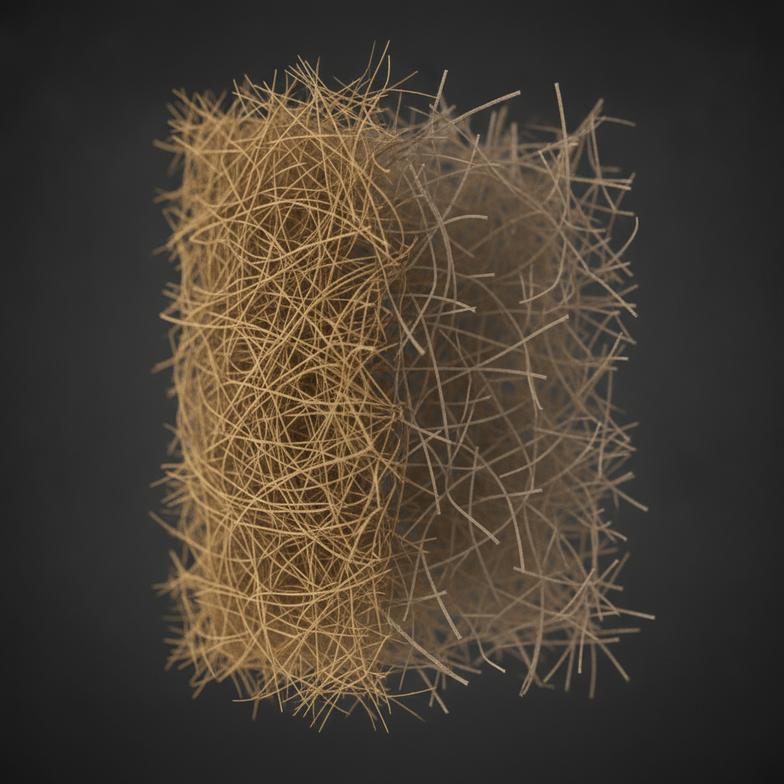
When we analyze paper and glue for demanding applications, we find that the conversation must go far beyond the surface layer. The core construction is what dictates performance under mechanical stress. A robust paper tube is a feat of materials engineering.
Not all kraft paper is created equal. The term simply describes paper produced from chemical pulp in the "kraft process[5]." The variables that matter for strength are:
The adhesive is the silent partner that holds everything together. In a multi-ply paper tube, the glue does more than just stick the layers together; it becomes an integral part of the composite structure.
In our factory, we’ve seen firsthand that using a premium paper with a cheap, low-performance glue results in a weak final product. The system is only as strong as its weakest link.
| Component | Key Specification | Impact on Performance |
|---|---|---|
| Kraft Paper | Grammage (GSM) | Higher GSM increases rigidity and crush strength. |
| Fiber Length | Long, virgin fibers provide superior tensile strength. | |
| Adhesive | Solid Content | Higher solids often lead to a stronger, more rigid bond. |
| Water Resistance | Improves durability in humid conditions, prevents delamination. | |
| Foil Layer | Thickness (microns) | Provides a vapor barrier; minimal impact on structural strength. |
Your procurement team is tasked with finding the best price, and a plain kraft tube is almost always cheaper per unit than a foil-wrapped one. This can lead to pressure to choose the lower-cost option to save on the bill of materials. But this narrow focus can be dangerously misleading, causing much larger costs to appear elsewhere in your business.
To make a truly sound financial decision, you must evaluate the Total Cost of Ownership (TCO)[9], not just the per-unit price. TCO accounts for production line efficiency, product failure rates, and supply chain risks, which often reveal that a slightly more expensive but higher-quality tube is the far cheaper option overall.
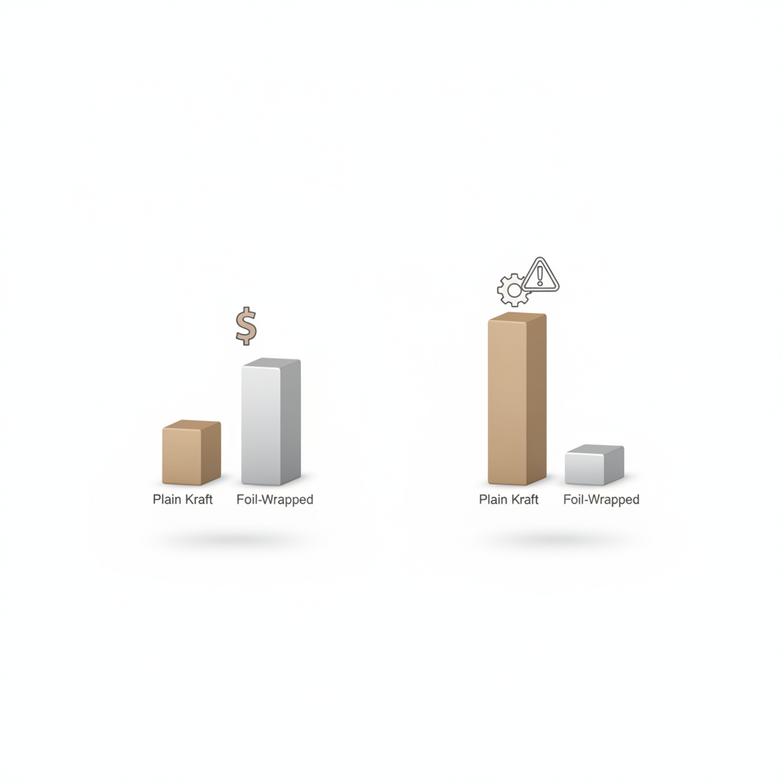
Thinking in terms of TCO is a strategic shift from a procurement mindset to an engineering and risk management mindset. Here are the cost centers to consider.
When you present the case for a higher-quality tube, framing it in the language of TCO helps all stakeholders see the bigger picture. The discussion shifts from "saving cents" on components to "protecting dollars" in finished inventory and production efficiency.
You’ve done your TCO analysis and decided that a foil-wrapped, laminated tube is the right choice for your product. You issue the spec to your supplier, expecting a high-performance product. Yet, you start to see issues like the foil peeling away from the paper or inconsistent performance despite the premium material.
No, a laminated tube is not inherently superior. A poorly manufactured firework paper tube, where the lamination process is inconsistent or the wrong adhesive is used, can perform worse than a well-made plain kraft tube. The quality of a composite product is defined by how well the layers are bonded into a single, functional unit.
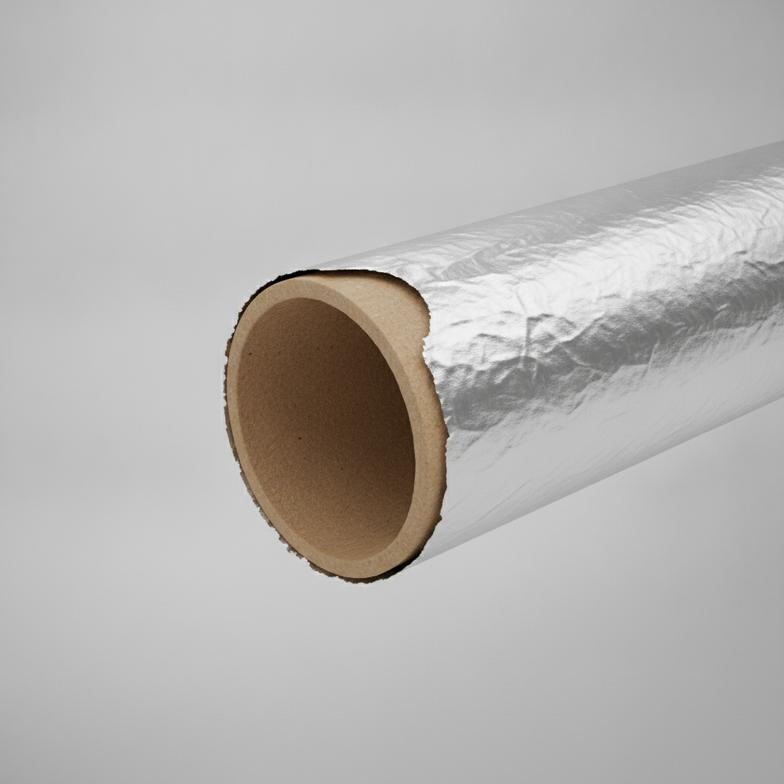
From our own experience manufacturing millions of multi-ply paper straws daily, we know that creating a perfect composite tube at high speed is a science. The principles for making a durable paper straw are directly applicable to making reliable firework paper tubes. It all comes down to the manufacturing process.
A "composite" material is one where different materials are combined to create a new material with enhanced properties. In this case, paper (for structure) and foil (for moisture barrier) are combined. But if they aren’t bonded correctly, they don’t function as a single unit. The foil becomes just a decorative wrapper.
Here are signs of a poor lamination process to watch for:
A supplier must have tight control over their winding tension, adhesive viscosity, and curing process. When vetting a supplier, don’t just ask for a spec sheet. Ask about their process controls. How do they guarantee a consistent, permanent bond between layers? A high-quality plain kraft tube from a supplier with excellent process control is a far safer bet than a poorly laminated foil tube from a supplier who cuts corners.
This depends entirely on the application’s structural requirements. Lighter consumer fireworks might use 100-150 GSM paper, while larger, professional-grade devices may require paper of 200 GSM or higher for adequate crush strength. The key is to balance strength, flexibility, and cost for your specific needs.
The adhesive is critical. It determines the final bond strength between paper plies, preventing delamination. It also contributes to the tube’s overall rigidity and moisture resistance. Most importantly, it must be chemically compatible with the pyrotechnic compounds and burn cleanly without producing harmful byproducts. Always verify this with your materials expert.
Yes, to a degree. Using kraft paper with sizing agents and formulating with a water-resistant adhesive can significantly improve a plain tube’s ability to withstand ambient humidity. However, this will not create a true vapor barrier and cannot match the long-term protection offered by an aluminum foil layer.
Go beyond the price. Ask for detailed specifications on their kraft paper (grammage, pulp source, fiber length) and their adhesive (type, solid content, water resistance properties). Crucially, ask about their quality control process for ensuring dimensional consistency and lamination bond strength.
The debate between foil-wrapped and plain kraft firework paper tubes is not a simple one-sided argument. The right choice is a strategic decision based on a careful cost-benefit analysis. Foil provides an unmatched moisture barrier, essential for protecting product integrity and extending shelf life in variable conditions. However, the fundamental strength, rigidity, and reliability of any paper tube originate from its core components: the grade of the kraft paper and the quality of the adhesive. A focus on Total Cost of Ownership—factoring in production yield and spoilage—often proves that investing in a higher-quality tube provides a significant return. Ultimately, the manufacturing process itself is paramount; a poorly laminated tube is a liability, regardless of its materials.
As experts in high-speed composite paper tube manufacturing, we are currently applying our knowledge of materials science and process engineering to develop solutions for the pyrotechnics industry. If you are an R&D engineer or procurement manager looking to partner on developing and testing high-performance firework paper tubes, we invite you to connect with us. Let’s collaborate to engineer a better, more reliable solution for your products.